REVIEW · VARANASI
Private Guided Walking Tour in Varanasi
Book on Viator →Operated by Dhyanam India Tours · Bookable on Viator
A first walk across Varanasi’s sacred spine feels unreal. This private 4 to 5 hour route threads together major landmarks, from the Rani Laxmibai Janmsthali to Tulsi Ghat, Lolark Kund, Assi Ghat, Harishchandra and Dasaswamedh ghats, and then the Kashi Vishwanath Temple corridor. I like that the tour is built for real orientation: you’re not just seeing names on a map, you’re getting the meaning behind ghats and temple routines as you move.
What I also like is the pacing and the people-friendly format: it’s private (only your group), and you spend short, focused blocks at each stop, with lots of time for photos at Assi Ghat and explanations at the cremation areas and temple corridor. The one thing to consider is that Varanasi spiritual sites—especially cremation ghats—can be intense and emotionally heavy, so this walk is best if you’re comfortable with that mood and with crowds and close distances.
In This Review
- Key highlights you’ll feel on this walk
- Why this Varanasi walk works: order, context, and a private pace
- Rani Laxmibai Janmsthali: where Indian courage enters the story
- Tulsi Ghat and the akhada: strength, discipline, and an everyday kind of worship
- Lolark Kund: a fertility stepwell with a calendar-based ritual
- Assi Ghat: pilgrimage center by day, chill vibe by evening
- Harishchandra Ghat: walking the cremation approach and seeing ritual up close
- A South India life-and-architecture stop on the route
- Dasaswamedh Ghat: the central ghats hub and where daily life meets ceremony
- Manikarnika Ghat: Varanasi’s oldest cremation ground and the reality check
- Shri Kashi Vishwanath Temple corridor: gold temple energy from the outside
- Price and value: what $69 buys you in Varanasi
- How the host care shows up when plans change
- Should you book this private Varanasi walking tour?
- FAQ
- How long is the Private Guided Walking Tour in Varanasi?
- Is this tour private?
- What’s included in the tour price?
- Is a mobile ticket used?
- Are admission tickets included for the stops?
- Where does the tour end?
- What are the opening hours?
- What’s the cancellation policy?
- My booking call
Key highlights you’ll feel on this walk
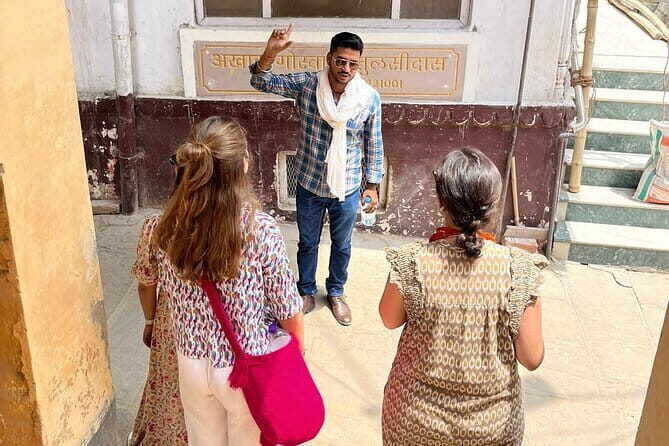
- Private and flexible for your group with a guide who stays with you start to finish.
- Free entry at the listed stops, plus bottled water included for the trek between ghats.
- Morning vs evening mood changes are part of the experience, especially at Assi Ghat and around Dasaswamedh Ghat.
- Lolark Kund stepwell connects architecture to a fertility-focused tradition tied to an annual bath festival.
- Cremation-gtaw areas like Harishchandra and Manikarnika give you a close look at rituals and daily activity.
Why this Varanasi walk works: order, context, and a private pace
Varanasi can feel like you’re walking through layers of time at once. One street is politics, another is devotion, and then you turn a corner and a ghat pulls you into everyday ritual. This tour helps you keep your bearings fast by following a logical sequence of places that connect to each other spiritually and geographically.
Because it’s private, you’re not stuck moving at the speed of strangers or missing explanations while someone else asks a question. You get a guide to point out what matters—what you’re looking at, why it’s significant, and what to watch for as you go.
Also, your route includes both “public-facing” spiritual icons (like the Kashi Vishwanath Temple corridor) and places that show the day-to-day reality of Varanasi (like the akhada at Tulsi Ghat and the cremation ghats). That mix is why this walk feels more honest than a checklist-only tour.
You can also read our reviews of more walking tours in Varanasi


Rani Laxmibai Janmsthali: where Indian courage enters the story
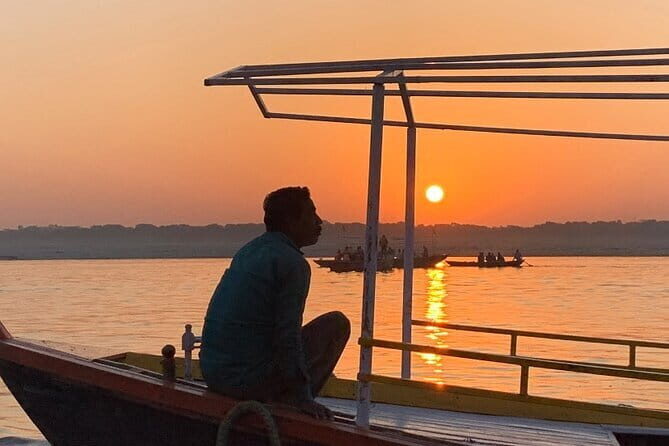
The tour starts at the birthplace of Rani Laxmibai, one of the most famous figures in Indian history. She’s known as the Queen of Jhansi, and the point of starting here is to remind you that Varanasi isn’t only a spiritual stage—it’s also part of broader Indian life, politics, and memory.
It’s a quick start, but it sets tone. You’re primed to notice that the city’s sacred identity doesn’t exist in isolation; it’s layered on top of national history.
If you’re the type who likes meaning in the first minutes of a tour, this opening will help. If you want only temple-and-ghat focus from minute one, you might view this stop as a warm-up rather than a main event—but it gives useful context.
Tulsi Ghat and the akhada: strength, discipline, and an everyday kind of worship
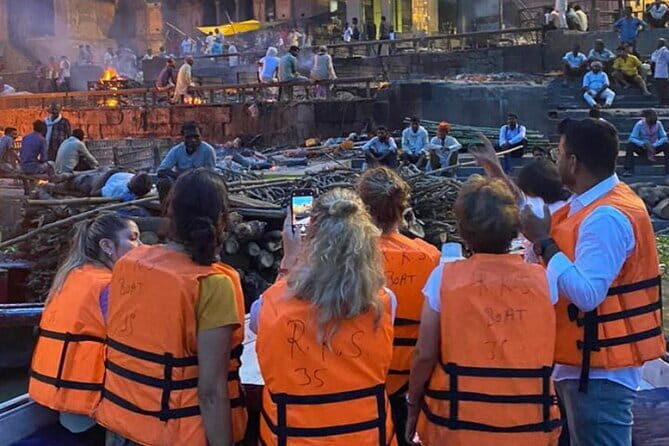
Next comes Tulsi Ghat, where you visit the well-known akhada—essentially a traditional gym for Indian wrestlers. In a city of sacred ritual, this is different in a good way. It shifts you from the quieter “look and listen” mode into the world of training, muscle memory, and discipline.
You’ll spend about 30 minutes here, and the admission is free per the tour plan. That matters because it leaves more of your time for what you’ll feel most: the contrast between physical strength and spiritual strength in one place.
Practical note: even though it’s called a ghat, the akhada area is where you’ll likely notice movement—people working, practicing, and continuing routines. Wear comfortable shoes and keep your camera ready, but don’t assume you’ll be allowed to photograph everything freely. Respect the training space.
Lolark Kund: a fertility stepwell with a calendar-based ritual
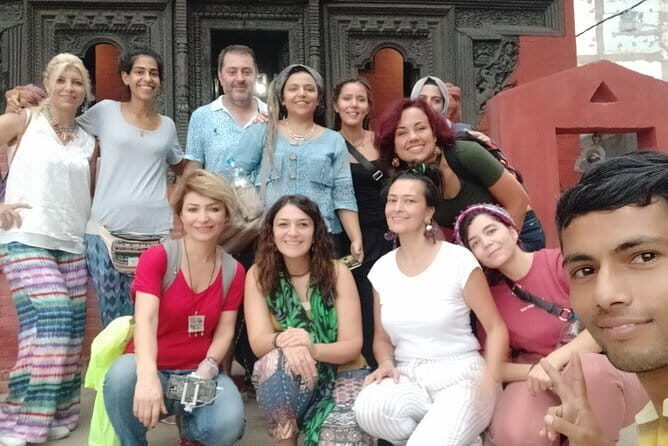
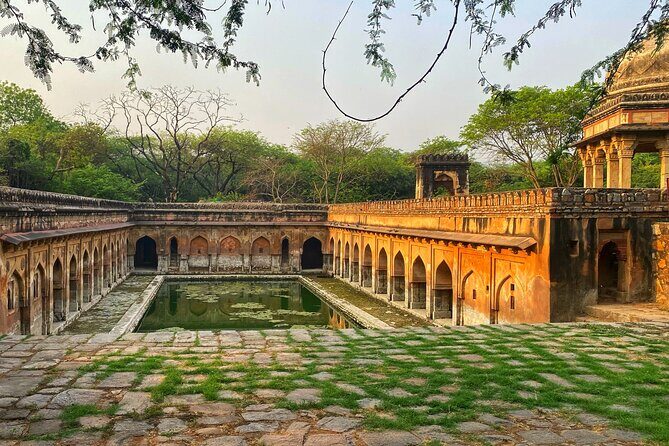
Then you head to Lolark Kund, a historical stepwell tied to fertility symbolism. Here, the tour story connects architecture to life milestones. The stepwell is linked to a bath festival held once a year for women who are not able to conceive, turning the site into something deeply personal.
You’ll have about 20 minutes, with free admission. In that short time, the goal isn’t “tour the whole structure”—it’s to understand how locals interpret the site’s purpose. Stepwells can look like old engineering at first glance. But when a guide frames them around a living tradition, the stones start telling a different story.
Consider this if you’re sensitive about topics like fertility and loss. This stop is meaningful, but it’s also emotionally specific for the people who come here. You’ll get more out of it if you approach it with respect and quiet attention.
Assi Ghat: pilgrimage center by day, chill vibe by evening
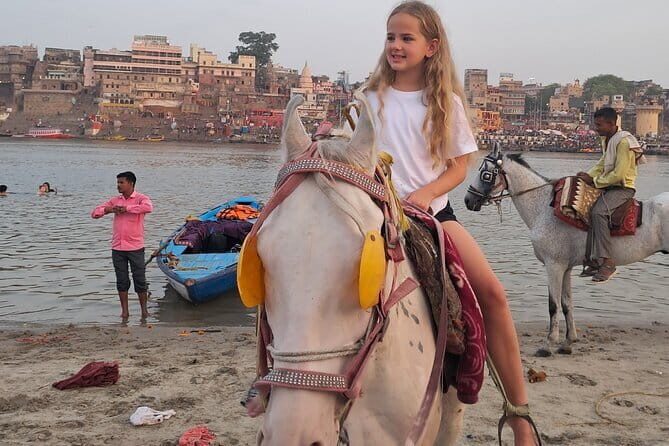
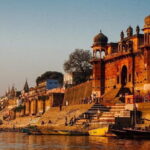
Assi Ghat is the next big emotional shift. The tour has you spend about 25 minutes here. It’s described as a historical pilgrimage center for Hindus, so you’ll likely see the ghat functioning as both a spiritual stop and an everyday social space.
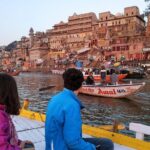
The fun part: Assi Ghat also changes mood. The plan notes that in the evening, it has a totally different vibe and is one of the more chill places in Varanasi. So depending on when your tour time falls, this stop can feel either contemplative and devotional or more relaxed and casual.
You’ll have time specifically to click pictures, and that’s a big deal on a walking tour where you usually feel rushed. If you care about photography, Assi Ghat is the place where you can slow down without feeling like you’re falling behind.
Tip: bring your patience for crowd flow. Ghats are public spaces, so you’ll be sharing angles and walking space with devotees and locals.
You can also read our reviews of more guided tours in Varanasi




Harishchandra Ghat: walking the cremation approach and seeing ritual up close
From Assi Ghat you walk toward Harishchandra Ghat, and the route notes about 20 minutes on foot. This is one of the most serious parts of the tour, because Harishchandra Ghat is known as a cremation ghat of Varanasi.
You’ll spend about 40 minutes here with free admission. The guide’s job is crucial in this zone, because cremation activity is not something you should treat like a spectacle. You’ll learn about the rituals and the meaning behind what you’re seeing, which is exactly what turns the experience from raw observation into something you can understand.
One practical consideration: the atmosphere can feel heavy, and the sights can be difficult for some people. If you’re prone to getting overwhelmed by emotionally intense scenes, this is the section to mentally prepare for. Go slow, keep a respectful distance, and focus on your guide’s explanations rather than racing to take photos.
A South India life-and-architecture stop on the route
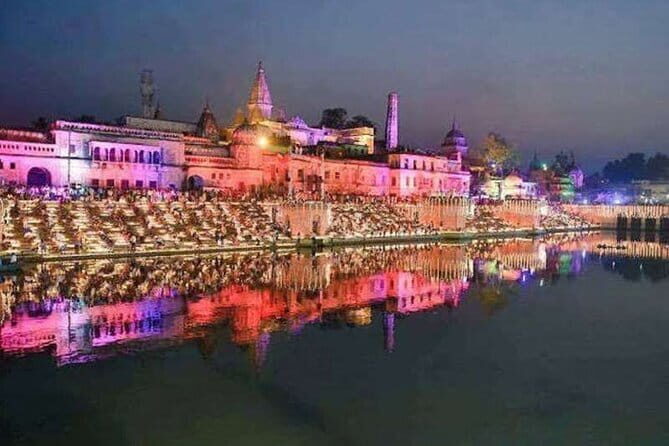
Between the cremation areas and the main ghats toward Dasaswamedh, the tour includes a stop described as showing the life, culture, and architecture of South India. No specific site name is listed in the plan you provided, but the point is clear: the walk doesn’t freeze Varanasi in a single identity.
This kind of detour adds value if you like seeing how different parts of India overlap in one city. You’re reminded that Varanasi is a hub, pulling people, traditions, and built forms into the same walking radius.
Because the exact location isn’t specified in your tour notes, I’d treat this as a bonus window rather than a guaranteed “must-see headline.” But it’s the kind of stop that often sticks with you because it breaks the expected pattern.
Dasaswamedh Ghat: the central ghats hub and where daily life meets ceremony
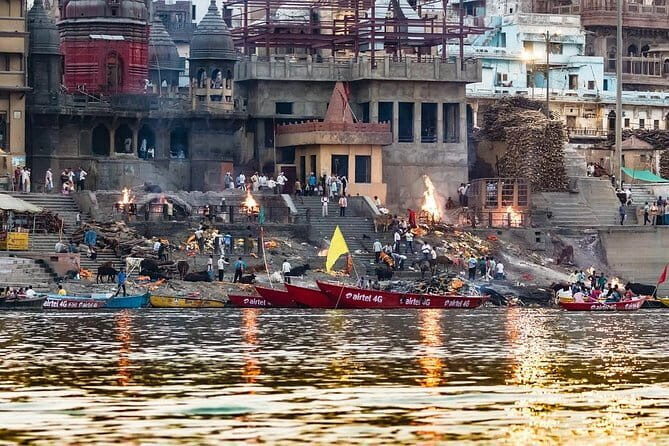
Dasaswamedh Ghat is the center of the ghats for this route. You’ll walk another about 20 minutes from Harishchandra Ghat to reach it, then spend about 30 minutes on site. The plan notes that this is where every pilgrim or tourist comes first to feel the vibrance of Varanasi—basically, it’s the place that gives you the city’s “starting energy.”
A key detail here: the tour includes seeing that morning and evening have different vibes. So even if you’ve visited ghats before, this is the one that can surprise you. The same stone steps can feel totally different depending on light, crowd movement, and what ceremony is underway.
It also notes that Ganga aarti is held here. Your visit should place you near the center of that ritual calendar, though timing can affect whether you catch a full program. Either way, the value of Dasaswamedh is that you understand how the ghats function as both spiritual stages and daily meeting points.
Practical advice: if you’re photographing the riverfront, expect shifts in crowd density. Don’t plan to stand in one spot for long. Move with the flow so you can keep seeing what your guide points out.
Manikarnika Ghat: Varanasi’s oldest cremation ground and the reality check
Next is Manikarnika Ghat, described as the oldest cremation ground/ghat of Varanasi. You’ll spend about 40 minutes here with free admission. The tour plan explicitly mentions you’ll see burning pyres, rituals, and different activities.
This is not a light stop. It’s one of the most direct windows into the cycle of life and death as practiced here. If Harishchandra was the approach, Manikarnika often feels like the heavy, central chapter.
The best way to handle this is the same as before: stay grounded in your guide’s explanations and keep your distance. Don’t treat it like a show. If you need a mental reset, take a step back, watch the rhythm of activity, and let your guide interpret what you’re seeing rather than trying to memorize details.
If you’re traveling with someone who struggles with intense visuals, communicate early. You can still participate, but you may want to stand slightly farther back or ask your guide what to focus on.
Shri Kashi Vishwanath Temple corridor: gold temple energy from the outside
The tour ends at the Shri Kashi Vishwanath Temple, one of Varanasi’s biggest spiritual magnets. You won’t be inside in this plan; instead, you visit the corridor of the Golden Temple from outside. The guide explains what’s going on and what you’re seeing from that vantage point.
You’ll have about 1 hour here, and the admission is listed as free. Even from outside, the corridor area is often where temple atmosphere hits you: people streaming, devotion in motion, and the architectural drama that makes this place feel larger than life.
If you want the temple experience without getting stuck in the most crowded inner access (depending on the day), this approach can be a smart compromise. And if you’re aiming to focus on understanding—what the corridor symbolizes and how the space works—having a guide’s running commentary is a big advantage.
There’s also an optional VIP ticket upgrade listed as Rupees 250 per person. Since your tour plan doesn’t specify what that VIP ticket changes, you’ll want to ask your guide or confirm with the provider what it gives access to before paying. If you’re happy with the corridor view and explanation, you can likely skip the upgrade.
Price and value: what $69 buys you in Varanasi
At $69 for a private walking tour in Varanasi lasting about 4 to 5 hours, the main value isn’t just “places.” It’s time. A private guide is the time-saving factor here—someone helps you move efficiently between sites and understands what you should look for at each one.
You’re also getting bottled water included, and the itinerary lists free admission at each stop, which keeps the budget predictable. The only extra mentioned is the optional VIP ticket for the temple corridor/area, listed at Rupees 250 per person when chosen.
Is $69 expensive? Not in the “this city eats your time” way. It’s really about whether you want a guided experience for the emotional and practical complexity of ghats. If you plan to wander alone, you may save money but lose the context that makes the cremation areas and stepwell meaningful. If you’re the kind of traveler who values interpretation over random wandering, this price feels fair.
How the host care shows up when plans change
One of the best signals in the review record is how the host handled travel delays. When a flight situation makes it impossible to arrive on time, the provider’s been described as accommodating and working to make participation possible if it can be arranged. That kind of flexibility matters in Varanasi, where even small timing changes can affect which mood you catch at a ghat.
If you’re flying in or out and your schedule is tight, that reassurance is worth something.
Should you book this private Varanasi walking tour?
I’d book it if you want a guided, private path through the city’s key spiritual sites, with enough time at each stop to actually understand what you’re looking at. It’s especially a good fit if you care about context: stepwell meaning, wrestler culture at an akhada, and the difference between major ghats by morning and evening.
I’d think twice if cremation sites feel like a hard no for your comfort level. This tour is honest about what you’ll see at Harishchandra and Manikarnika, so you should only book if you can handle that atmosphere with respect and emotional steadiness.
FAQ
How long is the Private Guided Walking Tour in Varanasi?
It lasts about 4 to 5 hours.
Is this tour private?
Yes. It’s a private tour/activity, and only your group participates.
What’s included in the tour price?
Bottled water is included.
Is a mobile ticket used?
Yes, the tour includes a mobile ticket.
Are admission tickets included for the stops?
The itinerary lists admission as free for the stops included in the plan. A VIP ticket option is listed separately for Rupees 250 per person.
Where does the tour end?
The activity ends back at the meeting point.
What are the opening hours?
Monday to Saturday: 8:30 AM to 1:00 PM and 2:30 PM to 7:00 PM.
What’s the cancellation policy?
Free cancellation is available up to 24 hours in advance for a full refund. If canceled less than 24 hours before the start time, the amount paid is not refunded. If it’s canceled due to poor weather, you’re offered a different date or a full refund.
My booking call
If you want a structured walk that connects Varanasi’s most important ghats and temple focus with real explanations—and you’re okay with the intensity of cremation ghats—this is a strong choice. The private format, free-stop admission, and added care when plans go sideways make it a practical way to see the city without getting lost in the noise.