REVIEW · MUMBAI
Private Guided Walking Tour in Dharavi Slums
Book on Viator →Operated by M/s Khaki Tours · Bookable on Viator
Mumbai’s Dharavi isn’t what you expect. This private walking tour in Mumbai takes you from Mahim (where Dharavi began to develop) into the working lanes of Dharavi, including recycling areas and leather/tannery activity, then ends in Kumbharwada with the potters’ settlement. You’ll spend about 2 hours on foot seeing how daily life and small-scale industry operate in the same tight space.
Two things I really like: first, the tour focuses on real-world work—waste being recycled and leather products being made—so you learn how the local economy runs. Second, you’re guided by people who live there, including residents such as Bharti, Kamlesh, Palak, and Sultan (names vary by group), with other guides like Jimmy or Mickey sometimes adding historical context. One drawback to consider: this is a place where you’ll see harsh realities, so it may feel emotionally heavy if you came hoping for a light, sightseeing-only stroll.
In This Review
- Key things to know before you go
- Dharavi on Foot: What You’ll Actually See in Two Hours
- Meeting Point at Mahim: Getting Oriented Before You Enter Dharavi
- Stop 2: Dharavi’s Recycling Work and the Informal Industry Side
- Stop 3: By-lanes, Living Conditions, and Tanneries for Leather Products
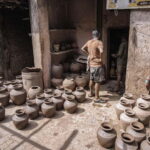
- Stop 4: Kumbharwada Potter Settlement and Craft Life Where It Happens
- What You Get for $44.75: Value, Private Format, and Local Hosts
- Logistics That Affect Your Experience (And How to Handle Them)
- Who This Dharavi Walk Is For
- Should You Book This Private Dharavi Walking Tour?
- FAQ
- How long is the Private Guided Walking Tour in Dharavi Slums?
- Where does the tour start and end?
- What is the price per person?
- Is the tour private?
- Do you need admission tickets for the stops?
- What’s included, and what should I bring?
- What is the cancellation policy?
Key things to know before you go
- Private group pace: only your group participates, so the walk can feel more personal than a standard group tour.
- Mahim to Dharavi to Kumbharwada route: you get a sense of how the area grew and how different crafts and industries connect.
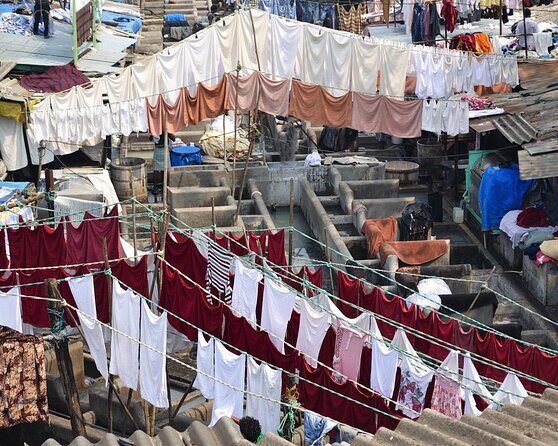
- Recycling and production in view: you’ll see how waste moves through an informal industrial system and how leather/tanneries fit in.
- Tanneries and bylanes together: you don’t just look at one aspect; you walk through lanes and then see where famous leather products are manufactured.
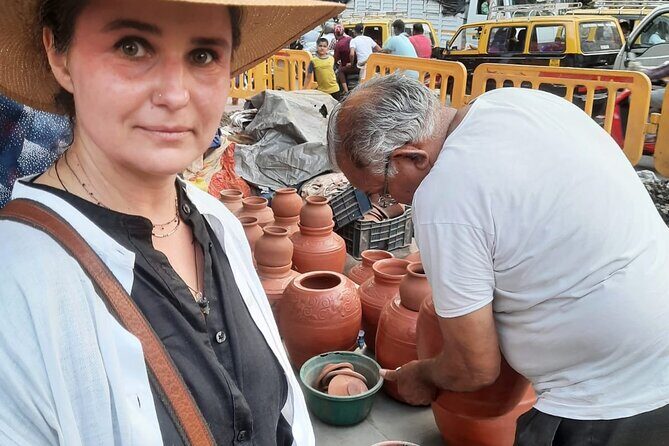
- Potters’ settlement at the end: Kumbharwada adds a craft-and-home angle by showing potters working where they also live.
- Local hosts matter: reviews specifically highlight resident guides like Bharti, plus guides such as Jimmy and Kamlesh who pair local context with wider background.
Dharavi on Foot: What You’ll Actually See in Two Hours
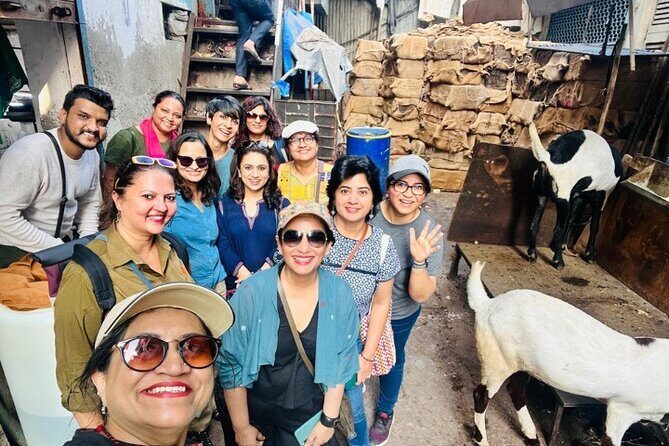
This is a short tour in duration terms—about 2 hours—but it’s long enough to change how you think. The route is built around movement: you start at the city edge in Mahim, then shift into Dharavi’s working zones, and finish in Kumbharwada where craft work (pottery) is part of everyday life.
The biggest value here is that you’re not being shown Dharavi as a single “view.” You’re moving between settings: a waste-recycling zone, bylanes where residents live, tanneries connected to leather production, and finally the potters’ settlement. That mix helps you understand Dharavi as a functioning ecosystem—work, housing, and community life tightly linked.
It also helps that the stops you’ll reach are admission-ticket free as listed. That means you’re not paying extra just to stand in front of a gate. Instead, your time goes toward walking, asking questions, and listening to the way locals explain what you’re seeing.
One practical thing: because it’s a walking experience and there’s no bottled water included, plan as if you’ll be out there for a couple hours with basic needs on you.
You can also read our reviews of more walking tours in Mumbai


Meeting Point at Mahim: Getting Oriented Before You Enter Dharavi
The tour starts at Third Wave Coffee, Tip Road, Unit no.58, Ground, Ram Mahal, Senapati Bapat Marg, Marinagar Colony, Station, Mahim, Mumbai. That matters more than it sounds. Mahim is described as the edge of the city from where Dharavi began developing, so this first segment helps you place the story before you reach the dense lanes.
That opening stop is short—about 10 minutes—but it’s designed to get your bearings fast. When you understand the “edge of the city” origin idea, Dharavi stops feeling like a random patch of buildings and starts feeling like a place shaped by Mumbai’s growth.
After you leave Mahim, you’ll be heading into the Dharavi area itself. If you’re the kind of person who likes context (even if you don’t usually seek it out), you’ll appreciate that the walk doesn’t skip straight to what looks dramatic. It starts with the logic of how the area emerged.
Stop 2: Dharavi’s Recycling Work and the Informal Industry Side
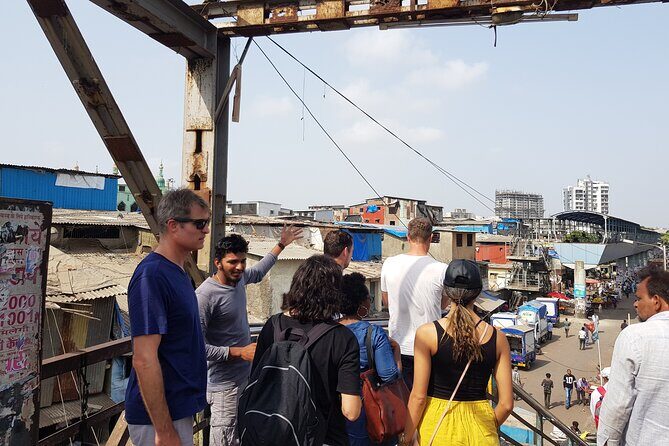
Your time in Dharavi begins with a look at how Mumbai’s waste gets recycled in an informal industrial complex. This part of the tour is about 30 minutes, and it’s one of the most important sections for anyone who wants to understand Dharavi beyond stereotypes.
Here’s why this stop is worth your attention: recycling is not just a “process,” it’s an entire network—materials, sorting, reuse, and movement of goods through hands-on labor. Even if you don’t know the technical details, you can read the system in how people work and how materials change as they pass through the area.
You’ll also likely notice how close work is to the places where people live. That closeness is central to Dharavi’s reality. This is not an industrial park far away from homes. It’s production and housing in the same neighborhoods, with residents continuing daily life while work keeps going.
A fair consideration: if you’re sensitive to industrial conditions, you’ll want to mentally prepare for sights and smells that come with working around waste and production. This tour is designed to be honest and practical, not sanitized.
Stop 3: By-lanes, Living Conditions, and Tanneries for Leather Products
Next comes a second Dharavi segment, again around 30 minutes, with two big elements: walking through bylanes to see living conditions, and then seeing tanneries where Dharavi’s leather products are manufactured.
This is where the walk can feel the most personal and the most emotional. You’re moving through alleys and lanes rather than a formal walkway, so your guide’s storytelling matters. In reviews, guides highlighted the mix of everyday life and work, and that’s what you’ll feel here: you’re not just observing labor, you’re walking alongside community spaces.
The tannery portion connects the earlier recycling theme to something more visible in global commerce: leather products. The point isn’t to treat it like a factory tour; it’s to show how the local economy links upstream material recovery to finished goods. That connection is one of the tour’s best “aha” moments.
Why this part is also valuable for respectful visitors: a good guide helps you see people first, not just conditions. Several reviews mention that resident guides—like Bharti—share insights from lived experience, which keeps the tour from turning into a one-note look at poverty.
Still, I’ll be straight with you: this is not a walk designed to make you comfortable. If you’re expecting postcard Mumbai, you’ll be disappointed. If you want to understand how a city functions at ground level, you’ll probably find it hard to forget.
Stop 4: Kumbharwada Potter Settlement and Craft Life Where It Happens
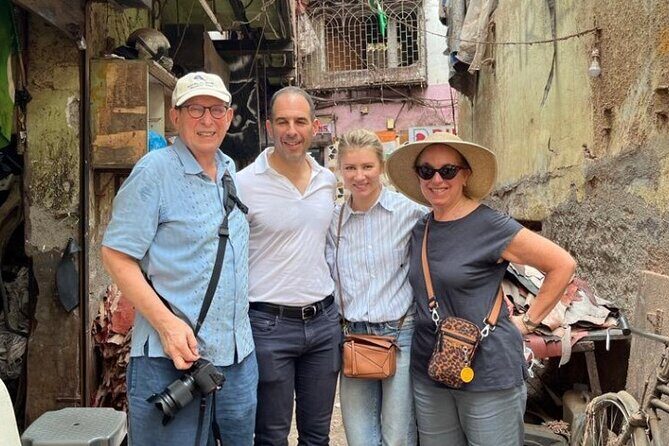
The tour ends with a final 30-minute segment in Kumbharwada, walking through the potters’ settlement. The finish location is Kumbhar Wada, Dharavi.
This ending is a smart contrast to the earlier stops. Recycling and tanneries show industrial labor. Kumbharwada shows craft labor—pottery—along with a sense of routine and place. You can start to notice a pattern: different kinds of work sit inside the same tight geography, and the settlement layout shapes how people live and work.
If you’re traveling with kids or you’re curious about how people learn skills and keep traditions going, this final stop can be the easiest to grasp. It’s also often where the conversation feels less heavy. You’re still seeing real life, but you’re ending with a craft you can visually understand: hands, materials, shaping, making.
Practical note: you’ll want to pay attention to your guide’s pacing here. A craft settlement can be visually busy, and it’s easy to crowd into one spot. The more you follow your guide’s flow, the smoother the experience tends to feel.
You can also read our reviews of more guided tours in Mumbai



What You Get for $44.75: Value, Private Format, and Local Hosts
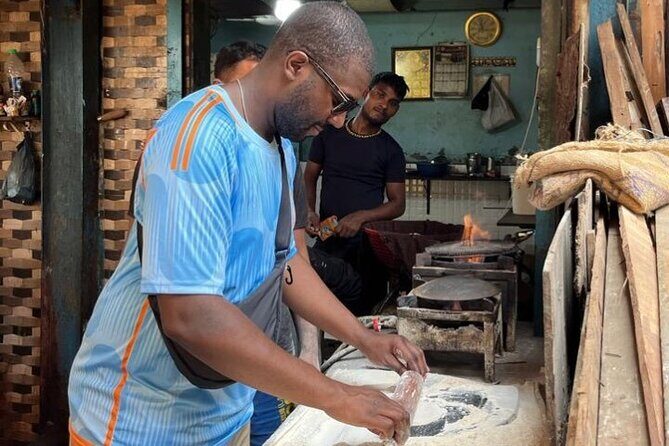
At $44.75 per person for a private walking tour that runs about two hours, the price isn’t “cheap,” but it also isn’t inflated for what you’re getting. The included cost is hosting charges, and the tour is private for your group—so you’re not squeezed into a rigid schedule or stuck waiting for a big group.
In reviews, people consistently praised the way guides paired perspective. Examples include Jimmy adding history alongside local resident Kamlesh, and multiple groups being guided by residents like Bharti with others like Siddhesh, Sonniya, Maiyur, Palak, Bharathi, and Sultan sharing context. That mix matters because Dharavi is not a single story. It’s history and present-day work, plus human routines, plus community explanations.
You’re also getting a few small-but-real conveniences: group discounts and a mobile ticket. If you’re making plans on the fly, mobile ticketing can save time.
One value-focused consideration: since bottled water and snacks are not included, your total out-of-pocket may rise slightly depending on what you need during the walk. For some people that’s fine; for others it’s the one budgeting surprise to plan for.
Overall, the private format is what tips this into “worth it” territory. You’re paying for guided context in a place that can easily overwhelm you if you’re walking around unguided.
Logistics That Affect Your Experience (And How to Handle Them)
This tour works best when you treat it like a guided walk, not a self-guided photo mission. It’s near public transportation, which helps if you’re connecting from elsewhere in Mumbai, and confirmation is handled with a confirmation window of within 48 hours, subject to availability.
Weather matters too: the experience requires good weather. If conditions are poor, you should expect a reschedule or a full refund option to be offered, depending on what the provider can do that day.
Because the walk is short but active, come ready to walk. Wear comfortable shoes. I’d also bring:
- a bottle of water (since it’s not included)
- a small snack if you know you get hungry after walking
- a light layer if the day can swing cooler or hotter
This tour can be a strong fit for most people because it’s described as “most travelers can participate,” but the emotional tone may be the real filter, not physical access. If you’re ready to look closely at daily life under pressure and you can handle that with respect, you’ll likely enjoy the tour more than you expect.
Who This Dharavi Walk Is For
This private Dharavi walking tour is a good match if you:
- want a working-city view of Mumbai, not just landmarks
- like guided explanations from people who live and work in the area
- enjoy learning how recycling, production, and craft connect
- want a two-hour outing that feels like education you can’t get from photos
It may be less of a match if you’re mainly seeking scenic views, quick entertainment, or a fully comfortable experience. Even with the best guidance, Dharavi is where tough realities and daily routines overlap, and that can land hard.
For families, it can work well too. One set of reviews specifically mentioned a family with three kids who found the tour respectful and educational. If you go with children, consider setting expectations: this isn’t a fun fair; it’s a human-focused walk.
Should You Book This Private Dharavi Walking Tour?
My take: book it if you want to understand Dharavi in a grounded way—through recycling work, bylanes of living, and then the craft of Kumbharwada. The structure of the walk (Mahim for origin, Dharavi for work/life, Kumbharwada for pottery) helps you build a mental map fast, and the local resident guidance is repeatedly the reason people recommend it.
Skip it if you’re looking for a light, polished sightseeing day or if you’re not emotionally prepared for what you’ll see while people live and work in tight conditions. Also, don’t forget the practical part: bring water and a snack mindset, because the tour doesn’t include them.
If your goal is respectful, real-world learning, this is the kind of tour that gives you more than facts—it changes the way you see the city.
FAQ
How long is the Private Guided Walking Tour in Dharavi Slums?
It runs for about 2 hours.
Where does the tour start and end?
It starts at Third Wave Coffee, Tip Road, Unit no.58, Ground, Ram Mahal, Senapati Bapat Marg, Marinagar Colony, Station, Mahim, Mumbai, Maharashtra 400016, India. It ends in Kumbhar Wada, Dharavi, Mumbai, Maharashtra, India (open in Google Maps).
What is the price per person?
The price is $44.75 per person.
Is the tour private?
Yes. Only your group will participate.
Do you need admission tickets for the stops?
The listed stops show Admission Ticket Free.
What’s included, and what should I bring?
Included is hosting charges. Bottled water and snacks are not included, so you should plan to bring them.
What is the cancellation policy?
You can cancel for a full refund if you cancel up to 24 hours before the experience start time. If weather is poor and the tour is canceled, you’ll be offered a different date or a full refund.