REVIEW · MUMBAI
Private Full-Day Mumbai City Tour with Elephanta Caves Excursion
Book on Viator →Operated by Pacific Classic Tours India · Bookable on Viator
One ferry ride sets the tone for Mumbai. This private, full-day route pairs the UNESCO Elephanta Caves with a tight circuit of South Mumbai icons, handled with air-conditioned pickup and drop-off.
I love the AC car + private guide combo that turns a long day into something you can actually enjoy, even in heavy traffic. I also like that the day is built around key places you’d otherwise bounce between on your own: Gateway of India, Chhatrapati Shivaji Maharaj Vastu Sangrahalaya (Prince of Wales Museum), Mani Bhavan, and Dhobi Ghat.
One thing to plan for: the ferry to Elephanta runs only with clear conditions, and that can affect timing if weather shifts or if special days cause closures.
In This Review
- Quick hits before you book
- Why This Mumbai-and-Elephanta Combo Works in One Day
- Morning Pickup and the Ferry Run to Elephanta Island
- Elephanta Caves: Shiva Carvings, Smart Steps, and Time on Site
- Gateway of India to Chhatrapati Shivaji Terminus: Big Architecture, Real City Energy
- Crawford Market, Marine Drive, and Malabar Hill Views
- Mani Bhavan and Dhobi Ghat: Gandhi’s Bombay and Laundry Life at Work
- Prince of Wales Museum (Now Vastu Sangrahalaya) and How to Use This Final Hour
- Price and Value: What $192.86 Covers (and What It Doesn’t)
- Guide and Driver: The Real Difference You Feel
- How Long Is Too Long: Timing, Crowds, and When This Feels Like a Stretch
- Should You Book This Private Full-Day Mumbai Tour?
- FAQ
- What is the duration of the private Mumbai tour with Elephanta Caves?
- What time does the tour start?
- Is hotel pickup and drop-off included?
- How do you get to the Elephanta Caves?
- Are entrance fees included?
- Are meals included?
- Is the tour private?
- Is bottled water included?
- Does the ferry run in all weather?
- What kind of vehicle is used?
Quick hits before you book
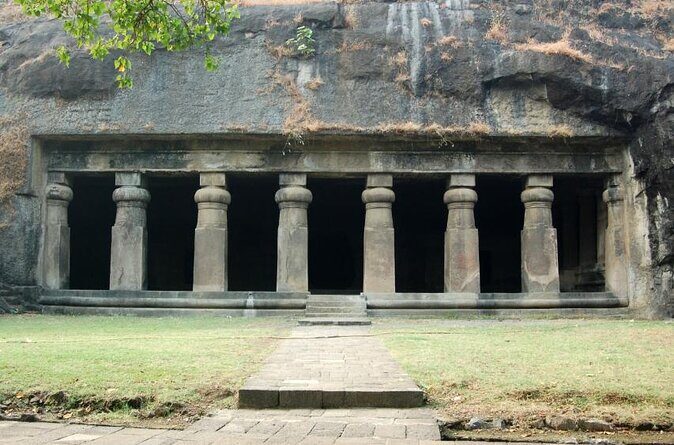
- Ferry to Elephanta Island plus a toy train ride to reach the cave steps without burning your whole morning
- A real South Mumbai highlights loop: Gateway of India, CST, Crawford Market, Marine Drive, and Malabar Hill
- Mani Bhavan (Gandhi Museum) stops you where Gandhi’s local life actually happened (1917–1934)
- Dhobi Ghat viewing of the largest unmechanized laundry area, where you’ll see the daily work up close
- Private touring with known guide talent, including guides like Subha, Naina Shah, Rupali, Chetan, and Anand Sharma
- Entrance fees are extra, with listed sight fees around $16 per person
Why This Mumbai-and-Elephanta Combo Works in One Day
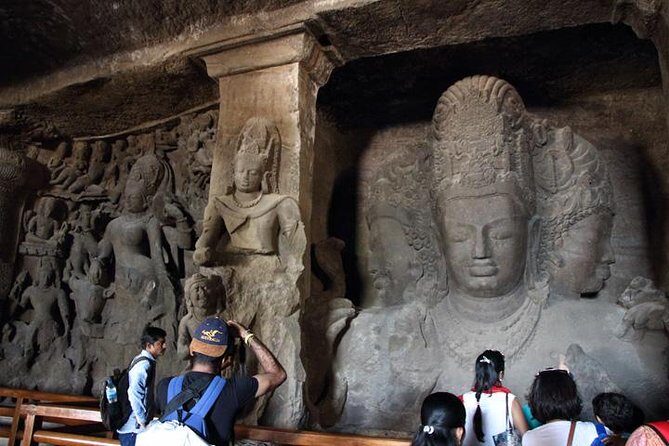
Elephanta Caves aren’t just another stop. They’re the reason many people build an itinerary around Mumbai, because the island temples feel separate from the city—yet they’re reachable in a single day if your logistics are handled well.
What makes this tour practical is the structure: you start early with pickup, you get the ferry part done in one block, and then you cruise through South Mumbai’s biggest landmarks while the day is still young. You’re not stuck doing trial-and-error transit or running between tickets and opening hours.
This is also a tour that can be shaped to your pace. Since it’s private, your guide can slow down for photos and explanations or move faster if you’re comfortable navigating crowds and streets.
You can also read our reviews of more city tours in Mumbai


Morning Pickup and the Ferry Run to Elephanta Island
Your day starts around 8:00 am with pickup from your hotel, the airport, or your cruise port. The point of starting this early isn’t just convenience—it’s that Mumbai traffic can chew up time, and an organized schedule gives you a fighting chance to see everything.
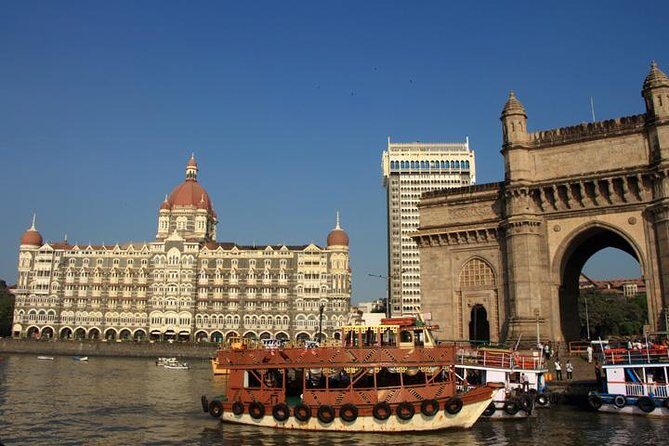
From pickup, you transfer by private air-conditioned vehicle to the Gateway of India and the harbor. Then you board the ferry to Elephanta Island, and this part is oddly relaxing. It’s one of the few times you’ll have open water, space, and changing light instead of street-level pressure.
One practical note: the ferry operation depends on clear weather conditions. That matters because Elephanta is accessed only by ferry, so if clouds or rougher weather roll in, plans can shift.
Elephanta Caves: Shiva Carvings, Smart Steps, and Time on Site
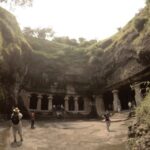
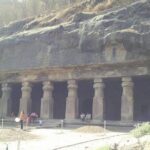
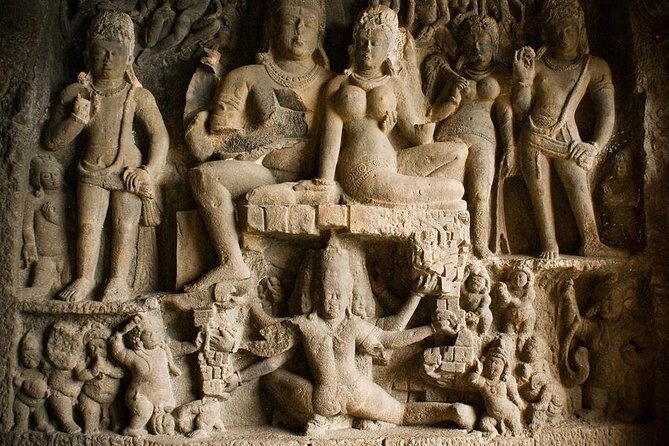
Elephanta is famous for its rock-cut temple caves, and the main draw is the Hindu god Shiva portrayed through reliefs and statues. The caves date to the 5th century, which is why the details feel carved with purpose—not just decorative stonework.
The tour includes a toy train ride to reach the steps to the caves. That’s a genuinely helpful add-on. The walk up can be long, and saving energy here means you can spend more time looking closely at the carvings rather than just getting there.
Once inside, give yourself permission to slow down. The scenes make more sense when you connect the iconography to what your guide is explaining, whether it’s the story behind Shiva or how the temple layout guides your eye.
Expect time on the caves and then a return ferry ride to the Gateway of India area. This pacing keeps the day from becoming a blur of transport-only minutes.
Gateway of India to Chhatrapati Shivaji Terminus: Big Architecture, Real City Energy
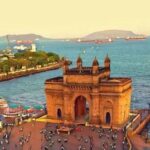
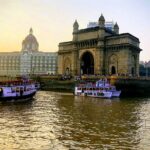
After Elephanta, you come back to the Gateway of India, one of Mumbai’s most recognizable colonial-era monuments. It’s a bold basalt arch that looks out over the harbor, built to commemorate the 1911 royal visit of King George V.
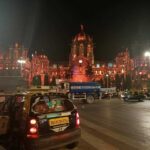
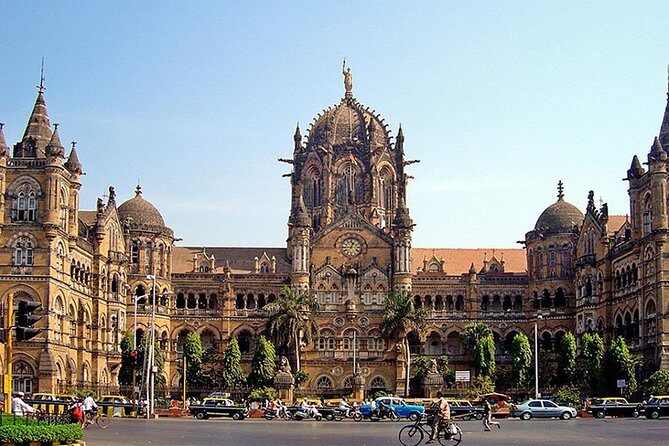
From there, you head to Chhatrapati Shivaji Maharaj Terminus (CST)—a UNESCO World Heritage Victorian Gothic railway station. The building feels dramatic even if you’re not a train fan. Up close, you notice the scale and the architectural “overflow,” plus the everyday crowd energy around it.
Here’s why I like this segment: it shows Mumbai in two modes. Harbor monument time (slow, photogenic, open) and rail-station time (busy, human, fast-moving). You don’t just see one face of the city—you see how it functions.
Crawford Market, Marine Drive, and Malabar Hill Views
Next up is Mahatma Jyotiba Phule Mandai, better known as Crawford Market. It’s a wholesale market, and it has that old-Mumbai feel: fruit, vegetables, meat, and fish moving through the day’s rhythm. It’s not a museum stop. It’s sensory—smell, sound, and bustle—so you’ll want to keep your camera ready and your expectations realistic.
After the market, you get a coastal photo stop on Marine Drive, stretching along the Arabian Sea from Nariman Point to Girgaum Chowpatty and on toward Malabar Hill. Marine Drive is famous for its evening lights, and locals often call it the Necklace of India because the line of illumination looks like jewelry from across the water.
To cap the views, you’ll head to Hanging Gardens (Pherozeshah Mehta Gardens) on Malabar Hill. You’ll find terraced gardens and big-sky harbor and city angles. If the visibility is good, it’s one of the best places on this route to soak in the geography of South Mumbai.
Tip for your photos: try to angle for distance shots first, then switch to close street-and-building details. Mumbai’s scale hits you once you can compare what’s nearby to what’s far out.
You can also read our reviews of more private tours in Mumbai



Mani Bhavan and Dhobi Ghat: Gandhi’s Bombay and Laundry Life at Work
One of the most meaningful stops on the itinerary is Mani Bhavan (Gandhi Museum). It’s a Gujarati-style residence where Mahatma Gandhi stayed during visits to Bombay from 1917 to 1934, and it’s still small enough that you don’t lose the human story under a mountain of exhibits.
Even if you’re not a museum person, the value is in the placement. You’re seeing where organizing happened, not just reading about it. Expect an emotional, personal tone in an otherwise fast-paced day.
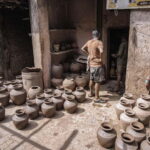
Then comes a very different kind of human activity: Dhobi Ghat. This 140-year-old wash area is the largest unmechanized laundry facility, and you’ll see hundreds of people working with soaps, water, and hand methods. It’s a strong contrast to the monumental architecture earlier in the day.
This is also one of those places where your guide can help you respect the space. You’ll likely want to photograph with care and remember people are working, not posing.
Prince of Wales Museum (Now Vastu Sangrahalaya) and How to Use This Final Hour
You’ll finish with Chhatrapati Shivaji Maharaj Vastu Sangrahalaya, formerly the Prince of Wales Museum. The building is known for its architecture, and it was designed by George Wittet, who is also credited with being behind the Gateway of India’s design.
The museum stop is listed for about an hour, so you won’t see everything if you’re a serious collector of facts. Use the time like a strategist: pick a couple of themes your guide can point you toward, then let the building itself do the rest.
I like ending here because the day has been heavy on outdoor visuals—harbor, caves, streets. A museum closes the loop by giving you something to “carry home” in your head.
Price and Value: What $192.86 Covers (and What It Doesn’t)
At $192.86 per person, this tour isn’t a cheap “hop-on, hop-off” deal. You’re paying for the whole package of private logistics: pickup and drop-off, a private air-conditioned vehicle, a professional local guide, and the ferry round trip to Elephanta.
You also get included essentials that reduce hassle costs: bottled water, and that toy train ride to the cave steps. For many people, the biggest value is avoiding the planning and ticket juggling you’d need to do yourself across ferry schedules, monument entry, and Mumbai traffic.
Entrance fees are not included. The tour notes listed entrance fees of sights around $16 per person, so budget that on top. Also remember meals are on you; lunch is purchased at a local restaurant during the day.
My quick sanity check for value is this: if you’re short on time and you want a real overview with minimal stress, the private setup can be worth it. If you love slow independent wandering and don’t mind researching ferry timing, you might find cheaper ways. But you’ll trade convenience for effort.
Guide and Driver: The Real Difference You Feel
The reviews make it clear that the guide can make or break the day. Names that came up include Subha, Nayana, Naina Shah, Rupali, Chetan, Anand Sharma, and Nassem, and the common thread is how they connect stories to what you’re seeing.
You’ll especially feel this at the Elephanta Caves. Those carvings can be impressive even without context, but you’ll understand more if your guide explains Shiva’s imagery and how the cave scenes relate to the temple’s layout.
The driver also matters here. Mumbai traffic isn’t gentle, and more than one write-up praises the driver for staying on schedule and keeping the experience safe and organized. That’s not glamorous, but it’s exactly what makes a long day work.
One caution from the experience pattern: there can be detours that feel more like retail stops than pure sightseeing. One highlight that was also a lowlight involved an unexpected pashmina shop stop where sales pressure cut into time. If shopping isn’t your thing, tell your guide upfront that you want to keep the day focused on monuments and museums.
How Long Is Too Long: Timing, Crowds, and When This Feels Like a Stretch
This is a 9 to 10 hour day, starting at 8:00 am. For many first-time visitors, that’s the sweet spot: long enough to hit the big landmarks, not so long that you’re wrecked by late afternoon.
But you should plan for fatigue. Elephanta takes energy (even with the toy train), Dhobi Ghat involves standing and moving through active spaces, and CST plus Marine Drive means you’ll be out and about in crowds and sun.
If you’re traveling with mobility limits, you’ll want to ask about how the walkways and cave steps will feel for your group. The tour does say most travelers can participate, but it doesn’t promise that every segment is effortless.
Should You Book This Private Full-Day Mumbai Tour?
Book it if:
- You want Elephanta Caves plus South Mumbai’s top sights in one organized day
- You prefer private pickup/drop-off and an air-conditioned vehicle to handle traffic
- You care about explanations that turn stone carvings and monuments into stories
- You’re short on time and don’t want to piece together ferry logistics yourself
Skip it or rethink if:
- You’re traveling during a time when closures are likely; one account mentioned a holy festival affecting what could be seen
- You’re very sensitive to time lost from unexpected stops, especially sales-oriented ones
- Weather is a big risk for your travel window, because Elephanta depends on ferry operations in clear conditions
If your priorities are top sights, solid guidance, and minimal hassle, this is a strong way to see Mumbai fast—without turning your day into a spreadsheet.
FAQ
What is the duration of the private Mumbai tour with Elephanta Caves?
The tour runs about 9 to 10 hours.
What time does the tour start?
The start time is 8:00 am.
Is hotel pickup and drop-off included?
Yes. Pickup and drop-off are included from the hotel, airport, or cruise port.
How do you get to the Elephanta Caves?
You take a ferry from the Gateway of India area to Elephanta Island, and the tour also includes a toy train ride to reach the cave steps.
Are entrance fees included?
No. Entrance fees for the sights are at your own expense (with listed entrance fees around $16 per person).
Are meals included?
No. Meals and drinks are not included, though lunch is purchased at a local restaurant during the day at your own expense.
Is the tour private?
Yes. It’s a private tour/activity, so only your group participates.
Is bottled water included?
Yes. Bottled water is included.
Does the ferry run in all weather?
Ferry operation to Elephanta Caves depends on clear weather conditions.
What kind of vehicle is used?
You’ll travel by a private air-conditioned vehicle.