REVIEW · MUMBAI
Mumbai: Dharavi Slum Tour with Dhobi Ghat (Open-Air Laundry)
Book on GetYourGuide →Operated by Beautiful Bombay Tours · Bookable on GetYourGuide
Dharavi and Dhobi Ghat in one hit. This Dharavi Slum Tour with Dhobi Ghat pairs hands-on industry with a famous open-air worksite, so you see how Mumbai runs on skilled labor. You’ll move from neighborhood workshops in Dharavi to the Dhobi Ghat viewing area, where hundreds of washermen handle laundry with strict rhythm and speed.
I especially like the tour’s practical focus: it’s not just about poverty, it’s about work. You’ll learn how residents turn materials into usable value through things like recycling and small-scale production, and you’ll spot how industries connect to the wider city economy.
One thing to consider: this isn’t a sightseeing stroll. You’ll walk through narrow lanes and busy streets, and the experience is not set up for wheelchair users, with limited restroom options along the way.
In This Review
- Key things that make this tour worth your time
- Why Dharavi and Dhobi Ghat fit together so well
- Meeting outside Third Wave Coffee: simple start, real-world pace
- Dharavi’s work zones: recycling, textiles, pottery, and more
- Markets and handmade finds: what you can enjoy (and what to watch)
- Dhobi Ghat viewing deck: watching clothes run through a living system
- The guides: why names like Pooja, Anushka, and Varsha show up often
- Comfort, safety, and etiquette: make it easy for everyone
- Price and value: how $4.94 makes sense (and where you still spend money)
- Who should book, and who might not enjoy it
- Should you book this Dharavi + Dhobi Ghat tour?
- FAQ
- Where is the meeting point?
- How long is the tour?
- What’s included in the ticket price?
- Are hotel pickup and drop-off included?
- Is food or drinks provided?
- What should I bring, and can I take photos?
- Is the tour accessible for wheelchair users or older adults?
Key things that make this tour worth your time

- A guided walk centered on work, not just scenery, with examples like recycling, textiles, pottery, and leatherwork
- Dhobi Ghat from the viewing deck, where you watch the open-air laundry process in action
- English-speaking local guides, with strong recommendations for guides like Pooja, Anushka, and Varsha
- Photography rules that respect privacy, so you know when to pause and when it’s acceptable
- Short, focused duration (about 3 hours), so you can fit it into a tight Mumbai schedule
- Price that’s hard to beat, with entry and guide included in the ticket
Why Dharavi and Dhobi Ghat fit together so well

Most Mumbai experiences split into two types: either you do neighborhoods, or you do big-ticket sites. This one stitches together two parts of daily labor that usually stay hidden.
In Dharavi, you’re seeing the city’s micro-economy up close. The point isn’t to stare at hardship. It’s to understand how people survive—and build livelihoods—through crafts, trades, and recycling. In Dhobi Ghat, you get a different angle: a large-scale traditional system where clothing becomes a job, and a job becomes a production line, performed outdoors by hand.
For me, the pairing makes the story clearer. You leave with a stronger sense of Mumbai’s engine room: small workshops that convert waste into goods, then a separate tradition that processes what everyone in the city wears.
You can also read our reviews of more tours and experiences in Mumbai.



Meeting outside Third Wave Coffee: simple start, real-world pace
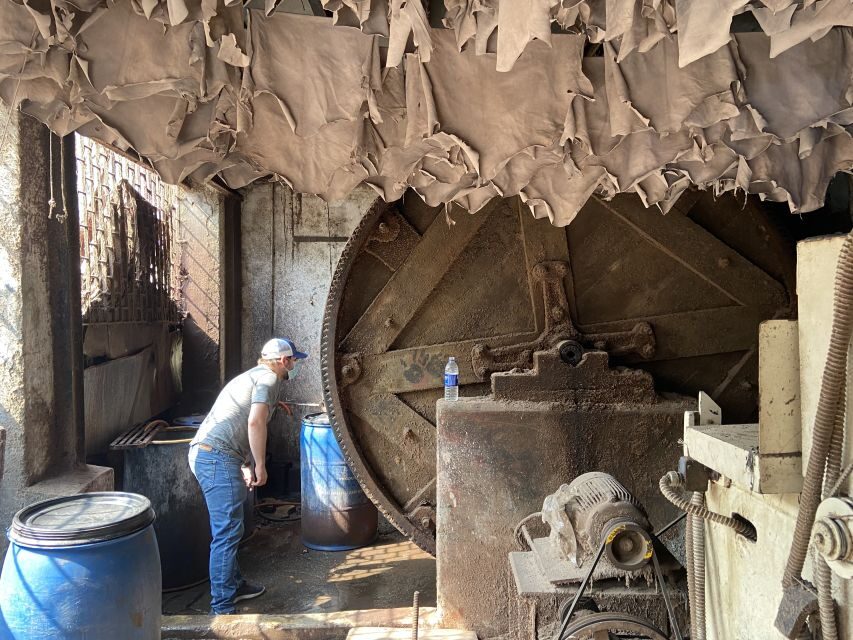
Your tour begins outside Third Wave Coffee—meet your guide there and arrive about 15 minutes early. Since there’s no hotel pickup, you’ll want to plan your commute with a little buffer. Mumbai traffic can be unpredictable, and you don’t want to show up flustered.
This tour works best if you travel light. You can’t bring large bags or luggage, and baby strollers are not allowed. The area you’ll walk through includes narrow lanes, so you’ll move faster—and feel less stressed—when you travel with just a camera, water, and the basics.
Bring a hat and comfortable shoes. Dhobi Ghat is an open-air stop, and Dharavi walking is on the street level. Even if it’s not blazing hot, you’ll appreciate shoes with grip.
Dharavi’s work zones: recycling, textiles, pottery, and more
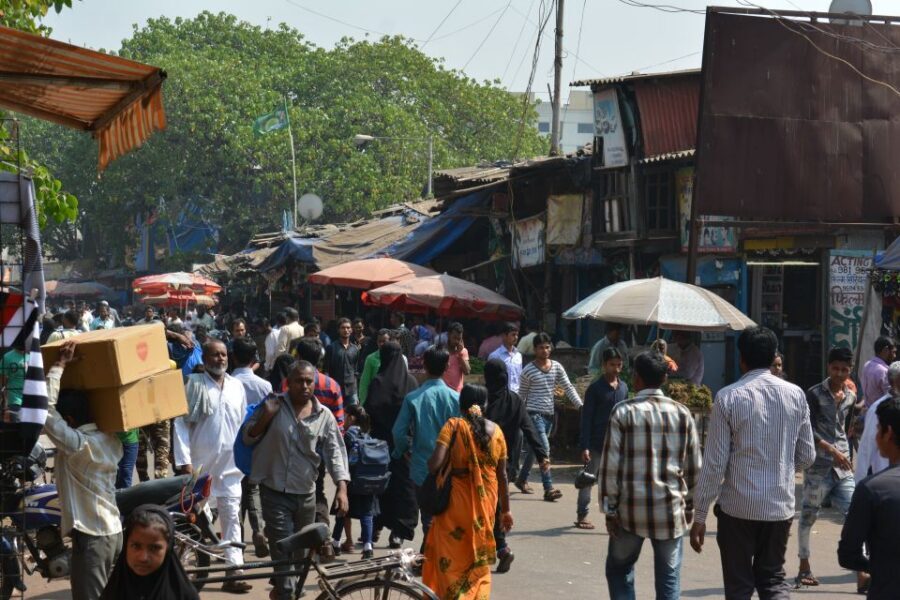
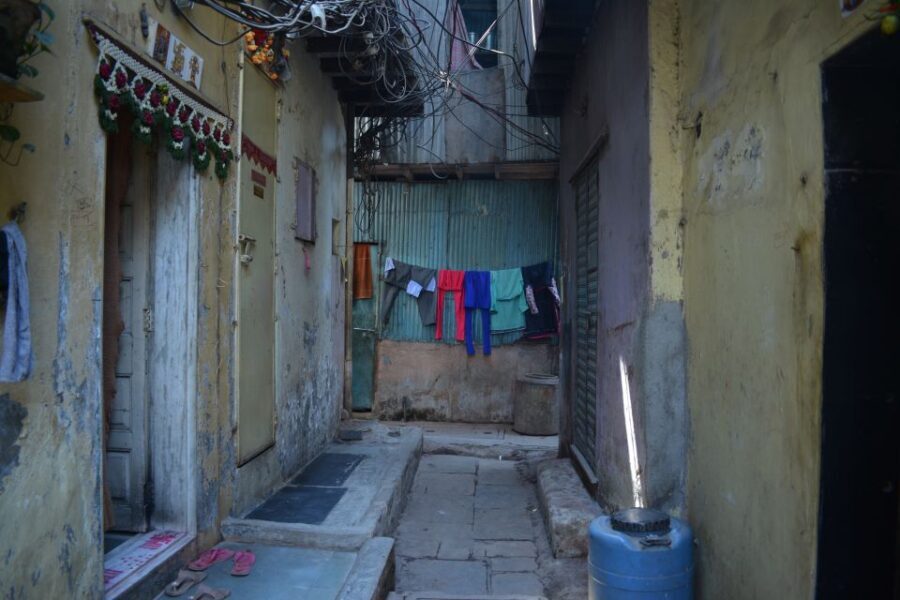
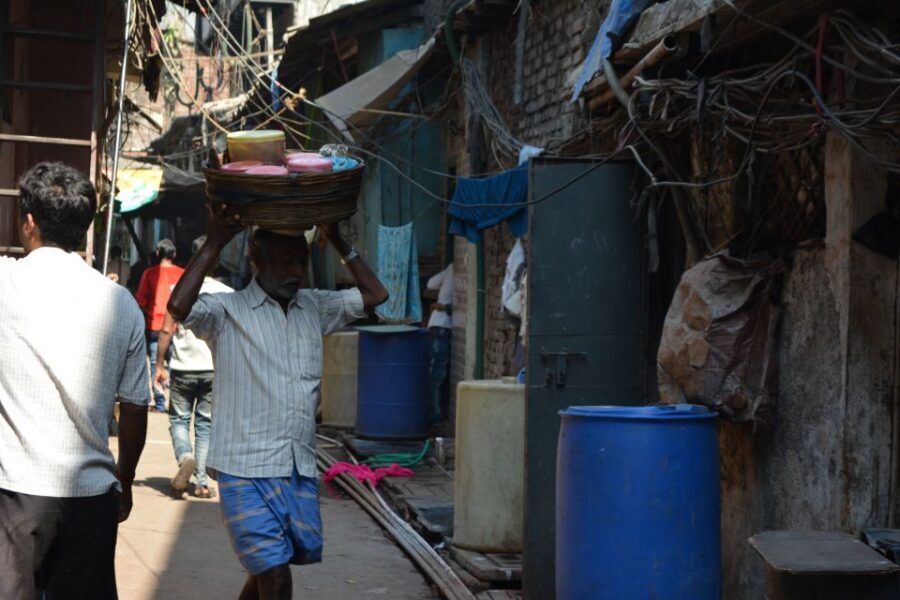
You spend about 2.5 hours in Dharavi on a guided visit and walk. That time matters. You’re not just passing through—you’re learning how residents are organized around production, trade, and recycling.
Here’s what you should expect the guide to point out as you go:
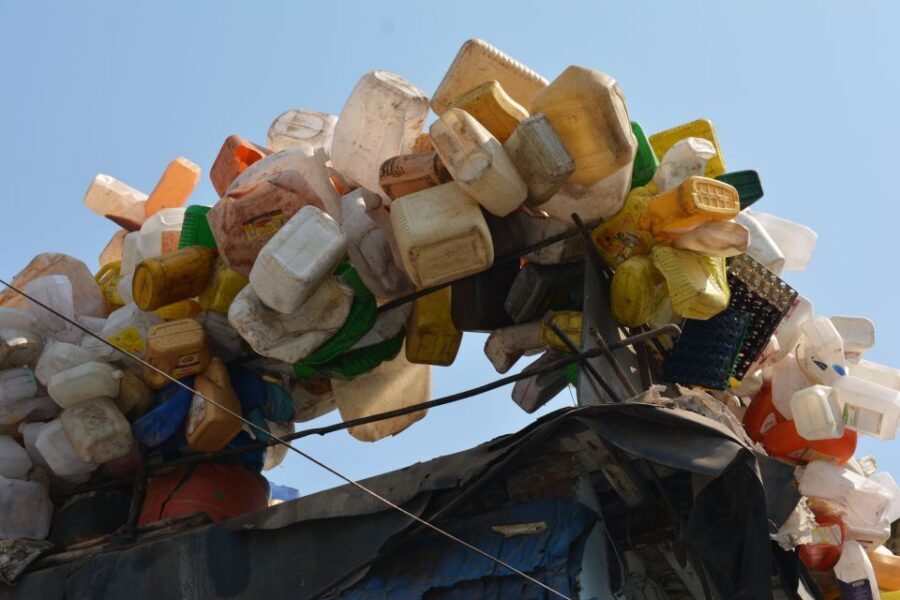
- Recycling practices that turn waste materials into valuable inputs
- Textile-related work and small production processes
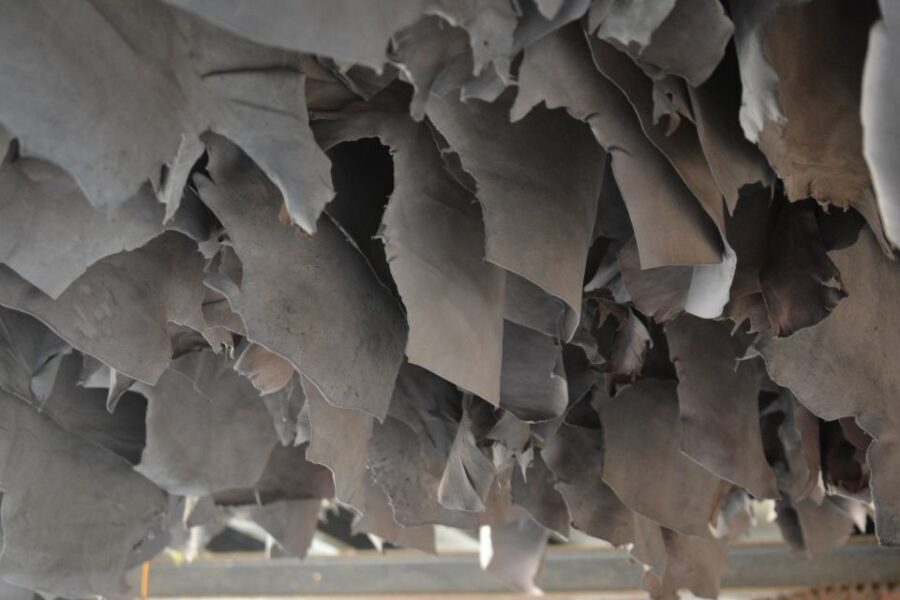
- Pottery and leatherwork (and other small-scale industries)
- How these activities connect to millions of dollars passing through the wider city economy
A key value of this stop is the way it reframes Dharavi. When you understand the industries, the place stops feeling like a single image and starts feeling like a living network of skills. You’ll also pick up how entrepreneurial people build systems with limited resources.
This is where good guiding makes a huge difference. Strong guides know how to explain the logic of production and supply chains without turning residents into props. Based on guide recommendations you’ll see (including Pooja, Anushka, and Varsha), the best tours emphasize work and practical details, plus room for questions.
Markets and handmade finds: what you can enjoy (and what to watch)
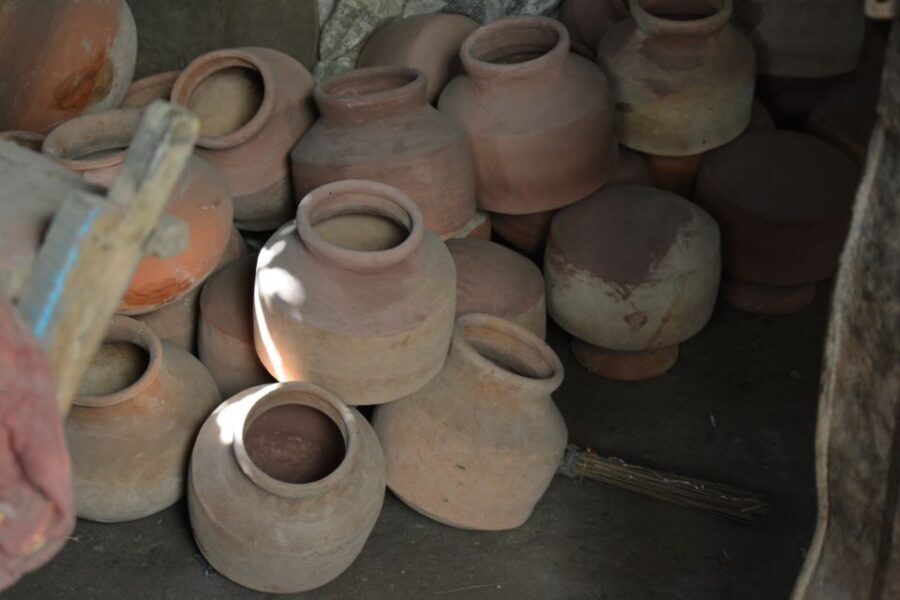
During your Dharavi portion, you’ll also encounter busy local markets where you can discover handicrafts and textiles. This is one of the places where you can feel the difference between cultural learning and shopping.
If you’re the type who likes buying a small souvenir, you’ll likely find interesting textures and materials here. But keep expectations grounded: this isn’t a curated bazaar with price tags and clear sales scripts. You’ll be in people’s working environment.
So do it the respectful way:
- Ask before taking close photos
- Follow the guide’s instructions on what’s appropriate to photograph
- If someone doesn’t want photos, move on without making it awkward
The best part isn’t a single purchase. It’s noticing how products move from hands to customers and how trades connect side-by-side.
Dhobi Ghat viewing deck: watching clothes run through a living system
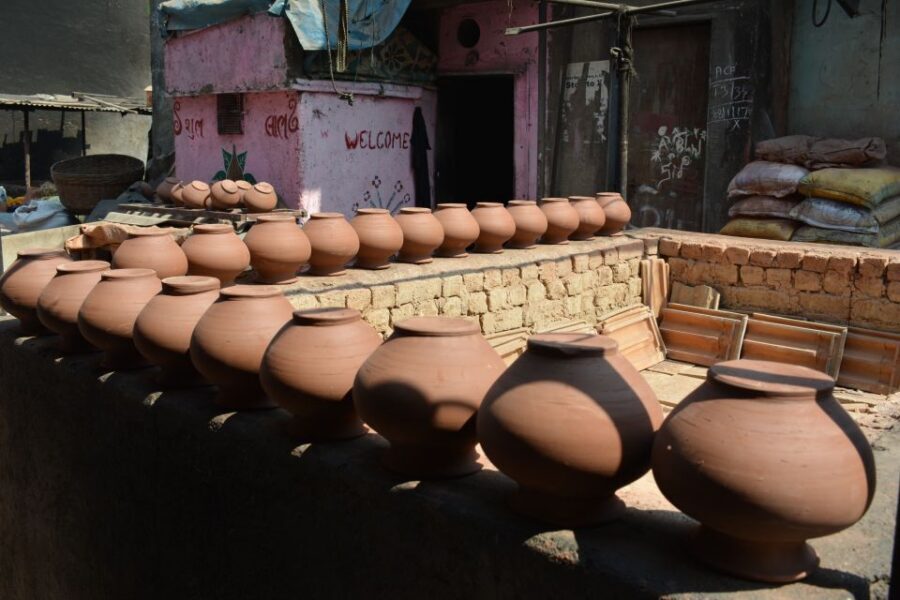
The tour ends at the Dhobi Ghat viewing deck, which is your best photo-friendly angle without getting in the way. Dhobi Ghat is known as the world’s largest traditional open-air laundry, and the layout is made for observation.
What you’ll see up close is the workflow:
- Clothes being washed
- Clothes being dried
- Clothes being ironed
- Clothes being sorted
The experience is interesting because it’s mechanical in rhythm, but human in execution. You’re watching how hundreds of washermen coordinate their work in one shared space. It doesn’t feel like a museum display—it feels like a working station.
How long this portion lasts can feel shorter than Dharavi. Since your tour specifically finishes at a viewing deck, you shouldn’t expect a full walk-through of every work area. Focus on what you can see clearly: the sequence, the pace, and the way drying and sorting keep the system moving.





The guides: why names like Pooja, Anushka, and Varsha show up often
This tour’s quality leans heavily on the person leading it. The included guide is English speaking, and multiple guide names come up with standout praise—especially Pooja, Anushka, and Varsha.
Across recommendations, the common thread is simple:
- They explain industries in a way that makes sense
- They handle questions well
- They guide you through photography etiquette and timing
- They keep the tone human, sometimes even funny, without losing respect
One of the most practical things a great guide does is control the photo rhythm. You’ll likely get clear instructions about when photography is okay and when you should step back. That’s not “boring rules.” It’s the difference between witnessing and interfering.
If you’re nervous about doing a slum tour, a strong guide is your safety net. The best ones don’t just point; they help you understand what you’re looking at.
Comfort, safety, and etiquette: make it easy for everyone
This tour runs rain or shine, so plan for weather. If rain is possible, bring a compact umbrella or wear something light that can handle getting wet. The tour also notes that restroom facilities may be limited, so use facilities before you go.
A few other important constraints:
- Wear comfortable shoes
- Bring a hat and camera
- Carry a reusable water bottle
- Don’t bring luggage or large bags
- No baby strollers
- This tour is not suitable for wheelchair users
- It’s also not suitable for people over 95 years
For etiquette, the big one is dignity. You’ll walk through residential areas, so don’t treat faces like props. Follow your guide’s instructions, keep your voice calm, and be okay with the fact that not everything will feel like a photo moment.
Safety is also about pacing. Narrow lanes and busy streets mean you’ll need to stay close to the guide, especially when crossing or turning.
Price and value: how $4.94 makes sense (and where you still spend money)
The listed price is $4.94 per person for a total duration of about 3 hours, and it includes:
- Entry tickets to Dharavi as the Asia’s largest slum experience
- An English-speaking tour guide
That’s where the value shows. A guided, in-the-street experience with paid access and an English guide usually costs more in most major cities. Here, a low ticket price makes the learning portion accessible for budget travelers—while the guide’s time and local knowledge are still part of the package.
What’s not included:
- Hotel pickup and drop-off
- Food and drinks
So you’ll likely spend a little on transit and a snack or drink either before or after. I’d treat this as a tour that fits best when you eat earlier, then plan a proper meal afterward.
Also, check what you’re buying. You’re not paying for a long private chauffeur-style tour. You’re paying for a short guided walking experience with one major visual finale at Dhobi Ghat.
Who should book, and who might not enjoy it
This is a great fit if you:
- Want an honest look at how Mumbai workers earn money and organize production
- Prefer explanations that focus on industry and economics over sensational scenes
- Like hands-on cultural learning with a real guide at your side
- Are comfortable walking in active street environments
Skip it (or choose something else) if you:
- Need wheelchair access (it’s not suitable)
- Have mobility limitations that make narrow-lane walking hard
- Don’t handle crowds or tight spaces well
- Want a slow, fully seated, museum-style experience
If you’re on the fence because a slum tour can feel uncomfortable, take heart: this one is designed around the economic side—work, production, and practical realities—so it’s less about voyeurism and more about understanding.
Should you book this Dharavi + Dhobi Ghat tour?
Book it if you want a short, low-cost tour that connects two layers of Mumbai labor in one day. The $4.94 price point is the big draw, but the better reason is the structure: guided Dharavi work plus a clear Dhobi Ghat viewing experience.
Don’t book it if you’re looking for an easy, fully accessible outing, or if you hate walking through crowded streets. Also be ready for rain or limited bathroom access—plan your timing and hydration.
My call: if you can handle a couple hours of walking with a respectful mindset, this tour is a smart way to learn how Mumbai turns raw materials—and daily routines—into livelihoods.
FAQ
Where is the meeting point?
Meet your guide outside Third Wave Coffee.
How long is the tour?
The duration is 3 hours total.
What’s included in the ticket price?
You get entry tickets to Dharavi and an English-speaking tour guide.
Are hotel pickup and drop-off included?
No. Hotel pickup and drop-off are not included.
Is food or drinks provided?
No. Food and drinks are not included, so plan to eat before or after.
What should I bring, and can I take photos?
Bring comfortable shoes, a hat, and a camera. Photography is allowed, but you should respect residents’ privacy and follow your guide’s photo instructions.
Is the tour accessible for wheelchair users or older adults?
No. It’s not suitable for wheelchair users, and it’s also not suitable for people over 95 years.