REVIEW · NEW DELHI
4 Day Golden Triangle with Ranthambore Tiger Safari Tour from Delhi
Book on Viator →Operated by Crystal India Holidays · Bookable on Viator
Four days across India feels impossible. Yet this tight Golden Triangle plus Ranthambore route makes it feel doable, with door-to-door pickup and local guiding. I especially love the sunrise Taj Mahal timing (plus the battery bus to save your legs) and the way the safari day is handled with practical timing and real on-the-ground wildlife rules. The one thing to factor in: monument entrance fees aren’t included, so your final spend will depend on what you choose to enter.
I like that you’re in a private vehicle sized for your group, with bottled water and hotel breakfast when you book the hotel option. And I appreciate the “real world” notes built into how Ranthambore works, like safari zones being assigned based on availability and tiger sightings depending on luck.
In This Review
- Key Things I’d Plan Around Before You Go
- How This 4-Day Golden Triangle + Ranthambore Run Really Feels
- Day 1 in Delhi: Qutub Minar, Lotus Temple, India Gate, Stepwell Corners
- Day 2: Sunrise Taj Mahal, Agra Fort, Baby Taj, Then On to Ranthambore
- Day 3: Ranthambore Safari Rules You Should Understand Before You Hope for a Tiger
- Day 4 in Jaipur: Amer, Jal Mahal Views, City Palace, Jantar Mantar, Hawa Mahal, Gaitore
- Price and the Real Budget: What $289.58 Covers, and What You’ll Still Pay
- Hotels, Meals, and Comfort Tips That Make the Trip Feel Premium
- Safari Expectations: How to Think About Tiger Odds in Ranthambore
- Customization: When You Should Ask to Adjust the Plan
- Who This Tour Fits Best (And Who Might Feel Cramped)
- Should You Book This 4-Day Golden Triangle + Ranthambore Tour?
- FAQ
- What’s included in the tour price, and what entrance fees should I budget for?
- Are hotel nights included for all travelers?
- What kind of vehicle do you use for the Ranthambore safari?
- Is a tiger sighting guaranteed in Ranthambore?
- Is Lotus Temple always included in the Delhi portion?
- Do I need to bring a passport for this trip?
- What time do you return to Delhi on the last day?
Key Things I’d Plan Around Before You Go
- Sunrise Taj Mahal saves you from daytime crowds and heat, and the battery bus cuts the walk from the parking area.
- Ranthambore safari is shared (jeep or canter), so you’re not guaranteed a tiger, but you are in the right system for the park.
- Private guiding in each city helps you get the meaning behind Qutub Minar, Agra Fort, and Jaipur’s forts and observatories fast.
- Your car matches your group size, whether you’re 2 people in a sedan or a small group in a van.
- Lotus Temple is free but closed on Mondays, so the day you travel matters.
How This 4-Day Golden Triangle + Ranthambore Run Really Feels

This is the kind of trip that packs a lot, but it’s not chaotic. Your day is built around efficient driving between Delhi–Agra–Ranthambore–Jaipur, then structured sightseeing blocks with local guides.
The big value is that you’re not stuck solving India logistics between cities. You’re picked up, dropped off, and driven in an air-conditioned private vehicle, with bottled water during travel and day guiding at the main stops.
A few more New Delhi tours and experiences worth a look



Day 1 in Delhi: Qutub Minar, Lotus Temple, India Gate, Stepwell Corners
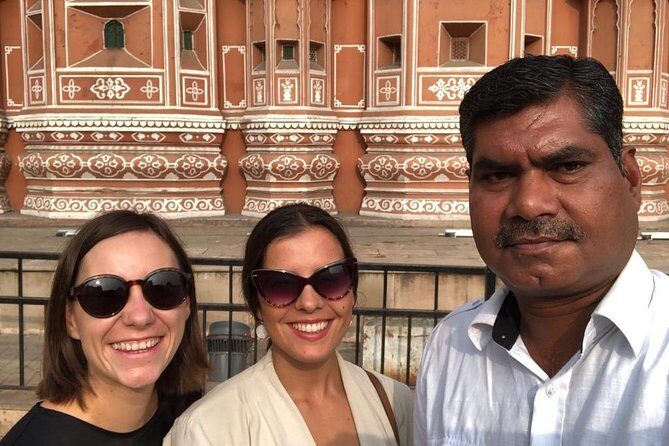
You start with pickup from your Delhi hotel, the airport, or another chosen location in Delhi, Noida, or Gurugram. Then the day kicks off with Qutub Minar, one of Delhi’s most famous monuments, where you’ll need to plan for the entry fee since it’s not included.
Next comes Lotus Temple, a striking Bahá’í House of Worship that’s free to enter. There’s one practical catch: it stays closed every Monday, so if your schedule lands on a Monday, expect that stop to shift or be skipped.
India Gate is short and simple, a memorial area in central Delhi where you’ll also find no entry fee. Then you get two classic government-architecture drive-bys: Parliament House and Rashtrapati Bhavan, viewed from the road since that’s how most visitors do it.
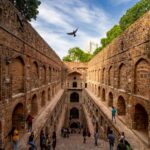
I like the quieter stop at Agrasen Ki Baoli, an ancient stepwell tucked away and easy to miss if you’re traveling on your own. It’s the kind of place that makes the loud monuments feel balanced.
You’ll also get a lunch opportunity with local food on the way toward Agra, and then check into your Agra hotel for the night.
Day 2: Sunrise Taj Mahal, Agra Fort, Baby Taj, Then On to Ranthambore
Day 2 is built for early starts, because sunrise is the whole point for the Taj Mahal. You’ll head out for the sunrise Taj Mahal visit with a guided experience, and the tour includes the battery bus ride to and from the Taj parking area.
That battery bus detail matters more than it sounds. At dawn, you’re usually standing in lines and walking in a lot of heat and dust later in the day, so saving steps gives you a better chance to enjoy the moment instead of just surviving it.
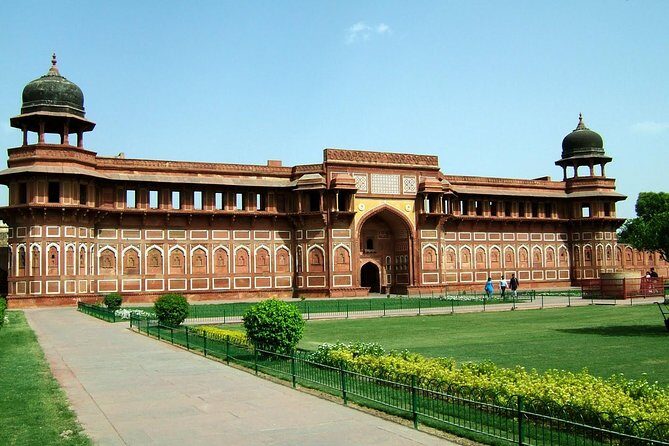
After the Taj, you move through Agra Fort, a UNESCO World Heritage site with Mughal-era power on full display. Then you’ll see Itmad-ud-Daula, often called the Baby Taj, which is smaller but very rewarding if you like fine detail.
From there, you travel onward to Ranthambore. You check into your hotel and get time to settle in, which is important because the next morning’s safari start comes quickly.
Day 3: Ranthambore Safari Rules You Should Understand Before You Hope for a Tiger
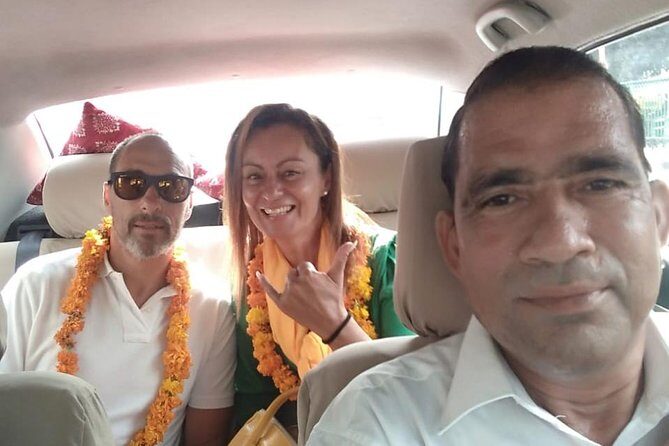
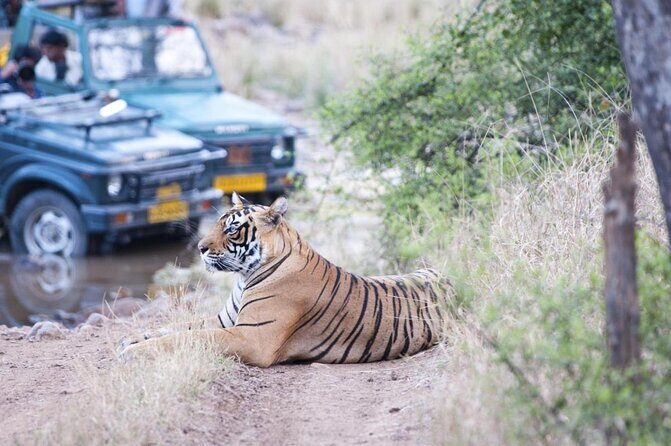
Ranthambore is the reason many people book this route, so it’s worth understanding how the day is structured. You go in the morning for a safari in shared jeep or shared canter, and the safari itself is included.
A few practical realities are built into the plan:
- Safari zone is assigned based on availability through park operations.
- The safari guide is English-speaking, but fluency can be limited depending on who’s assigned.
- Tiger sightings depend on luck, so plan to enjoy wildlife and nature even if a tiger doesn’t appear in your zone.
In the real world, safari zones can vary. If you’re unlucky in your assigned zone, other zones may still see tigers during the same overall time window, so the best approach is to keep expectations grounded and stay present.
The good news is that you’re not just sitting in a vehicle. You’ll spend about 2 to 3 hours in the safari area (the tour schedule shows roughly 3 hours total time on safari), moving through forest and dry areas with a trained local system.
After your safari, you’ll head to Jaipur and check in. The rest of the day is open for you to enjoy at leisure, with the expectation you’ll be refreshed enough to take in Jaipur’s evening vibe without another long guided marathon.
Day 4 in Jaipur: Amer, Jal Mahal Views, City Palace, Jantar Mantar, Hawa Mahal, Gaitore
Jaipur is where you trade “one big landmark” for multiple styles of old India in a single day. After breakfast, you start at Panna Meena ka Kund, a stepwell that’s short but visually memorable.
Then it’s Amer Palace, a UNESCO site and usually one of the top stops in the city. The tour gives you a focused guided window here (about 2 hours), and this is where you’ll feel the scale of Rajput architecture and planning.
You’ll also get Jal Mahal, the water palace on Man Sagar Lake. It’s described as a tour stop here, which usually means you’ll see it from the most visitor-friendly angles and learn how it fits into the landscape.
City Palace is next, with about 2 hours scheduled and entry not included. This one can be a lot to absorb, but it’s worth it if you like how royal spaces worked—rooms, courtyards, and the logic of a palace complex.
After that comes Jantar Mantar, a UNESCO World Heritage site with ancient astronomical instruments. Expect a guided explanation because the structures are easier to appreciate when someone tells you what you’re actually looking at.
You then get Hawa Mahal as a convenient drive-by. It’s the classic façade, so don’t plan for a long visit here, plan for a photo and a quick architectural moment.
The day ends with Gaitore Ki Chhatriyan, royal crematoriums for Jaipur’s Maharajas, followed by the drive back to Delhi. The schedule shows you returning around 9 pm, and the operator notes you can ask to adjust the timing earlier or later.
A few more New Delhi tours and experiences worth a look



Price and the Real Budget: What $289.58 Covers, and What You’ll Still Pay

At $289.58 per person, this trip is aimed at value: private car, local guides, hotels for three nights if you choose the hotel option, and the Ranthambore safari. You’re also getting bottled water during the drive days and at least one dinner at your hotel in Ranthambore.
The biggest “not included” cost is monument entrance fees. The information provided estimates entrance fees around ₹5,000 per person for all monuments. That’s why two people can pay very different totals even with the same tour price—what you enter, and how you plan your time, changes the math.
Also note that several major sites list admission tickets as not included in the schedule details, including places like the Taj Mahal and others. Your guides do help with ticket purchase so you’re not stuck waiting in lines, but you’ll still want cash or a card ready for those fees.
If you want the simplest budget, add a cushion for entries and keep your day’s pace flexible. This tour gives you the structure, but it can’t erase India’s ticket system.
Hotels, Meals, and Comfort Tips That Make the Trip Feel Premium
This tour can include three nights of accommodation, and the breakfast is included daily when you book the hotel option (with breakfast noted as 3). You’ll also get dinner once in Ranthambore.
Room setup is generally twin-sharing. If you’re booking as 3 people, rooms default to triple-sharing unless you pay extra for 2 rooms, so check how that works for your group size before you lock it in.
From the experiences shared with this tour, the service level can be a highlight. People name drivers like Madan, Rajesh, Paramjeet, Manu, Surinder, and Sohan for being prompt and keeping things smooth on India roads. Guides are also frequently praised by name in Delhi, Agra, and Jaipur, including Himashu/Himanshu in Delhi and Narender in Agra, with Raghu mentioned for Jaipur guiding support.
A comfort note for Ranthambore: safaris are often in shared vehicles that can feel colder than you expect, especially in winter. If you’re going in the morning, bring a light layer even if Delhi has you thinking you’re fine in shorts.
Safari Expectations: How to Think About Tiger Odds in Ranthambore
The operator is clear: spotting a tiger largely depends on luck. That’s not a sales line; it’s the reality of wildlife and how sightings happen across different zones.
What you can control is your mindset and preparation. Go in expecting a full wildlife morning: deer, birds, and all the smaller drama in the forest ecosystem. Even if a tiger doesn’t show up in your zone, the park itself is still doing something unique every time it’s open.
The safari vehicle is another factor. The plan is usually a shared jeep, but if jeep capacity is limited, you may be placed in a shared canter. That usually means a different ride feel, and it can also affect how close you feel to the action—so adjust expectations and focus on the whole experience.
If you do see a tiger, you’ll know why people chase this park. One key detail: the tour system is set up for tiger safari operations, not a private animal guarantee, so your best strategy is to stay flexible and enjoy whatever arrives.
Customization: When You Should Ask to Adjust the Plan
This trip is described as 100% customizable, which matters because the Golden Triangle can feel fixed until you’re in the middle of it. If something changes—like your safari outcome, weather, or what you want more time for—you can request schedule adjustments after booking.
The practical advantage is that you’re working with drivers and guides who can handle re-ordering your day without turning it into chaos. People specifically describe shifting plans when tiger sightings were difficult, adding alternate wildlife experiences instead.
If you’re traveling with kids, are older, or you hate long walking days, ask early about pace changes. Heat and early mornings are the main strain points, and your schedule can usually bend around your comfort as long as the days are still realistic.
Who This Tour Fits Best (And Who Might Feel Cramped)
This is a smart fit if you want highlights without public-transport headaches. You’ll like it if you enjoy history and architecture but still want one nature anchor day in Ranthambore.
It’s also a good choice for solo travelers and couples. The tour information explicitly says it’s safe and comfortable for solo travelers, seniors, couples, and families with kids, with 24/7 support available.
Where it might not fit: if your ideal vacation is slow, long meals, and zero rush, you’ll feel the driving time. You cover a lot of distance in four days, and even with an A/C vehicle, the schedule keeps moving.
Should You Book This 4-Day Golden Triangle + Ranthambore Tour?
Yes, if you want a structured, efficient way to hit Delhi, Agra, Jaipur, and Ranthambore in one shot—without juggling transport between cities yourself. The value is strongest when you take it for what it is: private guiding, solid hotel support, and a Ranthambore safari run where you get the real system, not a promise.
Book it with a clear budget for entrance fees and with tiger expectations set to realistic. If you do that, you’ll likely come away with two kinds of memories: first, the big iconic monuments you came for, and second, the less-predictable Ranthambore wildlife morning that’s never fully repeatable.
FAQ
What’s included in the tour price, and what entrance fees should I budget for?
The tour price includes private transport in an air-conditioned vehicle, hotel/airport pickup and drop-off, private local guides, breakfast (if you book with hotels), and the Ranthambore tiger safari. Entrance fees for monuments are not included, and the provided estimate is around ₹5,000 per person for all monuments.
Are hotel nights included for all travelers?
Accommodation is included for three nights only if you book the option including hotels. If you book without hotels, you’ll still be picked up and dropped off at your booked hotels in each city.
What kind of vehicle do you use for the Ranthambore safari?
The safari is in a shared jeep or a shared canter, depending on availability. The safari guide is English-speaking, but fluency can be limited depending on who is assigned.
Is a tiger sighting guaranteed in Ranthambore?
No. The information provided is that spotting a tiger largely depends on luck, and tiger sightings are not guaranteed.
Is Lotus Temple always included in the Delhi portion?
Lotus Temple is part of the planned stops and entry is free, but it remains closed every Monday. If your trip is on a Monday, this stop may not be possible.
Do I need to bring a passport for this trip?
Yes. A current valid passport is required on the day of travel.
What time do you return to Delhi on the last day?
On the fourth day, you return to Delhi by around 9 pm. If you prefer a different arrival time, you can inform them so they can adjust the schedule.