REVIEW · MUMBAI
Mumbai Markets and Temples Tour
Book on Viator →Operated by Reality Tours & Travel Pvt Ltd · Bookable on Viator
Mumbai is a sensory shortcut.
This 2.5-hour walk links Crawford Market shopping with a temple pause at Mumbadevi and a visit to the Bombay Panjrapole cow sanctuary, all with guide commentary on daily life in South Mumbai.
I especially liked the practical, street-level guidance—so you don’t feel lost in the crowds—and the chance to see how Hindu worship works in real time at Mumbadevi Temple, including the option to receive prasad. The cow sanctuary stop also adds a meaningful, gentler side to a shopping-heavy afternoon.
One thing to consider: this tour moves at a market pace. If you want to browse slowly (or you’re sensitive to what you might see at a meat/produce market), the timing can feel a bit fast, and you may prefer to step back from certain displays.
In This Review
- Key highlights worth your attention
- Why this South Mumbai walk is easier than it looks
- Meeting point at Regal Cinema, then walk your way south
- What to wear for markets and temples (and why it matters)
- Stop 1: Crawford Market for wholesale smells, architecture, and street-level goods
- Stop 2: Mangaldas Market for fabrics that power weddings and Diwali
- The temple reset at Mumbadevi Temple (prasad optional)
- Stop 4: Bombay Panjrapole cow sanctuary in the city center
- How the guide changes the whole experience
- Shopping without getting overwhelmed
- What you get for the price: $27.97 value check
- Who this tour suits best (and who might want to skip)
- Practical tips to make the most of the 2.5-hour window
- Should you book this market-and-temple tour?
- FAQ
- How long is the Mumbai Markets and Temples Tour?
- Where do I meet the guide and where does the tour end?
- What stops are included on the tour?
- What’s included in the price?
- Is food included?
- Is there a dress code?
- Can I cancel for a full refund?
Key highlights worth your attention
- 3:30 pm start in Colaba: a late-afternoon route through South Mumbai’s main shopping streets
- Crawford Market details: Gothic/Romanesque architecture plus the market’s long-running wholesale vibe
- Mangaldas Market textiles: a real place where locals and designers source cloth for weddings and festivals
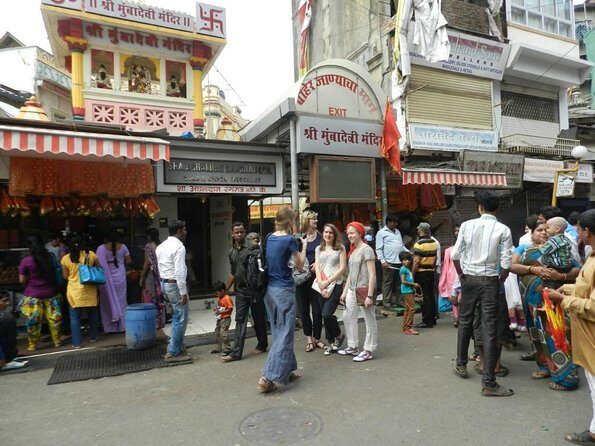
- Mumbadevi Temple inside visit: guidance on Hindu basics and the prasad option
- Bombay Panjrapole cow sanctuary: a focused stop for animal welfare in the middle of the city
- Small group feel (max 25) with an English-speaking guide and water/cold drink included
Why this South Mumbai walk is easier than it looks
This tour is built for travelers who want the city’s everyday rhythm without spending hours trying to figure out where to go. You’re walking through major local markets, then adding two culture-and-values stops that break up the shopping energy.
At 2 hours 15 minutes, the time also works with Mumbai weather. Several people commented on how the length felt like the right match for a hot afternoon, which tells me the pacing is meant to keep you from burning out.
You can also read our reviews of more tours and experiences in Mumbai.

Meeting point at Regal Cinema, then walk your way south
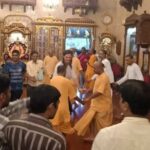
You meet at Regal Cinema, Colaba Causeway (opposite the Chhatrapati Shivaji Maharaj Vastu Sangrahalaya). The start time is 3:30 pm. The tour ends at Charni Road Railway Station in Girgaon, so you can continue your evening without needing to backtrack across town.
The end point matters. Charni Road is usually a smoother “leave the area” location than being dropped deep inside the market maze. And the guide can help you with transport options afterward, like a taxi or train.
What to wear for markets and temples (and why it matters)
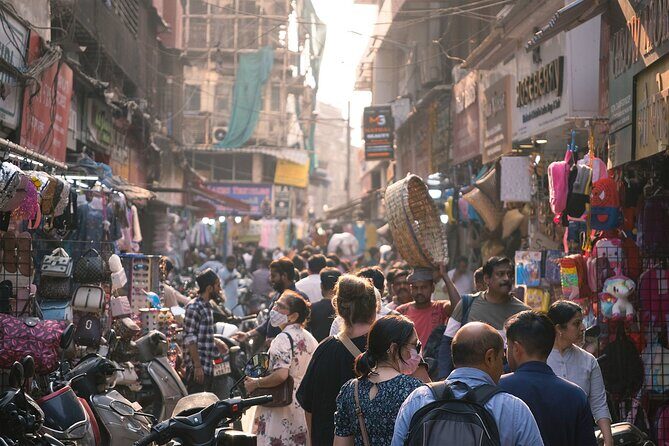
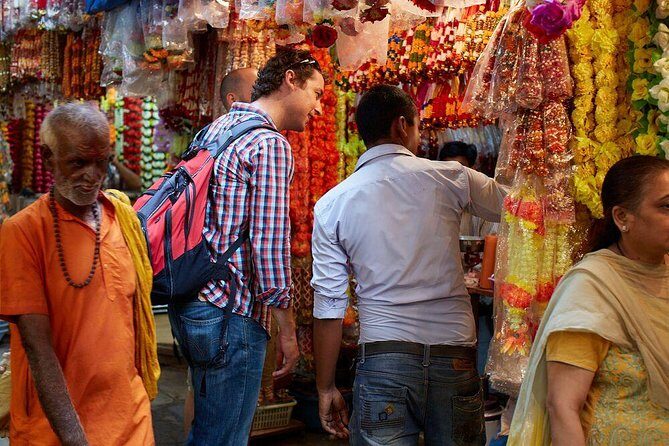
Mumbai’s markets are not the place for fancy outfits. You’ll want modest, respectful clothing that covers shoulders and knees throughout the day. Shoes should be practical—think walking comfort over style.
A conservative dress code is also part of temple etiquette, especially if you step inside Mumbadevi Temple. If your clothing is borderline, you’ll feel it immediately, because people will be watching what’s appropriate at the entrance.
Stop 1: Crawford Market for wholesale smells, architecture, and street-level goods
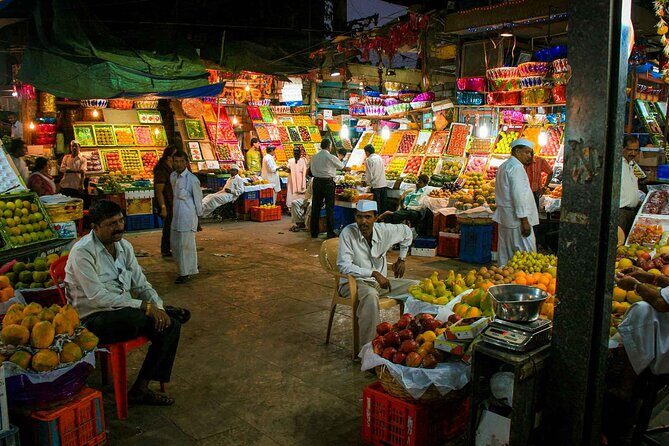
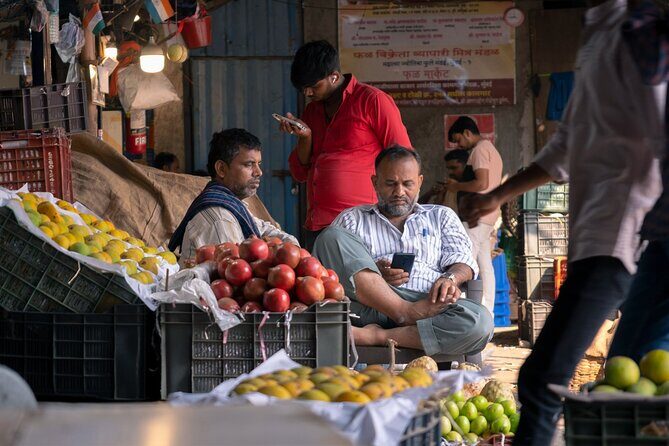
Your first stop is Crawford Market, a major fruit, vegetable, and meat wholesale market. It dates to 1871, and it’s known for its Gothic and Romanesque features—a reminder that South Mumbai’s market life grew up alongside big civic development.
What you’ll actually notice (fast) is the range of things sold and displayed. You may see colorful produce, meats, imported cheeses, homemade chocolates, and household goods—plus all the hustle that makes this place feel like a working machine.
One important note: some endangered and exotic animals are sold at Crawford Market. If that’s a deal-breaker for you, go in with awareness. You can keep your eyes on what you came for, and you’re not required to linger around any section that crosses your comfort line.
Why this stop is valuable: it shows the market system from the ground up. You’re not shopping in a tourist bubble—you’re seeing how bulk supply and everyday food choices come together in one spot.
Stop 2: Mangaldas Market for fabrics that power weddings and Diwali
Next is Mangaldas Market, which opened in 1893. This is one of Mumbai’s main indoor textile zones, described as the largest wholesale textile market in the city.
Here, the shopping story shifts. Instead of produce and goods, you’re looking at fabrics used for special occasions like weddings and Diwali. The best part is that you get context from the guide: the cloth sold here is the same kind that famous fashion designers purchase for their creations.
Even if you don’t plan to buy cloth, this stop is great for understanding Mumbai’s clothing ecosystem. The way tailors and wholesalers operate is easier to grasp when you can see the environment where fabric choices are made.




The temple reset at Mumbadevi Temple (prasad optional)
After the markets, you get a breather: Mumba Devi Temple (Mumbadevi Temple). This is the historic temple that shares its name with Mumbai, and it functions like a living anchor for the city.
Inside, your guide explains key basics of Hinduism—the dominant religion in India—and you may see devotees being blessed by Hindu priests. If you’re up for it, you can receive prasad, which is essentially a blessing offered during worship.
Practical etiquette tip: keep your shoulders and knees covered, move calmly, and follow your guide’s cues. Temple spaces have their own pace, and the goal isn’t sightseeing—it’s respectful participation in a religious moment.
Why I like this stop for first-timers: it turns the day from shopping only into a deeper look at what people center their time around. Markets reflect consumption. Temples reflect meaning.
Stop 4: Bombay Panjrapole cow sanctuary in the city center
The final major stop is Bombay Panjrapole, an animal shelter focused on the welfare of more than 350 cows. Cows are sacred in Hinduism, and that’s where the visit becomes more than a quick photo stop.
In this sanctuary setting, you’ll see how devotees approach animal welfare as part of faith. The tour frames it as people caring for sacred cows to increase their karma, which gives you the religious and cultural logic behind why this place exists right in the middle of South Mumbai.
This is also the part of the tour that tends to feel emotionally different from the markets. The pace slows slightly, and you’re more likely to remember the experience as something human and compassionate rather than just busy and loud.
Practical advice: behave quietly and follow the guide. Don’t treat the cows like an attraction. Think of this as a welfare space first.
How the guide changes the whole experience
This tour lives or dies by the guide, and the reviews are strong on that point. Multiple names came up in feedback, including Sabina, Sabin, Nilesh, Biju, Bipin Kumar, Cham, Jaden, and Chetan—and the consistent theme was that guides help you stay comfortable and safe while navigating crowded areas.
Here’s what that usually looks like on the ground:
- You’re steered away from people who may try to take advantage of tourists.
- You can ask questions and get clear answers about what you’re seeing.
- You don’t have to figure out which turns lead where, which matters in market side streets.
One reviewer even noted respectful handling when beggars followed the group—useful to know because Mumbai’s busy streets can bring extra attention. A calm guide helps you keep moving without feeling pressured.
Shopping without getting overwhelmed
Markets can cause two problems: decision overload and impulse buying. This tour doesn’t fix those temptations, but it helps you make better choices.
A few ways to stay in control:
- Decide your goal before you arrive: fabrics, snacks, spices, or just photos and learning.
- Spend your time where the guide shows you context first, then explore afterward if you have energy.
- Don’t feel forced to buy at every stop. The point is understanding how locals source goods.
Also, keep in mind that time is limited at each location. Some people felt they wanted more browsing time. So if shopping is your main mission, treat this as a “get oriented fast” tour—not an unlimited market wandering pass.
What you get for the price: $27.97 value check
The tour costs $27.97 per person and typically is booked about 16 days in advance on average. Duration is about 2 hours 15 minutes. It includes a local English-speaking guide and water/cold drink, and it uses mobile tickets.
The big value lever is that admission tickets at the stops are listed as free. Since you’re paying mainly for guided time and route planning, the math is simple: you’re buying convenience plus cultural context, not museum entries.
Group size is capped at 25 travelers, which helps keep the experience manageable. Some reviews mentioned very small groups (including groups of four), which usually means more chances to ask questions and adjust pacing.
If you want to do two markets plus a temple plus a sanctuary in one organized walk, the price feels reasonable. If you’re only looking for a single market, you could do it on your own—but you’d lose the cultural explanations and the safety/navigation help.
Who this tour suits best (and who might want to skip)
You’ll probably love this tour if you:
- Want a guided introduction to South Mumbai markets like a local route, not a random shopping spree
- Enjoy structured stops that teach you what’s culturally important (temple + cow sanctuary)
- Prefer a late-afternoon walk with a clear meeting and finish point
You might hesitate if:
- You hate fast-paced market movement and want long browsing sessions
- You’re uncomfortable with the fact that Crawford Market has notes about endangered/exotic animals sold in some areas
- You’re hoping for a food tour. Food isn’t included, though some routes can include a quick street-snack pause.
Practical tips to make the most of the 2.5-hour window
- Bring small cash for any items you decide to buy. The tour doesn’t include shopping expenses.
- Carry a light layer. You’ll be walking outdoors, and interiors can feel cooler or warmer depending on the day.
- Use the guide for questions about what you’re seeing. Text on signs can be harder than a human guide.
- If you need extra time in a market, say so early. Some visitors felt the flow could be rushed, so communicating your preference at the start helps.
Should you book this market-and-temple tour?
I think you should book this tour if you’re new to Mumbai and want a smart, time-efficient way to understand how people shop, worship, and care for animals in the same afternoon. The standout strengths are the market orientation, the Mumbadevi Temple stop with real religious context, and the Bombay Panjrapole visit that adds heart to the day.
Skip it if you’re mainly chasing long browsing time or you’re strongly uncomfortable with what may appear in a wholesale market environment. For everyone else, this is a good value route: clear stops, short walking segments, a guide who helps you stay comfortable, and three very different kinds of Mumbai life in one outing.
FAQ
How long is the Mumbai Markets and Temples Tour?
It’s approximately 2 hours 15 minutes.
Where do I meet the guide and where does the tour end?
You start at Regal Cinema, Colaba Causeway (opposite Chhatrapati Shivaji Maharaj Vastu Sangrahalaya, Apollo Bandar, Colaba). The tour ends at Charni Road Railway Station, Girgaon.
What stops are included on the tour?
The tour includes Crawford Market, Mangaldas Market, Mumbadevi Temple, and Bombay Panjrapole (cow sanctuary).
What’s included in the price?
The tour includes a local English-speaking guide and water/cold drink.
Is food included?
No. Food is not included.
Is there a dress code?
Yes. A conservative, modest dress code is recommended, covering shoulders and knees.
Can I cancel for a full refund?
Free cancellation is available up to 24 hours before the experience start time for a full refund. If you cancel within 24 hours, the amount paid is not refunded.