REVIEW · GOA
The Goan Hinterland Experience in South Goa
Book on Viator →Operated by Soul Travelling · Bookable on Viator
Goa changes when you leave the beach. This South Goa hinterland walk takes you through village lanes and into ancient rock sanctuaries. I really like the small-group pace with personal attention, and I love the way local guides like Rajat and Medora turn plain facts into street-level stories. One thing to plan for: private transportation isn’t included, and you’re asked to have transport for the whole experience.
In about 3 hours 30 minutes, you start at a temple meeting point in the Quepem–Rivona area, get an intro at Zambaulim, then head to Rivona Buddhist Caves and the Usgalimal rock carvings by the Kushavati River. You’ll also get guided storytelling as you pass churches and houses in the Saligao area, with snacks and small “Soul Travelling goodies” added in.
The value is strong for the price point, especially because admission fees for the main heritage stops are included and the group stays small (max 15). Just remember the tour depends on good weather, and heritage sites may require attire that covers knees and shoulders.
In This Review
- Key things to know before you go
- Getting your bearings at the temple meeting point
- Zambaulim intro: the “why” before the “what”
- Rivona Buddhist Caves: laterite sanctuaries from the 6th/7th century
- Usgalimal rock carvings: prehistoric art on the Kushavati
- The Saligao village walk: churches, houses, and everyday history
- Snacks, “Soul Travelling goodies,” and the feel of the day
- Price and value: is it worth $16.76?
- Who this tour suits best (and who should skip it)
- Should you book the Goan Hinterland Experience?
- FAQ
- How long is the Goan Hinterland Experience in South Goa?
- Is this a guided tour and how big is the group?
- What’s included in the price?
- Are admission tickets included for the caves and rock carvings?
- What should I wear for this experience?
- Do I need my own transportation?
Key things to know before you go

- Small-group setting (max 15): gives you room to ask questions and actually hear the guide.
- Guides bring it to life: local experts such as Rajat, Medora, and Pankaj have led this experience.
- Rivona’s caves and Usgalimal carvings: laterite rock-cut sanctuaries plus prehistoric petroglyphs.
- Snacks included: expect refreshments during the walk, plus Soul Travelling goodies.
- You’ll need your own transport: private transportation is not included, and you’re expected to manage for the full time.
Getting your bearings at the temple meeting point
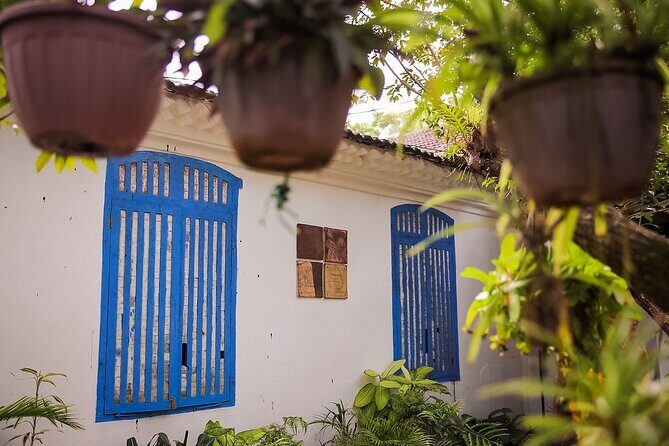
This tour starts at Shree Ramnath Damodar Sansthaan (the meeting point is listed in Goa, in the Zambaulim/Quepem–Rivona area). It’s a good setup for orientation because you begin with something you can recognize and respect right away: a local religious landmark that anchors the day.
From there, the experience moves into the countryside with a guide leading the narration. You’re not just walking from one photo spot to another. The rhythm is meant to help you understand where you are—how villages are shaped, how sacred spaces and homes sit side-by-side, and why the hinterland matters in Goa’s story.
If you’re the type who likes to know what you’re looking at while you’re looking at it, you’ll feel at home here. And if you’re tired of sand-and-sun pacing, this gives you a change of scenery without being exhausting.
You can also read our reviews of more tours and experiences in Goa.



Zambaulim intro: the “why” before the “what”
Stop one is Zambaulim, where there’s an introduction to the experience by the ambassador. It’s brief—about 10 minutes—but it sets the tone. You get the big picture first, so the later stops feel connected instead of random.
Admission here is listed as free, so you’re not hit with extra entry costs right at the start. This is also where the guide’s style matters: good ambassadors don’t just read facts. They help you notice details you’d normally walk past, like the way religious sites and village life share space.
I like the practical design of this step. You’re not committing to a long hike immediately—you’re getting oriented.
Rivona Buddhist Caves: laterite sanctuaries from the 6th/7th century
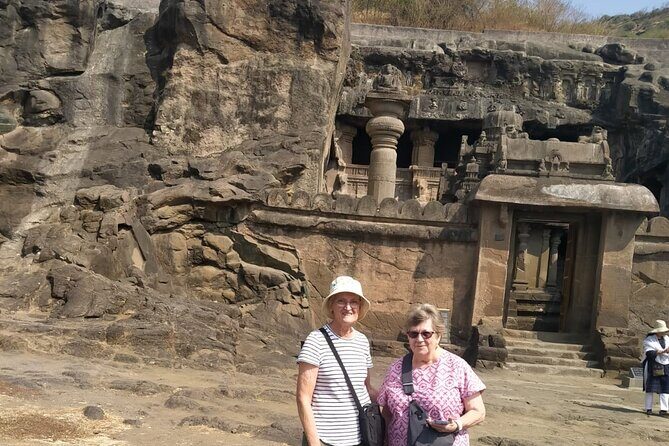
Next comes Rivona Buddhist Caves, sometimes called the Pandava Caves. The setting does the heavy lifting at first glance: these are described as ancient, rock-cut sanctuaries carved into laterite. The dates given are around the 6th or 7th century CE, which is the kind of timeline that makes Goa feel much older than most people assume.
The tour keeps your time here to about 20 minutes, which is important. These caves aren’t built for a slow museum stroll. They’re for a guided look—enough time to understand what you’re seeing and then move on before the day feels rushed.
What makes this stop satisfying is the combination of:
- the unusual rock material (laterite)
- the idea that this place is both sacred and historically specific
- the guide’s narration that ties the site to the people who lived in the area across generations
Also, because this is a heritage stop, plan your outfit. The tour notes that temples and heritage sites may require attire that covers knees and shoulders. If you’re arriving in beachwear, bring a light cover-up so you don’t have to think about it mid-walk.
Usgalimal rock carvings: prehistoric art on the Kushavati
Right after the caves, you’ll head to the Usgalimal rock carvings. These petroglyphs sit on the sandy banks of the Kushavati River near Rivona, and they’re described as one of Goa’s most remarkable prehistoric sites.
Here’s what’s especially compelling: the carvings include over a hundred figures etched into the laterite bedrock, and the descriptions highlight animals among them. That’s the kind of visual detail that makes your brain do a double take—this isn’t a vague “old stones” stop. It’s specific, counted, and grounded.
This stop is also about 20 minutes. Again, it’s paced well: you get enough time for a guided explanation of what the carvings represent (and how to look for them), without turning it into an endurance test.
Admission at this stop is included, so you’re paying for guidance plus access, not for the privilege of walking in the door alone.
If you like oddball, left-field history—stuff that most Goa visitors skip—this is where you’ll feel like you’ve been let in on something.
The Saligao village walk: churches, houses, and everyday history
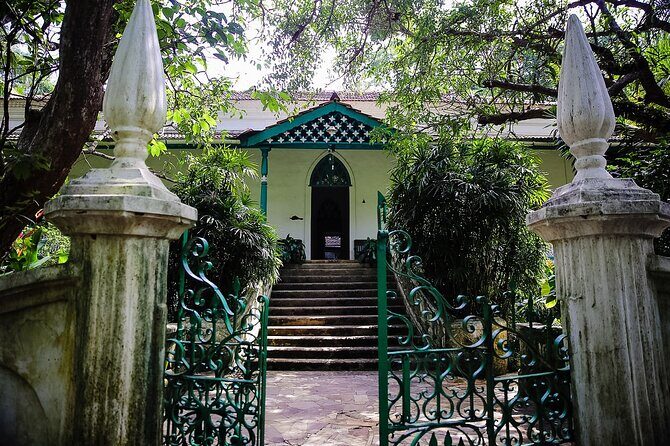
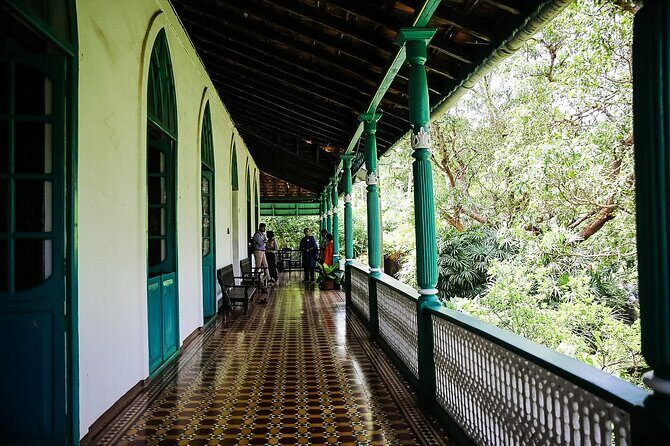
Even though the formal timed stops list the caves and carvings, the experience is built around a village-scale walk through Saligao. The overview describes you passing churches and houses, with your guide sharing facts and artifacts tied to the people who lived there for generations.
This is the part that feels most “Goa” in a human way. You’re not just touring ruins. You’re walking through lived-in space—where heritage isn’t separated by fences and glass.
A good guide makes a big difference here. I’ve seen this style highlighted with guides like Adolfina Thamm and Heidi in similar Soul Travelling experiences: the storytelling turns the route into a timeline. Suddenly you can see how religious life, local practice, and geography talk to each other.
Your best move: keep your questions simple. Ask what you’re looking at, ask what’s changed, and ask what’s stayed the same. With a small group size (max 15), you’re more likely to get real answers instead of a rushed explanation.



Snacks, “Soul Travelling goodies,” and the feel of the day
You’ll get snacks during the experience, and the inclusions list snacks or breakfast. That matters in Goa’s heat, especially when you’re doing several short stops back-to-back. It’s also a cultural touch: you’re not just observing history, you’re being fed while you do it.
The tour also includes Soul Travelling goodies and a first aid / medical kit, which is practical even if you’re healthy and careful. Small groups plus basic medical readiness makes the whole day feel more organized.
From the guide side, several named ambassadors and guides—like Rajat, Medora, Heidi, Pankaj, and Adolfina—show up across the experience. That’s a clue that the company invests in people who can explain what’s happening around you, not just move you from point A to B.
One more practical note: you’ll be walking and standing. Even if the stops are short, wear shoes you trust. This is a better day in sneakers than in sandals with weak soles.
Price and value: is it worth $16.76?
At about $16.76 per person, this tour lands in the “cheap enough to try” category—especially because it includes:
- Guided tour
- Snacks / breakfast
- All fees and taxes
- Admission ticket included for the caves and the rock carvings
That inclusion list matters. Many tours sell “cheap” prices and then quietly add entry fees. Here, the two big heritage parts (Rivona caves and Usgalimal carvings) are explicitly covered.
The total time is about 3 hours 30 minutes, so you’re not losing half a day. It’s a good fit for travelers who want one strong cultural block without turning their Goa trip into a full-on schedule.
The only cost-related caution is your transport situation. The tour instructions say guests are requested to have transportation for the entire experience, and private transportation is not included. So factor that into your true cost if you’re not already mobile.
Who this tour suits best (and who should skip it)
This is a great choice if you:
- want a Goa day that’s not beach-only
- like learning while walking through real places
- enjoy sacred sites and older timelines (6th/7th century CE is not everyday stuff)
- appreciate guided context for sites like laterite caves and petroglyphs
Skip it or rethink if you:
- don’t have reliable transport during the full tour window
- need lots of free time for wandering without guidance
- dislike heritage sites that may require covered knees and shoulders
The pacing is built around guided time in specific heritage points. It’s not a long hiking challenge, and it’s not a slow village meander with zero structure.
Should you book the Goan Hinterland Experience?
I’d book it if you’re looking for a small-group, story-led South Goa outing that gives you more than one kind of “history.” Rivona’s caves and Usgalimal’s carvings are the headline, but the Saligao village walk is what makes it feel like you’ve actually stepped into local life for a few hours.
You should be cautious if you’re not set up for transport for the full duration. Also, plan around weather, because the experience requires good conditions. If you can handle those two points, this is a smart, budget-friendly way to see a Goa most people miss.
FAQ
How long is the Goan Hinterland Experience in South Goa?
It runs for about 3 hours 30 minutes (approx.).
Is this a guided tour and how big is the group?
Yes, it includes a guided tour. The group size is capped at a maximum of 15 travelers.
What’s included in the price?
The inclusions list a guided tour, snacks/breakfast, Soul Travelling goodies, and a first aid/medical kit, plus all fees and taxes.
Are admission tickets included for the caves and rock carvings?
Yes. Admission tickets are listed as included for Rivona Buddhist Caves and Usgalimal Rock Carvings. The first stop at Zambaulim is listed as free.
What should I wear for this experience?
Heritage sites and temples may require appropriate attire that covers knees and shoulders, so bring something that fits that rule.
Do I need my own transportation?
Private transportation is not included, and the experience notes that guests are requested to have transportation for the entire experience.