REVIEW · MUMBAI
Mumbai: Dharavi Slum Walking Tour with Options
Book on GetYourGuide →Operated by Reality Tours and Travel Private Limited · Bookable on GetYourGuide
Dharavi doesn’t look like a movie set on this walk; it feels like real work and real neighbors, guided by people such as Leena who know the place intimately. I especially like the chance to see businesses up close while learning how the community challenges stereotypes, and I also like the built-in rooftop viewpoint that gives you the scale fast. One thing to consider first: this tour is designed to be non-intrusive, so you’ll follow a strict no-photography rule and spend time in tight, sometimes dusty alleys.
I also like that the group stays small (up to 6), which makes it easier to ask questions without crowding anyone, and the overall tone stays educational and respectful. A possible drawback is physical comfort: you’re on your feet for about 2.5–3.5 hours, and the area can feel hot and close in parts—so if you’re sensitive to claustrophobic spaces or warm weather, plan your timing and clothing carefully and bring closed-toe shoes.
In This Review
- Key things to know before you go
- Dharavi’s real economy: work you can see, stories you can trust
- Starting from Churchgate or Mahim: how the walk begins smoothly
- Respect rules that shape the experience: modest clothing, no photography
- Rooftop viewpoint and the maze alleys of Navrang Compound
- Gokulam Store and Kumbhar Wada: seeing craft at work
- Reality Gives-Mumbai and the short classroom moments
- Lunch option: eating with a family and learning the social map
- What you’ll actually learn while walking (and what it changes)
- Price and time: why $20 can feel like good value here
- Who this tour is best for—and who should be cautious
- Should you book this Dharavi slum walking tour?
- FAQ
- How long is the Dharavi slum walking tour?
- How much does the tour cost?
- Where can I meet the guide?
- Is the tour guide available in English?
- Is lunch included?
- What does the tour include besides guiding?
- Can I take photos during the tour?
- What should I wear?
- Is this tour suitable for wheelchair users?
- Are baby strollers allowed?
Key things to know before you go
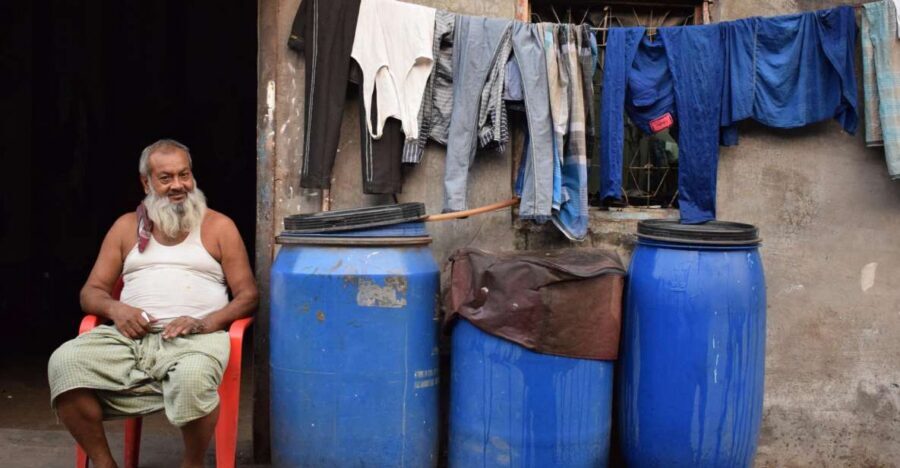
- Small group, big questions: up to 6 people with an English-speaking local guide who can answer as you walk
- Rooftop scale check: you’ll climb for a wide view so the neighborhood makes sense quickly
- Hands-on work you can observe: recycling, pottery-making, embroidery, bakery, soap making, leather tanning, and more
- Respect rules matter: modest dress and strict no-photography keep the visit community-centric
- Your fee has an education angle: 80% of tour profits are reinvested in educational community initiatives
- Micro-India in one place: people from across India live here, with temples, mosques, churches, and pagodas side by side
Dharavi’s real economy: work you can see, stories you can trust
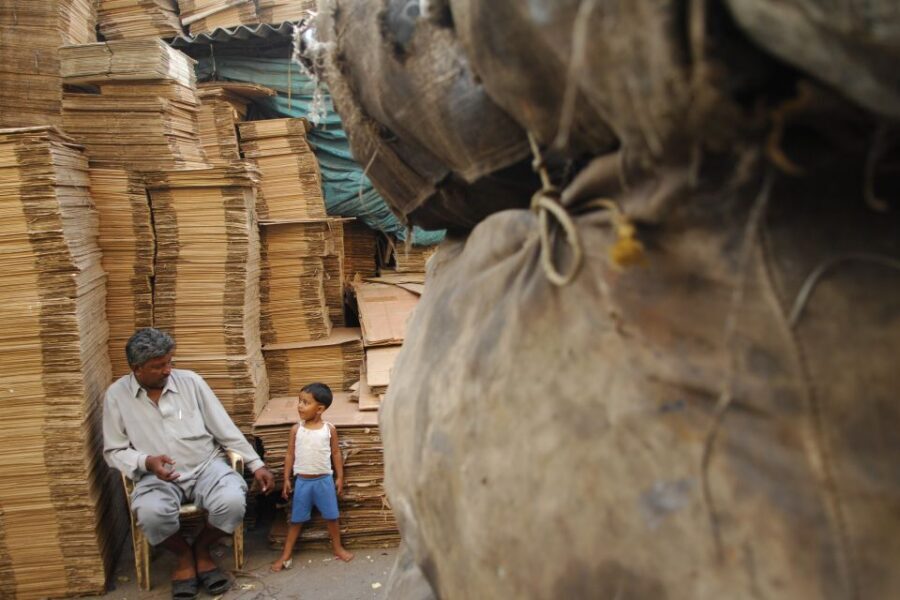
Dharavi is often reduced to a single word—slum. On this tour, that label gets replaced with something more useful: work and the people building income through it.
You’ll learn that this area is home to about one million residents and that its local industries have an estimated annual turnover around $1 billion. That’s not trivia. It changes how you look at everything you pass—recycling efforts, small workshops, and production that keeps families fed and roofs maintained. When your guide explains how migrants settled here and built businesses over time, it’s harder to buy the old, one-note stereotypes.
Another thing I like is the way the tour keeps the focus on entrepreneurship rather than spectacle. The businesses you’ll observe aren’t presented as “exotic” or tragic. They’re presented as economic systems—messy, complicated, and human—where people are solving problems with whatever tools they have.
And because Dharavi is described as a microcosm of India, you’ll see a mix of communities in daily life. Temples, mosques, churches, and pagodas standing close together isn’t just visual detail; it’s a shortcut to understanding why the area feels socially complex and tightly connected.
You can also read our reviews of more walking tours in Mumbai


Starting from Churchgate or Mahim: how the walk begins smoothly
The tour is built around easy access to central Mumbai rail areas, with three starting options: Churchgate, Mahim Junction Railway Station, or Mahim railway station. Meeting points can vary depending on the option you book, so check the exact spot provided for your departure.
Once you’re with the guide, the walk is structured to give you momentum quickly: there’s a safety briefing early on and the group stays small. That matters in Dharavi. The streets can feel like a maze, and being in a tighter group helps you move at a human pace while your guide navigates local flow.
You also get a water/cold drink, which sounds simple until you realize how much energy you’ll spend walking and thinking. This tour isn’t trying to race you through; it wants you to observe and understand.
Respect rules that shape the experience: modest clothing, no photography
If you remember only one thing before you go, make it this: the tour is designed to be non-intrusive and community-centric.
You’ll need modest clothing. The guidance is clear: no low-cut or sleeveless tops, and no short shorts. It’s also not allowed to bring baby strollers, and the experience isn’t suitable for wheelchair users—because the terrain and routes are not built for that.
The biggest “gotcha” for many people is the strict no-photography policy. That rule isn’t there to spoil your vacation photos. It’s there to protect privacy in areas where people live and work. You’ll still see plenty, but you’ll do it with your eyes and your questions, not through a camera screen.
Rooftop viewpoint and the maze alleys of Navrang Compound
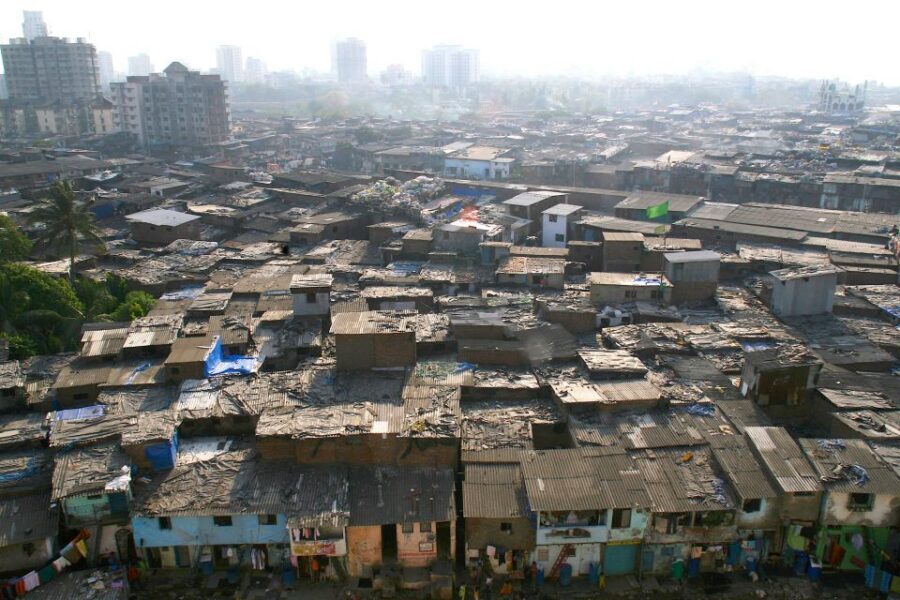
One of the smartest parts of this tour comes early: a guided visit to a viewpoint with a rooftop perspective. Climbing up (you’ll get the guidance on the way) gives you an instant sense of the neighborhood’s scale. Instead of thinking Dharavi is just a patch you’re walking through, you start to see it as an interconnected settlement with dense layers.
After that, you’ll move into the alleys. The itinerary includes time at Navrang Compound, with a guided tour and stops that help you understand what you’re seeing. Expect a mix of “look closely” moments and “pause and ask” moments. This is where the small-group size really helps: you can hear your guide over the background noise and still keep your attention on the details.
You’ll also notice how navigation works here. It’s not a formal path; it’s a lived network. Your guide helps you interpret the flow, which reduces the feeling of getting lost and increases the feeling of understanding the neighborhood’s logic.
Gokulam Store and Kumbhar Wada: seeing craft at work
As you keep walking, the tour shifts from big-picture views to hands-on observation. Stops such as Gokulam Store (about 20 minutes) are meant to anchor what you’re learning in specific, real-world activity.
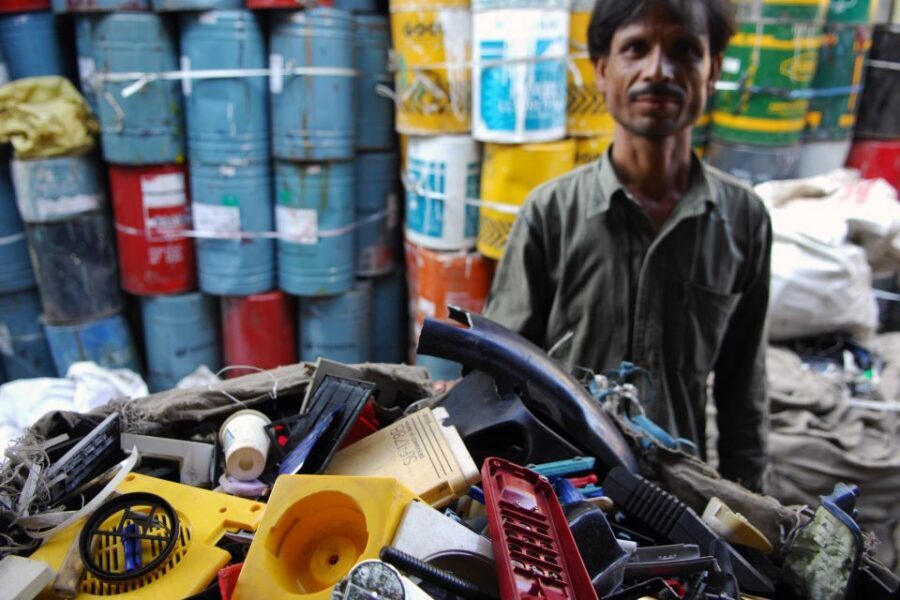
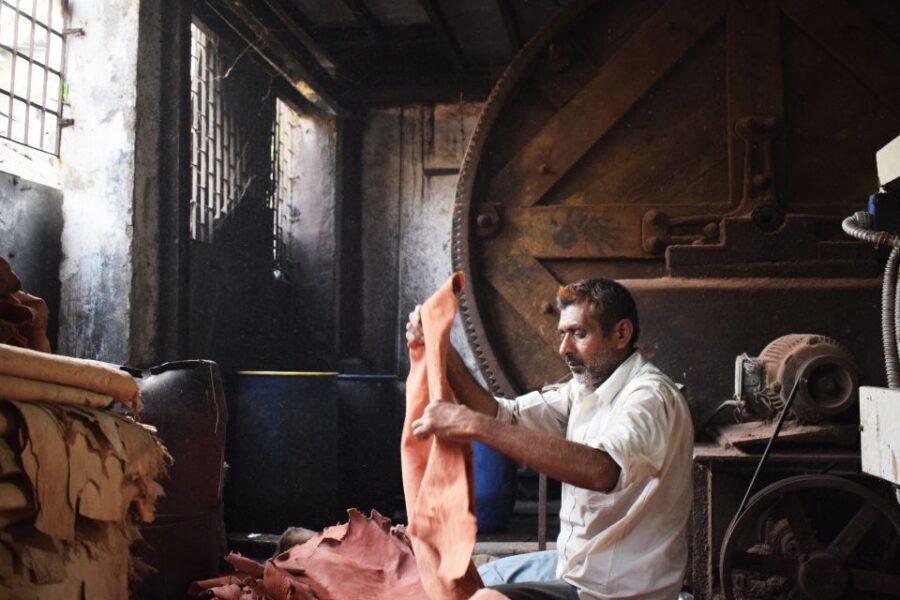
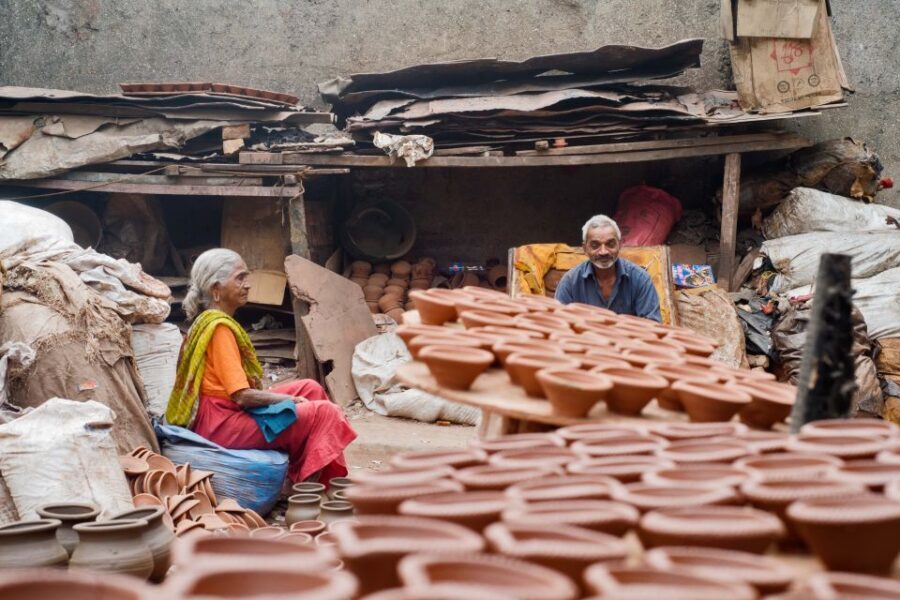
The highlight list mentions multiple industries you may observe during the walk: recycling, pottery, embroidery, bakery, soap making, leather tanning, and poppadom-making. You won’t treat any of these like a museum exhibit. The point is to understand production as livelihood—how materials move, how jobs are organized, and how skills get passed along inside the community.
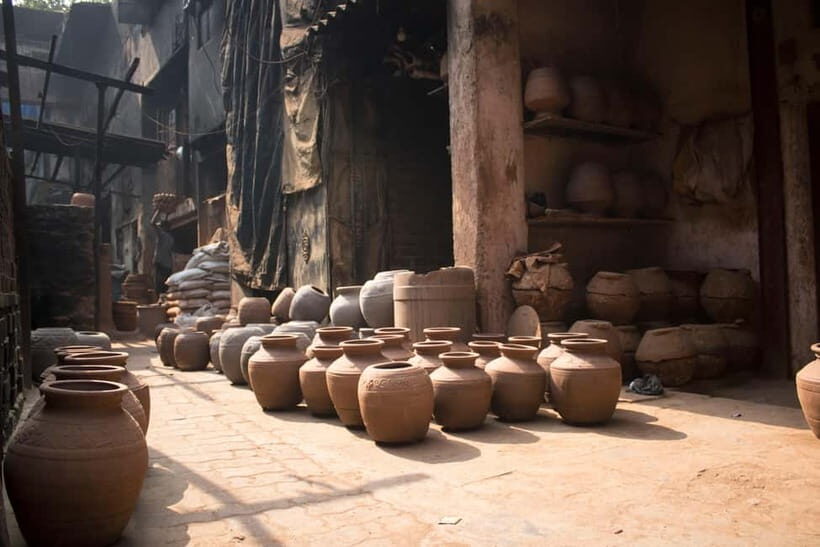
Then there’s Kumbhar Wada, which is built around craft. You’ll have a guided visit, plus a self-guided component (about 15 minutes). That self-guided time is valuable because it lets you slow down and look without having to process everything through your guide’s narration. If you’re the type who likes to read the room—tools, materials, worn workspaces—this pause helps.




Reality Gives-Mumbai and the short classroom moments
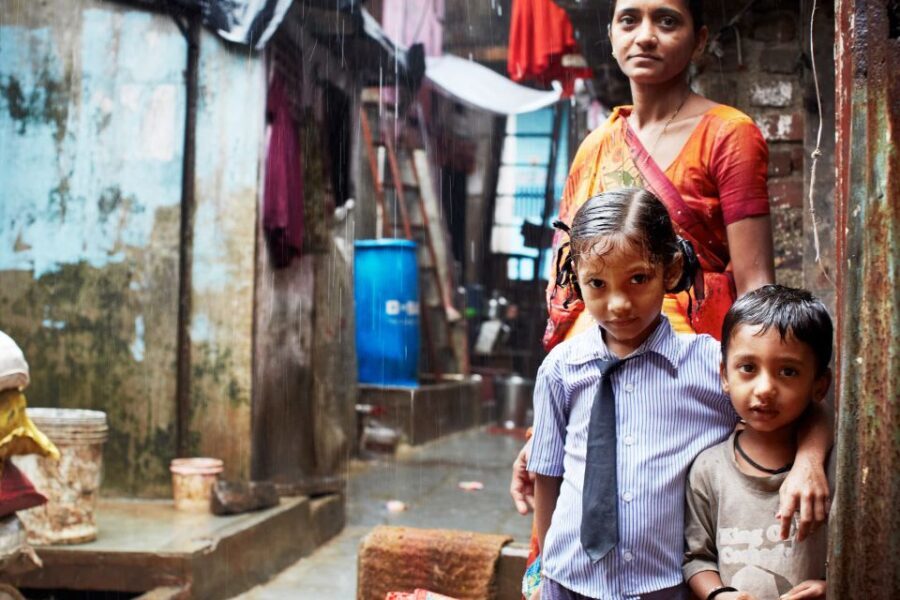
One of the questions many people arrive with is: what does the tour actually do for people?
This is where Reality Gives-Mumbai enters the story. You’ll visit that stop and spend time with a brief class component. The idea is to connect the walk to educational support, not just to curiosity.
Across the available description, the key number is this: 80% of profits from the tour are reinvested into educational community initiatives. In practical terms, that means your ticket isn’t only paying for narration and logistics. It’s funding literacy and skills-building work, including support tied to English and practical skills as part of these educational efforts.
The short classroom moments matter because they break the walking format. Instead of only taking in what’s in front of you, you get a clearer link between observation and impact.
Lunch option: eating with a family and learning the social map
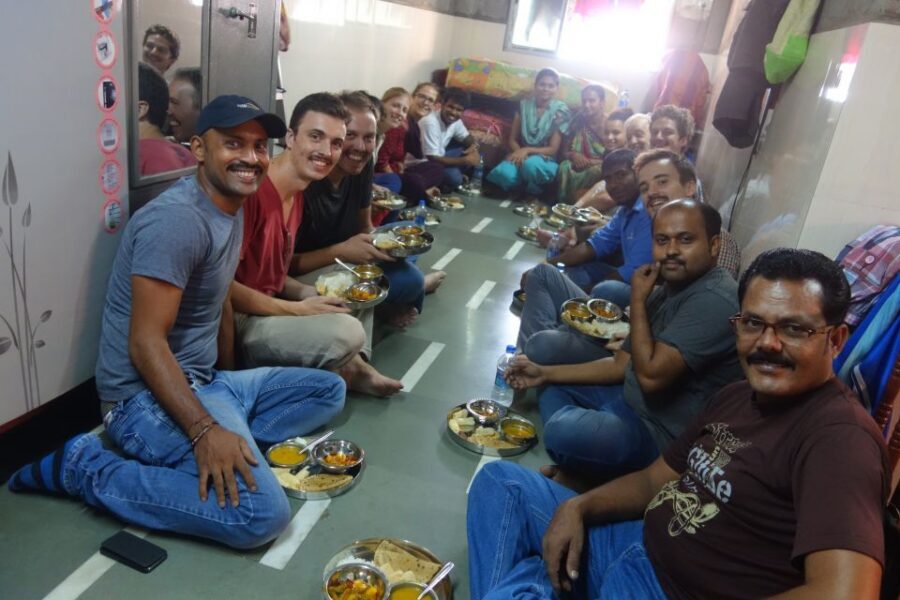
If you choose the lunch add-on, you’ll have time for a regional meal (about 35 minutes) where a family opens their home to you. This is one of those “small” features that can change the whole tone of the day.
At lunch, you’re not just consuming food—you’re participating in a micro-level social exchange. You get a direct sense of hospitality, family rhythms, and how daily life continues underneath the larger economic story the tour explains.
And because Dharavi is presented as a microcosm with people coming from across India, the neighborhood’s diversity shows up in everyday life: temples, mosques, churches, and pagodas close by. Lunch is one way that diversity can feel less like a list and more like lived reality.
What you’ll actually learn while walking (and what it changes)
This tour is designed to help you answer two mental challenges tourists usually carry:
First: the “scale” problem. Dharavi is described as having about one million residents. When you only hear numbers, it stays abstract. A rooftop view and guided movement through dense alleys make scale feel real.
Second: the “stereotype” problem. Sensational media tends to flatten Dharavi into a single image. Here, the tour’s emphasis on entrepreneurship and the sheer volume of businesses—estimated 20,000—forces you to look at the area as a complex economy.
Instead of asking whether the neighborhood is “good” or “bad,” you start asking better questions:
- How do people create jobs in tight space?
- Where do materials and money flow?
- How do skills survive and adapt?
- How do people build community while living with challenges?
That shift in questions is the real payoff, because it follows you home. You don’t just finish a walk—you finish with a different lens.
Price and time: why $20 can feel like good value here

At $20 per person for 2.5–3.5 hours, you’re paying for more than a walk. You’re paying for:
- A local English-speaking guide
- A safety briefing and guided navigation through a complicated network of alleys
- Water/cold drink
- A structured set of stops that moves from viewpoint to workshops and learning moments
- And, if you choose the lunch option, lunch is included
Most importantly, the math on value includes impact: 80% of profits go back into educational community initiatives. Whether you agree with every approach to development is beside the point. The tour is at least transparent about where the money is directed, and that makes your purchase feel connected to real outcomes rather than only to your own experience.
From a time perspective, 2.5–3.5 hours is long enough to understand something, but short enough that you’re not stuck for half a day in heavy walking. It’s also manageable if you’re touring Mumbai and trying to balance major sights with something more human and local.
Who this tour is best for—and who should be cautious
This is a strong fit if you want Mumbai beyond landmarks and you like learning through people and everyday work. It’s also a good match if you care about ethical tourism and want to see what your money funds—especially with the educational reinvestment angle.
It’s less ideal if:
- You’re in a wheelchair or need step-free routes (not suitable)
- You rely on a stroller (not allowed)
- You strongly dislike tight, close spaces, because parts of the walk can feel hot and claustrophobic
- You’re not comfortable with modest dress requirements or staying off-camera
If you’re flexible and curious, you’ll likely find the experience deeply memorable for the right reasons: practical education, respectful access, and clear effort to keep the visit community-first.
Should you book this Dharavi slum walking tour?
I’d book it if you want a small-group, guide-led experience that treats Dharavi as a real, working neighborhood—not a headline. The rooftop viewpoint helps you understand scale fast, the walk connects you to visible industries, and the education support angle (with 80% reinvestment) makes the impact piece concrete.
If you’re coming only for photos or you’re uncomfortable walking in dense, sometimes dusty areas, this may feel harder than you expect. But if you’re willing to follow the rules, ask questions, and look with care, this is one of the more thoughtful ways to understand Dharavi in a single morning-afternoon window.
FAQ
How long is the Dharavi slum walking tour?
The tour duration is about 2.5 to 3.5 hours.
How much does the tour cost?
The price is $20 per person.
Where can I meet the guide?
You can start at one of these options: Churchgate, Mahim Junction Railway Station, or Mahim railway station. The meeting point can vary depending on the option you book.
Is the tour guide available in English?
Yes. The tour includes a local English-speaking live guide.
Is lunch included?
Lunch is included if you choose the lunch option. If you don’t choose lunch, it’s not included.
What does the tour include besides guiding?
You’ll receive water or a cold drink, along with guided walking time through the neighborhood.
Can I take photos during the tour?
No. There is a strict no-photography policy to respect residents’ privacy.
What should I wear?
Wear modest clothing: no low-cut or sleeveless tops, and no short shorts. Closed-toe walking shoes are strongly recommended since some areas can be dirty, especially during monsoon months.
Is this tour suitable for wheelchair users?
No, it is not suitable for wheelchair users.
Are baby strollers allowed?
No, baby strollers are not allowed.