REVIEW · MUMBAI
Private Full Day Mumbai City Sightseeing & Dharavi Slum Tour
Book on GetYourGuide →Operated by Mumbai Excursions · Bookable on GetYourGuide
Mumbai in one long day feels electric. This private tour strings together big-name sights like the Gateway of India and the Taj Mahal Palace with a guided look at Dharavi’s daily life. I like how the schedule keeps moving (hotel pickup in an A/C car plus skip-the-ticket-line access), and I like that Dharavi isn’t treated like a quick photo stop.
The main trade-off is pacing. After a city loop packed with stops, you’ll do a 2 to 2.5 hour walking visit in Dharavi, so you need comfortable shoes and a mindset for standing, walking, and seeing closely.
The guide team matters here. English-speaking guides in this experience have included people like Sahil and Neha for the city portion, with Dharavi often led by specialists such as Sneha or Varsha—good storytelling that makes the contrast between old Mumbai and modern Mumbai feel understandable.
In This Review
- Key things to know before you go
- A Full-Day Contrast: Landmarks and Dharavi on the Same Route
- Hotel Pickup, A/C Comfort, and Skip-The-Line Advantage
- Gateway of India to Colaba Causeway: Mumbai by the water and by foot
- Crawford Market: Spice Market energy and quick shopping wins
- Chhatrapati Shivaji Maharaj Terminus and the old civic spine
- Marine Drive to Hanging Gardens: Sea views, park time, and quick breaks
- Mani Bhavan and Gandhiji’s House of Mumbai: Ideas behind the streets
- Dhobi Ghat and the working city: Laundry life at street level
- Sassoon Dock, Afghan Church, police headquarters, and the smaller story stops
- Malabar Hill and Mahalakshmi Race-Course: Skyline shifts and neighborhood energy
- Walking Inside Dharavi: What a 2 to 2.5 Hour Visit Really Feels Like
- How to Prepare: Shoes, pace, and where lunch fits
- Price Value: Why $26 per person can work on a private day
- Should You Book This City + Slum Tour?
- FAQ
- How long is the Private Full Day Mumbai City Sightseeing & Dharavi Slum Tour?
- Is this tour private or shared?
- What language are the guides?
- Does the tour include hotel pickup and drop-off?
- What’s included in the price?
- Is lunch or food included?
- How long is the Dharavi walking tour?
- Do we need to buy tickets in advance?
- What’s the cancellation and pay later policy?
Key things to know before you go
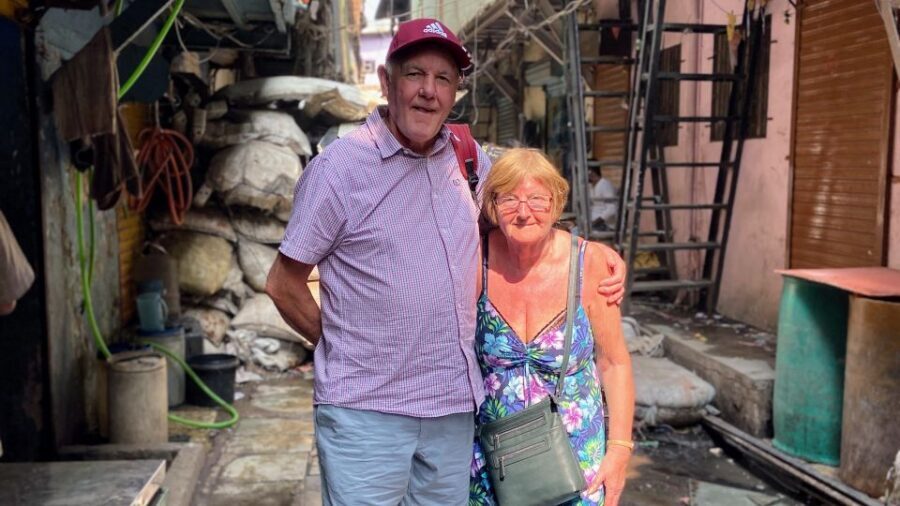
- Hotel pickup + A/C car: you’re not juggling transit across town all day.
- A long “both sides of Mumbai” arc: landmarks first, Dharavi second.
- Markets included: Colaba Causeway street shopping and Crawford Market spice-market energy.
- Dharavi is a guided walk (2–2.5 hours): this is the core of the experience.
- English-speaking private guide: the day stays coherent instead of being a hop-on/hop-off scramble.
A Full-Day Contrast: Landmarks and Dharavi on the Same Route
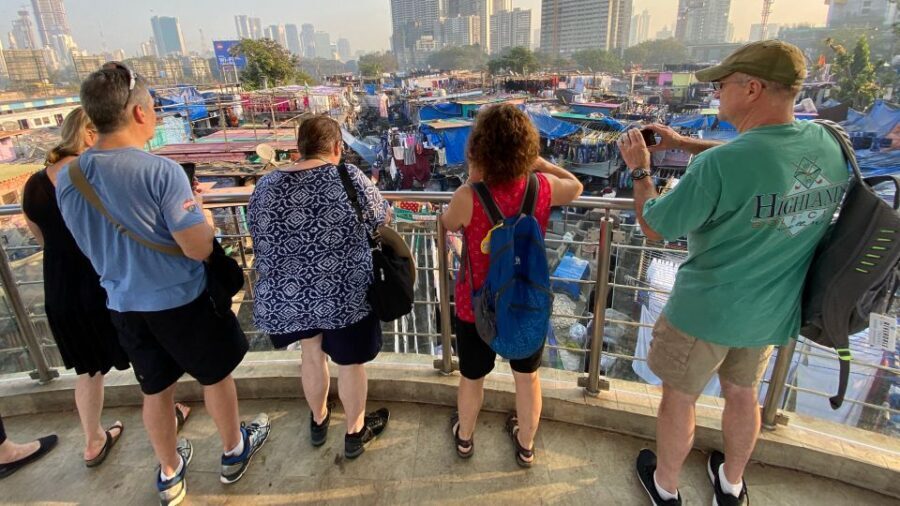
This tour is built around a simple idea: Mumbai is not one story. In one day, you get the showpieces—Gothic-era buildings, grand waterfront views, famous rail hubs—and then you move into a neighborhood where people make life work in tight spaces.
What I like about the format is that it doesn’t split the day into two unrelated activities. The city side sets the tone (power, colonial landmarks, commerce, and public spaces), and the Dharavi side shows how daily work, community networks, and resilience shape the city from the ground up.
It’s also a smart way to orient yourself if you’re new to Mumbai. With one organized route, you start recognizing districts, coastlines, and famous landmarks, then you come back down to earth with Dharavi’s real, lived geography.
You can also read our reviews of more city tours in Mumbai



Hotel Pickup, A/C Comfort, and Skip-The-Line Advantage

The day starts with pickup from your hotel, with an English-speaking guide and driver meeting you at your car pick-up/drop-off point. That matters in Mumbai because travel time is real, and sitting in traffic without a plan can eat your day.
You also get an A/C car, which is a big comfort factor for a full-day schedule. And the experience includes skip-the-ticket-line, so you spend less time waiting and more time actually seeing.
At $26 per person, this is one of the more budget-friendly ways to do a private, guided full-day itinerary with both city landmarks and Dharavi. The value comes from the “package” effect: guide + transport + entry tickets + tolls/parking are rolled in, and you’re not paying separately for every piece.
Gateway of India to Colaba Causeway: Mumbai by the water and by foot
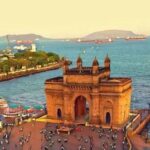
Your city tour kicks off near the Gateway of India, with a guided stop that gives you time to take in the waterfront setting and the area’s landmark role in Mumbai’s public life. From there, the day swings toward the iconic Taj Mahal Palace area and into Colaba.
Colaba is where Mumbai becomes practical and pedestrian-friendly. You’ll get guided time through the Colaba zone and then shift into street-level shopping on the Colaba Causeway, where souvenir browsing is part of the fun.
One reason this part of the route works: it’s visually clear. Even without deep architectural study, you can see the layered “faces” of Mumbai—ceremonial waterfront landmarks, hotel grandeur, then the everyday street energy just a few blocks away.
Crawford Market: Spice Market energy and quick shopping wins

If you want a market stop that feels like it belongs in Mumbai, Crawford Market is the one you’ll talk about later. You’ll have guided time there, including attention on the market’s spice and snack rhythms, plus specialty shopping like dry-fruits and other common grab-and-go items.
This isn’t just retail time. A market stop gives you texture: how locals shop, how vendors organize their stalls, and how the city’s supply chain feels on the ground. And because the guide is with you, you’re not left guessing what’s worth your money versus what’s just noise.
Practical tip: since food and drinks aren’t included, this is a good moment to decide whether you want to buy something small here or save your appetite for lunch later. Either way, keep energy for Dharavi after.
Chhatrapati Shivaji Maharaj Terminus and the old civic spine

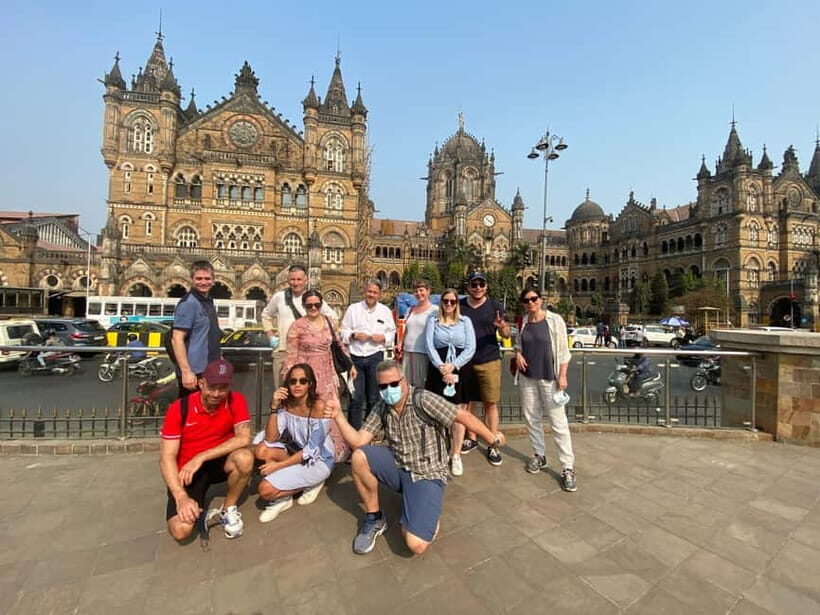
The tour includes a guided look at Chhatrapati Shivaji Maharaj Terminus (formerly CST), one of Mumbai’s most important rail landmarks. Even if you’re not a train-spotter, this stop helps you understand Mumbai’s identity as a city built for movement—people, goods, and the momentum of daily life.
From there you pass through a stretch of important civic and institutional sites, including Bombay High Court and Mumbai University, plus viewpoints around Nariman Point and Oval Maidan. The guide time here is valuable because these places can feel like backdrops unless someone explains what you’re actually seeing: the way the city’s power centers sit alongside public spaces.
There are also quick guided stops at major buildings you’ll recognize from photos—like the Big Ben Clock of India area and Churchgate Railway Station. The point isn’t to memorize every date; it’s to leave with a workable mental map.
You can also read our reviews of more private tours in Mumbai





Marine Drive to Hanging Gardens: Sea views, park time, and quick breaks
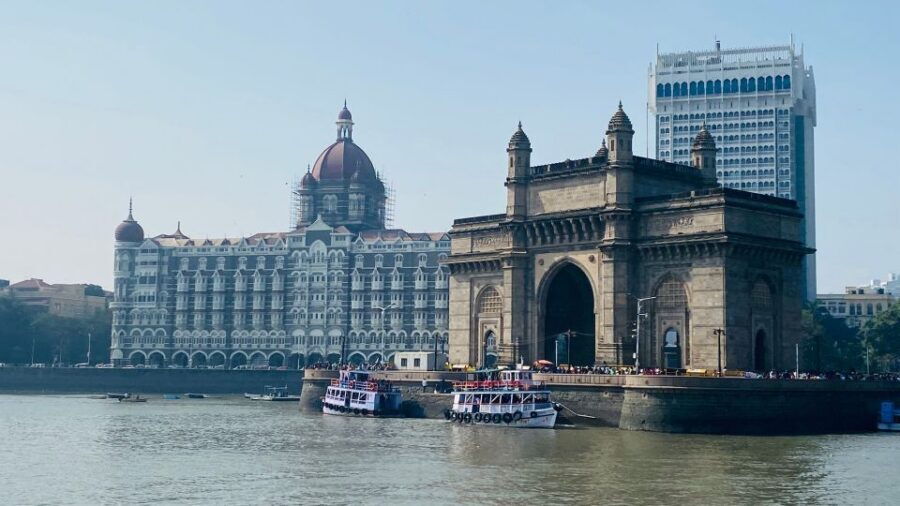
Mumbai’s coastline is one of the easiest ways to understand the city. The itinerary includes Marine Drive with guided scenic time, plus stops around Girgaon Chow-patty, so you can connect the promenade feel with the city’s landmark skyline.
Next come Hanging Gardens and Kamla Nehru Park. These are good pauses in a long day. When you have a full schedule, you need places where you can stand, breathe, and reset. This section gives you that without breaking the flow.
I also like that the tour uses these viewpoints for context. They help you picture how neighborhoods relate to each other—coastline here, hills over there, and the city’s built-up center in between.
Mani Bhavan and Gandhiji’s House of Mumbai: Ideas behind the streets

Two stops anchor the “Mumbai as a place of ideas” side of the day: Mani Bhavan and Gandhiji’s House of Mumbai. These guided visits add meaning to what can otherwise feel like sightseeing-only.
This portion works well because it’s not stuck in abstract storytelling. You get a sense of why specific sites matter to Mumbai’s public identity, not just to history books. It’s the kind of stop that makes the earlier architecture and civic buildings feel less random.
Even if you’re not a museum person, you’ll likely appreciate this as a human-scale balance to the landmarks. It’s a reminder that public life, activism, and identity sit right alongside the city’s physical face.
Dhobi Ghat and the working city: Laundry life at street level

A standout in the city portion is Dhobi Ghat (Dhobhi Ghat). You’ll get guided time there, plus scenic driving time on the way. This isn’t presented as a dramatic spectacle; it’s a working-city scene that shows how everyday labor shapes what you see from the street.
What makes this stop especially valuable on a day like this is contrast. You’ve already seen grand stations, courts, and waterfront monuments. Then you look at a labor process that’s hands-on, repetitive, and deeply tied to the city’s daily functioning.
Also, it’s a practical planning point. If you’re sensitive to smells or cramped spaces, Dhobi Ghat is a good place to pace yourself and take it in at your own speed. The guide should be able to set expectations, because this part is clearly part of the core route.
Sassoon Dock, Afghan Church, police headquarters, and the smaller story stops
Not every “must-see” is a single big monument. The city route also includes places that fill in the gaps: Sassoon Dock, the Afghan Church, and other named points that give Mumbai texture.
You also pass by or stop for guided time at institutional sites like Maharashtra Police Headquarters and the Municipal Corporation Office, plus scenic drives that connect different parts of the city. These stops help you see Mumbai as more than a photo set. It’s a city that runs on systems—public services, transportation hubs, and coastal industry.
There are also recognizable sports and popular culture anchors along the way, such as Oval Maidan and nearby landmarks. And you’ll see Shane Watson Hotel listed in the route, which adds a modern Mumbai wink amid the older streetscapes.
Malabar Hill and Mahalakshmi Race-Course: Skyline shifts and neighborhood energy
Toward the latter part of the city side, the itinerary includes Malabar Hill and Mahalakshmi Race-Course. These locations help you understand how Mumbai’s skyline and neighborhood feel can shift quickly within a short drive.
Malabar Hill works as a scenic and contextual stop because it frames Mumbai’s built form from an elevated angle. Mahalakshmi Race-Course adds a sense of organized public leisure—another kind of “city life” beyond work and worship.
This is also a good “set your brain” moment. Dharavi is emotionally intense, and you’ll want your head clear when you transition from the city landmarks to the walking tour.
Walking Inside Dharavi: What a 2 to 2.5 Hour Visit Really Feels Like
The Dharavi portion is the heart of the experience. After the city tour, you either get time for lunch or you move straight into the Dharavi segment. Then you do a guided walking tour inside Dharavi for 2 to 2.5 hours.
This isn’t sold as a quick drive-by. You’re walking, seeing, and listening. The best effect is perspective. Instead of treating Dharavi as a single image, you start recognizing how many different kinds of work and community life can exist in close quarters.
Importantly, the tour guidance is designed to make the visit feel safe and structured. English-speaking guides you may encounter—like Sneha or Varsha for the Dharavi portion—are known for explaining what you’re seeing and for emphasizing respect and understanding.
If you’re wondering whether Dharavi will feel “comfortable,” the honest answer is: it’s different. But the tour is set up to avoid leaving you stranded in uncertainty. You have a guide, a plan, and a walking pace designed for a real look.
How to Prepare: Shoes, pace, and where lunch fits
This is a full day, so prep matters. The only required item listed is comfortable shoes, but that’s the big one. You’ll be doing city sightseeing on and off throughout the day, then you’ll walk for hours in Dharavi.
Because the schedule includes many stops, you should expect a steady rhythm of getting on and off the car, short walking segments, and guided explanations. If you prefer a slow, open-ended day, this tour may feel structured and packed.
Lunch is flexible. You’ll have time for lunch if required, or the tour may begin Dharavi right after the city circuit. My practical advice: decide early whether you want a proper sit-down meal or a quick bite, then match that choice to your energy level for Dharavi.
Price Value: Why $26 per person can work on a private day
$26 per person sounds almost too good until you look at what’s included. You’re getting hotel pickup and drop-off, an English-speaking guide, an A/C car, and all entry tickets, tolls, and parking. You’re also doing a private group day, not a shared scramble.
The biggest thing not included is food and drinks, so you should budget for that separately. But even with that, the value can be strong because Mumbai sightseeing adds up fast when you pay for transport and admissions individually.
The main value trade-off is time concentration. You’re packing a lot into the day, so you should be okay with a schedule that moves. If you enjoy efficiency and organized context, this price-to-coverage ratio makes sense.
Should You Book This City + Slum Tour?
I’d book this if you want a single day that covers Mumbai’s big symbols and its lived reality. The itinerary mixes landmark recognition with guided neighborhood walking, and that blend is hard to recreate on your own without spending more time figuring things out.
You should also consider it if you like having a guide explain what you’re seeing—people connected to this experience include guides such as Sahil, Neha, and Sneha, and that guide quality shows up as a major part of what makes the day memorable.
Skip it (or at least rethink it) if you want a relaxed day with minimal walking. The Dharavi segment is not a short visit, and the city route includes many well-known stops, meaning you’ll stay on your feet and on the move.
FAQ
How long is the Private Full Day Mumbai City Sightseeing & Dharavi Slum Tour?
The duration is listed as 4.5 to 7.5 hours, depending on starting times and how the day runs.
Is this tour private or shared?
It’s a private group tour.
What language are the guides?
The tour includes an English-speaking tour guide.
Does the tour include hotel pickup and drop-off?
Yes. The guide and driver meet you at your hotel car pick up and drop off point, and you’re dropped back at the end.
What’s included in the price?
Included are the English-speaking tour guide, air-conditioned car, hotel pickup and drop-off, and all entry tickets, tolls, and parking fees.
Is lunch or food included?
No. Food and drinks are not included, though lunch time is available if required during the city-to-Dharavi transition.
How long is the Dharavi walking tour?
The Dharavi portion is a 2 to 2.5 hour guided walking tour inside Dharavi.
Do we need to buy tickets in advance?
Tickets are handled for you in the sense that you can skip the ticket line.
What’s the cancellation and pay later policy?
You can cancel up to 24 hours in advance for a full refund. You can also reserve now and pay later (pay nothing today).
—
If you tell me your travel month and whether you’re staying near South Mumbai or farther north, I can suggest a smart start time and how to pace lunch so Dharavi feels less rushed.