REVIEW · MUMBAI
Mumbai Dharavi Slum Tour With Local English Guide
Book on GetYourGuide →Operated by Cityscape Mumbai Tours · Bookable on GetYourGuide
Dharavi isn’t a postcard stop. It’s a working neighborhood, and this 2-hour walk lets you see real small industries and meet people who run them every day. I like that the tour focuses on connections first, not gawking.
Two things I especially appreciate: you get hands-on workshop moments (pottery with spinning wheels, leather work, recycling units, and small family trades show up on many routes) and you’ll spend the time learning through your guide’s stories. The one drawback to plan for is logistics—Dharavi is crowded and noisy, so a walking pace and clear listening are not always guaranteed without good headphones-on-attention energy.
In This Review
- Quick hits on this Dharavi walk
- What makes a Dharavi slum tour worthwhile (and not just a spectacle)
- Meeting in Mahim: how the 2-hour rhythm actually starts
- What you’ll see inside Dharavi: industries you can point to
- Workshop time: what’s included and how to get the most out of it
- Your guide’s role: stories, context, and how respect shows up
- The walk itself: pace, noise, and what to wear
- Price and value: why $7 can make sense here
- Who this tour suits best
- Should you book this Dharavi tour or skip it?
- FAQ
- How long is the Dharavi slum tour?
- How much does the tour cost?
- Is the tour guided in English?
- Where do I meet the guide?
- What locations does the tour return to?
- Are food and drinks included?
- Is hotel pickup included?
- Are there luggage restrictions?
- What’s the cancellation and booking policy?
Quick hits on this Dharavi walk
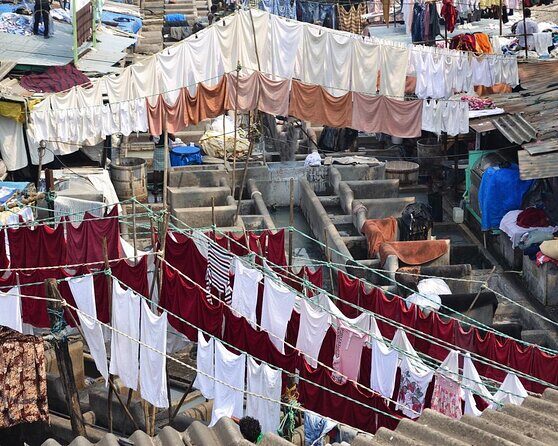
- English local guides who explain the daily rhythm of the area and how the economy works
- Workshop stops that can include pottery, leather, recycling, and small bakeries
- Respect + privacy as part of the tour, not an afterthought
- On-foot route (2 hours) through the key areas, with introductions that help you feel oriented
- Rooftop viewpoints over the dense rooftops and Mumbai skyline on some routes
- Value pricing at about $7 for a guided, 2-hour experience
What makes a Dharavi slum tour worthwhile (and not just a spectacle)
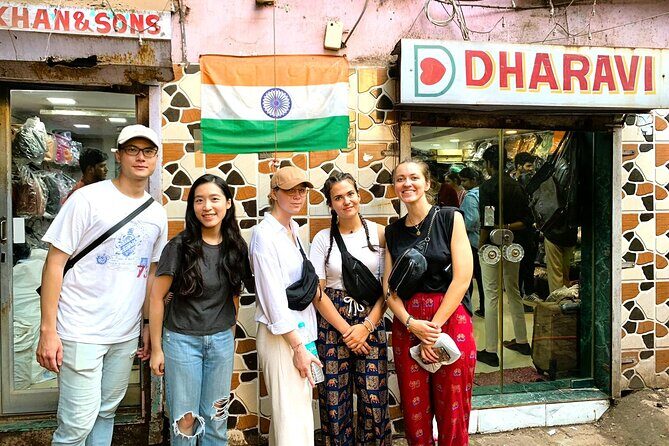
A lot of Mumbai tours sell an image. This one sells understanding. You’re walking through a neighborhood where people work, trade, create, and manage families—so the point isn’t to treat Dharavi like a set.
What I like is that the tour is built around personal interactions and industry-focused stops. That changes how you see everything: you’re not just looking at housing density, you’re watching skills and businesses in motion.
The ethical line matters, too. The best guides on this route (like Sharon, Ruba, Jawwad (Jay), and Ruqaiyya) are careful about boundaries, and they explain context in a way that feels human instead of sensational.
You can also read our reviews of more guided tours in Mumbai


Meeting in Mahim: how the 2-hour rhythm actually starts
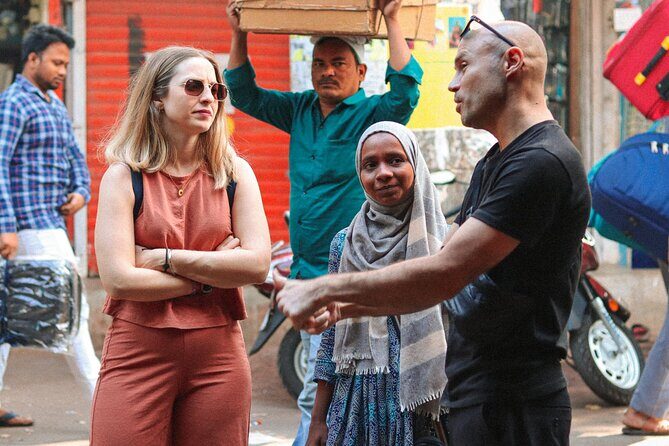
This tour is short by design—about 2 hours—so you’ll want to start punctually. You’ll meet near Mahim, with the exact pickup point varying by option. Common starting points include Third Wave Coffee (Ram Mahal) or Ram Mahal itself, and the tour also returns you to one of those drop-off areas.
Because it’s a walk, you don’t have the usual “waiting for a van” stretch. That’s good for your time in Mumbai, especially if you’ve got other plans later in the day.
Practical tip: aim to arrive a few minutes early and keep your meeting-point details on your phone. The tour’s whole flow depends on not losing the group once you hit the lanes.
What you’ll see inside Dharavi: industries you can point to
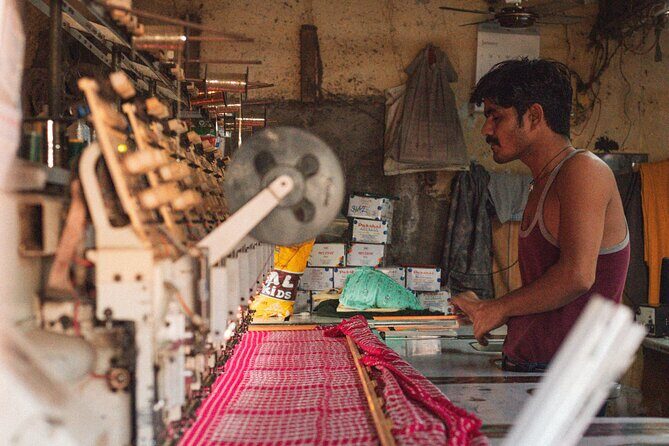
Dharavi can feel like a single blur if you only look from the outside. With a guide, it becomes a map of workplaces and trade.
On many routes, you can expect to encounter industry scenes like:
- Pottery work where you may see spinning wheels in action
- Leather artisans crafting goods with real commercial ambition
- Small bakeries run as family units
- Recycling units tied to the broader supply chain
The industries aren’t presented as random curiosities. Your guide connects them to everyday needs—materials, customers, tools, and the constant problem-solving that keeps businesses moving.
And yes, there can be a wow-moment viewpoint. One guide experience includes a rooftop view over the dense rooftops with Mumbai’s skyline in the background. If your day’s route includes a spot like that, it helps you understand the geography, not just the buildings.
Workshop time: what’s included and how to get the most out of it
This tour includes interactive workshop sessions with local artisans and craftspeople. You’re not just passing by storefronts. You’re getting brief explanations that help you understand what you’re seeing—and what it takes to keep these crafts running.
The biggest difference between a good and a mediocre workshop visit is the conversation. Guides like Ansh, Chirag, and Subhan are praised for answering questions clearly and patiently. That matters because Dharavi is complex, and your curiosity will almost certainly outpace the first 10 minutes.
When you’re there, keep your questions simple and respectful:
- What does this process require day to day?
- Who works here, and what skills matter most?
- How do people find markets or customers?
Also, treat “photos” as a privilege. Ask first, and if a guide or artisan says it’s not a good moment, respect that. The tours that feel best are the ones where you’re more of a student than a tourist with a camera.
Your guide’s role: stories, context, and how respect shows up
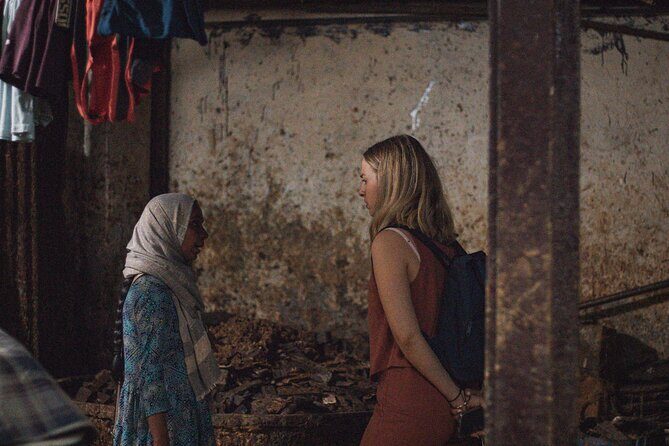
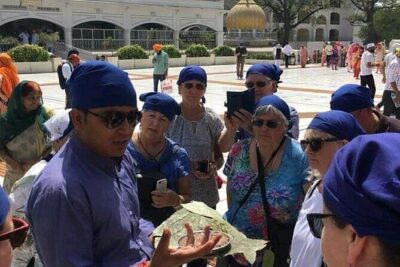
In this neighborhood, the guide is more than a narrator. They’re your translator—of language, of customs, and of what’s appropriate to notice.
The tour quality shows up in how the guide handles sensitive topics and boundaries. Multiple guide stories highlight that people feel comfortable because the guide keeps things respectful, explains living and working realities clearly, and prioritizes privacy.
Some guides are long-time Dharavi residents, which changes the tone immediately. For example, Ruquaiyya is noted as being based in the area for many years, and guides like Ruqaiyya and Ruba are described as warm, patient, and very tuned in to local life. You can feel the difference between facts and lived experience.
One small-but-important sign: the guide doesn’t rush you. They make room for questions, and they pace the walk so you can actually process what you’re seeing.



The walk itself: pace, noise, and what to wear
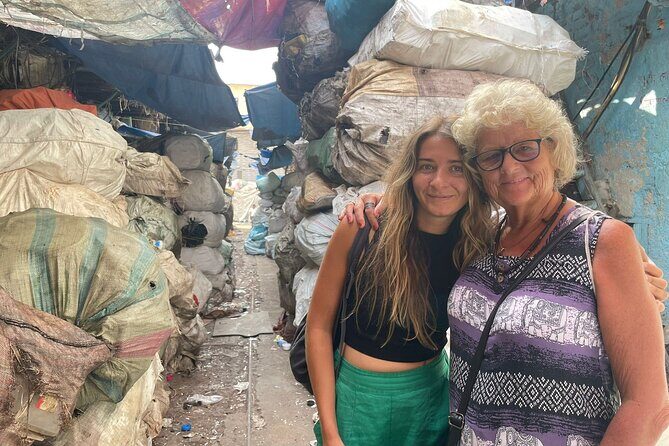
This is an on-foot tour, and it stays close to key areas for about 2 hours. That’s a good fit if you want your Mumbai time to be active rather than sitting in a car.
The downside? Dharavi is busy, and it can be hard to hear in places. Some guide experiences mention that noise can make it difficult to catch every detail, which is pretty normal in Mumbai overall. If you’re the type who loves every fact, you’ll do better if you keep your attention forward and don’t plan for silent contemplation.
What to bring is simple: comfortable clothes. You’ll also want closed-toe shoes because you’re walking. The tour doesn’t allow luggage or large bags, so travel light.
If you tend to get tired fast, this is not a sit-and-watch show. It’s a walk with stops, so build in a little buffer afterward—mentally and physically.
Price and value: why $7 can make sense here
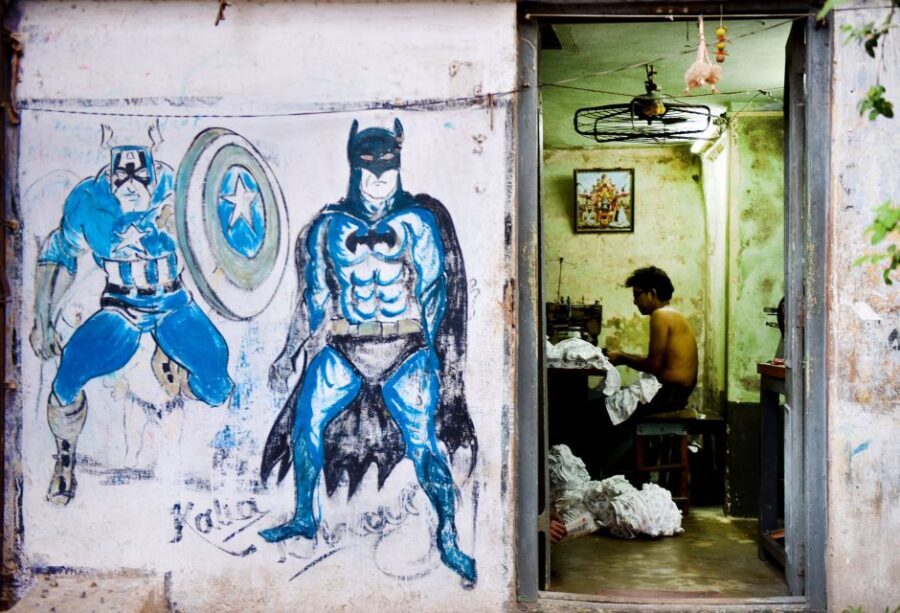
$7 for 2 hours with an English local guide, walking guidance, and workshop access is strikingly low. The value comes from what’s included and what’s not.
What you’re getting:
- A local guide (not just a general escort)
- An on-foot route through key areas
- Workshop interactions with artisans and craftspeople
What you’re likely not getting:
- Any food or drinks (you’ll need to plan to buy your own if you want snacks)
- Hotel pickup or drop-off (you’ll handle your own way to the meeting points)
So the smart way to think about the price is this: you’re paying for access to people and explanation. You’re not paying for transport from your hotel or meals.
If you want a cheaper Mumbai plan that still feels meaningful, this hits the sweet spot. If you need a high-comfort, low-stimulation day, you might prefer a different kind of tour. Dharavi walking is real life, not a themed museum.
Who this tour suits best
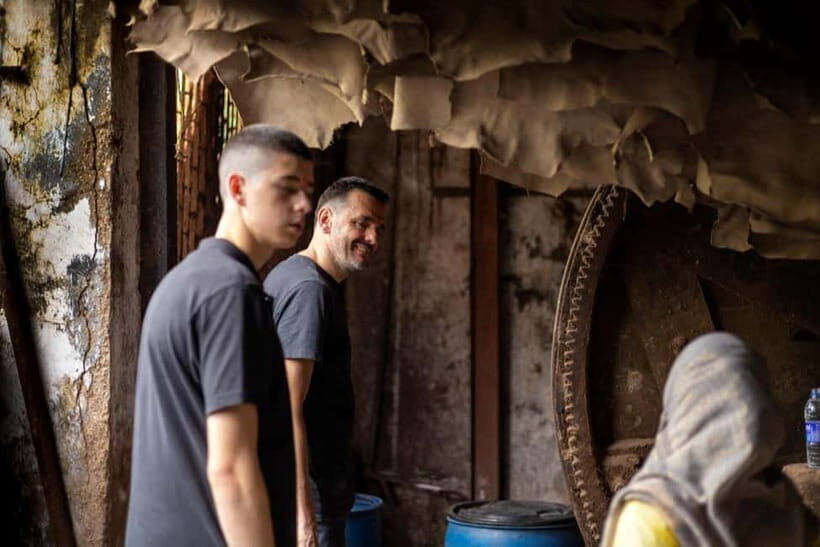
This tour fits best if you want:
- Real-world city understanding (how work happens in tight spaces)
- A respectful, guide-led format
- An industry-and-people focus instead of a pure sightseeing agenda
It’s also a strong choice if you care about ethics and context. The standout guide traits described in multiple experiences—warmth, sensitivity to the community, and patient explanations—are exactly what make this kind of tour feel worthwhile rather than uncomfortable.
If you’re traveling with someone who gets anxious about crowds or unclear directions, a guided route can help a lot. And if you love asking questions, you’ll likely get a lot more out of the walk than if you just follow along silently.
Should you book this Dharavi tour or skip it?

Book it if you want a short, guided, industry-focused experience in Mumbai that prioritizes respectful interactions and real workshops. With guides such as Sharon, Ruba, Jawwad (Jay), and Ruqaiyya mentioned for clear English and community sensitivity, you’re in good hands when you choose this style.
Skip it if you’re hoping for a calm, quiet, low-walking day, or if you strongly dislike noisy urban environments. This tour is active, crowded-feeling in places, and it asks you to pay attention.
My practical call: if you’re doing Mumbai in a few days and want one experience that teaches more than it entertains, this is one of the best “time-per-impact” options at the listed price.
FAQ
How long is the Dharavi slum tour?
It runs for about 2 hours.
How much does the tour cost?
The price is listed at $7 per person.
Is the tour guided in English?
Yes, it’s described as a live tour guide in English.
Where do I meet the guide?
The meeting point may vary depending on the option booked. Starting locations mentioned include Third Wave Coffee (Ram Mahal) and Ram Mahal, and there is also a Mahim Station meetup listed.
What locations does the tour return to?
Drop-off locations are listed as Ram Mahal and Third Wave Coffee.
Are food and drinks included?
No. Food and beverages are not included.
Is hotel pickup included?
No. Hotel pickup and drop-off are not included.
Are there luggage restrictions?
Yes. Luggage or large bags are not allowed.
What’s the cancellation and booking policy?
Free cancellation is offered up to 24 hours in advance for a full refund, and there’s a reserve now & pay later option listed so you can book and pay nothing today.