REVIEW · AGRA
From Delhi: Taj Mahal Sunrise and Elephant Conservation Tour
Book on GetYourGuide →Operated by Green India Voyages · Bookable on GetYourGuide
Sunrise over the Taj Mahal feels like a real-life postcard. I like how this tour stacks Taj Mahal at first light with a guided deep look at the monument and then finishes with a visit to an ethical elephant conservation and care center. The whole thing is run in a private, timed way from Delhi, so you can pack a lot into one day without feeling like you’re sprinting alone.
One thing to plan for: the day starts very early, so you’ll want to be ready for a pre-dawn pickup and a tight schedule back toward Delhi by early afternoon.
In This Review
- Quick hits
- Why Taj Mahal Sunrise Beats a Normal Morning Visit
- The 3–4 Hour Delhi to Agra Drive: Private Car Comfort
- Entering the Taj Mahal at First Light
- Breakfast in Agra: A Real Fuel Stop Before the Fort
- Agra Fort UNESCO Grounds and Views Toward the Taj
- Wildlife SOS Elephant Conservation and Care: What You Actually Do
- Lunch Break and the Clock on a One-Day Schedule
- Guides, Languages, and How Private Groups Feel
- Practical Tips: What to Bring and What to Avoid
- Price and Value for a Delhi–Agra One-Day Day Trip
- Who This Tour Fits Best (and Who Should Skip It)
- Should You Book This Tour or Choose Something Slower?
- FAQ
- How long is the tour from Delhi to Agra?
- Where can you be picked up and dropped off?
- How early do you leave for the Taj Mahal sunrise?
- Is the Taj Mahal visit guided and does it include skip-the-line entry?
- What happens at the elephant conservation center?
- What should I bring, and are there any rules?
Quick hits
- Pre-dawn Delhi departure with an air-conditioned private car (about a 3–4 hour drive).
- Taj Mahal sunrise entry during the best soft morning light, with guidance on what to look for and where to stand.
- Separate entrance to skip the busiest parts at the Taj Mahal.
- Agra Fort UNESCO time with classic Mughal-era buildings and a view that frames the Taj across the Yamuna.
- Wildlife SOS elephant conservation viewing focused on rescued elephants (no feeding or bathing-style interaction is offered).
- Breakfast in Agra with a comfortable break before the fort and lunch later.
Why Taj Mahal Sunrise Beats a Normal Morning Visit
Going to the Taj Mahal any time of day is special. Going at sunrise is different—because the monument changes as the sky changes. When the first light hits the white marble, you get that shift from pale ivory into warm gold and pink tones. It’s not just good for photos. It also makes the Taj feel more “alive,” like you’re seeing the building with fresh eyes rather than just reading it off a travel brochure.
I also like that the guide doesn’t treat the visit like a photo stop. You’ll hear the story behind Shah Jahan’s project for Mumtaz Mahal, plus practical points about symmetry, calligraphy, and the craft behind the Taj. That context helps you understand what you’re looking at—why details line up the way they do, and why specific elements matter.
The tour timing also keeps the experience calm. You’re arriving just as the city wakes up, not after the peak crowds have fully landed.
A few more Agra tours and experiences worth a look


The 3–4 Hour Delhi to Agra Drive: Private Car Comfort
This is a full-day trip with an early start, so how you travel matters. You’ll ride in a private air-conditioned vehicle with a uniformed driver, and there are typically complimentary water bottles and hand sanitizers for the journey. That may sound small, but on a pre-dawn departure it helps you feel looked after.
The drive is given as about 3 to 4 hours, which is long enough that it can either feel tiring or manageable depending on your attitude. The structure here is helpful: you’re traveling before traffic gets heavy, you have time to rest or reset, and you don’t need to coordinate trains, stations, or connections.
One useful note from a recent experience: some groups reported smooth roads and a comfortable A/C van (even described as leather-style seating). For families and mixed-age groups, that kind of comfort can make the difference between a good day and a cranky one.
Entering the Taj Mahal at First Light
You’ll arrive in Agra around the time the sky starts to brighten. Then your local guide joins you for the highlight: entering through the Taj’s main gates and beginning your visit under sunrise light.
What makes this tour work is the flow. You’re not just wandering. You’re moving through the areas where the architecture and gardens make sense, and you’re getting time for photos from good angles. The guide helps you time your shots so you’re not stuck waiting for the light to cooperate.
Also, you’re not left guessing about what you’re seeing. You get explanations of:
- Why the Taj was built and what Shah Jahan intended it to represent
- How the symmetry is designed to feel balanced from multiple viewpoints
- The significance of the calligraphy and ornamental program
- Details you can easily miss when you only look for the “big picture”
The reflecting pools and garden spaces are part of what you’ll explore up close. If you’ve seen photos before, this is where your brain catches up—because the scale is bigger than you expect, and the marble textures look different once the sun is really up.
And yes, there’s a separate entrance meant to cut down on the hassle at the start. That matters when you’re chasing light at the Taj.
Breakfast in Agra: A Real Fuel Stop Before the Fort
After the sunrise visit, you’ll have a proper breakfast. You’ll stop at the DoubleTree by Hilton Hotel Agra for a break time and breakfast, with a stated breakfast window of about 45 minutes.
Why this matters: Agra Fort comes next, and that’s a “walk and look” site. If you try to wing breakfast during the day, you’ll either rush or miss a meal. Here, you get food that fits the schedule—something you can eat quickly, then digest while you start exploring the fort.
The breakfast is described as a buffet style with options that include Indian-style tea and coffee, plus a mix of local and international choices. If your group includes kids, this kind of spread usually makes everyone happier.
When you’re planning a one-day itinerary, these meal stops are more than comfort. They help keep your energy stable so you can actually enjoy the sights instead of just surviving the timing.
Agra Fort UNESCO Grounds and Views Toward the Taj
Agra Fort is a different kind of wow compared with the Taj. The Taj Mahal is about perfection and romance. Agra Fort is about power, administration, and lived-in imperial life.
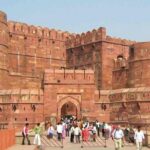
You’ll visit it after breakfast with guided time of about 1.5 hours. Agra Fort is a UNESCO World Heritage Site and served as the main residence of Mughal emperors until 1638. That single fact gives the visit weight—you’re not looking at a set piece. You’re walking through a place that held authority.
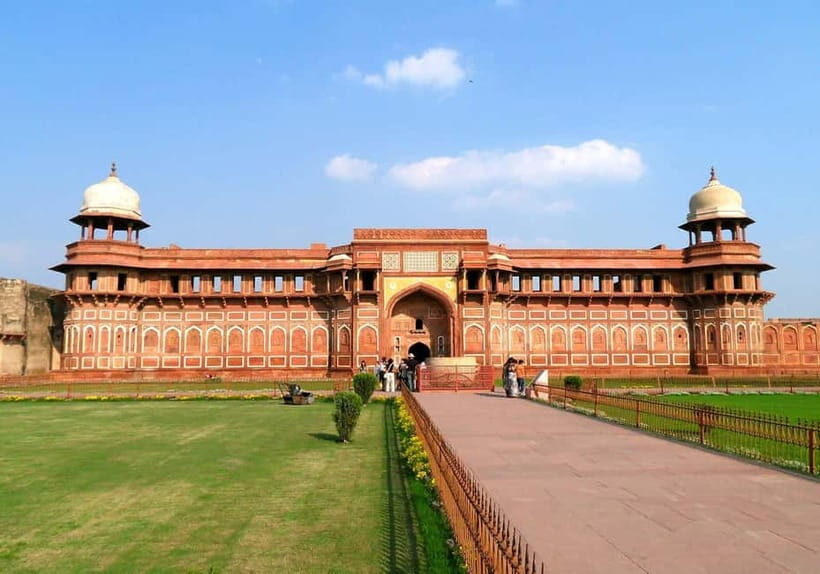
Inside the fort, you’ll focus on Mughal architecture and major palace spaces, including the Jahangiri Mahal and Khas Mahal, plus the Diwan-i-Khas (Hall of Private Audience). These names aren’t just trivia. When you understand the function of each building, it becomes easier to picture court life and how the imperial system worked.
One of the best moments is the view. From the balconies, you can see the Taj Mahal shimmering in the distance across the Yamuna River. It’s also a poignant reminder of Shah Jahan’s situation: years of captivity where he could only gaze upon the monument he commissioned. Even if you’re not a history buff, that visual connection makes the day feel like one connected story instead of separate stops.





Wildlife SOS Elephant Conservation and Care: What You Actually Do
This is the part that I’d call the most emotionally meaningful—because it shifts the day away from monuments and into animal welfare.
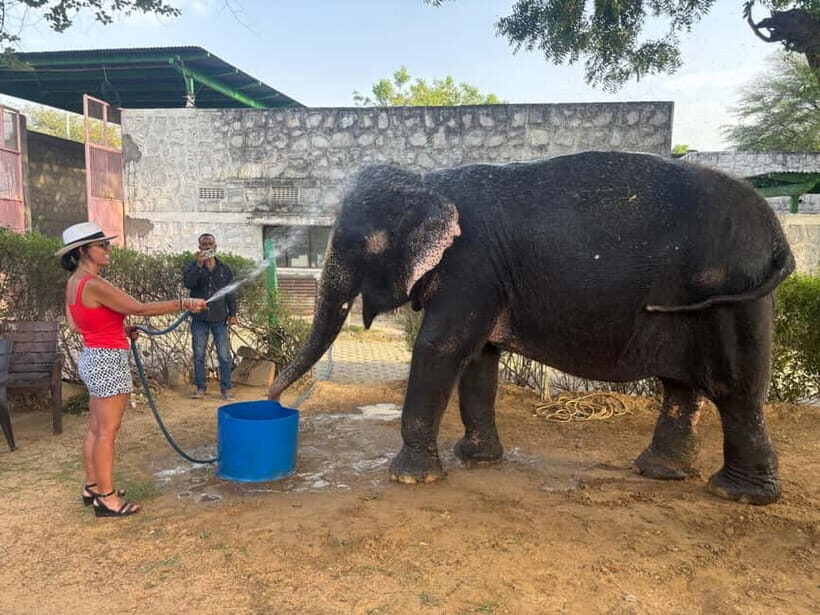
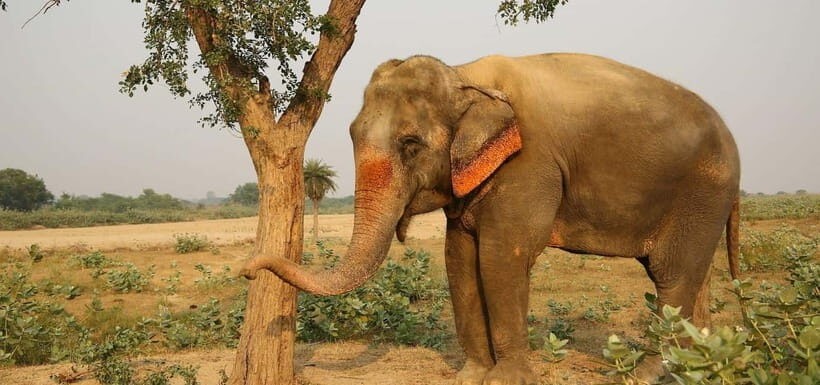
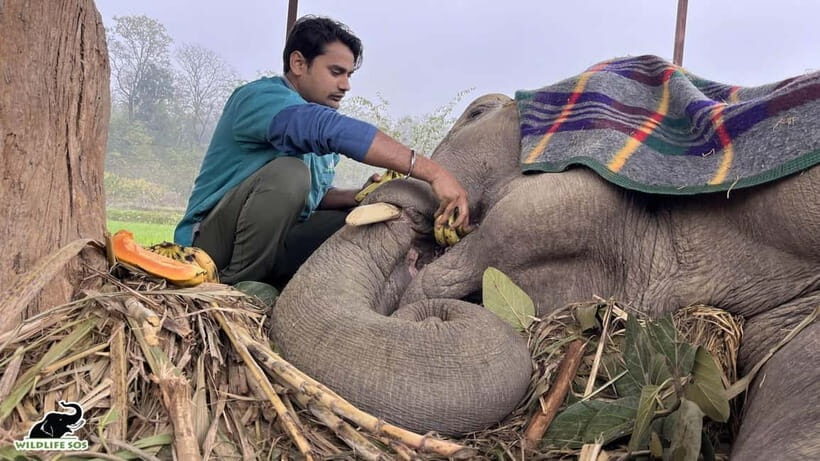
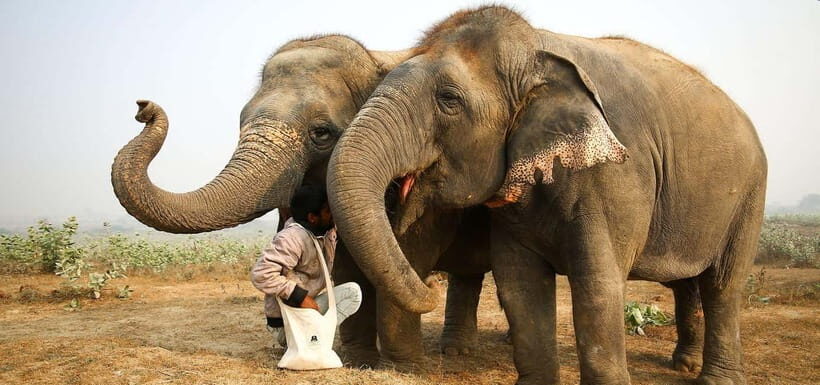
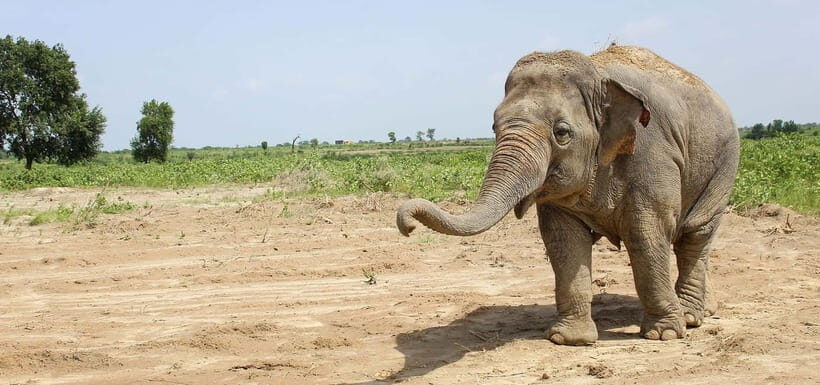
After Agra Fort, you’ll head to Wildlife SOS, a conservation and rehabilitation center dedicated to rescued elephants. The scheduled visit time is about 45 minutes, including scenic views on the way.
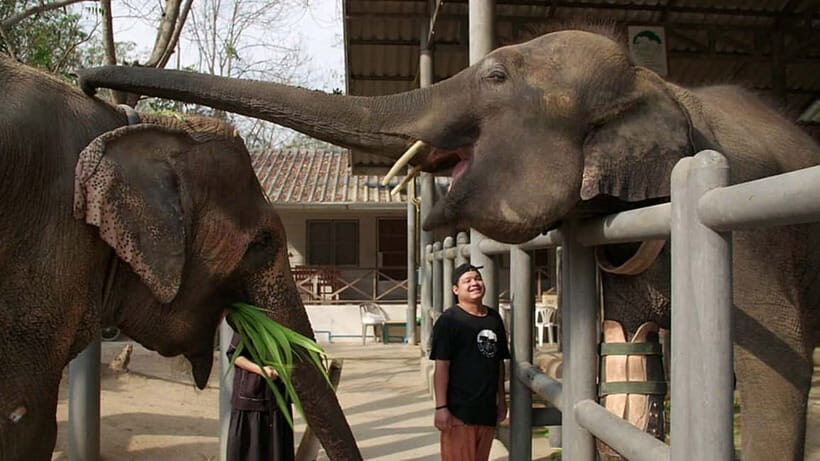
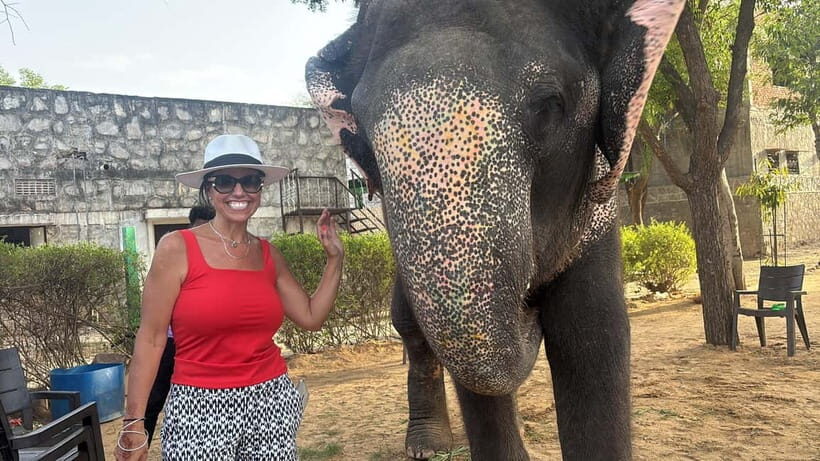
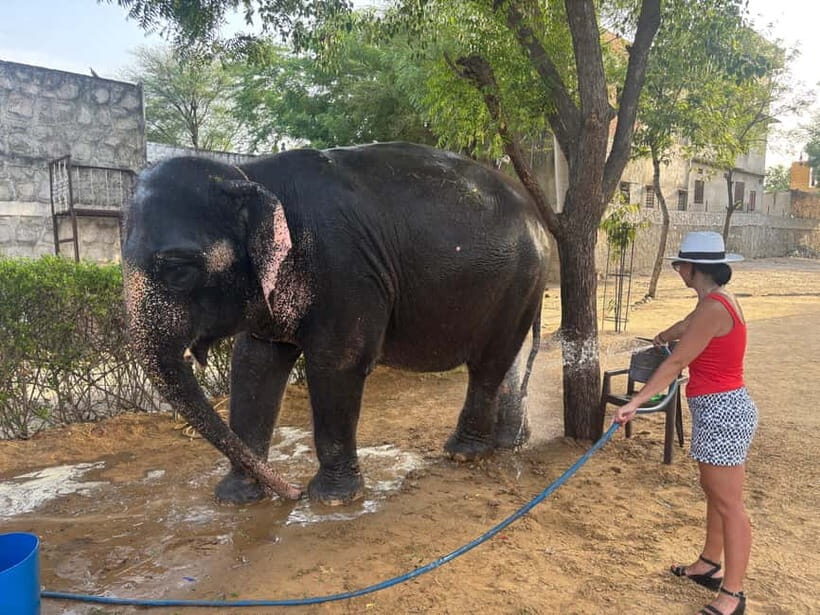
The key detail: this visit is about viewing and learning, not performing entertainment. Based on what’s been experienced on the ground, you can observe the elephants, and you may see around six elephants during the visit. But you should expect it to be a viewing-style experience rather than an interactive one like feeding or bathing.
That distinction is worth understanding before you go. If you want hands-on interaction, this tour isn’t built for that. If you want to witness ethical care and learn what rehabilitation looks like, this center visit is a strong match.
You’ll get a guided tour, which matters because elephant behavior can be misunderstood if you don’t know what you’re seeing. The guide helps you connect the dots between rescue stories and conservation work.
Lunch Break and the Clock on a One-Day Schedule

After the elephant center, there’s a lunch break. Lunch is scheduled for about 1 hour.
On a one-day Agra trip, lunch time is where people either feel relaxed or feel rushed. Here, you at least have a defined slot, and the day already includes a real breakfast. That balance helps you avoid the common problem: hungry but also too tired to enjoy the meal.
You’ll still need to manage expectations. This is a tight schedule designed to fit sunrise, two major Agra sights, and the conservation stop in one day. If you like slow travel, you might find yourself wanting more time at each location. But if you’re short on days in India, the structure is practical and efficient.
Guides, Languages, and How Private Groups Feel
This is a private group tour, and you’ll have a private live guide. The guide language options include English, Spanish, Russian, Chinese, French, Japanese, German, and Italian.
That matters because the Taj and Agra Fort rewards explanation. You can certainly read plaques on your own, but a guide who explains symbolism, architecture, and the real-world history behind the sites helps you connect it all.
I also liked the idea that guides can shape the tone of the day. One guide name that came up was Shadab, described as very good and humble. Even if you don’t get the same guide, the point stands: the day is structured around guided storytelling, not just transport.
And the private setup helps with timing. Your driver and guide can respond to your group’s pace—within reason—so you’re not stuck waiting for a big group to regroup.
Practical Tips: What to Bring and What to Avoid
This tour is straightforward, but a few basics help a lot.
Bring:
- Sunglasses
- Sunscreen
That’s not optional fluff. Sunrise light can still be strong, and you’ll be outside during key viewing moments.
Not allowed:
- Alcohol and drugs
Also, keep physical comfort in mind. The schedule is early and packed. People over 95 years are listed as not suitable, and pregnant women are also listed as not suitable. If you fall into either category, it’s worth choosing a gentler plan with fewer transfers and less early-morning pressure.
One more practical note: since elephant visits are viewing-based, it helps to wear comfortable shoes and plan for walking and standing. If your group includes kids, bring water and patience—this day runs on a clock.
Price and Value for a Delhi–Agra One-Day Day Trip
The listed price shown is $2.47 per person. That number is so low that I’d treat it as a starting point and sanity-check what you’re actually choosing when you book (for example, entrance options and meal choices, since “with option” language is included for monument entrances).
Even with that caution, the value proposition is clear from the structure:
- private air-conditioned transport with a uniformed driver
- a private live guide
- guided visits at the Taj and Agra Fort
- an elephant conservation center visit
- breakfast time included at the Agra stop
- bottled water
If you’re traveling as a group, private transport and a guide can be much more cost-effective than piecing together separate tickets and transfers. You also save the mental effort of coordinating sunrise timing on your own—one of the biggest headaches in Agra days.
The main trade-off isn’t price. It’s time. You’re doing a lot in one day. For many people, that’s the point. For others, it can feel rushed.
Who This Tour Fits Best (and Who Should Skip It)
This tour is a great match if:
- you want to see the Taj Mahal in the best light without spending multiple days in Agra
- you like guided explanations, not just self-guided wandering
- your group includes people with different interests, because the day balances monuments and conservation
- you appreciate ethical animal experiences that focus on care and learning
It may not be the best fit if:
- you prefer a slow pace and longer stays at each site
- you struggle with extremely early mornings
- your group includes someone who falls into the not-suitable categories (pregnant women, people over 95)
It also works well for families who need structure. One reported experience included a group of six with four adults and two kids, and it sounded like comfort and guidance made a difference.
Should You Book This Tour or Choose Something Slower?
If your priority is a strong first day in Agra, I think you’ll like this plan. The sunrise timing at the Taj Mahal is the obvious draw, but the second draw is how the day stays coherent: Taj → breakfast → Agra Fort (with the Taj view back across the Yamuna) → elephant conservation viewing. It feels like a connected route through Agra’s main “world” instead of random stops.
I’d book it if you can handle an early start and you want a guided, private way to do the essentials in one day. Choose it when you’re time-limited, want good transport comfort, and want your elephant visit to be ethical and educational rather than performative.
If you’re the type who wants to linger for hours at a single monument, consider a longer Agra stay instead. But if you want sunrise magic plus Mughal grandeur plus conservation learning, this is a solid one-day option.
FAQ
How long is the tour from Delhi to Agra?
The tour duration is listed as 1 day, and it includes a pre-dawn pickup and a day schedule that returns you to Delhi-area drop-off locations in the afternoon.
Where can you be picked up and dropped off?
Pickup and drop-off options include many Delhi-region locations such as New Delhi, Connaught Place, Old Delhi, Aerocity, Noida, Greater Noida, Ghaziabad, Gurugram, Faridabad, Ballabhgarh, and Agra.
How early do you leave for the Taj Mahal sunrise?
The day starts very early with an early-morning departure from Delhi. One described experience started at about 2am in Delhi to reach the sunrise.
Is the Taj Mahal visit guided and does it include skip-the-line entry?
Yes. You get a local guide for the Taj Mahal visit and there is a separate entrance to help you skip the main line.
What happens at the elephant conservation center?
You visit Wildlife SOS – Elephant Conservation and Care Center for guided viewing of rescued elephants. The experience is observation-focused rather than an interactive feeding or bathing type activity.
What should I bring, and are there any rules?
Bring sunglasses and sunscreen. Alcohol and drugs are not allowed. The tour is also listed as not suitable for pregnant women and people over 95 years.