REVIEW · JAIPUR
Pink City Street Food and Local Market Tour
Book on Viator →Operated by Pink City Guide · Bookable on Viator
Markets at dusk tell Jaipur best. This Pink City street-food and market tour turns a confusing old-city maze into a simple route: you get walked through the bazaars, you watch artisans at work, and you’re not left figuring out what’s worth your time. What I especially like is the focus on local food stops and the chance to see real handicraft makers in their working spaces.
I also like how the tour balances wandering with structure: it’s only about 3 to 4 hours, and longer distances are handled by rickshaw so you still feel fresh enough to shop and snack. The one thing to consider is that you will walk through meandering lanes, so wear comfortable shoes and expect crowds in the market lanes.
In This Review
- Quick highlights
- Pink City at 5 PM: why this timing works
- Meeting point and small-group comfort near Chandi Ki Taksal
- Rickshaw rides plus lane-walking: how to plan your steps
- Bridal, flower, incense, spice, and produce: learning the market map
- Artisan workshops: bangle, sweetmeats, turban, sculptor, and clay potter
- Street-food tastings: chai tea, lassi, and Jaipur sweets
- Chandi Ki Taksal special tea stop: included value that matters
- Price and value: why $10 goes farther here
- Shopping help without getting steamrolled
- Learning on the ground: caste system in everyday life
- Who should book this market-and-food tour
- Should you book Pink City Street Food and Local Market Tour?
- FAQ
- What time does the Pink City Street Food and Local Market Tour start?
- How long does the tour last?
- Where is the meeting point?
- Is the tour group-based and how many people go?
- What food and drinks are included?
- Are monument entry fees included?
- Does the tour involve rickshaw rides?
- What if I need to cancel?
- Is confirmation provided after booking?
Quick highlights
- Small group (max 15): easier pacing and more attention from the guide
- 5 PM start: markets and food energy are in full swing
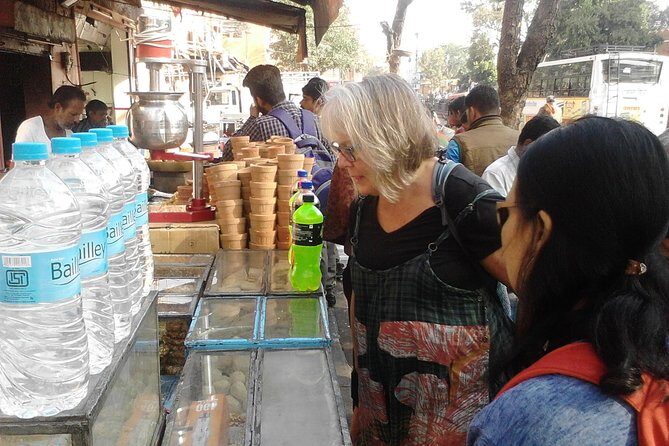
- Bazaars with specific themes: bridal market, flower market, incense and spice, plus produce stalls
- Artisans at work: bangle maker, sweetmeats maker, turban maker, statue sculptor, clay potter
- Built-in tastings: chai tea, lassi, and Jaipur sweets, with a tea stop in Chandi Ki Taksal
- Shopping help from guides like Jai or Mr Singh: get practical advice, not random sales pressure
Pink City at 5 PM: why this timing works
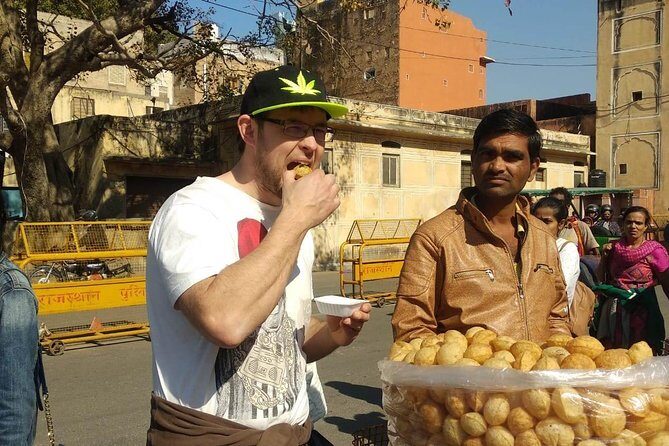
Starting around 5 PM is a smart move for this kind of tour. Jaipur’s old city is compact but busy, and by early evening the bazaars are in full rhythm. The colors shift as shop lights come on, and you get the best mix of market hustle plus “just enough” calm to taste food and ask questions.
Also, evening is when street food feels most natural. Instead of grabbing snacks on the run, the guide builds a path so you can stop, eat, and keep moving without feeling lost. You’re not just chasing food; you’re learning what locals buy and why certain flavors and ingredients are so common in this part of Jaipur.
The tour’s structure helps too. It’s about 3 to 4 hours total, and that’s a sweet spot. Long enough to see multiple bazaars and get multiple tastings, short enough that you’re not dragging yourself back to your hotel at night.
You can also read our reviews of more food & drink experiences in Jaipur


Meeting point and small-group comfort near Chandi Ki Taksal
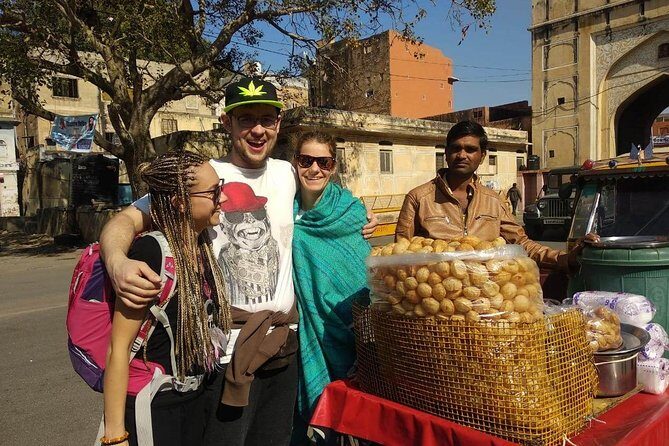
The tour meets at 110, Hawa Mahal Rd, Chandi Ki Taksal, J.D.A. Market, Sirahdeori Bazar, Jaipur and returns to the same spot at the end. That “round trip” matters because it reduces the stress of night navigation in a busy area.
You also get a small group size (up to 15 people), which changes the whole feel. In a smaller group, guides can slow down when a lane is crowded, pause when you want to look closer at textiles or spice stacks, and help with practical choices like what to try first.
The start point being near public transportation is another bonus. If you’re staying elsewhere in Jaipur, you’re less likely to fight traffic or waste time getting there. And if you plan to do other evening plans afterward, getting back to the same area makes life easier.
One more detail that affects comfort: you’ll likely move at market pace, not sightseeing pace. Expect stops to be frequent. That’s good. Jaipur’s best stories come from small moments: how people arrange goods, how artisans work, and how the street itself feels.
Rickshaw rides plus lane-walking: how to plan your steps
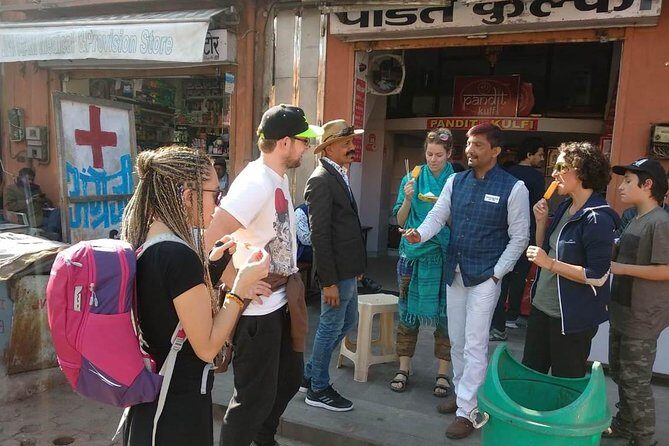
This tour uses a simple combo: you walk through bazaars, and longer distances are covered by rickshaw. That’s practical. Old city walking can be uneven, and market lanes can get packed quickly. If you only had foot travel, you’d spend too much energy on just getting to the next stop.
So your job is easier than you might think: wear shoes you can stand in, and stay flexible when the path gets tight. If you’ve got knee issues or you hate crowd crush, this might still be manageable because the rickshaw segments help break things up. The tour notes that most travelers can participate, which aligns with the mixed transport plan.
Quick self-check before you go:
- Comfortable footwear beats trendy sandals
- Keep your phone protected; market sidewalks aren’t always smooth
- Bring a small water plan (the tour includes tea/coffee, but it won’t replace hydration for everyone)
You’ll feel the rhythm quickly. Walk a stretch, pause at a market type, taste something, then hop in the rickshaw to link it all together.
Bridal, flower, incense, spice, and produce: learning the market map
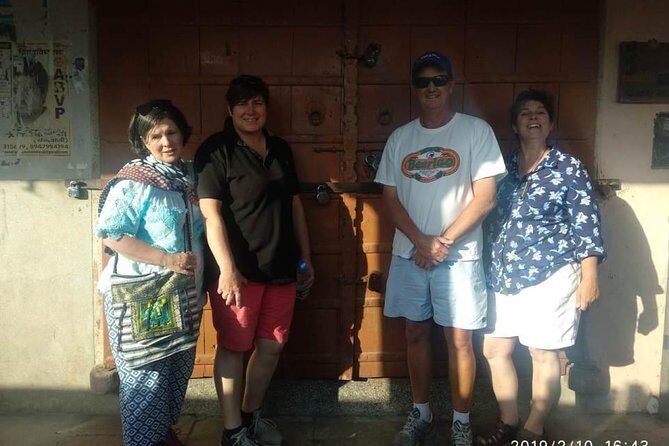
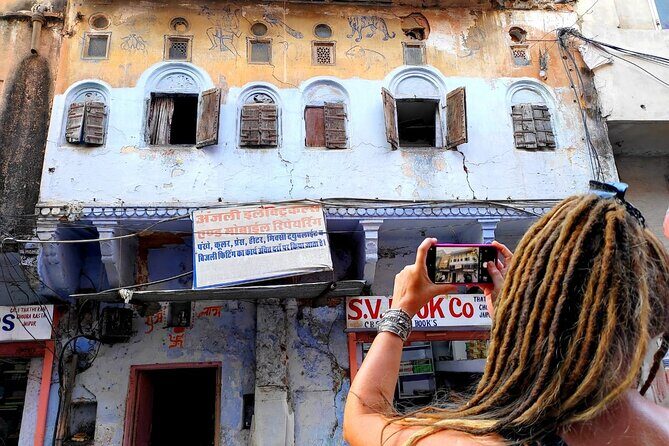
One of the best parts of this tour is that it doesn’t treat the market as one generic shopping street. Instead, you pass through specific bazaars with their own identity and purpose.
You’ll weave through traditional market areas like:
- Bridal market (where wedding-related goods set the tone for what’s valued)
- Flower market (you’ll notice how closely scent and daily rituals connect)
- Incense and spice market (smell hits you first, then you learn what you’re looking at)
- Vegetable and fruit market (a reminder that the food economy isn’t only for tourists)
And it’s not just a checklist. Each market teaches you how Jaipur’s daily life organizes around craft and ingredients. Spices don’t sit in a display; they’re sorted, handled, and used. Flowers aren’t random bouquets; they’re part of how people mark moments.
As you move through these places, you get an on-the-ground sense of what locals are buying for tonight’s meal versus what people seek for special events. That difference helps you shop with confidence. You’re not guessing what’s authentic—you’re seeing the supply chain in real time.
Artisan workshops: bangle, sweetmeats, turban, sculptor, and clay potter
This is where the tour gets personal in a good way. Jaipur’s old city isn’t just storefronts; it’s working spaces. You’ll see artisans at work such as:
- bangle maker
- sweetmeats maker
- turban maker
- statue sculptor
- clay potter
Watching the work changes how you shop. A textile or craft item stops being a product and starts being a process. You’ll pick up small practical cues: how hands move, how tools are used, and why certain finishes look the way they do.
There’s also a stronger sense of cultural identity when you see artisans working where they work daily, not in a staged showroom. It helps you understand why certain materials and styles show up again and again across the city.
You might also find a more hands-on feel in textile time. One past experience notes a block printing session as a standout. That kind of stop matters because it turns an item you could only look at into something you understand.
If you love craft details—stitches, patterns, ceramics, and how sweets are made—this part is often the reason people call the tour a keeper.
A few more Jaipur tours and experiences worth a look





Street-food tastings: chai tea, lassi, and Jaipur sweets
This tour uses food in a smart way: tastings aren’t random snacks. They’re part of understanding what Jaipur is like at street level.
You’ll get to taste classics such as:
- chai tea
- lassi
- sweets
It’s also built around timing. Because the tour flows through multiple markets, your food stops feel like natural pauses, not interruptions. You get a break from walking and a chance to compare flavors across locations.
Also, tasting helps you shop better. If you’re buying sweets to bring home or spices to cook with later, you’ll have a baseline for what tastes right to your palate. Food is the fastest way to understand the city without needing a history lecture.
One more practical benefit: you don’t have to plan meals around the tour. With tea/coffee included and street-food tastings built into the route, you can keep your schedule simple for the evening.
Chandi Ki Taksal special tea stop: included value that matters
The tour includes coffee and/or tea, plus a special tea stop in Chandi Ki Taksal. That sounds small, but it actually helps the whole experience run smoothly.
Markets can be warm, crowded, and mentally busy. Having a real pause with tea gives you a reset point. It also reduces decision fatigue. Instead of wondering where to stop for a drink, you know a tea break is part of the program.
This tea/coffee inclusion also improves the value math. At $10 per person, you’re paying for guidance, market access, rickshaw linking, and multiple food moments. Including beverages makes that package feel more complete.
Price and value: why $10 goes farther here
Let’s talk plain value. $10 for a 3 to 4 hour guided evening covering multiple bazaar types, plus rickshaw segments, plus tea/coffee and street-food tastings is a strong deal for Jaipur.
What you’re really buying isn’t just the route. You’re buying:
- local guidance so you don’t miss the key market areas
- reduced navigation stress in a busy old city
- time efficiency (you see several market categories in one session)
- access to artisans working in their normal rhythm
And since the tour is a group experience (with a maximum of 15 travelers), the guide’s focus is still possible without the cost of a private tour.
The main tradeoff is what you give up: it’s not a fully private, customizable pace. But from what’s described about the way guides handle requests, you can usually steer the experience toward what you care about most.
Shopping help without getting steamrolled
This is a market tour, so you should expect shopping. Good news: guides here are described as helpful with choices, not just pointing you at items and moving on.
People mention help from guides like Jai, and also Mr Singh, especially around textiles and selecting items. One experience highlights that purchases like shirts, kurtas, tablecloths, and other handmade goods can be found with serious professionalism and attention to what buyers want.
Another practical tip shows up clearly: go with empty space. If you buy textiles, ceramics, or anything handmade, the bag can disappear fast. A market tour is one of the easiest ways to leave Jaipur with more than you planned, so bring a plan for luggage capacity.
My advice: set a budget before you start wandering. Then use the guide to help you compare quality and style. It’s easier to say yes to the right item when you understand what you’re looking at.
Also, if you’re buying gifts, think in terms of light-but-meaningful items: textiles, small crafts, or food-related souvenirs. That keeps things manageable for travel.
Learning on the ground: caste system in everyday life
The tour notes that while you move through parts of the old city, you’ll grasp the caste system in India. This is important, and it’s also sensitive.
For you as a visitor, the best way to approach it is with curiosity and humility. Don’t treat it like a trivia topic. Treat it like part of how communities have historically organized work, skills, and social roles. When you see artisan neighborhoods and market specialties side-by-side, the concept stops being abstract.
You don’t need to understand every detail to get something real from this. What matters is that the guide ties social structure to daily life—how people work, how skills pass through communities, and why certain goods are associated with certain occupations.
If you’ve ever visited a market and wondered why some streets feel different, this is the part that gives you the missing context.
Who should book this market-and-food tour
This tour fits best if you want a guided way to see Jaipur beyond the big monuments. It’s ideal for:
- first-timers who don’t want to get lost in the old city
- food lovers who want chai, lassi, and sweets as part of the plan
- craft fans who like seeing artisans work
- shoppers who want practical help finding handmade items
It’s also good if you like your evening structured. If you prefer to roam on your own, you can. But you’ll spend more time figuring out what to do next and where to eat without feeling rushed.
One more fit detail: it’s described as suitable for most travelers, and it’s short enough to combine with other evenings. If you’re traveling as a group, the small size keeps it from feeling chaotic.
Should you book Pink City Street Food and Local Market Tour?
I’d book it if you want Jaipur to feel real in a few hours. The mix of bazaars, artisan workshops, and street tastings is exactly what makes Jaipur markets memorable. And because Rickshaw rides handle longer stretches, you’re not forced into nonstop lane-walking.
Skip it (or at least think twice) if you hate crowds or you need a slow, quiet tour with minimal walking. Market lanes are active. They’re meant to be. That energy is part of the point.
If your main goal is a monument-heavy itinerary, this isn’t that kind of tour, and monument entry fees aren’t included anyway. But if your goal is to understand how Jaipur eats, makes, and trades, this $10 evening plan is hard to beat.
FAQ
What time does the Pink City Street Food and Local Market Tour start?
The tour starts in the evening at 5 PM.
How long does the tour last?
It runs for about 3 to 4 hours.
Where is the meeting point?
You meet at 110, Hawa Mahal Rd, Chandi Ki Taksal, J.D.A. Market, Sirahdeori Bazar, Jaipur, Rajasthan 302002, India.
Is the tour group-based and how many people go?
Yes. It’s a group tour with a maximum of 15 travelers.
What food and drinks are included?
The tour includes coffee and/or tea, including special tea in Chandi Ki Taksal, plus street-food tastings such as chai tea, lassi, and sweets.
Are monument entry fees included?
No. Monuments entry fees are not included.
Does the tour involve rickshaw rides?
Yes. The tour includes rickshaw rides for longer distances, along with walking through bazaars.
What if I need to cancel?
You can cancel up to 24 hours in advance for a full refund.
Is confirmation provided after booking?
Yes. Confirmation will be received at the time of booking.