REVIEW · JAIPUR
Large Group / Family Vegetarian Cooking Class in Jaipur with an Expert Home Cook
Book on Viator →Bookable on Viator
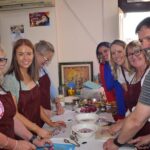
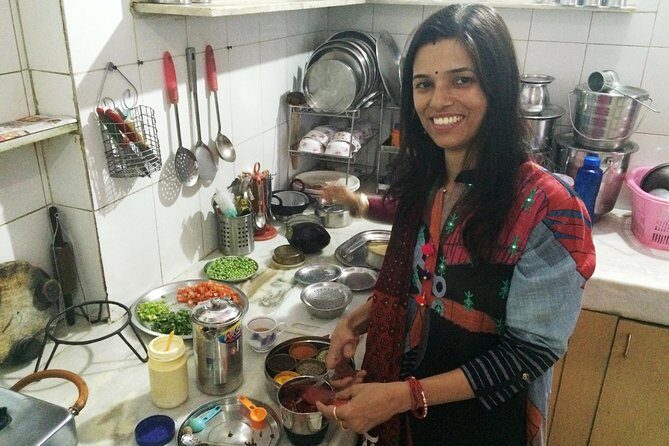
Cooking in someone else’s kitchen is a fast way to learn a city. In Jaipur, this class takes you into Shalini’s home kitchen to make Rajasthani vegetarian dishes with her and her mother-in-law.
I especially liked how hands-on it is, from chopping and stirring to learning the steps behind dishes like baingan ka bharta and mattar paratha. I also loved the family feel: Shalini’s home is welcoming, and you end up chatting with her family while you cook and eat. One thing to consider is that this is in a residential home, so you’ll want to be comfortable moving through a real domestic space rather than a shiny demo kitchen.
In This Review
- Key highlights at a glance
- Step into a real Jaipur home kitchen
- What you’ll cook: 4–5 Rajasthani vegetarian dishes (plus breads)
- The 3-hour flow: cooking, then a family-style feast
- Why this class feels more authentic than a demo-style workshop
- Price and value: what $50 buys you in Jaipur
- Who should book this (and who might want to skip it)
- Practical tips for getting the most from your cooking session
- Should you book this Jaipur family vegetarian cooking class?
- FAQ
- Where does the cooking class start?
- How long is the experience?
- Is the experience private?
- Is it vegetarian?
- How many dishes will I learn to cook?
- What specific dishes might be included?
- Who teaches the class?
- What happens during the meal?
- Will I get a ticket or booking confirmation?
- What is the cancellation policy?
- Is a service animal allowed?
Key highlights at a glance
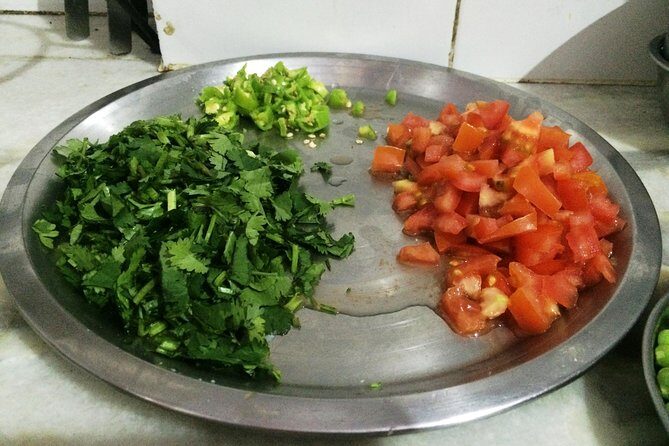
- Family home setting in Jaipur with Shalini and her mother-in-law in the kitchen
- Hands-on cooking of 4–5 traditional Rajasthani vegetarian dishes
- Popular regional dishes on the menu, like baingan ka bharta, panchmel ki sabzi, and masala bhindi
- Two bread types may be included, like rotis and mattar paratha
- A shared sit-down meal at the dining table with your host and family
- You’ll eat more than what you cook, since extra dishes are prepared in advance
Step into a real Jaipur home kitchen
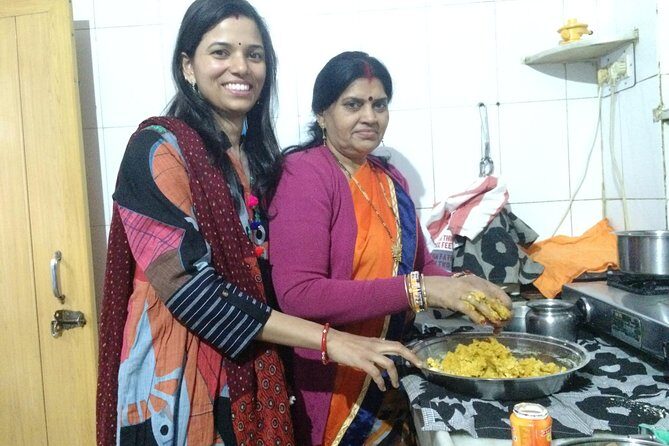
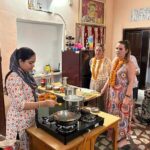
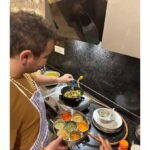
You meet at Krishna Residency in Jaipur, then you head to the home kitchen where the cooking actually happens. This isn’t a stage-and-stand-back lesson. You’ll be working with your host, following along as Shalini and her mother-in-law guide you through the process.
What makes this experience work is the pacing. You’re not only shown recipes—you’re taught how a home cook makes choices in real time. That means you get practical technique, not just a list of ingredients.
And yes, it also feels personal. In the class I’m describing here, Shalini goes out of her way to help with directions and welcomes you like you’re part of the evening. You’ll likely have casual conversation with her family while you cook, which turns the class into more than a checklist activity.
You can also read our reviews of more cooking classes in Jaipur
What you’ll cook: 4–5 Rajasthani vegetarian dishes (plus breads)
This is a vegetarian-focused class, centered on Rajasthani dishes. The exact lineup can shift with what’s seasonal and what the kitchen is making that day, but the core set gives you a strong look at the region’s flavor style.
Here are dishes you might cook during your 3 hours:
- Baingan ka bharta: spiced, mashed eggplant, the kind of dish that shows how smoky, earthy flavors can be built at home
- Panchmel ki sabzi: a five-vegetable dish that’s a great snapshot of how Rajasthani cooking balances variety on one plate
- Masala bhindi: spiced okra, where the technique matters so it doesn’t turn slimy and bland
- Gourd and dal: you may make a vegetable dish with gourd and also learn a dal (lentil) component
- Rotis and mattar paratha: you may make both types of Indian flat bread, so you get to compare techniques and textures
The class format usually targets 4–5 dishes you participate in, plus additional food prepared by Shalini and her family ahead of time. That’s a smart setup. You get the learning value of hands-on cooking, and you also get a full table without worrying you have to manufacture the entire meal alone.
One practical tip: if you’re the type who reads recipes later, take mental notes while you cook. Ask small questions as you go—when to adjust spices, how to tell if dal is at the right consistency, or what makes a paratha fold and cook well. The class is designed for this kind of back-and-forth.
The 3-hour flow: cooking, then a family-style feast
The session runs about 3 hours. It starts at the meeting point near Krishna Residency, then moves into Shalini’s home where you’ll cook, eat, and share the meal together.
Here’s how the day typically unfolds:
1) Arrive and get oriented in the kitchen
You’ll join Shalini and her mother-in-law as they set up the ingredients and explain what you’ll make. This early stage matters because it prevents that classic cooking-class mistake: getting halfway through and realizing you didn’t understand the order of steps.
2) Hands-on cooking of multiple dishes
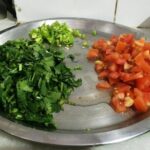
You’ll cook 4–5 Rajasthani vegetarian dishes, with vegetables and lentils as part of the mix. You might work on one or two seasonal vegetables, then rotate into other components like dal and bread.
3) Make (or learn) Indian breads like rotis and mattar paratha
Breads are where technique shows. When you learn to handle dough and cooking time on the pan, you stop thinking of recipes as written instructions and start thinking of them as doable steps.
4) Sit down together and eat
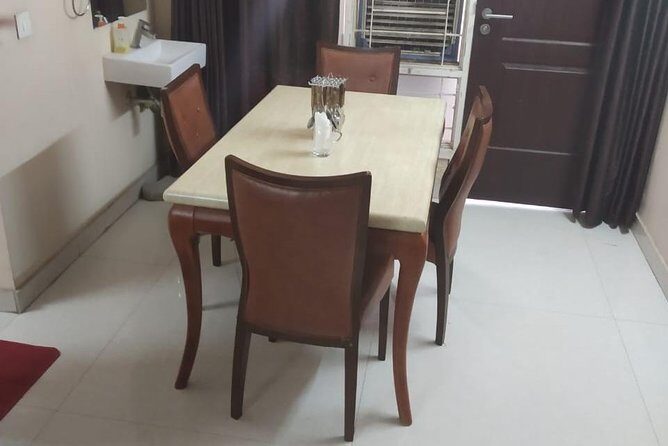
After cooking, you’ll share a meal at the dining table with Shalini, her family, and your group. You’ll also eat other dishes prepared in advance, so the table feels complete and satisfying rather than rushed.
The meal part is a big deal. Eating what you helped cook is the fastest way to understand balance—how spicy it is, how rich it feels with the bread, and how the vegetable dishes play off the dal. If you go into this class hungry, good. You’ll leave happier.
Why this class feels more authentic than a demo-style workshop
A lot of cooking classes teach you to follow steps. This one teaches you how a home cook thinks.
First, the teaching is built around real kitchen habits. Shalini and her mother-in-law guide you while you do the work, and the process reflects how people in Jaipur cook day to day. That means you get tips about timing and technique that you’d miss if everything was pre-measured and prepped like a TV show.
Second, the experience has that lived-in warmth that turns a class into a social evening. Shalini’s family welcomes you, and you may end up talking with her sons while the food is cooking. It’s a reminder that this isn’t only about recipes—it’s about sharing a table in Rajasthan.
Third, the menu selection is actually useful. Dishes like panchmel ki sabzi and masala bhindi give you a broader view of vegetarian Rajasthani cooking, not just one signature item. Then the breads help you understand the full meal rhythm.
A small consideration: because it’s in a residential home, you’ll be moving in a real domestic setting. If you prefer ultra-controlled environments, keep expectations grounded. Here, the charm is that it’s normal life, just with extra spice lessons.
Price and value: what $50 buys you in Jaipur
At $50 per person for about 3 hours, the best way to judge value is by what’s included: you cook multiple dishes, you get instruction from an expert home cook, and you share a full meal prepared both by you and by Shalini’s family.
This isn’t a quick snack session. You’re investing time and getting:
- hands-on practice making 4–5 Rajasthani vegetarian dishes
- learning bread techniques with rotis and mattar paratha
- a shared sit-down meal with extra dishes prepared ahead of time
If you’ve been doing Jaipur sightseeing day after day, this class is a different kind of ticket. You’re not just collecting photos—you’re collecting skills you can bring home. And even if you don’t cook often later, you’ll still leave with a clearer sense of how Rajasthan’s vegetarian flavors are built.
Also, because it’s private for your group, you’re not competing for attention in a crowded room. That matters for learning, especially when you’re working on dough, spices, and consistent doneness.
A few more Jaipur tours and experiences worth a look





Who should book this (and who might want to skip it)
This experience is a great match if you want:
- a vegetarian food experience that’s specifically tied to Rajasthan
- a hands-on class where you actually cook, not just watch
- an evening that includes conversation and a shared family meal
- practical techniques you can reuse later
It’s also ideal if you’re tired of the same tourist circuit and want something that feels local fast. A home kitchen does that.
You might think twice if:
- you need a perfectly polished, commercial setting with lots of personal space
- you want an extensive menu with very detailed written recipes (this class is more about doing and tasting than handing out manuals)
- you’re short on time and can’t fit a steady ~3-hour block
Practical tips for getting the most from your cooking session
You’ll enjoy this more if you go with the right mindset. Cooking at someone’s home works best when you stay curious and flexible.
A few smart moves:
- Ask quick questions mid-step, not after everything is done. Timing is everything for dal, vegetables, and bread.
- Taste as you cook when your host offers guidance. You’re learning balance, not just memorizing steps.
- Come hungry, because the meal is the payoff. You’ll eat food you helped make plus extra dishes prepared in advance.
- Plan for a residential setting and wear comfortable clothes you don’t mind getting a little kitchen-scented.
- Use the directions help you’re given. Getting there smoothly makes the first five minutes feel calm instead of stressful.
Should you book this Jaipur family vegetarian cooking class?
If you want an authentic Jaipur experience that’s hands-on, vegetarian, and centered on real home cooking, I think this is an easy yes. The combination of learning multiple Rajasthani dishes, sharing a family meal, and getting personal attention makes it feel like a genuine evening rather than a transactional activity.
Book it especially if you:
- like food learning that actually ends with you eating what you made
- prefer smaller, private, human-scale experiences
- want to experience Rajasthan through flavors and daily kitchen routines
Skip it if you’re looking for a high-tech cooking lab or a long lecture. This is best when you’re ready to roll up your sleeves and let a family kitchen teach you by doing.
FAQ
Where does the cooking class start?
It starts at Krishna Residency, H-31, Hem Marg, Ganesh Nagar, Ramnagar, Jaipur, Rajasthan 302019, India.
How long is the experience?
The class runs about 3 hours.
Is the experience private?
Yes. It’s private for your group only.
Is it vegetarian?
Yes. The cooking class focuses on vegetarian Rajasthani dishes.
How many dishes will I learn to cook?
You’ll learn to cook 4–5 traditional Rajasthani dishes.
What specific dishes might be included?
You might cook items such as baingan ka bharta, panchmel ki sabzi, masala bhindi, gourd and dal, and breads like rotis and mattar paratha.
Who teaches the class?
Shalini teaches along with her mother-in-law.
What happens during the meal?
After cooking, you’ll sit together with Shalini’s family and your group to enjoy the meal, including dishes you helped prepare and additional dishes prepared in advance.
Will I get a ticket or booking confirmation?
You’ll receive a mobile ticket, and confirmation is received within 48 hours of booking, subject to availability.
What is the cancellation policy?
You can cancel for a full refund up to 24 hours before the experience starts. If you cancel less than 24 hours in advance, the amount paid isn’t refunded.
Is a service animal allowed?
Yes, service animals are allowed.