REVIEW · JAIPUR
Pink City Cooking Class
Book on Viator →Operated by Pink City Cooking Class · Bookable on Viator
Cooking in a Jaipur home beats food tours. The Pink City Cooking Class turns a few hours in the neighborhood into a hands-on lesson with Chef Dimple and Bunty, using farm-fresh vegetarian ingredients in a real kitchen. I love the step-by-step teaching style, and I love that you actually eat what you cook, not just watch it happen.
One possible drawback: the experience requires good weather, so if conditions are poor you may be offered a different date or a full refund. I’d also plan to arrive a few minutes early, since the class is based around one set meeting point at 17-A, Manu Marg, Amer Rd.
This is built for small groups (maximum 15 people) and runs about 3 hours. You’ll get a recipe e-book, plus bottled water, and the whole setup is designed so you can do it yourself later.
In This Review
- Key highlights you’ll feel right away
- Pink City Cooking Class in Jaipur: a home-kitchen lesson you’ll actually use
- Meet Bunty and Chef Dimple: warm teaching, real hospitality
- What you’ll cook in about 3 hours: rotis, dal, paneer, and masala chai
- A farm-to-kitchen approach: masala and vegetables from their own source
- How the class actually runs: hands-on cooking, clean workspace, and spice tuning
- The learning payoff: turning curry and bread into repeatable skills
- Price and value for about $27.90 in Jaipur
- Where to go and when: 17-A, Manu Marg near Amer Road
- Who should book this cooking class (and who might prefer something else)
- Should you book the Pink City Cooking Class?
- FAQ
- How long is the Pink City Cooking Class?
- Is the cooking class vegetarian?
- Who teaches the class?
- What dishes do you learn to make?
- Do I get recipes to take home?
- What if the weather is bad?
- Can I cancel and get a refund?
Key highlights you’ll feel right away
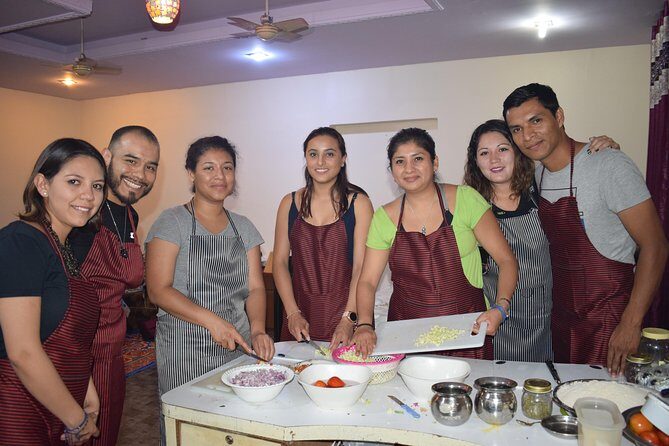
- A home-kitchen setup, not a demo stage: you’ll cook alongside Chef Dimple and Bunty.
- Farm-sourced ingredients for masala and vegetables: you’ll hear the story behind what goes into the food.
- Rajasthani/North Indian focus: expect basics like rotis/chapati, dal, and other regional dishes.
- Step-by-step pacing with spice control: the spice level can be adjusted to your group.
- You leave with an e-book recipe set: useful if you want to recreate the dishes at home.
- Small group size (up to 15): easier hands-on attention and a calmer pace.
Pink City Cooking Class in Jaipur: a home-kitchen lesson you’ll actually use
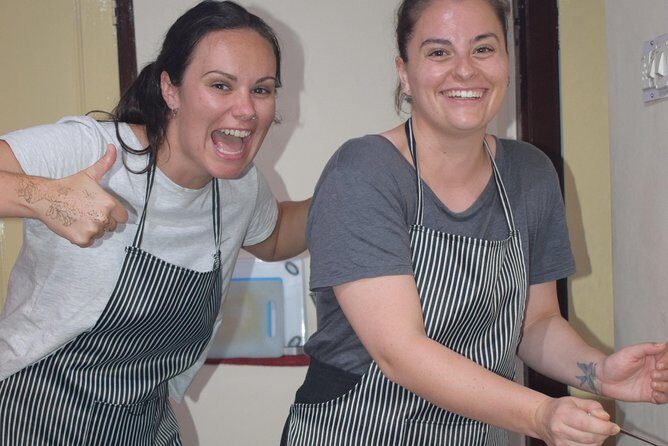
Jaipur’s called the Pink City for a reason, but the best part of this experience isn’t the view from a car window. It’s what happens inside a family-style kitchen: you learn how vegetarian Indian cooking works in practical steps, using ingredients that are handled with care, not just traded through a scripted demo.
The class is centered on the kind of cooking people grow up with—home style, conventional, and tuned to daily life in Jaipur. That matters because Indian cooking can feel mysterious if you only see finished dishes in restaurants. Here, you get the “why” behind textures and flavors: when masala goes in, how heat changes spices, and how the basic dough or batter becomes something you can repeat.
I also like that the atmosphere feels social. You’re not isolated at a distance. You move around the workspace, ask questions as you go, and get guidance that stays grounded in what you’re doing at that moment.
You can also read our reviews of more city tours in Jaipur


Meet Bunty and Chef Dimple: warm teaching, real hospitality
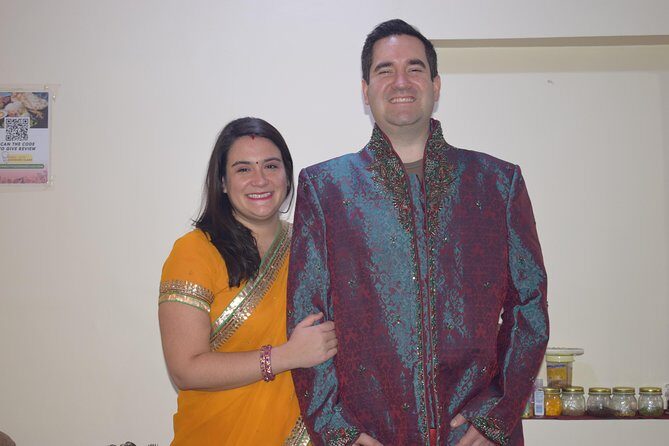
The heart of the class is Bunty and Chef Dimple. They run the cooking experience as a family operation, and it comes through immediately when you arrive. People often expect a “teacher vs. student” vibe in cooking classes. This one feels more like you’re welcomed into their space and guided through a meal that’s part education and part shared time.
Bunty’s role comes through as the teaching anchor—clear, patient, and genuinely invested in making sure you understand the steps. Chef Dimple adds the calm hospitality side: you’re cooking, yes, but you’re also being looked after.
That combination is a big deal for first-timers. Indian recipes can look intimidating—long ingredient lists, lots of spice names, and steps that seem tied to timing. Here, the guidance is built around breaking things into manageable actions, and it helps you avoid the common beginner mistake: rushing ahead without understanding what each step is doing.
What you’ll cook in about 3 hours: rotis, dal, paneer, and masala chai
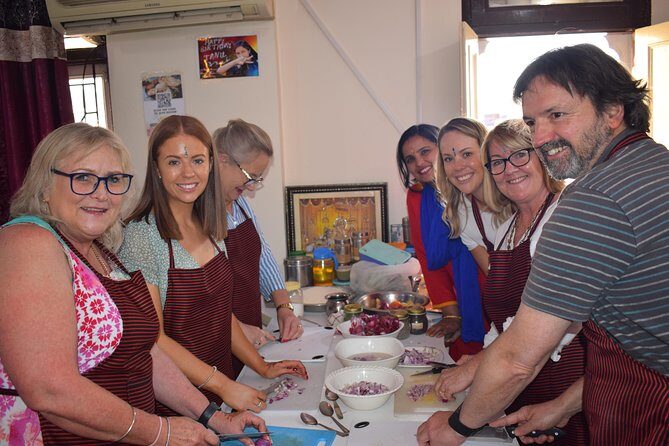
The class is designed to be hands-on and interactive, with multiple vegetarian recipes in roughly 2–3 hours (the total time is listed as about 3 hours). Exactly which dishes you make can vary by the class schedule, but the recurring favorites include staples and well-known North Indian/Rajasthani dishes.
From what you’ll see on the menu during the session, you can expect a mix like:
- Chapati/roti (the foundational bread technique)
- Dal (lentils cooked with spices)
- Pakoras (fried snack-style preparation)
- Paneer curry (creamy cheese-based curry)
- Jeera rice (cumin rice basics)
- Masala chai (tea spiced the Indian way)
You’ll also learn the underlying techniques, not just the final dish. For example, rotis aren’t only about flattening dough—they’re about getting the texture right and handling the dough so it cooks evenly. Dal becomes a lesson in layering flavor and learning how spices behave in hot oil. Pakoras teach you batter consistency and frying timing.
And chai is a sneaky highlight. It’s quick compared to the rest of the meal, but it gives you a complete sense of Indian flavor building—warm spices, milk, sweet balance, and aroma.
If you’re a serious home cook, you’ll like this setup because the recipes are structured for repetition. If you’re a total beginner, you’ll still feel progress because the class breaks cooking into steps you can follow and practice.
A farm-to-kitchen approach: masala and vegetables from their own source
One of the more practical details here is ingredient sourcing. The class uses fresh produce from the hosts’ own farm, including vegetables and masala inputs. You’ll also be cooking with filtered water, and bottled water is provided for you during the class.
Why does this matter beyond the nice story? Two reasons.
First, fresher ingredients behave differently. Spices and vegetables contribute flavor in a more direct way when they aren’t picked days ago and left to lose aroma. That makes the learning curve easier because your “result” starts closer to what the recipe is aiming for.
Second, filtered water and clear preparation rules reduce random problems. If you’ve cooked abroad and had watery curries or off-tasting results, you know how much water quality and measurement changes outcomes. This class keeps those variables under control so you can focus on technique.
It also signals that the class is built for education, not just meal entertainment. They want you to take the process home and have it work in your own kitchen.
How the class actually runs: hands-on cooking, clean workspace, and spice tuning
Even though you’re cooking at a home, the setup is organized. People comment on the cleanliness and the way the space is kept during the session, which makes a difference when you’re learning knife skills, stirring pots, and working close to heat.
The typical flow is:
- You arrive, settle in, and get instructions for what you’ll make.
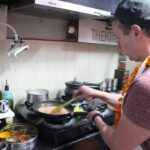
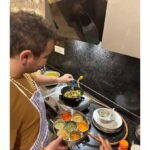
- You cook alongside the host, with step-by-step guidance.
- You adjust based on their coaching—especially where spice and texture are concerned.
- You finish with the meal you made, including bread/rice and curry/snack components.
- You take home the recipes as an e-book so you can recreate it later.
A standout feature is spice control. The host team can adjust spice level to match the group’s preference. That’s one of the simplest ways to turn a class from “pleasant but overwhelming” into “actually fun.” If you’re sensitive to heat, tell them early and you’ll get cooking guidance that fits your comfort level.
You’ll also learn pacing. Indian cooking isn’t only about ingredients; it’s about timing. Spices go in at specific moments, bread needs attention at the right stage, and fried items need consistent heat. In a good class, you learn those rhythms without being rushed or embarrassed.
You can also read our reviews of more cooking classes in Jaipur

The learning payoff: turning curry and bread into repeatable skills
A big reason this class earns such strong loyalty is that it teaches fundamentals—how the building blocks fit together. When you master basics like roti/chapati, dal, and curry method, you gain a toolkit you can use with whatever vegetables and pantry spices you have.
You’ll also leave with a recipe e-book. Even if you take notes during class, this helps more than you might expect. Indian dishes often rely on ratios and small decisions (how thick the batter should be, how long to cook aromatics, when to add certain spice mixes). Having a written guide makes it easier to reproduce results at home.
And if you’re thinking, I might forget all the steps, you’re not alone. The e-book is the safety net that keeps the class from turning into one nice evening that disappears the next day.
Price and value for about $27.90 in Jaipur
At about $27.90 per person, this is positioned as an accessible, high-value activity for Jaipur. The price works because you’re not just buying a tasting—you’re paying for guided cooking, ingredients used during the session, and take-home recipes.
Here’s where that value usually shows up:
- Hands-on instruction with a small group (max 15 people), which often means more time with the host.
- Multiple recipes in one session, so you’re not paying for a single dish.
- Fresh produce and masala used for cooking, plus filtered water and bottled water provided.
- Recipe e-book after class, which extends the experience beyond the evening.
If your travel budget is tight, I still see this as a smart pick because it replaces a pricey meal and gives you skills you can use later. If you’re expecting a luxury, plated-food experience, this isn’t that. It’s an efficient, practical class built around home cooking.
Where to go and when: 17-A, Manu Marg near Amer Road
The meeting point is 17-A, Manu Marg, Amer Rd, Govind Nagar West, Brahampuri, Jaipur, Rajasthan 302002. The class ends back at the meeting point, so you don’t have to plan a separate drop-off.
The location is described as near public transportation. Still, I’d plan for local navigation time, because Jaipur addresses and lanes can be confusing even when you have the right area. If you can, arrive a little early so you can find the exact entrance and settle in before cooking begins.
Timing-wise, think of this as an afternoon or early evening plan with about 3 hours total. The class is weather-dependent, so check conditions on the day. If the weather turns and the session is rescheduled, you’ll want flexibility.
Who should book this cooking class (and who might prefer something else)
This class is a great fit if you:
- Want vegetarian Indian cooking done in a home style way
- Are new to Indian cooking and want step-by-step guidance
- Like learning technique—especially for rotis/chapati, dal, and curry method
- Care about taking recipes home in a format you can use later
- Prefer a small group over a large, rushed workshop
You might think twice if you:
- Want a class centered on non-vegetarian dishes (this one focuses on vegetarian recipes)
- Need a strict “only English, no conversation” style experience. You’ll be speaking and interacting as part of the family kitchen environment.
Also, if you’re a spice absolutist and want heat at every step, you can probably get there by asking—but the class is also set up to adjust spice levels to the group, which helps most people.
Should you book the Pink City Cooking Class?
I’d book it if you want a Jaipur experience that’s more than a photo stop. This is about learning how the food is made—bread, lentils, curry-style dishes, and masala chai—with a team that takes teaching seriously and keeps the kitchen organized.
Choose it if you’re chasing value: small group attention, farm-fresh inputs, bottled water, filtered cooking water, and a recipe e-book to take home. And if you’re even a little curious about Rajasthani/North Indian basics, this gives you the kind of foundation that turns future meals into experiments instead of just consumption.
If weather is an issue on your dates, keep some flexibility. Otherwise, it’s an easy yes for anyone who wants a real, practical flavor of the Pink City—inside a home, with hands on the ingredients.
FAQ
How long is the Pink City Cooking Class?
The class runs about 3 hours (approximately 2–3 hours of active experience).
Is the cooking class vegetarian?
Yes. The class focuses on vegetarian recipes and vegetarian Indian cuisine.
Who teaches the class?
Chef Dimple and Bunty teach and guide the cooking during the session.
What dishes do you learn to make?
You’ll learn multiple vegetarian dishes. The class commonly includes items such as chapati or roti, dal, pakoras, paneer curry, jeera rice, and masala chai, depending on the session.
Do I get recipes to take home?
Yes. You receive a recipe e-book that you can use after the class.
What if the weather is bad?
The experience requires good weather. If it’s canceled due to poor weather, you’ll be offered a different date or a full refund.
Can I cancel and get a refund?
Yes, cancellation is free. You can cancel up to 24 hours in advance for a full refund. If you cancel less than 24 hours before the start time, the amount paid isn’t refunded.