REVIEW · JAIPUR
Guided Morning Bicycle Tour with Food Tasting in Jaipur
Book on Viator →Operated by Seagull Jaunt · Bookable on Viator
Jaipur looks different from a bicycle seat. This guided morning ride through the Walled City mixes street-level sightseeing with local food tasting that feels built for real life, not just photos. You’ll cruise past landmark facades at a slow pace, with explanations that connect the architecture to daily routines in Jaipur.
Two things I really like: the food stops (tea first, then snacks, and ending with kullhad lassi) and the way the guide turns the ride into a conversation about culture, heritage, religion, and cuisine. I also like that you’re not stuck waiting—there’s a clear flow of short stops and quick getting-on-and-off moments.
One drawback to plan around: this is an outside-view tour only. You’ll see the big sights from the streets, and admission tickets for some places aren’t included, so if you want to go inside monuments, you’ll need a separate plan.
In This Review
- Key highlights that make this tour worth your morning
- Why this Jaipur bike tour works so well at 2:30 to 3 hours
- Meeting up near Raj Mandir: the start point that gets you rolling fast
- The Walled City warm-up: Raj Mandir, Panch Batti, Ajmeri Gate
- Ram Niwas Garden: biking with less traffic and more morning calm
- Pink City facades from the street: Chardiwari, Hawa Mahal, and what they mean
- Govind Devji Temple Garden: local ritual and morning movement
- Thatheron ka rasta: artisan work without machines and a food stop that feels local
- Food and drink timing: tea first, snacks mid-ride, kullhad lassi to close
- The guide factor: Umesh and why the morning feels personal
- Price and value: what $33.40 buys you on a guided bike day
- Safety and comfort: tandem, e-rickshaw, and the road rules of the morning
- Who should book this Jaipur bicycle tour
- Should you book this morning ride in Jaipur
- FAQ
- How long is the guided morning bicycle tour in Jaipur?
- What does the price include?
- Are monument tickets included?
- What places do we see during the ride?
- Can children or riders with health issues join?
- What if the weather is bad?
Key highlights that make this tour worth your morning
- Bike captain + escort setup so everyone rides safely, with one leader up front and support trailing behind
- Tea stall tasting first, kullhad lassi at the end to anchor the whole tour around food you can actually eat in Jaipur
- Thatheron ka rasta artisan street where you watch brass utensil makers work without machines
- Laughing yoga and morning movement at Govind Devji Temple Garden, plus interaction with local people
- Tandem bikes and e-rickshaws for family members who can’t paddle or need extra support
- Outside-only sightseeing that keeps the pace light and morning traffic manageable
Why this Jaipur bike tour works so well at 2:30 to 3 hours
This tour is built around the rhythm of a morning in Jaipur. You get enough time to cover key sights in the historic area, but the stops are short, so the overall experience stays energetic instead of rushed.
At $33.40 per person for about 2 hours 30 minutes to 3 hours, the value comes from three buckets: transportation (a bicycle plus helmets), food (tea, snacks, and kullhad lassi), and guided context (architecture, religion, cuisine, and everyday Jaipur life). In other words, you’re paying for more than sightseeing—you’re paying for direction and taste.
It’s also a private tour, meaning it’s just your group. That matters on a bike tour, because you can keep your pace and not spend time waiting for other schedules to catch up.
You can also read our reviews of more food & drink experiences in Jaipur


Meeting up near Raj Mandir: the start point that gets you rolling fast
You start at Raj Mandir Cinema on Bhagwan Das Road (C-16, Panch Batti, C Scheme area). The location is easy to find in the city’s main zone, and the tour ends back at the same meeting point, so there’s no end-of-tour scramble.
Right from the start, the logistics feel intentional. You’ll ride with good-quality helmets, and the team uses a “captain up front, escort at the back” method so nobody gets left behind. If you’re the type who hates feeling lost in traffic, this setup is a big deal.
You also have flexibility. The tour offers tandem bicycles and e-rickshaws, including options for children or older family members, and for anyone who has a health issue that makes regular pedaling difficult.
The Walled City warm-up: Raj Mandir, Panch Batti, Ajmeri Gate
The first stretch is designed for an easy mental “switch” from modern Jaipur to the historic plan of the old city. You stop at Raj Mandir Cinema, which is described as Jaipur’s oldest movie theatre and known for opulent interior style. Since the tour focuses on outside viewing, you’re not locked into long entry lines; you get the context and the street-level sense of the place.
Next is Panch Batti, where the ride slows so you can really take in rows of pink-terracotta buildings. The architecture here is the point. At bike speed, you can actually notice details that you’d miss from a car window, especially when the guide points out how the city looks and why it was built the way it was.
Then comes Ajmeri Gate, which marks where the actual walled city begins. You get views of Jaipuri art on the walls and the huge doorways that historically protected local areas from foreign invaders in the era of the Maharajas. This stop is short, but it’s one of those “this explains the city layout” moments.
Ram Niwas Garden: biking with less traffic and more morning calm
In many cities, the morning commute dominates. Here, traffic is not allowed in the morning hours in Ram Niwas Garden, so your ride feels calmer and more relaxed. That alone changes the experience—less noise, less stress, and more room to look around.
This is also where the tour leans into the “why” behind sightseeing. You’re not just moving from one famous facade to another. You’re learning how planners and builders shaped open spaces and corridors, and how morning movement fits into daily life.
The stop is about 15 minutes. Some places list admission not included, so if you were hoping for inside access, don’t count on it in this format. The value here is the ride through the garden roads and the broader atmosphere.
Pink City facades from the street: Chardiwari, Hawa Mahal, and what they mean
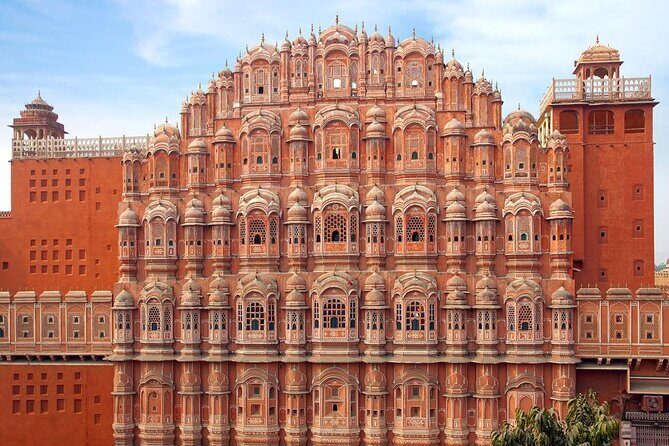
After the quieter garden segment, you shift back to the most photogenic zone: the Pink City. A major highlight is crossing into the area tied to the Chardiwari, described as the outer walls built to protect the palace complex. This is where Jaipur’s planning becomes more than a concept. You can literally feel how walls and gateways shape how people move.
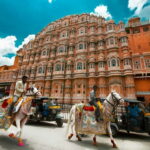
The tour also includes a stop near Hawa Mahal (Palace of Wind). You get the iconic façade view with the “bunch of windows” design made to supply cool air to the main palace complex. If you’ve only seen Hawa Mahal from pictures, this is the moment to see why those windows matter beyond aesthetics.
Just keep your expectations aligned with the format: you’re getting the sights from outside. Some entries show admission not included, but the tour’s core promise is street-level viewing and guided explanation, not monument interior time.
A few more Jaipur tours and experiences worth a look





Govind Devji Temple Garden: local ritual and morning movement
This is where the tour stops feeling like a standard sightseeing loop and starts feeling more like a morning with locals. At Govind Devji Temple, you’re guided to the temple garden area with food markets and special food streets nearby as part of the overall experience.
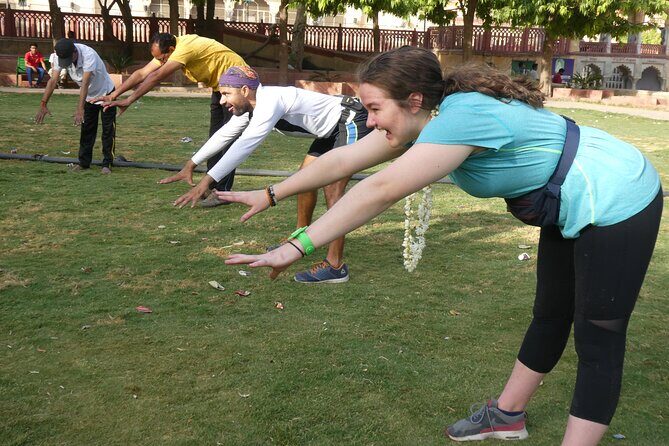
The program includes laughing yoga at Govind Devji Temple Garden. That’s not the type of thing most people schedule on purpose, but on a morning bike tour it makes sense: it’s light, social, and it gets you switched into a more playful mood for the rest of the ride.
The tour also mentions interaction with local people and the chance to dance on sacred songs, plus a morning exercise session. Even if you don’t go fully “performer mode,” you’ll still feel the difference from a ride where everyone keeps their headphones on and stares ahead.
Thatheron ka rasta: artisan work without machines and a food stop that feels local
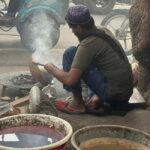
If you want one place that explains why Jaipur is famous beyond monuments, it’s Thatheron ka rasta. This is the utensil makers’ street, where you can see artisans working without machines in the traditional way.
There’s also a hands-on element: you can try making a brass utensil yourself if you want. That’s the kind of activity that turns a curiosity into understanding—because once you try, you get why the process takes patience and skill.
Right alongside this artisan stop, the tour builds in food. It’s described as a chance to experience Jaipur’s best food joints like a local. So you’re not waiting for lunch later in the day. You’re eating while the street scene is still in front of you.
Food and drink timing: tea first, snacks mid-ride, kullhad lassi to close
Food is not an afterthought here—it’s staged like a mini journey through Jaipur tastes.
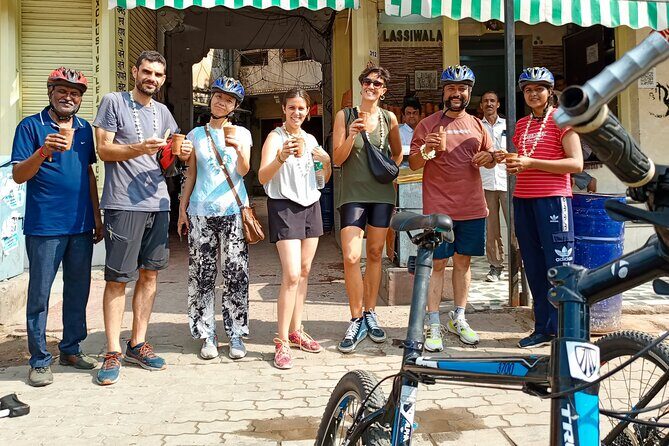
You’ll start with coffee and/or tea served in traditional style from a tea stall in the walled city area. This matters because the drink doesn’t just fill a cup. It sets the tone for the streets you’re about to ride through.
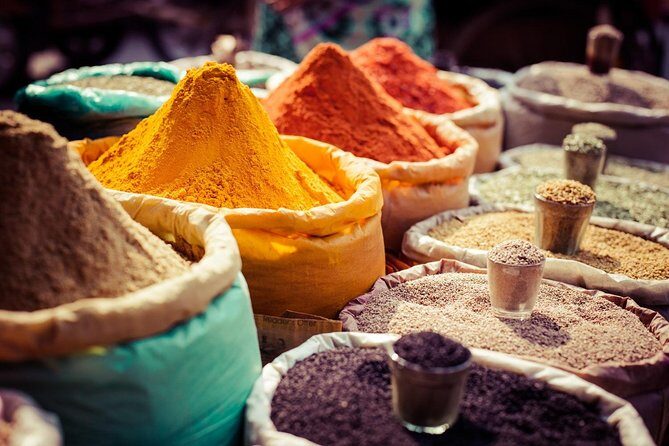
Snack time follows with traditional fried treats and sweets like potato and chili fritters, plus options such as kachori, pakodas, and jalebi. The mix gives you variety without forcing you into a full meal plan before you’re even done biking.
Then the tour ends with kullhad lassi, described as churned yogurt shake served at the end of the tour. That finish is smart: the timing pairs well with a bike ride, and it gives you one “I’m done with the city circuit” taste.
You’ll also get bottled mineral water during the ride.
The guide factor: Umesh and why the morning feels personal
A bike tour rises or falls on the guide. In this case, the experience is consistently praised for energy and care, and the guide named in the standout feedback is Umesh.
What I’d bet you’ll feel quickly is that Umesh doesn’t treat the route as a checklist. He’s described as passionate and able to explain the best experiences in the right order. And the food parts are handled with attention, including surprises along the way.
If you like guides who help you understand what you’re seeing—how religion and daily habits show up in streets and markets—this format delivers. The tour is built around answering questions about culture, heritage, architecture, religion, cuisine, and day-to-day Jaipur life.
Price and value: what $33.40 buys you on a guided bike day
At $33.40 per person, you’re paying for:
- a bicycle experience with good-quality helmets
- the guided ride with a captain and escort safety model
- coffee and/or tea
- multiple snack tastings
- kullhad lassi
- bottled water
- optional support via tandem bikes and e-rickshaws, including help for infants with a buckled safe seat
For many visitors, the “hidden cost” of a city food day is time. You waste it hunting for places and guessing what’s worth it. Here, the food is planned into the route, so you can spend your morning on biking and learning instead of negotiating menus.
And because it’s outside view only, you’re not paying for monument entrances as part of the main structure. You get the city look and the stories that connect them.
Safety and comfort: tandem, e-rickshaw, and the road rules of the morning
This tour clearly anticipates mixed groups. If someone can’t paddle, doesn’t want to pedal, or has health concerns, you’ll have e-rickshaw ride options and tandem bicycles. The tour also provides a buckled safe seat for infants on the bicycle setup.
That matters because Jaipur street energy can be intense. A captain leading the ride and an escort riding at the back is the kind of practical detail that keeps the group together and reduces panic stops.
Also, because you’re biking as a group for just under three hours, you’re less likely to feel like you’re on a whole-day workout. It’s a short enough window that the city stays fun.
Who should book this Jaipur bicycle tour
Book it if you want a morning that mixes historic streets + local food in one smooth loop. You’ll likely enjoy it if you like architecture, city planning, and explanations that connect what you see to how people actually live.
It’s also a good fit for families with different biking comfort levels thanks to tandems and e-rickshaws. And if you want activities beyond just riding—laughing yoga, artisan viewing, and the possibility to try making a brass utensil—you’ll get that too.
If you’re the type who only cares about monument interiors, this won’t match your priorities. This tour is designed for outside viewing, and some stops list admission as not included.
Should you book this morning ride in Jaipur
Yes, if you want a practical, story-led way to see Jaipur’s Pink City and taste your way through a morning. The best reason to choose it is that the guide experience, food timing, and artisan stops work together instead of feeling like separate add-ons.
If you’d rather spend your limited time inside major monuments, consider saving those for another day and using this morning for the street-level view and food.
One last tip: it tends to get booked ahead (the average booking timing is about 32 days). If your schedule is fixed, it’s smart to lock it in early.
FAQ
How long is the guided morning bicycle tour in Jaipur?
The tour runs about 2 hours 30 minutes to 3 hours.
What does the price include?
It includes use of a bicycle, coffee and/or tea, snacks, bottled mineral water, good quality helmets, and the option of tandem bikes and e-rickshaws (including support for infants). It also includes a tasting of kullhad lassi at the end.
Are monument tickets included?
No. The tour is outside view only, and some stops list admission ticket not included, meaning monument entries are not part of the tour.
What places do we see during the ride?
You’ll stop at places like Raj Mandir Cinema, Panch Batti, Ajmeri Gate, Ram Niwas Garden, the Pink City area (including Chardiwari), Hawa Mahal, Govind Devji Temple Garden, and Thatheron ka rasta.
Can children or riders with health issues join?
Yes. The tour offers tandem bicycles and e-rickshaws for members who cannot paddle or prefer not to, and it provides e-rickshaw ride for people with pregnancy, heart, back, or other health concerns. Infants also have a buckled safe seat on the bicycle setup.
What if the weather is bad?
The experience requires good weather. If it’s canceled due to poor weather, you’ll be offered a different date or a full refund.