REVIEW · JAIPUR
“Jaipur Cultural Walk: Explore life behind the pink walls”
Book on Viator →Operated by Jaipur Cultural Walk · Bookable on Viator
Pink walls are famous in Jaipur. It’s what’s going on behind them that really grabs you, and this walk is built for that. You follow tight lanes through the Old City with a small group, so the experience stays personal instead of turning into a noisy bus stop shuffle.
What I love most is the small-group feel and the fact that you can actually hear your guide while walking. I also like that you’re fed in sensible ways: tea/coffee, snacks, and bottled water are included, so you’re not hunting down food between sights.
One thing to consider: this is a real walking tour. You’ll want moderate fitness and good shoes, and you won’t get hotel pickup, so you’ll need to get yourself to the meeting point.
In This Review
- Key points at a glance
- Why Walking Jaipur Old City Feels Like Real Life
- Quick expectations for timing and effort
- Meeting Point and End: Plan Your Day Around the Old City Route
- Stop 1: Tripolia Bazar and the Crafts That Make Jaipur Practical
- What you’ll get out of this stop
- Stop 2: Chhoti Chaupar, Masala Chai, and Incense Alley Energy
- A consideration for this stop
- Stop 3: Badi Chaupar and the Milk-to-Sweets Factory Taste Test
- What to do with the tasting
- The Included Refreshments Are Part of the Design, Not Extras
- Price and Value: When $30 Actually Feels Like a Good Deal
- Who this price fits best
- Getting the Most Out of It: Small Tips That Actually Matter
- The Guide Makes the Difference: Expect Clarity on Traditions and Craft
- Who Should Book This Jaipur Cultural Walk
- Who might not love it
- Should You Book It?
- FAQ
- How long is the Jaipur Cultural Walk?
- What does the tour cost?
- How many people are in a group?
- Is hotel pickup or drop-off included?
- What’s included during the walk?
- Where do I meet the group?
- Where does the tour end?
- Is the tour suitable for someone who has moderate fitness?
Key points at a glance
- Small group (max 8) means a quieter, more personal route through the Old City lanes
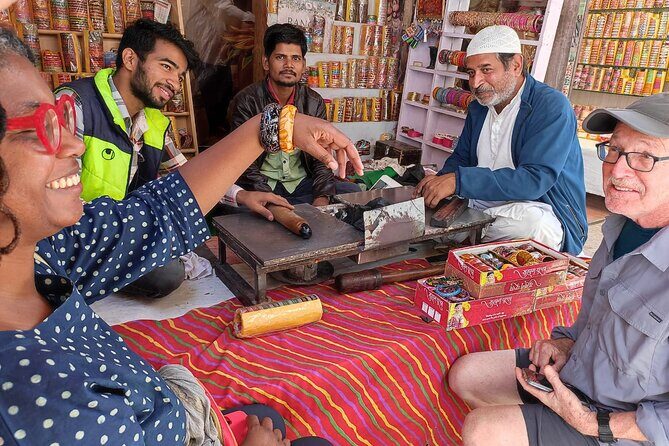
- Bazaars + workshops: see crafts in action, from lacquer bangles to metal vessels
- Chai break and hot snacks at Chhoti Chaupar keep the pace comfortable
- Incense, candles, and decorative strings turn a simple walk into a sensory route
- Fresh sweets from a milk-based factory at Badi Chaupar gives you a real taste of local food culture
- 3 hours on foot with bottled water and tea/coffee included is good value for a focused Old City experience
Why Walking Jaipur Old City Feels Like Real Life

Jaipur’s Old City is the kind of place where the details matter. On a bus, you glance at walls and temples and call it a day. On foot, you notice the rhythm: where people pause, how artisans work, and how the same street can feel practical, spiritual, and social all at once.
This walk also fits the way many people actually experience Jaipur. If you’re exploring on a phone, you’ll appreciate the mobile ticket setup. And because it’s designed as a walking tour, you spend your time moving through neighborhoods rather than waiting around for transport.
The “small-group” piece isn’t just marketing. With only up to 8 people, your guide can adjust the pace and explanation without shouting. That’s a big deal in crowded bazaars, where sound disappears fast.
You can also read our reviews of more walking tours in Jaipur

Quick expectations for timing and effort
Plan on about 3 hours of walking. It’s not an all-day endurance event, but it is a journey through active streets, so comfortable shoes are not optional. The tour is also described as suited to travelers with moderate physical fitness.
Weather matters too. The experience notes it requires good weather, so if conditions are rough, expect a reschedule or refund offer.
Meeting Point and End: Plan Your Day Around the Old City Route
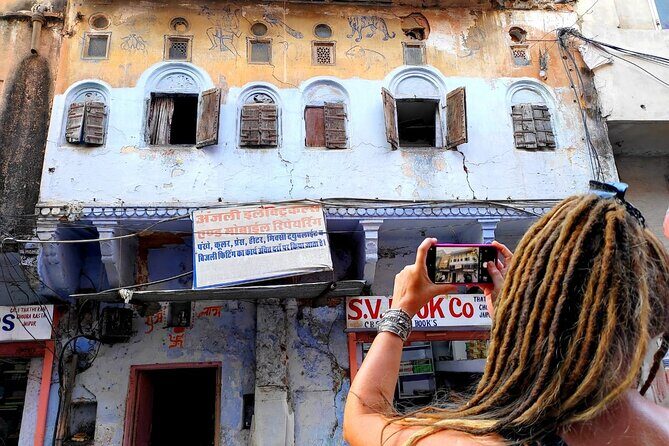
You start near the Government Maharaja Public Library, close to Tripolia Gate on Chaura Rasta Road. The start is listed as opposite Tripolia Gate in the Bapu Bazar area.
You end at the City Palace Parking Area near Gangori Bazaar in the J.D.A. Market area. In plain terms, this is helpful: you’re not finishing back where you started. If you’re planning other Old City sights, this ending location can be convenient.
Since hotel pickup and drop-off aren’t included in a group tour, you’ll want to build in extra time for getting there. If you’re coming from a hotel outside the core, leaving earlier than you think you need is smart—Jaipur streets can slow you down.
Stop 1: Tripolia Bazar and the Crafts That Make Jaipur Practical
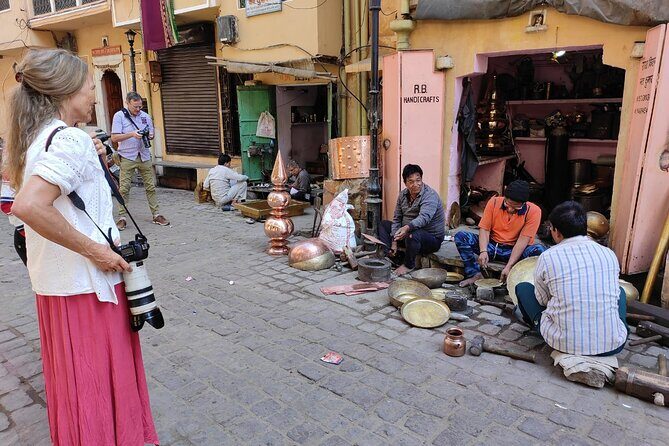
Tripolia Bazar is where the tour shifts from seeing Jaipur to understanding how it’s made. You head into designated downtown areas where artisans and handicraft makers work, and you get a close look at items that show up everywhere in Jaipur life.
The craft focus is specific, which I really like. You might watch lacquer bangles being made, plus brass and metal vessels. That kind of detail matters because it turns shopping from random browsing into something you can actually decode.
One useful bonus: photography is allowed here. That’s great because you’ll likely want visual reminders of techniques, tools, and finished forms. If you’re the kind of person who buys later, having photos helps you remember what you liked and why.
What you’ll get out of this stop
This stop is really about process. Instead of just looking at products behind glass, you see how makers work and how materials behave. Even if you don’t buy anything, you’ll leave with a better sense of what Jaipur crafts are actually built on.






Stop 2: Chhoti Chaupar, Masala Chai, and Incense Alley Energy
At Chhoti Chaupar, the walk pauses for a short tea break. You enjoy masala chai plus some freshly cooked hot snacks. This is one of those “small included details” that changes the whole feel of the tour. You can stay present without constantly thinking about where the next bite will come from.
After chai, you move down alleyways where you’ll find incense and candles, along with wall decorative strings. This part is more sensory than craft-focused. The smells and the way items are arranged give you a fast crash course in daily spiritual life.
This is also the part where a small group can help. Narrow lanes can feel chaotic, and having a guide who can steer the group makes the experience calmer. You’re less likely to lose the thread when streets tighten up.
A consideration for this stop
Incense shops and candle stalls can be very active. If you’re sensitive to strong scents, you may want to pace yourself and keep water handy. Bottled water is included, but it’s still smart to listen to your comfort level.
Stop 3: Badi Chaupar and the Milk-to-Sweets Factory Taste Test
Badi Chaupar adds a food angle that goes beyond just street snacks. You visit a small factory where confectioners make items from milk—curd, cheese, and sweets. Then you get guided time to enjoy freshly cooked sweets.
This is one of the highest-value moments of the tour because it connects ingredients to outcome. Instead of treating sweets as a random treat, you see how milk becomes curd, cheese, and dessert forms before you taste.
After the sweets, the tour shifts into market wandering through a spice bazaar and toward areas connected with flowers. Even without a huge list of stops, that order makes sense: you get a comfort break through tasting, then you ramp back into shopping aromas and color.
What to do with the tasting
Come hungry, but not starving. If your stomach is already upset from spicy meals or heat, the factory tasting might feel intense. Also, don’t over-plan your dinner right after the tour—this stop is built around a real taste experience.
The Included Refreshments Are Part of the Design, Not Extras
At $30 per person, you’re paying for a focused route, a guide, and time saved in planning. But the included food and drink matter because they support the walking rhythm.
You get coffee and/or tea, plus snacks and bottled water. That means you’re not constantly paying extra for basic needs in the middle of a busy Old City walk. It also helps you stay comfortable enough to actually enjoy the smaller details—like the craft work and the alley atmospheres.
If you’ve toured before and had the problem of missing the conversation because you were trying to find food, this tour is designed to prevent that. You’re not dragging your attention away from the sights every 15 minutes.
Price and Value: When $30 Actually Feels Like a Good Deal
Let’s talk value. At $30 for about 3 hours, the price lands in a reasonable zone for a guided, small-group experience in central Jaipur. The fact that it’s a maximum of 8 travelers is a big part of the value equation. You’re not paying for a big bus-crowd situation.
The other value boost is that you’re not paying separately for basic refreshment. Tea/coffee, snacks, and water are included. When you’re walking a dense area, those costs add up fast if you’re buying everything yourself.
Also, booking tends to happen with advance planning—this is commonly booked about 5 days in advance on average. If you’re traveling in high season, grabbing a slot earlier tends to be smarter than leaving it to the last minute.
Who this price fits best
This price is especially fair if you like to learn while you wander. If you prefer only major monuments, you might not feel the same value. But if you want crafts, food culture, and street-level context, this walk is built for you.
Getting the Most Out of It: Small Tips That Actually Matter
Here’s how you make the walk smoother and more enjoyable.
- Wear shoes you trust for uneven pavement and busy streets.
- Bring a light layer if mornings or evenings cool down.
- Keep your phone charged if you plan to use it for photos—Tripolia Bazar is a good one for that.
- Eat a light breakfast or early snack so the chai and sweets feel good, not overwhelming.
- If you’re carrying bags, keep them secure and minimal. Narrow lanes are not a place for bulky backpacks.
Since the tour uses a mobile ticket, make sure you have access to your ticket on your phone before you leave. It sounds simple, but it avoids last-minute stress at a meeting point near a busy gate area.
The Guide Makes the Difference: Expect Clarity on Traditions and Craft
The strongest feedback around this walk centers on the guide experience. People highlight knowledgeable explanations, courteous guidance, and a focus on showing places you wouldn’t naturally find on your own.
One guide name comes up again and again in standout stories: Kumar. If you get Kumar, you can expect a route that includes back lanes and alley streets, plus explanations that connect what you’re seeing to Hindu traditions. You’ll also likely see attention to old architecture and havelis, not just shops.
What I like in guides like this is the balance. You’re not lectured for hours, and you’re not left wandering with no context. The pacing feels like conversation on the move.
Who Should Book This Jaipur Cultural Walk
This tour is a strong fit if you want Jaipur to feel human. It’s best for you if you enjoy:
- small-group walking tours
- crafts and hands-on market culture
- food experiences that are connected to real places (like a milk-to-sweets stop)
- learning about local traditions as you go
It’s also a good option if you’re already planning to explore the Old City. Starting near Tripolia Gate and ending near City Palace makes it easy to stitch into a bigger day.
Who might not love it
If you dislike walking, this won’t be your favorite format. And if you want only large, famous monuments, a bazaar-and-workshop focus may feel less satisfying.
Also, since the tour is weather dependent and requires good conditions, watch the forecast and plan backup flexibility.
Should You Book It?
I’d book this Jaipur Cultural Walk if your travel style leans toward street life, artisans, and practical food culture. The mix of craft observation, incense-lane spirituality, and a milk-based sweets tasting gives you variety in only 3 hours.
You should skip—or at least rethink—if you need hotel pickup convenience or you’re not comfortable with walking through active Old City lanes. For everyone else, small group size, included chai/snacks/water, and a guide who explains what you’re seeing make it a smart, high-value way to understand Jaipur beyond the postcard surfaces.
FAQ
How long is the Jaipur Cultural Walk?
The tour lasts about 3 hours.
What does the tour cost?
It’s priced at $30.00 per person.
How many people are in a group?
The tour has a maximum of 8 travelers.
Is hotel pickup or drop-off included?
No. Hotel pickup and drop-off are excluded, so you’ll need to make your own way to the meeting point and after the tour ends.
What’s included during the walk?
Coffee and/or tea, snacks, and bottled water are included.
Where do I meet the group?
The start meeting point is near the Government Maharaja Public Library, opposite Tripolia Gate on Chaura Rasta Rd.
Where does the tour end?
The tour ends in the City Palace Parking Area area near Gangori Bazaar and J.D.A. Market.
Is the tour suitable for someone who has moderate fitness?
Yes. It’s described as suitable for travelers with a moderate physical fitness level, and it is a walking tour.