REVIEW · JAIPUR
Jaipur@Twilight Guided Heritage City walk tour with Food Tasting
Book on Viator →Operated by Seagull Jaunt · Bookable on Viator
Jaipur at twilight feels like the city changes outfits mid-walk. This guided heritage walk mixes evening market energy with hands-on craft viewing, from marble statue painting to bangle-making at the famous streets. I especially love the street-level access to artisans and their processes, not just photos of famous spots.
You’ll get a lot done in about 2.5–3 hours—ideal if you want evening atmosphere without committing to a full night out. One consideration: this is a walking tour through busy lanes, so bring comfortable shoes and expect crowds where the markets get tight.
In This Review
- Key highlights you’ll care about
- Twilight Heritage Walk: how the evening light changes Jaipur
- Meeting Point and the Route Rhythm from Raj Mandir to Albert Hall Museum
- Khajane Walon Ka Rasta to Khejado Ka Rasta: marble statue work from sketch to paint
- Tripolia Bazar and Thakur Uday Singh Ji Haveli: miniature art and night lamps
- Maniharon ka rasta: lac bangles and bridal jewelry in full evening color
- Johri Bazaar to Achar Wali Gali: sweets, pickles, and a long-running shop
- E-rickshaw to Albert Hall Museum: night views without the extra walking
- Food tasting: how the bites fit into the 2.5–3 hour plan
- Price and value: why $29.96 can work (or not) for you
- Who this twilight walk suits best
- Should you book this Jaipur@Twilight guided heritage walk?
- FAQ
- How long is the Jaipur twilight heritage city walk?
- Where does the tour start and end?
- Is there a mobile ticket for this tour?
- What’s included in the food tasting?
- Is Albert Hall Museum admission included?
- How big is the group?
Key highlights you’ll care about
- Khajane Walon Ka Rasta to Khejado Ka Rasta: see the full marble statue process, from sketch to final painting
- Tripolia Bazar and Thakur Uday Singh Ji Haveli: miniature wall art plus British-era gas lamps for night lighting
- Maniharon ka rasta: watch lac bangle-making and browse bridal bangles and jewelry styles
- Johri Bazaar to Achar Wali Gali: sweet bites first, then the famous pickle shop and its long-running craft
- E-rickshaw to Ram Niwas Garden and Albert Hall Museum: a smooth ride that keeps the evening sights going
- Small group (max 10): the guide can actually slow down when questions come up
Twilight Heritage Walk: how the evening light changes Jaipur
What makes this tour different from a daytime “see the sights” plan is timing. Twilight gives Jaipur a softer look: the light is warm, shops start switching on, and the narrow streets feel alive instead of overwhelming. You’re moving on foot through places where people actually shop and work, so the city doesn’t freeze into a museum mood.
I like that the walk isn’t only about buildings. You get craft details you can watch, plus small cultural stops where stories explain how Jaipur’s art traditions developed. Even the market sections feel purposeful: they connect you from artisans’ work to the products people buy for weddings and daily life.
There’s also a practical win for your schedule. At just under three hours, you can do this on the same evening you arrive, or slot it in between dinner plans, without feeling like you need a whole day.
You can also read our reviews of more walking tours in Jaipur

Meeting Point and the Route Rhythm from Raj Mandir to Albert Hall Museum
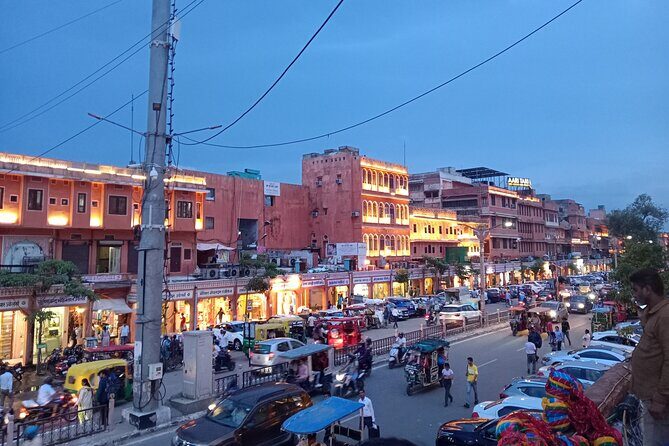
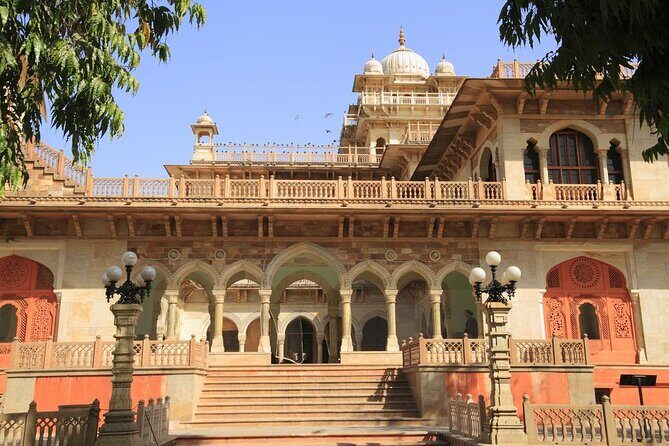
The walk starts at Raj Mandir Cinema, C-16, Bhagwan Das Rd in Panch Batti / C Scheme area, then finishes at Albert Hall Museum in Ram Niwas Garden. That end point is handy because it’s a well-known landmark and an easy place to meet up with a driver or continue exploring on your own.
The pace is built for evening viewing. You’ll spend time walking through market lanes, then do short “focus blocks” where the guide steers you toward something specific—like statue painting, haveli details, bangle-making, or food stops. Plan your night around comfort: you’ll be on your feet, and some lanes get crowded as the light fades.
Transport is used once in a smart way: you’ll ride an e-rickshaw to Albert Hall Museum while still getting night views of the market area. It’s not a long ride, but it helps you keep the evening moving without soaking up extra walking.
Also, this tour uses a mobile ticket, which is a small but real convenience. Less paper, fewer chances to misplace something right before you meet.
Khajane Walon Ka Rasta to Khejado Ka Rasta: marble statue work from sketch to paint
This is the kind of stop I love on craft-focused tours, because you see steps—not just finished art. At Khajane Walon Ka Rasta, you move toward Khejado Ka Rasta, known for statue making. The big moment here is watching the complete process: from the early sketch stage to the final painting on marble statues.
Why this matters for you: Jaipur’s craft reputation can feel abstract if you only look at shops. But when you see the sequence of work, you start noticing what’s actually hard about it—how the design becomes form, and then how color and finish bring the final statue to life. It turns your shopping eye into a “how do they do that?” eye.
The tour keeps the cost side simple here too. The process viewing is set up as a stop without requiring paid admission.
A small caution: if you’re hoping for a quick “photo and go” stop, this may feel more hands-on than that. If you’re the type who enjoys watching how things are made—this will be a highlight.
Tripolia Bazar and Thakur Uday Singh Ji Haveli: miniature art and night lamps
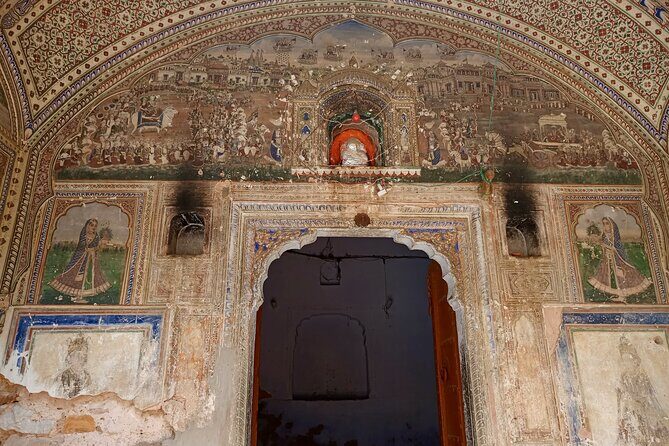
Next you head into Tripolia Bazar, where you’ll visit Thakur Uday Singh Ji Haveli. This is where the evening blends architectural detail with story.
The haveli section includes miniature art wall paintings and lighting elements tied to a British-era look—specifically gas lamps that help create a very particular atmosphere at night. There’s also mention of a vintage car on the premises, which adds a slightly surreal, time-jumping feeling: you’re in an old mansion, seeing art details up close, but the setting also hints at how tastes and influences shifted over time.
Why it’s valuable: haveli visits can sometimes become “look up, take a picture, leave.” Here, the stop is framed as a contrast point—how Jaipur’s own design language shows up alongside European-style influences. That gives you a sharper lens for what you’ll notice later in markets and jewelry.
Time-wise, it’s a short stop, so don’t plan to linger for long. Take your photos quickly, then use the time to focus on one or two features that catch your eye. If you try to see everything at once, you’ll miss the fine details the haveli is best at.
Maniharon ka rasta: lac bangles and bridal jewelry in full evening color
If Jaipur has a street symbol, it’s often bangles. Here, you’ll spend time in Maniharon ka rasta, a street built around jewelry and especially pieces connected to weddings and bridal wear. The area is known for colorful bangles and also artificial jewelry for brides.
A standout part of the evening is the mention of lac bangle-making, which ties into Jaipur’s wider craft identity—craft that’s not just decorative, but made for daily use and major celebrations. At twilight, the market lighting makes the colors look stronger, and the whole street energy feels more intense than it does in daytime.
What you should expect: this is a shopping-heavy environment. Even if you don’t intend to buy, you’ll want to watch closely, because you’ll start seeing differences in materials, finishes, and styles that don’t show up in a single storefront photo.
Possible drawback: if you hate crowds and shopping pressure, this may be the most intense stretch. The lanes are meant for foot traffic, and at twilight they can get packed. Keep moving, be polite, and set your own boundaries early.
You can also read our reviews of more food & drink experiences in Jaipur






Johri Bazaar to Achar Wali Gali: sweets, pickles, and a long-running shop
After you spend time with jewelry and crafts, the tour shifts gears to flavor—first with sweet dishes tasting, then with a heritage food stop aimed at the pickle culture of Jaipur.
You’ll move toward Gopal Ji Ka Rasta and then Achar Wali Gali, to meet the famous Pickle Man of India. The tour description notes he’s been awarded by Discovery Channel, and the shop has a 195-year-old history. That’s one of those details that makes the stop feel less like a random “try a bite” moment and more like you’re connecting with a real family craft tradition that survived changing tastes and generations.
How to get the most out of this food portion:
- Treat the sweet tasting as a reset. Don’t fill up so you can still enjoy dinner later.
- Use the guide to understand what you’re tasting, especially when pickles are involved, because the balance of sour, spice, and texture is the whole point.
Food stops like this work best when you’re open to small flavors rather than expecting a full meal. The tour’s structure makes it easy: you get a few tasting moments, then you head back into sights.
E-rickshaw to Albert Hall Museum: night views without the extra walking
The last major segment uses an e-rickshaw to get you from the market area toward Albert Hall Museum. I like this choice. It keeps you from burning out right at the point when the evening is most enjoyable.
Albert Hall Museum sits in Ram Niwas Garden, and the tour notes you’ll experience the night views of Jaipur’s markets as you travel. Once you arrive, you’re also set up to enjoy the garden lights and the museum atmosphere.
A practical detail: Albert Hall Museum admission is not included, so if you plan to go inside, you should be ready for that extra cost. If you’re mainly interested in evening ambiance and the lights around the museum area, you can still enjoy the location even without an inside visit, but you’ll want to decide based on your personal interest.
This final stop is a good “close the loop” moment. You’ve spent the walk watching crafts, seeing haveli art, and walking through jewelry lanes. The museum end point helps you shift from street craft to broader cultural presentation—still in a night setting.
Food tasting: how the bites fit into the 2.5–3 hour plan
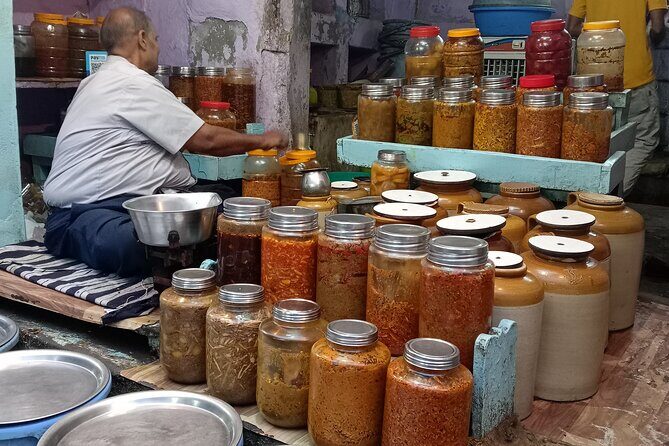
You’ll get authentic Indian flavors through a curated tasting part of the walk. From what’s described, the food portion includes sweet dishes before you head to the pickle-focused lanes.
I recommend approaching the tastings like a sampler, not a dinner replacement. The tour runs about 2 hours 30 minutes to 3 hours, and it still includes multiple craft stops. If you go into it hungry and finish the tour full, you might lose flexibility for your own evening plans after.
If you’re someone who likes to understand flavors in context, pay attention to what the guide says about sweet-to-sour transitions, because Jaipur’s food culture leans into spice and tang. The pickle stop works especially well after you’ve had something sweet, since it helps your palate reset.
Price and value: why $29.96 can work (or not) for you
At $29.96 per person, this isn’t a bargain price, but it also isn’t trying to compete with budget street-food-only plans. It earns its value through the combination of:
(1) multiple artisan and heritage stops, (2) a twilight timing that changes the whole feel of Jaipur, and (3) a small group size capped at 10 people, which keeps the experience from turning into a fast-moving line.
In particular, I think your money is going toward the “see the process” parts—marble statue making and bangle culture—plus the way the haveli is framed with lighting and art details. Those aren’t experiences you can replicate easily on your own unless you already know exactly where to go and who to ask.
The one place where value can shrink: Albert Hall Museum entry isn’t included. If you decide you want to pay for the museum interior on top of the tour, your total spending goes up. Still, even then, you’re not losing the tour’s main payoff—you’ll just be adding a choice at the end.
If you want to buy lots of souvenirs (jewelry, bangles, crafts), this tour may also feel like a strong match. If you don’t like shopping or don’t want guided explanations, you may find some sections more stimulating than necessary.
Who this twilight walk suits best
This tour is a strong fit if you:
- Like craft work you can watch instead of only “look and leave”
- Enjoy markets, but want someone to guide you to the right lane moments
- Want a single evening plan that covers jewelry culture, haveli details, and food tastes
- Prefer smaller groups (up to 10) so you don’t feel rushed
It’s less ideal if you:
- Dislike walking in crowded narrow lanes at night
- Want a heavy museum experience inside Albert Hall Museum (since admission is not included)
- Are strictly against shopping environments, even when you’re only browsing
And a small human note matters: the guide Umesh has shown willingness to adjust the start time when schedules shift. That flexibility can be a lifesaver when you’re syncing Jaipur sightseeing with transit and dinner.
Should you book this Jaipur@Twilight guided heritage walk?
Book it if you want Jaipur at night with direction—craft viewing, haveli details, jewelry street energy, and food tastings all in one evening window. The best reason to choose it is the mix: you’re not just passing landmarks, you’re watching what people make and why it matters.
Skip (or think twice) if you hate crowds, don’t enjoy market lanes, or you’re mainly chasing a museum interior experience. In that case, you might prefer a lighter plan with fewer stops.
FAQ
How long is the Jaipur twilight heritage city walk?
It runs about 2 hours 30 minutes to 3 hours.
Where does the tour start and end?
It starts at Raj Mandir Cinema on Bhagwan Das Road (C-16, Panch Batti area) and ends at Albert Hall Museum in Ram Niwas Garden.
Is there a mobile ticket for this tour?
Yes, the tour uses a mobile ticket.
What’s included in the food tasting?
The tour includes sweet dish tasting as part of the food portion, before you head to the pickle shop area.
Is Albert Hall Museum admission included?
No, admission to Albert Hall Museum is not included.
How big is the group?
This experience has a maximum of 10 travelers.