REVIEW · MUMBAI
Mumbai: Sightseeing by Walk or Car
Book on GetYourGuide →Operated by Mumbai with Locals · Bookable on GetYourGuide
Mumbai makes more sense when you walk with locals. This 4-hour walk-or-car tour is built around real street-level storytelling, not just photo stops, with an English-speaking guide born and raised in Mumbai who explains religion, daily life, and what the city is dealing with right now.
I especially loved how the route mixes big-name landmarks with calmer, lesser-seen places, so you get the contrast without feeling rushed. I also really liked the ending at Dhobi Ghat, where you watch hand-washing on a scale most people never see in person. One heads-up: there are short walking segments and some uneven surfaces, so it’s not a good match if you have mobility limits, back problems, heart issues, or you get motion sickness.
In This Review
- Key Things That Make This Tour Worth It
- Starting at Regal Cinema in Colaba: A Smart Place to Begin
- A Four-Hour Plan That Balances Driving With Real Walking
- Crawford Market and the Street-Lived Side of South Mumbai
- Mani Bhavan: Gandhi’s Home, Not a Museum Display
- Banganga Tank: A Sacred Water Spot in the Middle of the City
- The Jain Temple: Intricate Carvings and a Calm Interior
- Gateway of India and Sea-Breeze Photos
- Marine Drive Views and the Colonial-to-Modern Mix
- Chhatrapati Shivaji Terminus: Gothic Beauty With Practical Context
- Dhobi Ghat: The Hand-Laundry Finale That Feels Human-Scale
- Guide Quality: Why Local Names Like Balaji and Sajid Matter
- Price and Value: What $36 Really Covers
- What to Bring (and What to Skip) for a Smooth Day
- Group Tour vs Private Tour: The Experience Feel Changes
- Should You Book This Mumbai Walk-or-Car Tour?
- FAQ
- How long is the tour?
- Where do I meet the guide?
- What is included in the price?
- Is food included?
- Are there any restrictions on photography?
- What should I wear or bring?
- Is this tour suitable for everyone?
Key Things That Make This Tour Worth It
- Colaba starting point at Regal Cinema makes the whole day feel easy to begin
- Gothic Chhatrapati Shivaji Terminus is a proper photo-and-thought stop, not just a glance
- Banganga Tank and the Jain Temple offer a quiet reset between the major sights
- Mani Bhavan turns Gandhi from a textbook name into a lived-in place
- Marine Drive and skyline views help you understand Mumbai’s jump from colonial to modern
- Dhobi Ghat at the end shows work happening up close, the way locals see it every day
Starting at Regal Cinema in Colaba: A Smart Place to Begin
Your tour kicks off outside Regal Cinema in Colaba, one of the most recognizable spots in South Mumbai. Arrive about 10 minutes early so you’re ready to go when the group departs.
What I like about this meeting point is that it’s central and familiar. Even if you’re coming from elsewhere in South Mumbai, you can usually get there without drama.
You can also read our reviews of more walking tours in Mumbai


A Four-Hour Plan That Balances Driving With Real Walking
This is a 4-hour experience that uses an air-conditioned vehicle plus short walks at selected stops. That balance matters in Mumbai, where the streets can feel like a constant motion machine, and you don’t want to burn energy trying to find the sights on your own.
The pacing also helps you focus. You get time at each location for photos and a few guided moments, rather than sprinting from one landmark to the next with no context.
If you’re heat-sensitive, this setup is a good one. The vehicle breaks up the hotter parts of the day, and bottled water is included to keep you comfortable.
Crawford Market and the Street-Lived Side of South Mumbai
Early on, you’ll stop at Crawford Market for a short walk and photo time. This is the kind of place where you start to feel Mumbai’s rhythm—trade, faces, chatter, and the everyday pace that makes the city feel like a living thing.
The guide’s job here is more than logistics. You’ll get explanations that turn a market into a social scene—who shops, how the area functions, and how the city’s layers show up in daily life.
If you like street-level travel, this stop is where the tour stops feeling like a checklist. It starts feeling like you’re learning how Mumbai works.
Mani Bhavan: Gandhi’s Home, Not a Museum Display
Next comes Mani Bhavan, where Gandhi once lived. This is one of those stops that can surprise you, because it’s not about grand monuments—it’s about a place where decisions, letters, and daily life connected to a wider movement.
You’ll have time to visit and take it in at your own speed. I like that the tour includes time here, because Gandhi’s story is easier to grasp when you’re standing in a real home context.
If you’re curious about how ideas travel from one person’s living room into public life, you’ll probably enjoy this stop a lot.
Banganga Tank: A Sacred Water Spot in the Middle of the City
Banganga Tank is a short photo stop plus a visit. It feels like a pause in the middle of the noise, a reminder that Mumbai’s sacred spaces can be tucked right into city life.
You’re not just looking at water here. You’re seeing a religious and cultural practice that locals understand as part of their landscape—something you could easily miss without a guide steering you there.
Dress and behavior matter at religious sites. Modest clothing is expected, and it’s worth following the guide’s direction so you can observe without causing issues.


The Jain Temple: Intricate Carvings and a Calm Interior
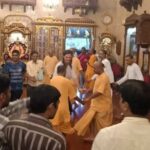
Then you’ll head to a Jain Temple for photos and a visit. This is a great stop if you enjoy details—craft work, fine carvings, and that quiet feeling you only get once you step inside.
The tour gives you a focused chunk of time, so you can slow down and actually see what’s there. Instead of rushing past the highlights, you’ll likely notice the design patterns and the way the space is meant for reflection.
Photography may be restricted in some areas, so keep an eye out and follow any signage or staff guidance.
Gateway of India and Sea-Breeze Photos
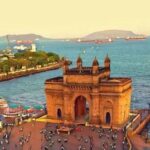
Gateway of India is one of the headline sights, with photo time plus a visit. It’s famous for a reason: the structure anchors the shoreline and gives you that classic Mumbai coastal view.
I like that the tour doesn’t treat this as a quick selfie stop. With the guide’s storytelling, you’ll be more likely to notice what’s around it—what the area represents and why this location keeps showing up in Mumbai’s identity.
Expect crowds at peak times. If you come with patience and camera in hand, this stop will feel rewarding.
Marine Drive Views and the Colonial-to-Modern Mix
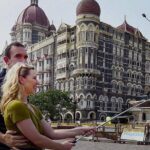
As the tour continues, you’ll ride past areas like Mumbai University and the High Court and drive along Marine Drive, often called the Queen’s Necklace. From the road and from viewing points, you get a sense of Mumbai’s architectural range.
This section is useful because it turns what could be chaos into a visible timeline. You start seeing how colonial-era shapes and modern development coexist, sometimes only a short distance apart.
You may also pass the famously extravagant Antilia. Even if you don’t care about celebrity homes, it’s a jolt of scale—part of the story of inequality and wealth that exists in every big city, just more sharply on display here.
Chhatrapati Shivaji Terminus: Gothic Beauty With Practical Context
One of the tour’s strongest moments is Chhatrapati Shivaji Terminus. You’ll admire the station and have photo time, and the guide’s explanation is a big part of why this stop works.
This is where architecture turns into lived infrastructure. It’s not just a pretty building; it’s a rail hub tied to movement, livelihoods, and the city’s daily tempo.
If you like checking design details—arches, stonework, and the dramatic overall feel—this will be a memorable stop. Even people who aren’t “into stations” usually get pulled in here.
Dhobi Ghat: The Hand-Laundry Finale That Feels Human-Scale
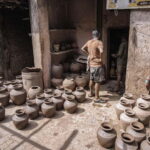
Your tour ends at Dhobi Ghat, the world’s largest open-air laundry. This is the moment where the tour earns its ticket price, because you’re watching work happen with hundreds of people washing and organizing clothes by hand.
It’s not a staged performance. It’s daily labor, and that matters. You see why the city runs the way it does and how services that feel invisible to outsiders are actually core to city life.
If you’re photographing, be respectful. Don’t block workers, and follow any directions from the guide or staff. Photography may be limited in certain areas, so keep your plan flexible.
After the tour, you can be guided back toward Colaba or toward the nearest train station. If you’re using trains that day, having train tickets included can save hassle.
Guide Quality: Why Local Names Like Balaji and Sajid Matter
The best part of the experience is the guide. This isn’t just a set of facts delivered from a headset. You’ll get a conversation about how Mumbai works and what the city means to people who live here.
I noticed a pattern in the guide quality: people praised guides for being honest, authentic, and quick with answers. Names like Balaji and Sajid came up, and the consistent theme was helpfulness—making sure you get good photos, answering questions clearly, and explaining the bigger picture behind what you see.
One guide perspective described navigating small alleys with deep local insight and talking about local economy and political discussions, including controversial rehabilitation plans in a neighborhood context. Even if your route doesn’t feel like it’s focused on one topic, that kind of guidance helps you connect the dots between landmarks and real life.
Price and Value: What $36 Really Covers
At about $36 per person for four hours, you’re paying for more than sightseeing. You’re buying structure, local explanations, and logistics support—especially useful in a city where finding the right entry points can be half the challenge.
Here’s what your money covers: an English-speaking guide, packaged water, and train tickets included with the experience. Food isn’t included, so plan on eating on your own after.
For me, the value equation comes down to this: you get iconic Mumbai plus quieter cultural stops, with a local voice explaining why they matter. If you were doing this alone, you’d spend real time planning routes, sorting transport, and guessing what’s worth your attention.
What to Bring (and What to Skip) for a Smooth Day
Come prepared for walking and weather. Wear comfortable shoes—this tour isn’t designed for fashion footwear. Sunglasses and a sun hat help, especially if you’re out in daylight.
A charged smartphone is smart for photos and quick references. Bottled water is provided, but bringing a refillable bottle can make it easier to stay hydrated.
A few important limits are enforced: no pets, no drones, no intoxication, and no littering. At religious stops, modest clothing is required—avoid sleeveless tops and short skirts.
Also note: this tour isn’t suitable for wheelchair users or people with limited mobility. Some locations can have uneven surfaces or stairs, so plan accordingly.
Group Tour vs Private Tour: The Experience Feel Changes
This tour can run as a group experience where the guide, vehicle, and route are shared. That’s a good way to keep costs down and meet other people doing a similar “first time in Mumbai” circuit.
If you choose a private tour, hotel pickup and drop-off are included for stays across Mumbai, including Navi Mumbai. That can be a big upgrade in convenience if you don’t want to manage the start point or prefer your own pacing.
Either way, the core strength stays the same: guided context, not just sightseeing.
Should You Book This Mumbai Walk-or-Car Tour?
Book it if you want South Mumbai in a single half-day without stress—especially if you like mixing famous landmarks with quieter cultural stops. The ending at Dhobi Ghat is worth the price by itself, and the guide’s local perspective is what turns photos into understanding.
Skip it if you have mobility limitations, strong back or heart concerns, or you’re prone to motion sickness. Also skip if you expect a food-inclusive outing. This is about sights and stories, not meals.
If you’re the kind of traveler who enjoys practical context—how places connect to daily life—this tour will feel like a smart shortcut to understanding Mumbai.
FAQ
How long is the tour?
The tour lasts 4 hours.
Where do I meet the guide?
For group tours, the meeting point is outside Regal Cinema in Colaba.
What is included in the price?
The price includes an English-speaking guide, packaged water, and train tickets.
Is food included?
No, food is not included.
Are there any restrictions on photography?
Photography is allowed at most places, though some religious or historical sites may have restrictions.
What should I wear or bring?
Wear comfortable shoes and modest clothing for religious sites. Bring sunglasses, a sun hat, and a charged smartphone. Bottled water is provided.
Is this tour suitable for everyone?
No. It is not suitable for wheelchair users or people with limited mobility, and it’s also listed as not suitable for pregnant women, people with back problems, people with heart problems, and people with motion sickness.