REVIEW · MUMBAI
Mumbai: Private Slum and Sightseeing Full-day tour
Book on GetYourGuide →Operated by Mumbai with Locals · Bookable on GetYourGuide
Mumbai can feel like it runs on full power. This private day stitches together landmark Mumbai and real local life through Dharavi and the city’s most iconic sights. I like how the route uses short stops plus one longer on-foot segment, so you get variety without feeling dragged around. You’ll see Mahalaxmi Dhobi Ghat in action and end with skyline views from Marine Drive area.
What I especially like is the balance: big names like Chhatrapati Shivaji Terminus and Gateway of India, then quieter religious stops like Banganga Tank and a Jain Temple. Dharavi is handled as a guided walking visit focused on how people work and build livelihoods, not just photos. One drawback to plan for is that it involves walking in Dharavi and selected areas, so comfortable shoes and modest, respectful clothing matter.
If you want a day that helps you understand Mumbai beyond the postcards, this is a strong match. Just keep in mind traffic can shift timing between stops, since everything is connected by car in South Mumbai.
In This Review
- Key things you’ll notice on this Mumbai day
- A smart 8-hour plan for seeing Mumbai without running yourself ragged
- Dharavi isn’t a stereotype tour; it’s a work-and-life walking experience
- Dharavi rules that matter: shoes, modest dress, and a calm attitude
- Mahalaxmi Dhobi Ghat: what a quick stop can teach you
- Banganga Tank and the Jain Temple: old Mumbai spiritual layers
- Kamla Nehru Park and the Marine Drive skyline view
- Mani Bhavan: a small house that changes the mood
- Gateway of India and the Taj view start: colonial meets the sea breeze
- Chhatrapati Shivaji Maharaj Terminus: when the train station looks like a palace
- Crawford Market: a fast, sensory walk through everyday Mumbai
- Antilia, big-money Mumbai, and why it belongs in this route
- Price and value: what $85 per person gets you in real time
- Logistics you should not ignore: walking, time shifts, and how to dress
- Who this private Mumbai day is best for
- Should you book this Mumbai Private Slum and Sightseeing tour?
- FAQ
- Is the tour private?
- How long is the tour?
- What’s included?
- Is food included?
- Do I need to do a lot of walking?
- What languages will the guide speak?
- Is it suitable for wheelchair users?
Key things you’ll notice on this Mumbai day

- Dharavi walking tour (about 2 hours on foot) focused on work and small industry
- UNESCO-listed Chhatrapati Shivaji Maharaj Terminus in a short but meaningful photo-and-visit window
- Mahalaxmi Dhobi Ghat as a focused photo stop where you can watch laundry activity
- Old-meets-new city pacing with Gateway of India, CST, markets, temples, and skyline viewpoints
- Private air-conditioned car + English-speaking guide, so you’re not figuring it out alone
A smart 8-hour plan for seeing Mumbai without running yourself ragged
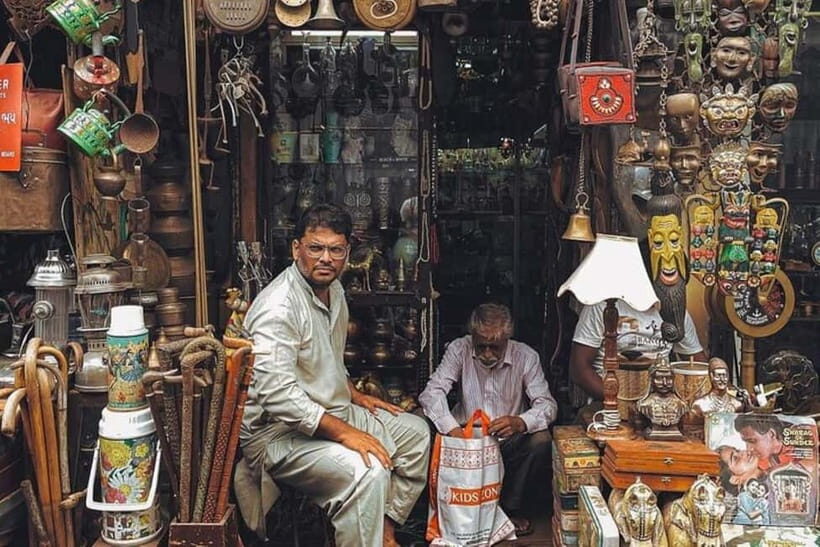
This tour is built for a single full day in Mumbai, with pickup and drop-off in the city. You spend most of the time traveling by private car, then you get specific time blocks on foot for the moments that are hard to understand from a bus window.
That mix is the whole point. You’ll do quick “get the bearings” stops for major landmarks, then slow down for two of the most human parts of the day: the Dharavi walking visit and a few guided cultural/heritage stops. You also get packaged water and an English-speaking guide (with Hindi as well), which helps a lot when you’re moving fast between neighborhoods.
The timing is also practical. Even if each stop is brief, the order is set up so you’re not zigzagging aimlessly, and you can see why certain places feel connected to Mumbai’s colonial-era story and why others belong to everyday life.
You can also read our reviews of more private tours in Mumbai



Dharavi isn’t a stereotype tour; it’s a work-and-life walking experience
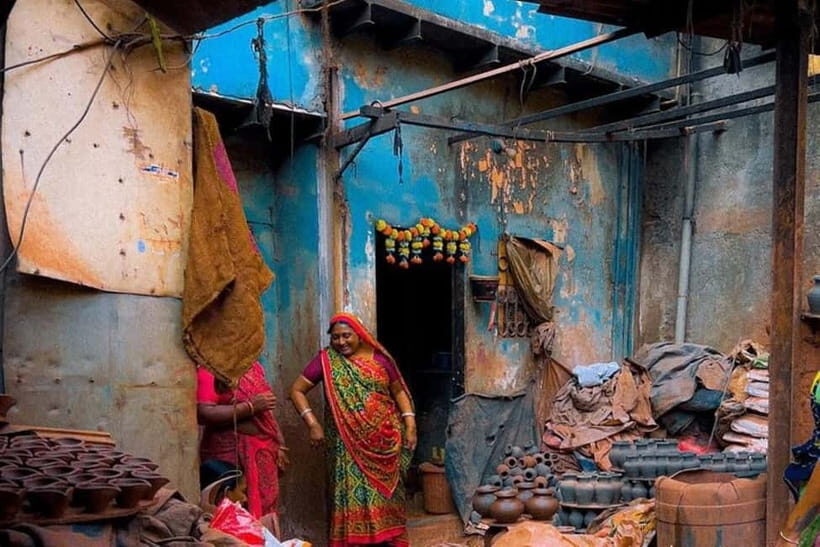
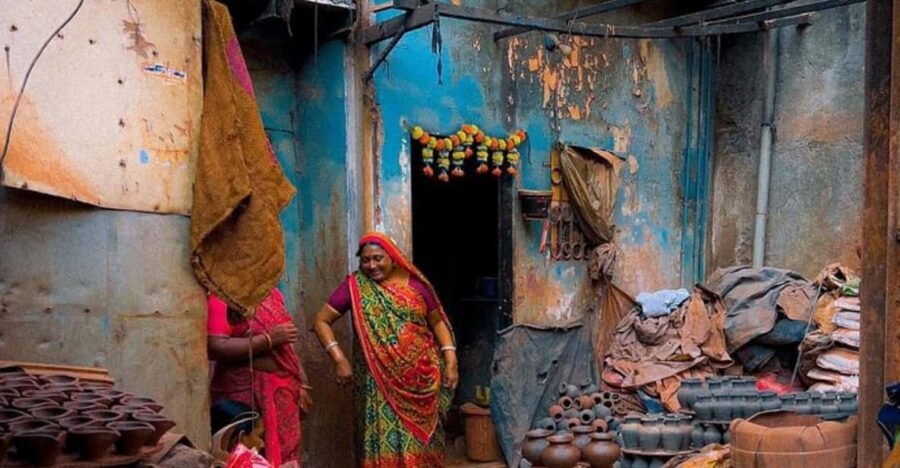
Dharavi is the reason this tour feels different from a standard sightseeing loop. You’ll do a guided walking segment for about two hours, which is long enough to notice patterns—how people move through narrow lanes, where work happens, and how the community’s skills connect to the wider city and beyond.
The key here is respect and boundaries. The tour is designed as a community visit, not a spectacle. You’ll want to keep your phone use considerate, follow your guide’s directions, and dress modestly. Comfortable shoes are a must because you’ll be walking through areas where the ground and pathways aren’t built for tourism.
Also, this is not a “sit and watch” experience. You’ll be up close, which can be intense if you came in expecting a quick glimpse. But that intensity is also what makes it educational in a grounded way: you come away seeing Dharavi as a place of enterprise, recycling, small-scale production, and daily problem-solving—people making things, trading, learning, and supporting each other.
If you’re short on time in Mumbai and still want the city’s real core, this portion is the heart of the value.
Dharavi rules that matter: shoes, modest dress, and a calm attitude
The experience includes walking and selected-area movement, so it’s not built for everyone. Wheelchair users and visually impaired people aren’t suitable for this tour, mainly because of the terrain and how the route works.
For everyone else, think in terms of “visitor behavior.” You’ll have a guide who can set context and help you be respectful. Your job is to stay aware: go with the flow, keep your volume down in crowded spots, and treat conversations like they matter more than photos.
If you’re tempted to bring props or treat it like a content shoot, this isn’t that kind of day. Pets, alcohol/drugs, and nudity are not allowed, and your clothing should stay modest.
Mahalaxmi Dhobi Ghat: what a quick stop can teach you
After Dharavi, you’ll head to Mahalaxmi Dhobi Ghat for a photo stop and a short sightseeing window. It’s one of those places where even a brief visit helps you understand the city’s rhythms.
Watching laundry work happen in open-air settings is not just a visual moment. It connects to how Mumbai handles labor, water, and daily routines—things you don’t get from glossy photos. You’ll likely want to take a few pictures, but give the area a minute to register first. The real payoff is noticing the scale and the organization of work across multiple steps happening at once.
Because this is scheduled as a short stop (about 15 minutes), don’t expect deep exploration. Instead, use it like a photo-and-observation breather: step back, look around, and take in the moving parts.
Banganga Tank and the Jain Temple: old Mumbai spiritual layers
Between the big landmarks and the industrial energy, the tour adds spiritual stops that slow your day down. Banganga Tank is a photo stop plus a short guided visit (around 20 minutes). It’s described as a sacred, ancient water tank area with temples around it, which makes it feel like you’re stepping into older Mumbai rather than only modern city life.
Next is a Jain Temple stop, also about 20 minutes with photo time and guided context. These are the kinds of stops that work well in a one-day itinerary because your guide can explain what you’re seeing without you needing a full museum-style visit.
Practical tip: dress modestly here too, and plan for quiet moments. These stops are calmer than markets and rail hubs, so it’s a good reset for your brain before the skyline and the crowds.
A few more Mumbai tours and experiences worth a look




Kamla Nehru Park and the Marine Drive skyline view
After temple time, you’ll reach Kamla Nehru Park for a short photo stop (about 15 minutes). This viewpoint is a classic way to see how Mumbai’s urban grid meets the sea.
From here you can frame the skyline and get a sense of why Marine Drive is often described with its nickname, Queen’s Necklace. The guide-driven timing also helps because you’ll approach the waterfront end of the day as light starts to change.
It’s not a long sit-down break, but it’s enough to take photos and feel the city’s energy shift. If your camera has a portrait mode, this is a good place to use it—lines and coastal reflections can look great even when you’re only there briefly.
Mani Bhavan: a small house that changes the mood
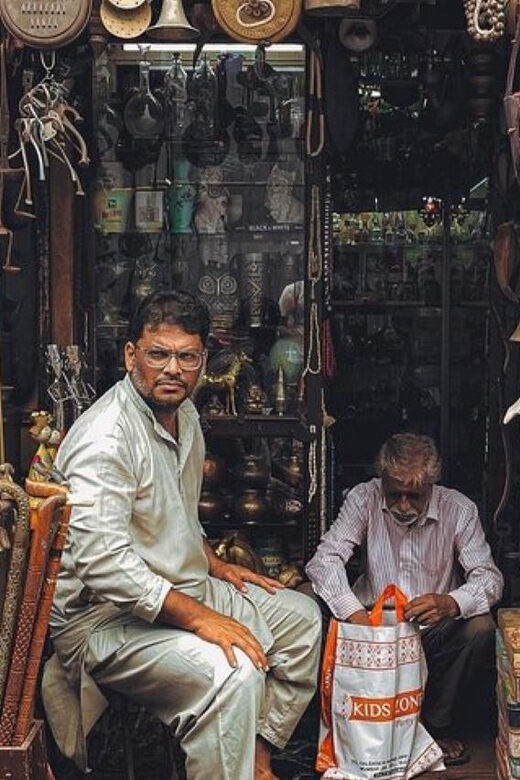
Mani Bhavan is a visit stop of about 30 minutes. This isn’t just another monument stop. It’s a place tied to Mahatma Gandhi’s life story, which gives the day a reflective note.
What makes this stop valuable on a mixed itinerary is the contrast. After Dharavi and Dhobi Ghat, you’re not only seeing labor and daily life. You’re also seeing how political change and ideas took shape through specific people and specific spaces. A guided visit here helps you connect the dots without turning it into a long lecture.
Take your time in the indoor moments if there are any photo or viewing areas—your guide can point out what matters most so you don’t miss the small things that make this site meaningful.
Gateway of India and the Taj view start: colonial meets the sea breeze
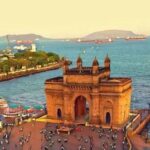
You’ll make your way back toward the iconic waterfront and start with the Gateway of India area for a photo stop and guided visit (about 20 minutes). This is the kind of landmark where you’ll feel the history immediately just by looking at the location: it’s positioned where colonial-era Mumbai meets the sea.
The day also ties in the nearby Taj Mahal Palace Hotel area as a visible icon of old-world luxury. Even if you’re not entering buildings, seeing the contrast across the same waterfront strip gives you a better sense of how Mumbai can hold different eras side by side.
This portion is also a good place to get your mental map. After moving through religious sites and rail stations, the Gateway area helps you orient to what South Mumbai is built around.
Chhatrapati Shivaji Maharaj Terminus: when the train station looks like a palace
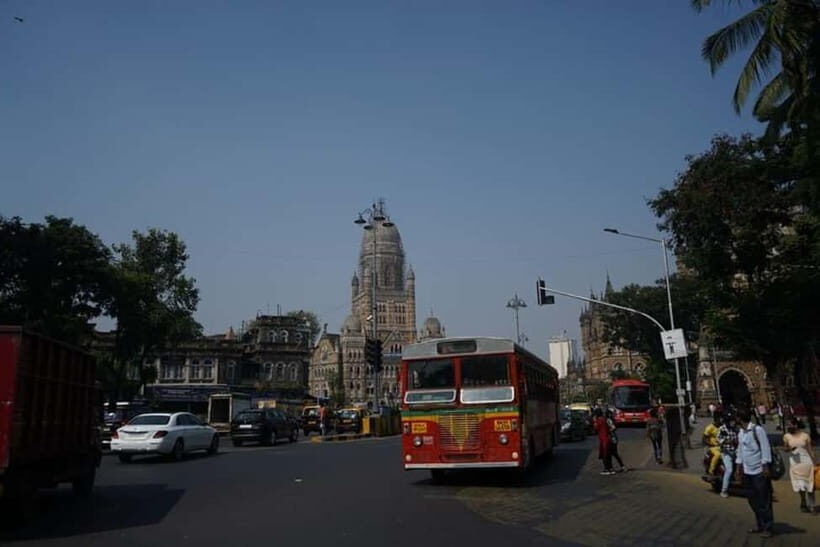
Next is Chhatrapati Shivaji Maharaj Terminus (CST), with a photo stop and guided visit time (around 15 minutes). This station is UNESCO-listed and known for its Gothic architecture, so even a short visit can feel like stepping into a landmark.
The practical value is how it frames Mumbai’s history of movement. A rail hub is never just about trains—it’s about people, commerce, and daily schedules. If you like architecture, CST is a rare case where “transport infrastructure” becomes a sightseeing highlight.
Because you’re there for a limited window, focus on the outside lines and major facade details your guide points out. If there’s crowding, let your guide manage the pacing so you don’t get stuck trying to photograph in a bottleneck.
Crawford Market: a fast, sensory walk through everyday Mumbai
The day closes with Crawford Market, including a photo stop, guided visit, and a short walking time (about 20 minutes). Markets aren’t just places to buy things here—they’re where Mumbai’s energy is on full display.
This stop is perfect for people who want a taste of how locals shop for fruits and spices. It’s chaotic in a normal way, not in a scary way, and your guide’s direction helps you avoid getting lost while still seeing enough to understand what makes the market special.
Because you’re in a private car for most of the day, Crawford Market also gives you a final burst of walking and looking before you head back.
Antilia, big-money Mumbai, and why it belongs in this route
One of the more surprising moments is catching a glimpse of Antilia, the 27-story home associated with India’s richest man, from the car as you drive through the city. You’re not doing a visit there, but it’s part of what makes the day honest: Mumbai’s wealth, ambition, and inequality exist in close proximity.
This detail matters because it keeps the story balanced. You’re not only seeing hardship and historic architecture. You’re seeing a city where extreme wealth and everyday work sit within the same urban reality, often visible within a short drive.
It’s also a reminder to keep perspective while you’re photographing. Don’t treat the contrast as a shock feature; treat it as context.
Price and value: what $85 per person gets you in real time
At $85 per person for an 8-hour private tour, the value comes from three things: the private air-conditioned car, an English-speaking guide, and the fact that Dharavi is included as a guided walking segment rather than a quick pass-by.
A similar day on your own could cost less on paper, but in practice you’d pay with time and stress—especially in a city where travel routes, pickup logistics, and language barriers can slow you down. Here, you’re paying for coordination and explanation, plus transport between South Mumbai landmarks and the Dharavi walking portion.
Food and drinks are not included, so you should plan your meals around the route. Because many stops are photo stops or short guided visits, this is the type of day where you’ll likely want a simple plan: either eat early, grab something close by, or have a snack before you get stuck in the schedule.
Given the mix of UNESCO landmark time, multiple guided stops, and a community walking experience, the price feels fair if you want one guided day that covers a lot of ground with less hassle.
Logistics you should not ignore: walking, time shifts, and how to dress
This tour involves some walking, including in Dharavi and in selected areas, so you should come with comfortable shoes. Wear clothing that stays modest, especially because you’ll visit religious sites and a local community.
Traffic can affect travel time between sights. In a city like Mumbai, that’s normal. The best way to enjoy this tour is to keep expectations flexible: think of the schedule as a plan, not a promise to the minute.
Not suitable for wheelchair users and visually impaired people, so if mobility or sensory needs are a factor, you’ll want a different kind of tour design.
Who this private Mumbai day is best for
I think this tour fits best if you:
- Have limited time and want South Mumbai landmarks plus Dharavi in one day
- Like guided context, not just photo stops
- Prefer private transport so you can move quickly and ask questions
- Are comfortable walking and being respectful in local community areas
It may not fit if you:
- Need step-free access or wheelchair-friendly routing
- Want only minimal walking
- Dislike intense city contrasts that can feel emotionally heavy, especially around social inequality
Should you book this Mumbai Private Slum and Sightseeing tour?
If you’re trying to get an authentic, whole-city sense of Mumbai—historic architecture, waterfront landmarks, rail grandeur, religious sites, local markets, and a guided Dharavi walk—this is a solid booking. The strongest reasons to say yes are the structured mix and the fact that Dharavi is treated as a real community visit with a focus on work and resilience.
I’d book it if you can walk comfortably for several portions of the day and you’re good with modest dressing and respectful behavior. Skip it if accessibility needs make walking unrealistic, or if you’re looking for a relaxed day with no emotional intensity. For many first-time visitors, this is the kind of tour that helps you understand Mumbai fast, then keeps the stories with you long after you leave.
FAQ
Is the tour private?
Yes. This is a private group tour, with a private air-conditioned car and an English-speaking guide.
How long is the tour?
It lasts about 8 hours.
What’s included?
Pickup and drop-off, a private air-conditioned car, an English-speaking tour guide, and packaged water are included.
Is food included?
No. Food and drinks are not included.
Do I need to do a lot of walking?
Some walking is involved, including during the Dharavi portion and in selected areas. Comfortable shoes are recommended.
What languages will the guide speak?
The tour guide speaks English and Hindi.
Is it suitable for wheelchair users?
No. It is not suitable for wheelchair users, and it’s also not suitable for visually impaired people.