REVIEW · MUMBAI
Mumbai: Private Dhobi Ghat Laundry & Slum Tour with Pickup
Book on GetYourGuide →Operated by Inside Mumbai Tours · Bookable on GetYourGuide
Dhobi Ghat changes how you see Mumbai. This private tour links Dhobi Ghat (the world’s largest open-air laundry) with a guided walk through Dharavi to show real work, real homes, and how a tight community keeps moving. Two things I really like: you start with the pulsing routine of laundry across Mumbai, then you swap stereotypes for face-to-face context inside Dharavi. One consideration: this is a working neighborhood, so you should show respect, expect close spaces and serious topics, and go with an open mind.
The guide makes a big difference, and the tone here is often set by guides like Alkama and Muhammad, who communicate in clear English and handle both the hard edges and the everyday humor. You also get hotel pickup and drop-off, which matters in Mumbai when you’d rather spend your energy on what you came for.
In This Review
- Key things to know before you go
- Dhobi Ghat: The open-air laundry system that keeps Mumbai clean
- Dharavi with a local guide: homes, work, and community life
- The industries of Dharavi you can see up close
- Slumdog Millionaire: what the filming spot can teach you
- Choosing transport: hotel pickup plus possible local train time
- Price and value: what you get for about $19
- Respect, safety, and expectations inside active neighborhoods
- Who should book this Mumbai Dhobi Ghat and Dharavi tour?
- Should you book this tour?
- FAQ
- Is this tour private?
- Does the tour include hotel pickup and drop-off?
- What language is the guide?
- What do I see at Dhobi Ghat?
- What will I see in Dharavi?
- Do we visit a Slumdog Millionaire filming location?
- Is the tour meant to change perceptions about Dharavi?
- What’s included in the price?
- Can I reserve now and pay later, and what about cancellation?
Key things to know before you go
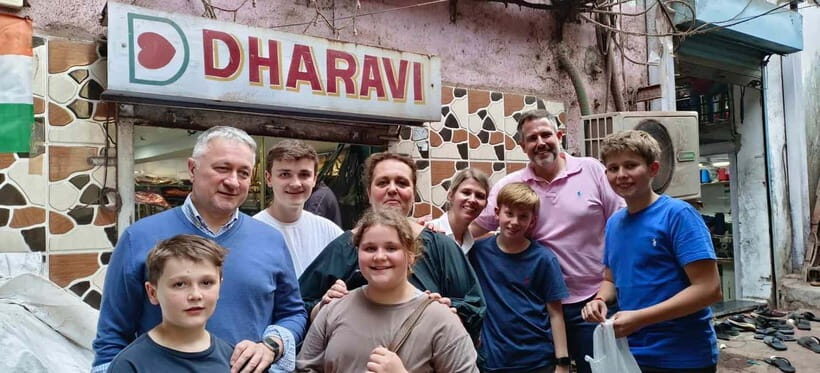
- Dhobi Ghat at street level: open-air laundry that’s been running for over a century and serves hotels, hospitals, hostels, and homes.
- Dharavi with a local guide: see where people live, work, and play, rather than a staged viewpoint.
- Industries you can actually point to: plastic recycling, leather, garment/textile, and metal work.
- Slumdog Millionaire filming location: you’ll visit a spot tied to the movie and learn what the film omits.
- Designed to challenge stereotypes: the tour explicitly aims to correct common assumptions about Dharavi.
- Safety through local access: you visit with residents, which helps the experience feel more grounded and appropriate.
Dhobi Ghat: The open-air laundry system that keeps Mumbai clean
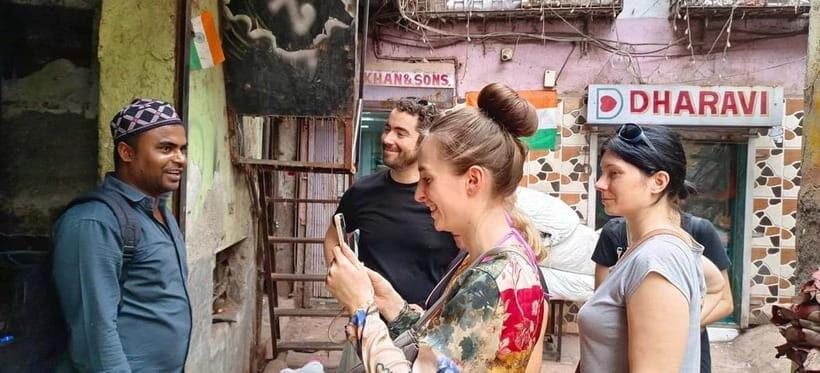
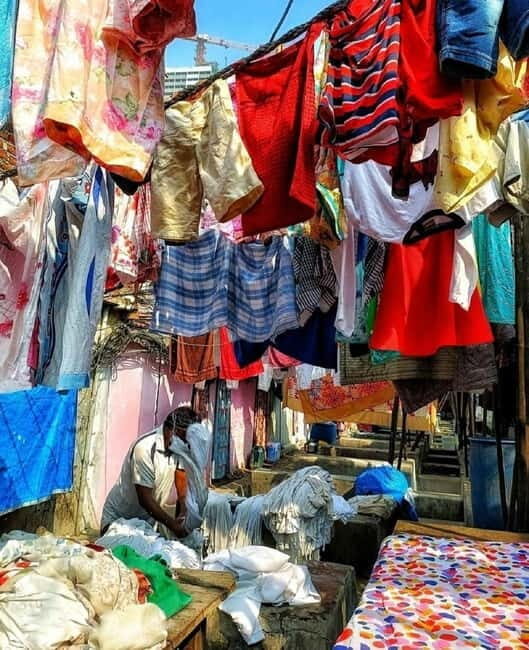
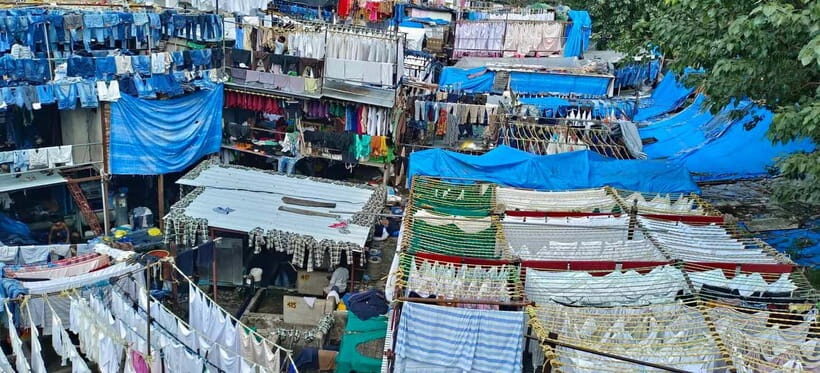
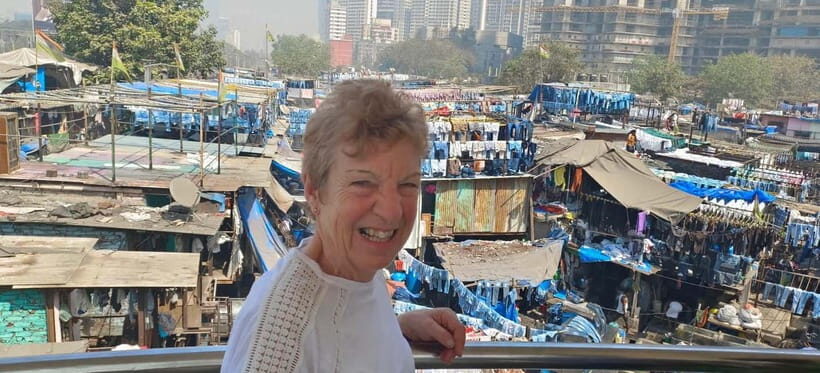
Dhobi Ghat is one of those places where you stop thinking of laundry as a background chore. Here, washing is a daily industry. People bring dirty clothes from across Mumbai—hotels, hospitals, hostels, and other buildings—and dhobis (washermen and women) run shifts through the day to deliver crisp, clean results back to customers.
What I love about starting here is how it sets a practical tone. You see labor done in public. You see routines that have long roots, since Dhobi Ghat has been operating for over a century. And you get a sense of Mumbai’s scale fast: hundreds of workers, constant movement, and an entire city feeding into this one open-air workflow.
Practical note: this part is busy and outdoors. Plan for movement, sun exposure, and the fact that you’ll be near active work areas. Wear comfortable shoes and keep your camera ready, but also keep your eyes on what people are doing, not just the big scenes.
You can also read our reviews of more private tours in Mumbai



Dharavi with a local guide: homes, work, and community life
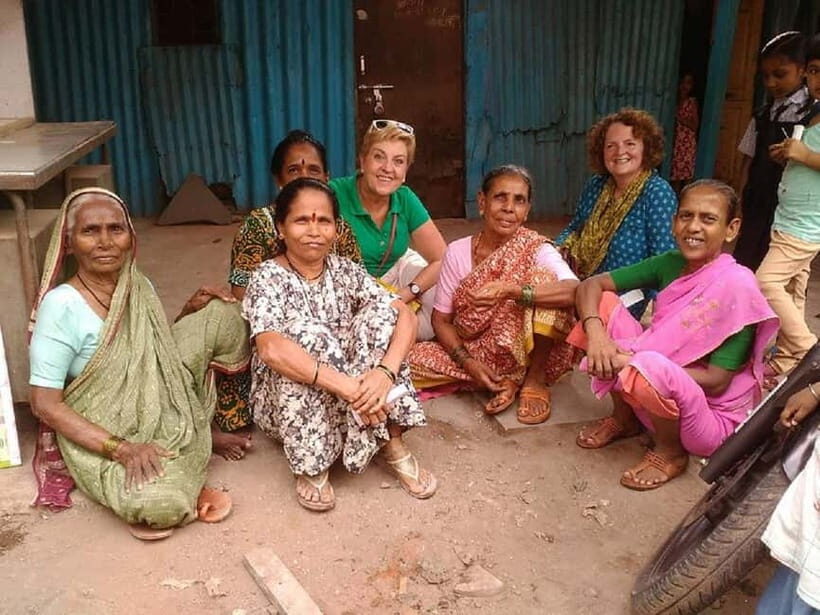
After Dhobi Ghat, the tour shifts from laundry logistics to human logistics—how people organize life inside one of the largest informal settlements in Asia. You’ll get a guided look at where families stay, where children play and relax, and how daily routines connect to work.
This section is where the tour’s promise matters: it tries to dispel notions people may have about Dharavi. The best guides handle the topic with a steady hand—talking about both the difficult conditions and the real competence, pride, and social structure that keep things functioning. In the past, guides like Alkama have been praised for communicating with mature reflection and clear, friendly English, so you’re not left with only emotion or only facts.
One thing to keep in mind: Dharavi isn’t a museum set. It’s a neighborhood with people living their lives. Your role is to observe respectfully and ask questions, not to treat it like a spectacle. When you approach it that way, the experience tends to feel more meaningful and less like you’re peeking behind a curtain.
The industries of Dharavi you can see up close
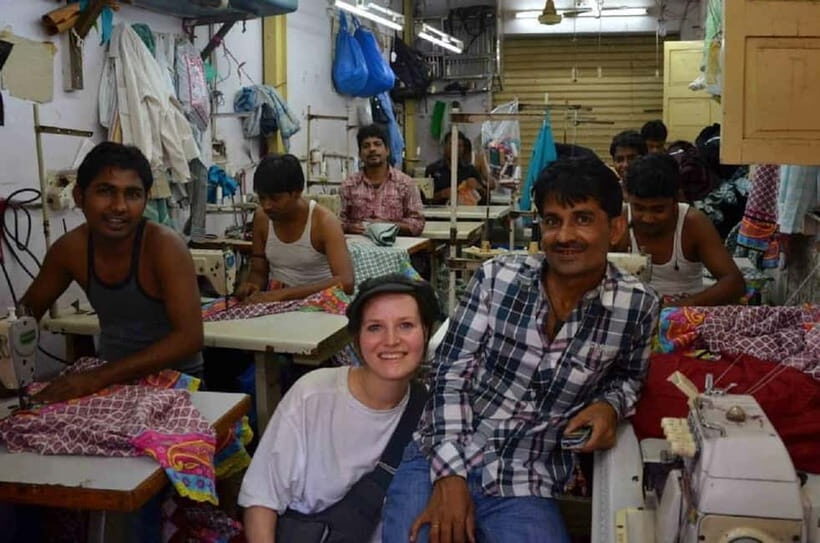
Dharavi’s economy shows up in crafts and production lines. You can expect to witness plastic recycling alongside leather work, garment/textile activity, and metal-related industries. The point isn’t to turn poverty into an attraction—it’s to show that a huge amount of real industry runs on small-scale workshops and tight networks.
The tour also frames this with a big-picture number: yearly income is described as around 1 billion US dollars. Even if you treat that figure as approximate, it signals something important for your expectations. Dharavi isn’t only about need; it’s also about production, exchange, and problem-solving—people figuring out materials, workflow, and markets with the tools they have.
What I find valuable here is the chance to notice connections. A recycling step can link to a new product. Textile work ties to garment assembly and finishing. Leather and metal work point to specialist skills passed through the neighborhood. The guide’s job is to help you spot those links, so you leave understanding the place as an economy, not just a set of houses.
A practical consideration: industries can mean smells, sounds, and close quarters. If you’re sensitive to strong odors or crowded pathways, go slowly and keep communication with your guide. A good guide helps you move at a comfortable pace and answers questions without rushing.
Slumdog Millionaire: what the filming spot can teach you
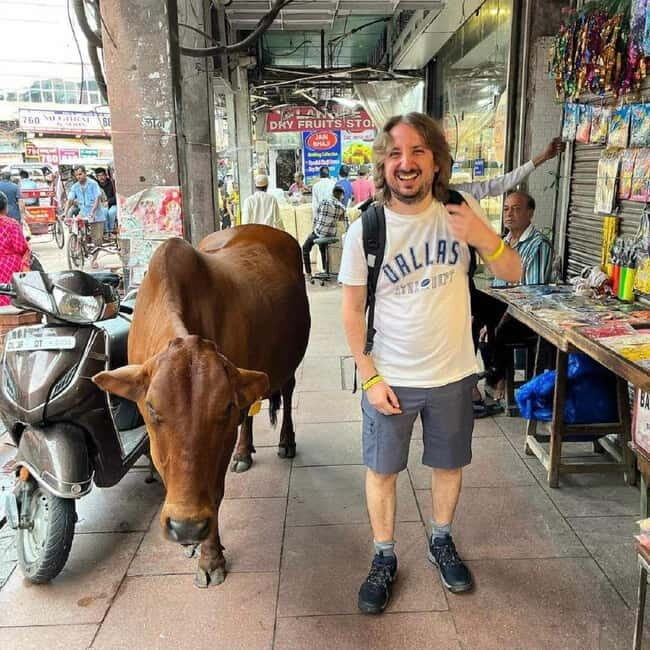
The tour includes a place connected to the movie Slumdog Millionaire. That connection works best as a reality-check. Film scenes compress stories and lean on dramatic framing. Visiting a filming-related spot with a guide helps you compare what you saw on screen with what you actually experience in daily life.
I like this because it changes the question from Why does it look like the movie? to What did the movie simplify? You start paying attention to routines, local relationships, and the fact that people here are more than characters. The tour specifically aims to take you beyond film depictions and explain how life is really lived.
Just remember: film locations can pull attention toward the story people expect. Your best move is to listen to the guide’s context and let the neighborhood itself set the pace. If you go expecting a cinematic moment, you may miss the quieter, more instructive details.
Choosing transport: hotel pickup plus possible local train time
You’ll get hotel pickup and drop-off as part of the experience, which is a big value add in a city where travel can eat hours. From there, transport may vary based on how your guide plans the day. One approach mentioned in the experience is choosing a local train ride instead of traveling by car, which can make the outing feel more connected to how people actually move around Mumbai.
If a train option is offered, it’s worth considering. A short local ride can give you a sense of rhythm—commute patterns, station energy, and the everyday mix of locals and visitors. The downside is that trains can be crowded and noisy, so it’s not for everyone if you prefer quiet, controlled comfort.
Either way, the tour stays practical about hydration. You’ll receive a water bottle, which is useful when you’re moving between open-air areas and indoor workshop zones.




Price and value: what you get for about $19
At around $19 per person, this tour is unusually cost-effective for what’s included. You’re getting a private tour, a local English-speaking guide, hotel pickup and drop-off, entrance fees, and a water bottle. That combination matters because it removes the biggest friction points: figuring out logistics on your own, paying multiple entry costs, and dealing with a language gap.
Here’s how I think about value: your money buys time and context. In Mumbai, time is the hidden expense. A private guide also helps you avoid the common mistake of walking around a sensitive area with generic impressions. The guide’s explanations—about routines, industries, and community life—are the difference between sightseeing and understanding.
When it might not be the best fit: if you want a low-touch, purely comfortable experience with minimal social interaction, this won’t feel like that. This is an encounter-based tour. You’ll get more out of it if you’re willing to talk with your guide and observe with respect.
Respect, safety, and expectations inside active neighborhoods
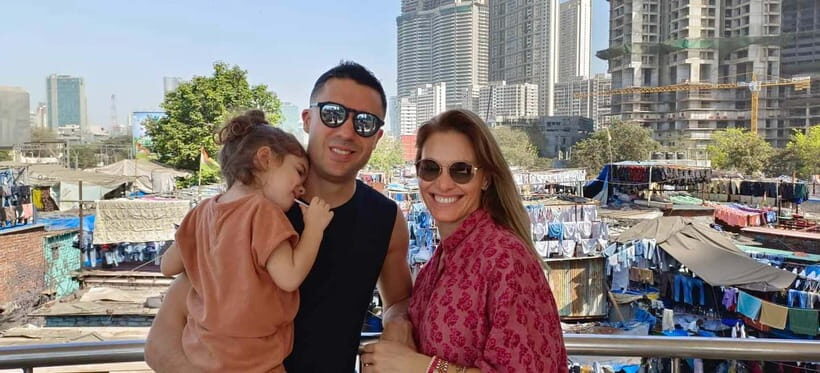
The experience is presented as safe to visit inside and around, with access that’s organized by residents. That resident-led component is important: it signals that you’re not just passing through. You’re visiting with people who know what’s appropriate, where you should be, and how to keep the visit respectful.
Still, you should go with realistic expectations. Dharavi is a working place. You’ll see serious conditions and strong economic pressure, along with everyday routines that continue anyway. The best guides handle this balance—pointing out hard truths without turning the neighborhood into a tragedy display.
Respect tips that genuinely help:
- Keep your questions thoughtful and practical, not sensational.
- Ask before photographing close-up people or very specific work areas.
- Move at your guide’s pace, especially through narrow lanes.
If you approach it like learning with care, the tour tends to feel less like shock and more like clarity.
Who should book this Mumbai Dhobi Ghat and Dharavi tour?
This is a strong pick if you want Mumbai beyond the obvious. If you like experiences that mix a functioning city practice (Dhobi Ghat) with real-world community life (Dharavi), you’ll likely enjoy the contrast. It’s also a good option for first-time visitors who want context from a local guide rather than a generic summary.
It’s especially suitable if:
- You’re curious about work systems—how industries run and how people support families.
- You’re the type who enjoys asking questions and learning from clear explanations.
- You want a guided visit that tries to correct common misconceptions.
It might be less ideal if you:
- Prefer only polished, low-contrast sightseeing.
- Don’t handle crowds, outdoor areas, or sensitive topics well.
- Expect a theme-park style experience with guaranteed comfort.
Should you book this tour?
If you’re visiting Mumbai and want to see how daily labor and community life connect, I think this tour is worth booking. The combination of Dhobi Ghat plus Dharavi with a local guide is the key. At about $19 with pickup, a private format, entrance fees, and English support, it’s also a practical value.
Book it if you can go with respect, stay curious, and accept that you’ll learn more than you’ll photograph. Skip it if your goal is comfort-first sightseeing or if you’re not ready for a serious, human-scale look at work and survival.
FAQ
Is this tour private?
Yes. The tour is listed as a private tour, with a local English-speaking guide.
Does the tour include hotel pickup and drop-off?
Yes. Hotel pickup and drop-off are included.
What language is the guide?
The guide is listed as English-speaking.
What do I see at Dhobi Ghat?
You visit Dhobi Ghat, described as the world’s largest open-air laundry, and you see how washermen and women work shifts to wash clothes brought in from across Mumbai.
What will I see in Dharavi?
You’ll see daily life, including where people live, work, and play, plus industries such as plastic recycling, leather, garment/textile, and metal.
Do we visit a Slumdog Millionaire filming location?
Yes. The experience mentions visiting where Slumdog Millionaire was filmed inside Dharavi.
Is the tour meant to change perceptions about Dharavi?
Yes. The tour aims to dispel stereotypical depictions and to show Dharavi through lived reality and local context.
What’s included in the price?
The included items are: private tour, local English-speaking guide, hotel pickup and drop-off, all entrance fees, and a water bottle.
Can I reserve now and pay later, and what about cancellation?
The experience lists reserve & pay later (book your spot and pay nothing today) and states you can cancel up to 24 hours in advance for a full refund.