REVIEW · NEW DELHI
DELHI: NEW AND OLD SELF ITINERARY FULL DAY OR HALF DAY TOUR
Book on GetYourGuide →Operated by R R Voyages · Bookable on GetYourGuide
Old Delhi hits hard—in the best way. This full-day private route mixes iconic Mughal landmarks with living faith stops, plus a rickshaw ride that’s pure city energy. I especially like the balance: Jama Masjid and Chandni Chowk give you scale and street-life fast, then Gurudwara Bangla Sahib adds a calm, people-first contrast. One thing to plan for: monument entry fees and lunch aren’t included, so your real cost will depend on what you choose to pay on the day.
I like that the tour runs with an AC vehicle and a local guide who can keep the story straight across very different neighborhoods. You also get the practical wins like a driver who handles traffic and a schedule that doesn’t just list sights, it explains why they matter. If you’re sensitive to crowds or want a super relaxed pace, note that you’ll walk through busy areas and spend time at major monuments.
In This Review
- Key things to know before you go
- Old and New Delhi in one day: the logic that makes it work
- Pickup and AC comfort: the unglamorous part that matters
- Jama Masjid: scale, stone, and the feeling of a working mosque
- Chandni Chowk and the rickshaw ride: street life without getting lost
- Gurudwara Bangla Sahib: a peaceful break with a working purpose
- Humayun’s Tomb and the UNESCO wow factor
- India Gate: war memorial, plus a realistic lunch plan
- Passing Parliament and the Presidential Palace: a quick reality check
- Qutb Minar: the tallest brick minaret in the world
- Lotus Temple: unity and peace as a design statement
- Akshardham Temple: why sunset is a smart finish
- Price and value: what $2.50 really means for your budget
- What you’ll likely love most (based on how it runs day to day)
- Who should book this Delhi Old and New tour?
- Should you book it? My straight answer
- FAQ
- How long is this Delhi Old and New tour?
- Where do you get picked up?
- What are the main stops during the day?
- Is lunch included?
- Are monument entry fees included?
- What’s included in the price?
- What languages are available for the live guide?
- Do I need to bring anything?
- Is the tour suitable for wheelchair users?
- What’s the cancellation policy?
Key things to know before you go
- Old Delhi first: Jama Masjid, then Chandni Chowk on foot and by rickshaw, so you get the city’s street rhythm early.
- Worship stops with real meaning: Jama Masjid and Gurudwara Bangla Sahib are more than photos; you see how faith shows up in daily life.
- Big monuments, tight flow: Humayun’s Tomb (UNESCO), India Gate, Qutb Minar, Lotus Temple, and Akshardham—built into one logical circuit.
- Skips ticket lines, but not entry fees: you can save time at gates, while monument tickets stay your responsibility.
- AC transport + named pickup: the driver meets you with your name on a paging board, then you’re moving comfortably.
- Good day for photos: multiple photo stops and viewpoints built in, plus time at sunset for Akshardham.
Old and New Delhi in one day: the logic that makes it work
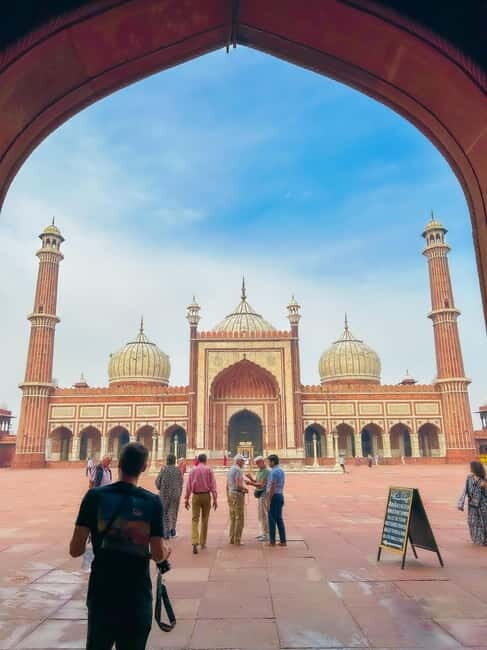
Delhi can feel like two different cities. Old Delhi is about old power, old markets, and places of worship that still run on routine. New Delhi is cleaner on the map, more planned, and full of monuments that explain how modern India wants to remember itself.
That’s exactly why this kind of route makes sense. You start with the grand, heavy architecture at Jama Masjid, then slide into the narrow lanes and spice-market feel of Chandni Chowk. After that, the day moves toward Mughal legacy at Humayun’s Tomb, then into memorial and modern state landmarks around India Gate and the Parliament/Presidential areas. By the time you reach Qutb Minar, Lotus Temple, and Akshardham, you’re seeing how different faiths and eras shaped the skyline.
I like that the schedule doesn’t treat religion and history as separate topics. You get both—mosque, Sikh gurdwara, Mughal tomb, then Hindu and Baha’i-inspired architecture—so the city feels whole instead of chopped into categories.
A few more New Delhi tours and experiences worth a look



Pickup and AC comfort: the unglamorous part that matters
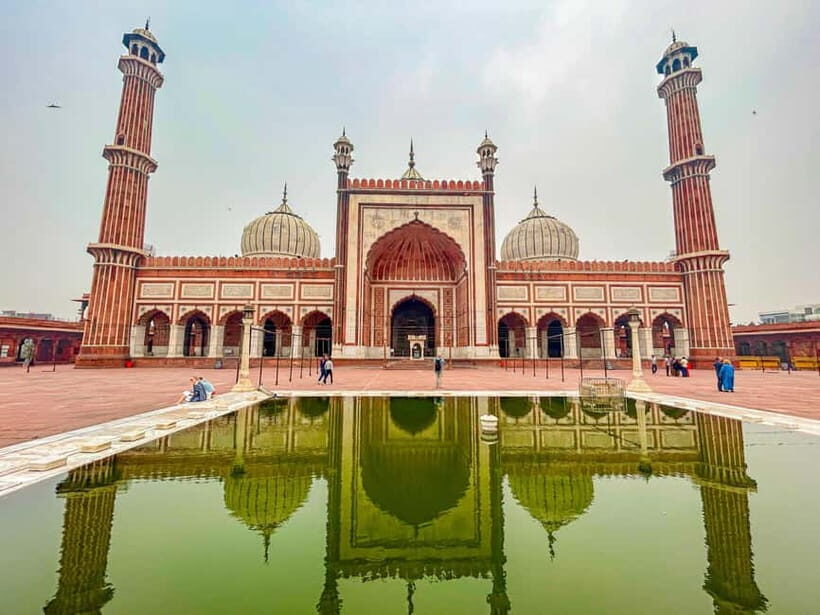
The day starts with pickup from your New Delhi-area hotel or even the airport, with the driver holding your name on a paging board. That detail sounds small, but it cuts down stress immediately—especially if you land with a head full of traffic fears.
You’ll ride in an air-conditioned vehicle for all transfers. Delhi heat (and Delhi traffic) can drain your energy fast, and the AC gives you enough left in the day to actually enjoy standing around at big monuments. You also get one mineral water bottle per person, which helps you stay functional while you’re walking.
This is also a private group setup, so you’re not trapped in a slow-moving cluster. You can set a pace that fits you—within the overall structure of the tour.
Jama Masjid: scale, stone, and the feeling of a working mosque
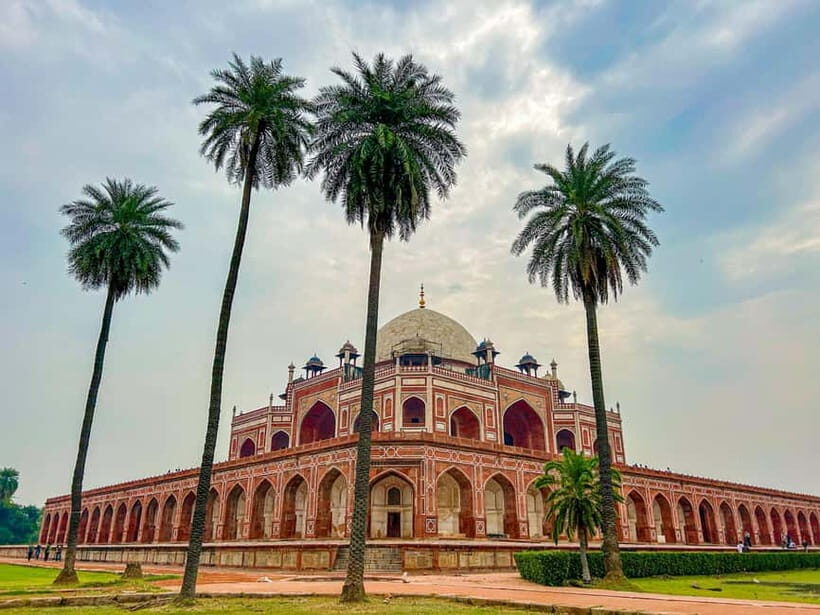
Jama Masjid is described as India’s largest mosque, and it lives up to that on first sight. Your guided visit is set for about an hour, which is the right length: long enough to notice the layout and the craftsmanship, but not so long that the visit drags.
What you’ll likely love here is how the architecture sets your expectations for the rest of Old Delhi. The mosque is big enough that it changes your sense of distance. Once you understand that scale, Chandni Chowk feels even tighter and more real—because you can compare how the city’s sacred space and its daily commerce share the same neighborhood.
One practical consideration: mosque areas can get busy, and you’ll be spending time standing and walking. If you want a photo-focused stop, come with your camera ready and your questions ready for your guide.
Chandni Chowk and the rickshaw ride: street life without getting lost
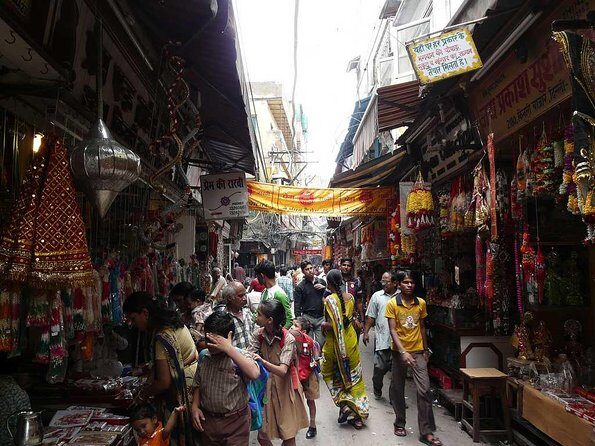
Chandni Chowk is one of Delhi’s older markets, and the tour builds in both walking time and a rickshaw ride through the narrow streets. That combo is smart. You get the human scale of the market on foot, then you get a quick reset in rickshaw mode when the lanes get too tight or too slow.
Expect plenty of aromas and color from the spice-market area. This is one of those experiences where a guide helps more than you’d think. It’s not just what to see—it’s how to read what you’re seeing. With a local guide, you’ll understand what different streets are known for, rather than just moving through them like a camera on legs.
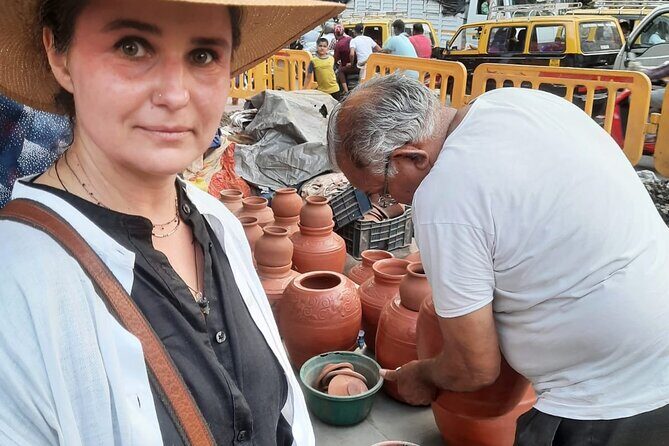
A possible drawback: in some parts of the day you may be directed to shops. One past experience included a stop where salespeople tried to sell local products. That doesn’t mean it’s guaranteed every time, but it’s worth knowing that market areas sometimes come with commercial detours. If you’re not interested in shopping, keep it clear with your guide and stick to your priorities.
Gurudwara Bangla Sahib: a peaceful break with a working purpose
After the market energy, Gurudwara Bangla Sahib brings a calmer pace. Your visit includes guided time and walking time (about 1.5 hours), and it’s a Sikh house of worship.
I like this stop because it changes the mood of the day without skipping the meaning. You’re not just switching neighborhoods—you’re switching how the community relates to visitors. The highlight here is the scale of the donation kitchen that serves thousands of meals daily. Even if you’re not participating in a meal, it’s easy to grasp that this isn’t symbolism; it’s logistics and community service in action.
If you’re someone who enjoys learning how different faiths show up beyond buildings—through routine, hospitality, and shared space—this is one of the most rewarding parts of the itinerary.





Humayun’s Tomb and the UNESCO wow factor
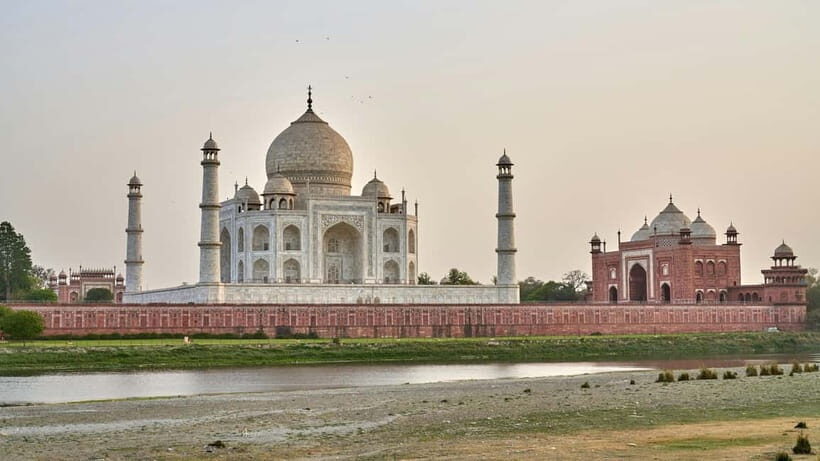
Humayun’s Tomb is a 16th-century Mughal tomb and a UNESCO World Heritage Site. The guided visit is scheduled for about 1.5 hours, which gives you time to appreciate more than the main view.
Here’s what makes this stop valuable: Mughal architecture often looks impressive, but it also carries a design logic. With a guide, you can see the planning behind the symmetry, the way the garden space works, and how the tomb fits into a larger idea of imperial legacy.
You also get a natural transition afterward. The next part of the day takes you toward India Gate, which means your brain shifts from Mughal memorial space into modern war remembrance—different eras, different emotional tone.
India Gate: war memorial, plus a realistic lunch plan
India Gate is next, and the timing is built around a lunch hour. Lunch isn’t included, but your guide can recommend places to eat North Indian and Mughlai food.
That matters. Delhi has countless restaurant options, but choosing one quickly—at the right distance from where you’ll be next—makes or breaks a day like this. A guide’s restaurant suggestions can save you time and help you avoid ending up far from the route.
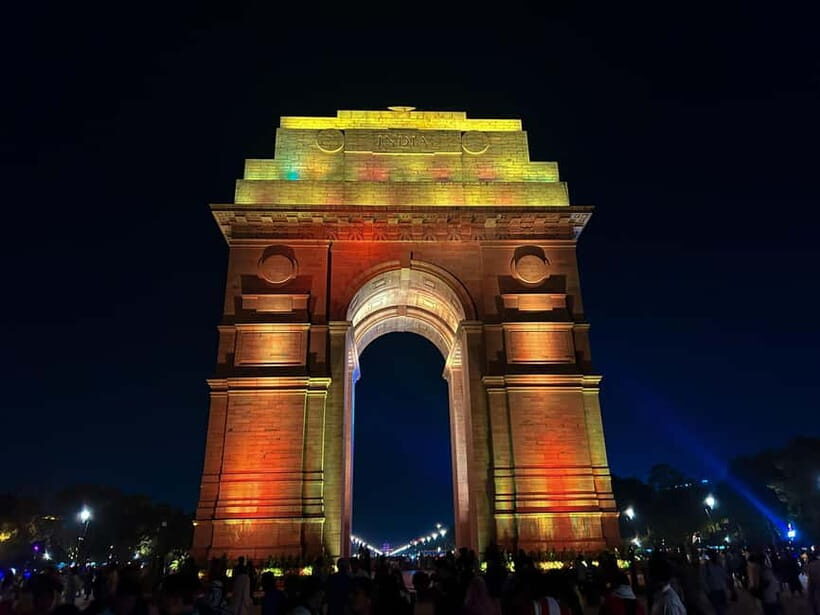
After lunch, there’s a photo stop plus a short guided visit (around 30 minutes). India Gate is a place where you can get the vibe even if you’re not staying long. It’s all about the memorial presence and the surrounding area as a kind of public stage.
Passing Parliament and the Presidential Palace: a quick reality check
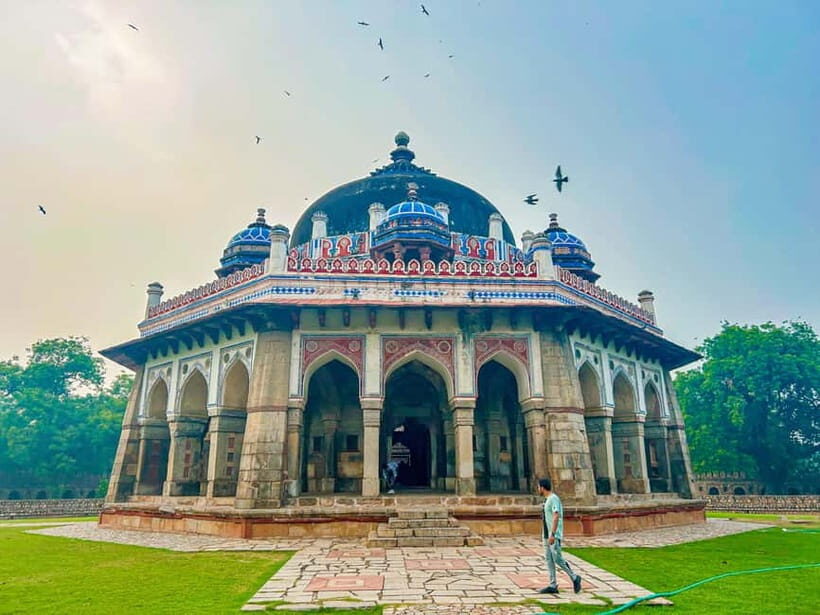
You’ll drive past Parliament House and the Presidential Palace for a glimpse of Delhi’s modern governance. This isn’t a long stop, but it gives context. By this point, you’ve already seen Ottoman-style spice-market life and Mughal tomb planning; now you’re seeing the political center that shapes the city’s present day.
If your interest is mostly architecture and history, this drive-by is a short chapter. If your interest also includes how countries remember themselves, this quick view can feel surprisingly meaningful.
Qutb Minar: the tallest brick minaret in the world
Qutb Minar is one of Delhi’s signature monuments, and it’s scheduled for about 1.5 hours with guided time and sightseeing. The big draw is scale, plus the fact that it’s the tallest brick minaret in the world.
What I like about putting Qutb Minar here in the day is that it bridges your earlier Mughal stop and the next faith-based architecture. By the time you arrive, you’re already primed to notice how religion and empire shape public space—then Qutb Minar delivers with a very different style and story.
Tip for getting the most out of the hour and a half: use the time to ask your guide what to look for in the masonry and how the monument’s survival and prominence fit into Delhi’s timeline.
Lotus Temple: unity and peace as a design statement
Lotus Temple is next, with a photo stop and a guided visit of about 30 minutes. It’s a symbol of unity and peace in the Baha’i faith.
This is a good emotional reset after Qutb Minar. Qutb is vertical, dramatic, and historical. Lotus Temple feels calmer and more modern in how it communicates spirituality: the flower shape signals peace, and the Baha’i message is simple and outward-facing.
You don’t need a long visit here. The architecture does the talking, and the guided time helps you understand what the shape represents.
Akshardham Temple: why sunset is a smart finish
Akshardham Temple is your last major stop, with about two hours including sunset and scenic views on the way. This is a strong way to end because light matters. Different temples can look impressive in daylight, but sunset often turns the scene into something more cinematic.
This stop is also valuable because it shifts to Hindu architectural brilliance in a way that feels visually complete. You get time on-site, plus the route is planned so you’re not just stuck in a vehicle at the end of the day.
If your schedule allows, try to time your photos for the moment when the light changes. That’s the whole point of building in a sunset finish.
Price and value: what $2.50 really means for your budget
The listed price is very low on a per-person basis, which makes this tour appealing if you want structure without blowing your day budget. But you should understand what the price covers and what it doesn’t.
Included:
- AC transfers the whole day
- Local English-speaking guide at Delhi
- Rickshaw ride
- Skip-the-ticket-line service
- One mineral water bottle per person
Not included:
- Monument entry fees
- Lunch
- Beverages other than drinking water
- Personal expenses
So the real value equation is this: you’re paying for time, transport, and guided context, then separately budgeting for monument tickets and food. Since the itinerary includes multiple major sights, entry fees can add up. Still, the skip-the-ticket-line feature can save time and reduce friction, especially when you have several stops in one circuit.
If you’re planning a first trip to Delhi and want a hit list that still makes sense, this format can be a smart bargain—especially if you’re traveling with limited daylight and want your day to feel intentional.
What you’ll likely love most (based on how it runs day to day)
A lot of the best moments are about how the day flows, not just the checklist of landmarks.
- You get guided context at every major stop, from Jama Masjid to Humayun’s Tomb to Qutb Minar and Lotus Temple.
- You’re not stuck planning transport between neighborhoods; the AC vehicle handles transfers.
- The guide often plays an active role in practical problem-solving, like helping with meeting points and keeping you comfortable as you move through traffic and walking.
- There’s a strong photo-and-time balance, with photo stops built in and Akshardham scheduled for sunset.
You might also get a guide with serious energy and a habit of answering lots of questions. Names that have come up in this tour’s guide lineup include Sumit, Ravi, Chetan, Jaspal, Nawin, Vikram, Sunil, Sujal, Palash, Saurabh, and Ankit. Drivers also get praise for smooth, careful driving through Delhi, with names like Raju, Habib, Mukesh, Bobby, and Rajneesh mentioned for professionalism and comfort. Of course, your exact team can vary, but those are signals of what this operator tends to excel at.
Who should book this Delhi Old and New tour?
This tour is a great fit if you:
- Want a first-timer Delhi overview that still includes major monuments and meaningful worship stops
- Prefer a private guide who can keep explanations going while you move
- Like a day that balances architecture, markets, and spirituality instead of choosing only one theme
- Appreciate AC transport when the day gets long
It might not be ideal if you:
- Need wheelchair accessibility (this tour is not suitable for wheelchair users)
- Want a slow, minimal-walking pace
- Are hoping for lunch included (it isn’t)
Should you book it? My straight answer
Yes, I’d book it if you’re trying to make one day count in Delhi. The mix of Old Delhi landmarks (Jama Masjid, Chandni Chowk, Gurudwara Bangla Sahib) with New Delhi icons (Humayun’s Tomb, India Gate, Qutb Minar, Lotus Temple, Akshardham) is exactly the kind of itinerary that helps you build a mental map fast.
Just budget for monument entry fees and lunch, and expect some walking through busy areas. If you can handle that, you’ll get a well-organized route with strong guided storytelling, comfortable transfers, and a sunset finish that’s a satisfying way to close the day.
FAQ
How long is this Delhi Old and New tour?
The duration is listed as 4 to 8 hours, depending on the starting time option you choose.
Where do you get picked up?
Pickup is available from New Delhi-area hotels and also from the airport. A driver will meet you holding your name on a paging board. The tour notes pickup in Delhi, Noida, and Gurugram as well.
What are the main stops during the day?
The tour includes Jama Masjid, Chandni Chowk (with a rickshaw ride), Gurudwara Bangla Sahib, Humayun’s Tomb, India Gate (including lunch time and a photo stop), Qutb Minar, Lotus Temple, and Akshardham.
Is lunch included?
No. Lunch is not included, but your guide can recommend North Indian and Mughlai restaurants.
Are monument entry fees included?
No. Monument entry fees are not included, although the tour does note skip-the-ticket-line service.
What’s included in the price?
Included features are AC vehicle transfers, a local English speaking guide in Delhi, the rickshaw/tuk tuk ride, and one mineral water bottle per person per day.
What languages are available for the live guide?
The guide language options include English, Spanish, German, and French.
Do I need to bring anything?
Bring a camera is listed as the main item.
Is the tour suitable for wheelchair users?
No, it is not suitable for wheelchair users.
What’s the cancellation policy?
Free cancellation is available up to 24 hours in advance for a full refund.