REVIEW · JODHPUR
Jodhpur Blue City Heritage Walking Tour
Book on Viator →Operated by Jodhpur Blue City Heritage Walking Tour · Bookable on Viator
A good blue-city walk beats guessing on your own. You get classic Jodhpur sights plus the kind of stop where you actually eat, not just pose. I love the mix of architecture and viewpoints, and I love that the tour works in a food break like ghee kachori. One thing to consider: this is still a walking tour, so plan for heat and hills, and come when the weather is friendly.
What makes it practical is the format. You meet at the Clock Tower area (Ghanta Ghar), get a mobile ticket, and spend about 2–3 hours moving through the old city with a private group feel. If you’re sensitive to crowds in narrow lanes, keep expectations flexible—these streets are made for locals, not slow motion sightseeing.
In This Review
- Key Highlights You Should Know
- Entering Jodhpur’s Blue City the Smart Way (Without Stress)
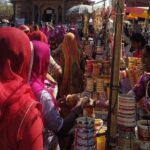
- Starting at the Ghanta Ghar Clock Tower Market (Sardar Market) for Real Old Town Energy
- Toorji Ka Jhalra Stepwell: Why This 1740 Water Landmark Matters
- Pachetia Hill for 400–500 Year Old Blue Houses and the View That Makes It Click
- Shri Gangshyam Ji Maharaj Mandir: Krishna Temple Paintings You’ll Actually Notice
- Naarayan Mishtan Bhandar and Jodhpur’s Ghee Kachori Stop
- Timing, Comfort, and What to Bring on a 2–3 Hour Walk
- Price and Value: Why $11.24 per Group Can Still Feel Like a Deal
- Should You Book This Jodhpur Blue City Heritage Walking Tour?
- FAQ
- Where is the meeting point for the Jodhpur Blue City Heritage Walking Tour?
- How long does the walking tour take?
- Is this a private tour or a shared group experience?
- What’s included in the price?
- What food or dessert stops are part of the experience?
- Do I receive a ticket on my phone?
- What happens if the weather is bad?
Key Highlights You Should Know
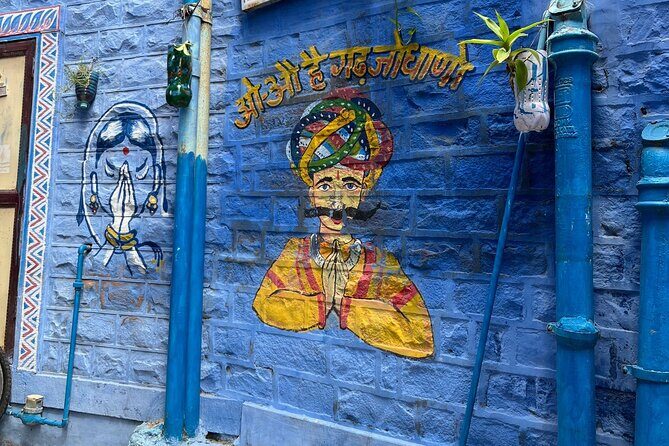
- Clock Tower Market (Sardar Market): one of the oldest markets, with textiles and wooden handicrafts right in the old town center
- Toorji Ka Jhalra (1740 stepwell): a beautifully built stepwell tied to Rani Toorji and Abhay Singh
- Pachetia Hill viewpoints: see old blue houses from about 400–500 years ago, including jharoka-style windows
- Shri Gangshyam Ji Maharaj Mandir: a Lord Krishna temple with around 350 years of paintings and architecture
- Naarayan Mishtan Bhandar (Lal Bhatti Wale): a famous stop for desert ghee kachori
- Bottled water included: a small detail that keeps the walk comfortable
Entering Jodhpur’s Blue City the Smart Way (Without Stress)
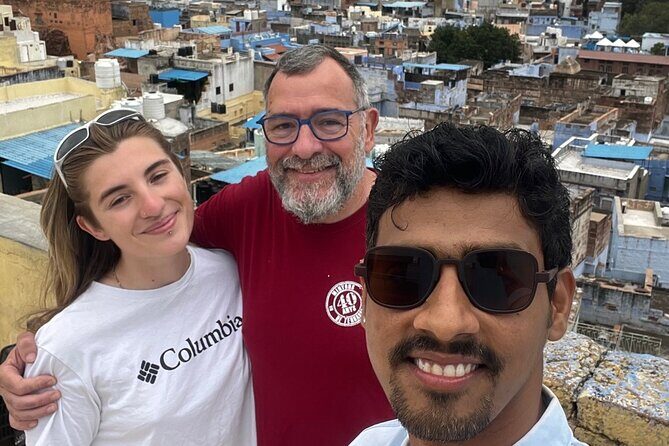
Jodhpur’s old town can feel like a maze if you’re trying to navigate solo. This walking tour tackles that problem by putting you on an efficient route, with stops that explain what you’re seeing—history, daily life, and why certain corners matter. It’s not just a photo loop. The best part is the flow: market first, then a major water landmark, then viewpoints, then a temple, then food.
I also like the group size setup. It’s private and priced per group for up to 2 people, so you’re not stuck in a slow-moving pack. That matters when you’re walking in tighter lanes and you want answers in real time.
The one drawback is physical comfort. You’ll be on your feet for about 2–3 hours, plus there’s a hill viewpoint stop and a stepwell. If you have mobility limits, you might still be okay, but you should expect uneven footpaths and some steps.
You can also read our reviews of more walking tours in Jodhpur



Starting at the Ghanta Ghar Clock Tower Market (Sardar Market) for Real Old Town Energy
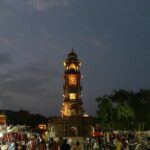
You begin near Ghantaghar / Clock Tower, in the center of the old town where the market scene is the most natural. The tour calls this the Clock Tower Market (also known as Sardar Market), and it’s one of the older market areas in Jodhpur. That location is useful: you’re not starting miles away from the places you came to see.
At this stop, you’ll pick up context on how the neighborhood works and what you’ll notice later—art and craft work in textiles plus wooden handicrafts. It’s the kind of introduction that helps you look at the blue-house streets that follow as part of a living city, not an open-air museum.
The practical downside is that markets mean sensory overload. If you hate crowds, strong smells, or lots of people calling out, plan to keep your pace calm. Also, bring comfortable footwear—your shoes will do most of the work before the views kick in.
Toorji Ka Jhalra Stepwell: Why This 1740 Water Landmark Matters
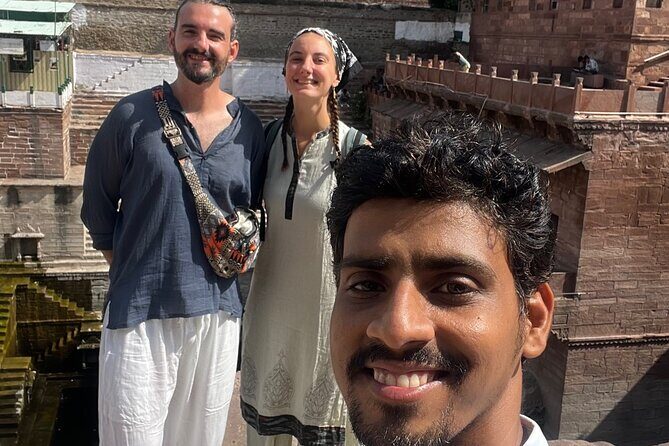
Next comes Toorji Ka Jhalra, a stepwell known for its architecture and scale. The tour highlights that it was founded in 1740 by Rani Toorji, the wife of Abhay Singh. That detail changes how you look at the structure. A stepwell isn’t just a cool photo stop—it’s a piece of how people managed water and built community life around it.
You’ll spend enough time here to notice design elements rather than rushing past. Even if you’ve seen other stepwells in India, the point is to compare: how the stonework shapes movement and how the steps create a place where people would pause, gather, and survive dry seasons.
Good news on cost: the stepwell admission in this route is listed as free. The practical note is timing and weather. Since this is a walk-and-view experience, if conditions are hot or harsh, you’ll want to pace yourself and lean on the included bottled water.
Pachetia Hill for 400–500 Year Old Blue Houses and the View That Makes It Click
Then you head to Pachetia Hill, where the tour offers one of the most direct payoffs: old blue houses viewed from above. The description puts their age around 400–500 years, and the focus is on details—craved architecture elements plus features like jharoka window styles, along with columns and pillars.
This is where “blue city” becomes more than a color. From a viewpoint, you can understand how neighborhoods stack, how streets thread between buildings, and why the blue theme is so visually striking. You also get the perspective that helps you appreciate street-level designs later—windows, balconies, and carved stone don’t look random when you see how the city sits.
The drawback is the physical part. Hill viewpoints mean more effort, and if you’re traveling in peak sun, it can feel longer than the stated stop length. My advice: go slow on the ascent and don’t rush the photos—your eyes adjust and you’ll notice nicer architectural patterns once you stop sprinting.
Shri Gangshyam Ji Maharaj Mandir: Krishna Temple Paintings You’ll Actually Notice
After the hill, you visit Shri Gangshyam Ji Maharaj Mandir, described as about 350 years old and dedicated to Lord Krishna. This stop is a strong reminder that Jodhpur’s old town isn’t only forts and staircases. It’s also active devotion and crafted interior decoration.
The tour emphasizes the temple’s paintings and architecture craftsmanship. Even if you don’t consider yourself a temple-spotter, this is the kind of stop where a guide helps you see what’s easy to miss when you’re walking by on your own. It can also be a welcome pause from outdoor heat—temple interiors often feel cooler and quieter.
Try to keep your mind on details rather than just impressions. If you’re sensitive to cultural norms, keep it respectful and follow the guide’s lead for where to stand and how to observe.
You can also read our reviews of more city tours in Jodhpur



Naarayan Mishtan Bhandar and Jodhpur’s Ghee Kachori Stop
Every good walking tour needs a payoff you can taste. This one ends with a dessert/food stop at Naarayan Mishtan Bhandar, also referred to as Lal Bhatti Wale. The focus here is a famous stop for desert ghee kachori, and that lines up with the broader food promise of the tour, which includes local bites like kachori, samosa, and chai.
Why this works: you don’t just eat randomly near the end. You’re finishing right after architecture and viewpoints, so food becomes a memory anchor. And since the ghee kachori is specifically called out, you know you’re aiming for something the city is known for.
The consideration: sweets and fried snacks can be heavy after a couple hours of walking. If you’re sensitive to spicy food or rich ghee flavors, tell your guide and take it easy with portions. The goal is enjoyment, not food math.
Timing, Comfort, and What to Bring on a 2–3 Hour Walk
The total time is about 2 to 3 hours, and the route is built around short, focused stops plus a longer viewpoint period. That keeps it from turning into an all-day ordeal. Still, you should dress like you’re going outside in real life: supportive shoes, breathable clothing, and a plan for shade when you can find it.
What’s included is helpful: bottled water. Use it early, not after you feel thirsty. Also, the tour uses a mobile ticket, so make sure your phone battery is healthy before you start.
Since the experience requires good weather, it’s smart to bring a simple backup plan in your head. If conditions are bad, you might be offered another date or a full refund. And if you’re the type who gets grumpy when plans change, just remember: stepwells and hill viewpoints don’t love rain.
Price and Value: Why $11.24 per Group Can Still Feel Like a Deal
The price is $11.24 per group (up to 2), which is low for a guided old-town walk that includes bottled water and a structured set of major stops. That’s the value angle: you’re paying for direction, context, and time-saving routes through the old city.
Also, notice what’s included vs. not included. Private transportation is not included, which makes the tour fit best if you’re already in the Clock Tower area or you enjoy walking. On admissions, the route specifies one paid ticket for the Clock Tower Market stop and lists free admissions for the stepwell, the hill viewpoint, and the temple. In plain terms: you’re not hit with a long list of extra entry fees during the walk.
Who this is best for: couples, solo travelers who like guided context, and people who want Jodhpur without spending hours researching streets. If you love food stops and architectural details, you’ll likely feel the payoff quickly.
Should You Book This Jodhpur Blue City Heritage Walking Tour?
If you want a clear route through Jodhpur’s old town with a mix of markets, a stepwell, viewpoints, a Krishna temple, and a proper food finish, I’d book it. The private group setup for up to 2 people at a low price is the kind of arrangement that feels fair.
Don’t book it if you hate walking, you need step-free routes, or you’re traveling on a day you know the weather will be poor. With the weather requirement and the hill/step elements, comfort is your biggest deciding factor.
FAQ
Where is the meeting point for the Jodhpur Blue City Heritage Walking Tour?
You meet at Golu gol gappe72VF+WJF, Ghanta Ghar Rd, Ghantaghar, Clock Tower, Rawaton Ka Bass, Jodhpur, Rajasthan 342001, India.
How long does the walking tour take?
The tour lasts about 2 to 3 hours.
Is this a private tour or a shared group experience?
It’s private, meaning only your group participates.
What’s included in the price?
The price is $11.24 per group (up to 2), and the tour includes bottled water. The route lists admission details by stop, including the Clock Tower Market ticket as included.
What food or dessert stops are part of the experience?
The tour includes local food and dessert such as kachori, samosa, and chai, with a highlighted stop at Naarayan Mishtan Bhandar (Lal Bhatti Wale) for ghee kachori.
Do I receive a ticket on my phone?
Yes, you’ll receive a mobile ticket.
What happens if the weather is bad?
This experience requires good weather. If it’s canceled due to poor weather, you’ll be offered a different date or a full refund.