Waking up Mumbai early changes everything. This 4-hour morning tour is built around the city’s workday rhythm, so you catch real scenes before traffic and crowds take over. I like that it’s less about sightseeing checklists and more about watching daily life click into place, with an expert English-speaking guide keeping you pointed the right way.
What I like most is the way the tour centers on the fish market (with hundreds of fishing boats bringing in the catch) and the colorful stop at Dadar flower and vegetable markets, which is great for photography. One thing to consider: the route runs tight, and the pace can feel a bit rushed if you want extra time lingering at the fish and flower stalls.
Fish-market first gives you the real morning story. You’ll see boats working at scale and the early flow of fresh catch.
Dadar flowers plus vegetable stalls = instant photo ops. Color, textures, and plenty of market motion.
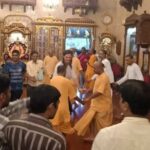
You get an ISKCON temple morning experience. The aarti is the calm contrast to the markets.
Hotel pickup and drop make it easy. You trade early effort for someone else handling transport.
This is for early risers who like local life. If you prefer slow pacing, plan on moving with the group.
In This Review
- Waking Up Mumbai: Why This 4-Hour Morning Route Works
- Fish Market Morning: Hundreds of Boats and Fresh-Catch Reality
- Dadar Flower Market and Vegetable Stalls: Color, Trade, and Easy Photos
- ISKCON Temple Morning Aarti: A Calm Reset After the Markets
- Getting Around in an AC Car: Comfort, Timing, and Staying Sane
- Price and Value: Why $21 Feels Fair Here
- Who Should Book This Early Morning Mumbai Experience
- Should You Book This Tour?
- FAQ
- How long is the Mumbai Hidden Gems early morning tour?
- What is included in the tour price?
- Are meals included?
- What places will I visit during the tour?
- What should I bring with me?
- Is the tour guide available in English, and are groups small?
Waking Up Mumbai: Why This 4-Hour Morning Route Works
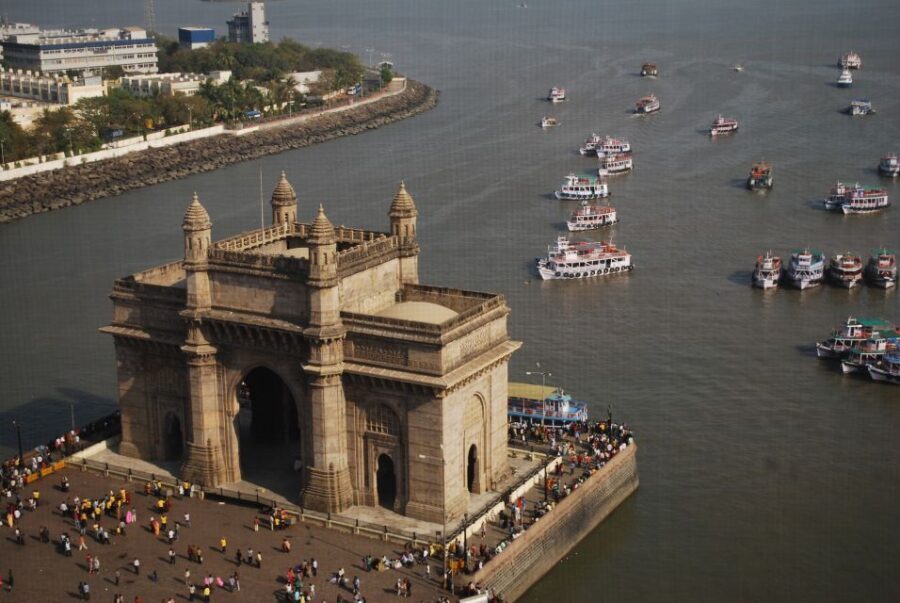
Mumbai can feel like a blur after 9 a.m. Hours slip into traffic, lines, and heat, and suddenly the city becomes something you pass through instead of something you notice. This tour is built for the opposite effect. You start early and you move through a few key neighborhoods while the city is still doing its morning job.
At $21 per person, the value comes from more than the sights. You’re paying for the “how to do it” part: a dedicated guide, hotel pickup and drop, an AC car, bottled water, and entrance coverage at the stops that require it. That matters in Mumbai, where figuring out timing and getting to the right places can be its own mini-adventure.
The best part is the perspective. Instead of viewing Mumbai from the usual tourist angle, you’re seeing it in motion—fisher life, market trade, and temple ritual—without needing to be a local or master a complex transit plan.
Fish Market Morning: Hundreds of Boats and Fresh-Catch Reality
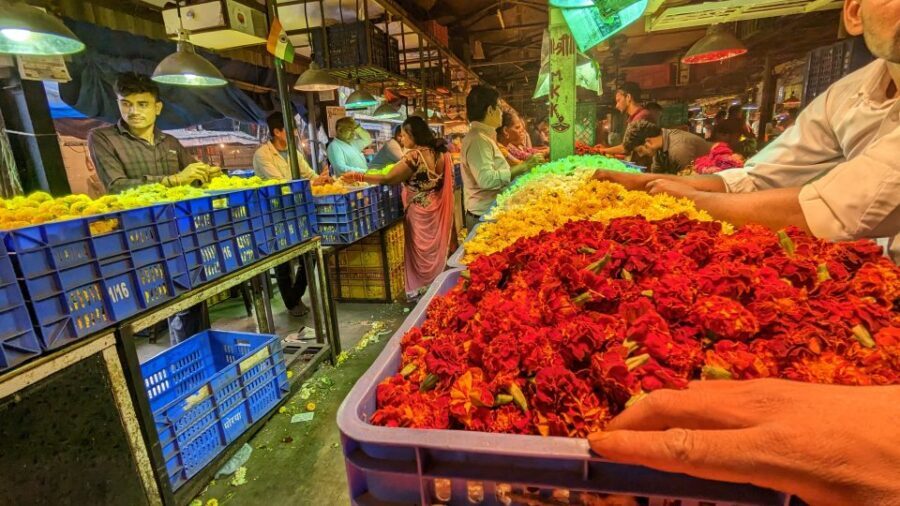
The heart of the tour is the fish market scene near the train area, where you’ll see the rhythm of fishing and distribution beginning early. The standout detail here is scale: there are 100s of fishing boats involved in bringing fresh fish in from the sea, which means you’re not just walking past one small cluster of vendors. You’re seeing a working system.
What you’ll notice right away is how fast everything operates. Boats bring in the catch, workers move with purpose, and the fresh fish is directed toward the next stage of distribution. It’s not staged. It’s practical. Even if you’re not a seafood person, the energy tells you a lot about what keeps the city fed and working.
If you’re interested in photography, this is your first big window. Early light plus motion plus the textures of market life give you lots to frame. One simple tip: keep your camera ready but don’t get so focused you bump into people moving with cargo. You’ll get better shots by pausing for a second and watching how workers position loads and equipment.
Practical note: expect the market to be busy and active. Wear comfortable shoes that you don’t mind getting used to uneven surfaces. And because you start early, you may feel tempted to rush. Don’t. Take a minute to look at the whole flow—boats in, fish moving, distribution starting—so the scene makes sense.
You can also read our reviews of more guided tours in Mumbai


Dadar Flower Market and Vegetable Stalls: Color, Trade, and Easy Photos
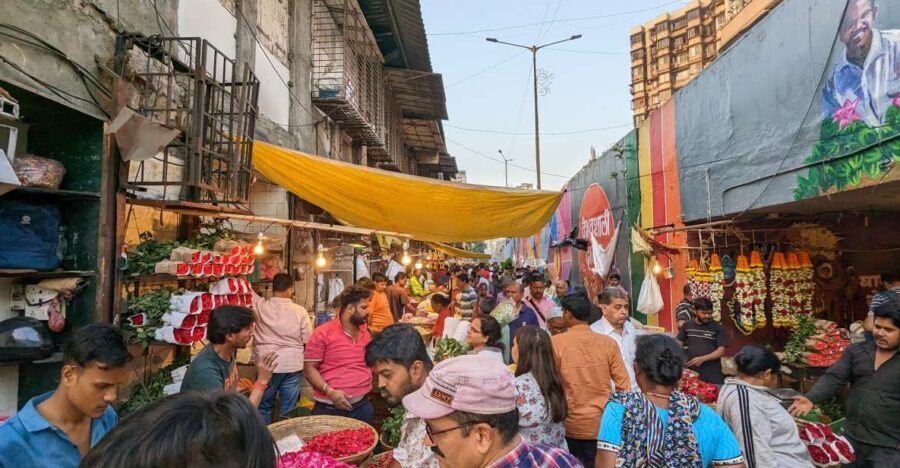
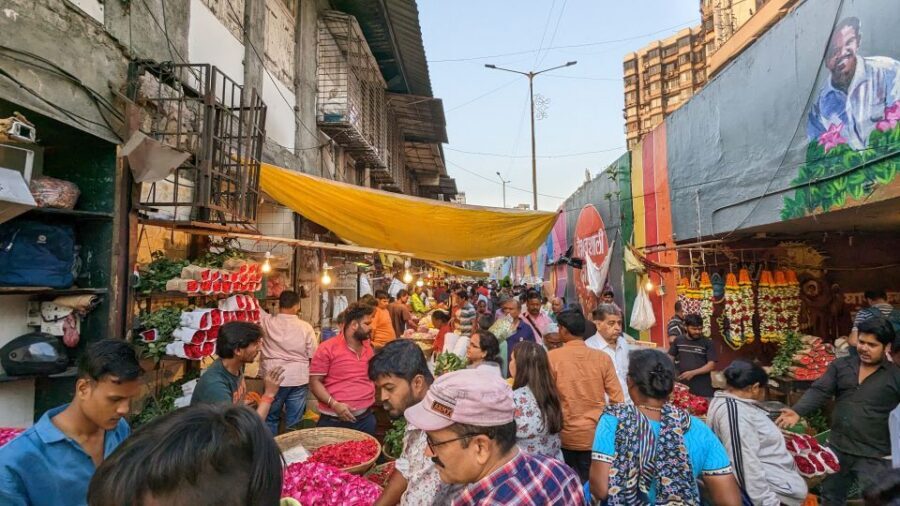
Next up is Dadar flower market, followed by the vegetable market. These stops are where the tour shifts from raw work energy to bright sensory detail. Flowers in particular change the whole mood of a morning. You get vivid color everywhere, and the market feel becomes more about selection and arrangement—who wants what, how bundles are wrapped, and how traders and buyers negotiate with practiced speed.
This is also a strong photography stop. Between the flower piles and the packed vegetable stalls, you’ll find plenty of natural “photo backgrounds” that don’t require you to hunt for landmarks. The markets already have visual structure: stacks, rows, and movement that creates depth even in crowded areas.
Why I think this portion is valuable: it shows another side of how Mumbai supports daily life. Fish feeds the city through the morning supply chain; flowers and vegetables reflect a different kind of daily rhythm—households, small businesses, and local routines.
The only drawback is time. Since the tour is limited to around 4 hours total, you’ll move through these markets efficiently. If you want to spend a long time comparing bouquets or shooting without interruption, this may feel a little tight. It’s still worth going because the atmosphere is real, but go in knowing it’s a short, guided walkthrough rather than a slow market day.
ISKCON Temple Morning Aarti: A Calm Reset After the Markets
After the markets, you’ll head to ISKCON temple, where you can experience a morning aarti. This stop is the contrast stop—the calm, spiritual pacing that’s almost impossible to find if you only wander city streets in the afternoon.
In the morning, the temple atmosphere tends to feel more focused. The aarti timing gives you a clear structure: you arrive, you watch, and you experience a moment of ritual that connects people through shared practice. For a lot of visitors, this is the part that clicks emotionally because it slows down the day.
It’s also a good example of why an early tour makes sense. If you tried to do this later, you’d likely hit different crowd levels or miss the particular feel of the morning opening. Starting early gives you a better chance of seeing the ritual at the moment it’s meant to be seen.
For your visit, keep expectations simple: this isn’t a long lecture. It’s a focused morning experience. Dress respectfully and follow the guide’s lead on where to stand and how to observe.
Getting Around in an AC Car: Comfort, Timing, and Staying Sane
One reason people like this tour is the transportation setup. You get hotel pickup and drop, and you travel in an AC car. That’s a big deal in Mumbai because mornings can still surprise you with humidity, and shifting between locations on your own can eat up time fast.
The tour also runs as a single morning “loop.” That helps your day because you don’t have to keep re-planning transit between markets and temples. You’ll just follow your guide and trust the order.
Now for the reality check: a guided early tour is efficient by design. One guest noted the experience felt a bit rushed and that the actual time on the ground can run shorter than the posted duration. That doesn’t mean the tour is bad—it means you should treat it as a focused sampler, not a slow buffet.
My practical advice: if you’re the type who wants to linger and soak, plan to come back later under your own pace. If you’re the type who wants to see multiple sides of Mumbai in one morning without negotiating logistics, this format fits you well.
Price and Value: Why $21 Feels Fair Here
At $21 per person for about 4 hours, this tour is priced like a practical local-group experience rather than a high-end private guide setup. What makes it good value is what you actually get:
- Hotel pickup and drop, which saves time and reduces uncertainty
- Dedicated English-speaking guide, so you’re not just photographing and guessing
- Bottled water, so you’re not starting the morning dehydrated
- Entrances to the mentioned places, which avoids surprise costs
- AC car, which makes early mornings more comfortable
You don’t get meals, so you should plan around that. If you’re doing this as your morning activity, you’ll likely want something light before you go and then a proper breakfast or brunch after. (The tour stops are designed for moving and watching, not sitting down for long meals.)
Given the inclusions, the cost is reasonable—especially if you’re short on time and want to see fish market life, flower-and-vegetable trading, and an ISKCON morning ritual all in one block.
A few more Mumbai tours and experiences worth a look





Who Should Book This Early Morning Mumbai Experience
This tour suits you if you want Mumbai as it wakes up. You like local energy. You enjoy markets. You don’t mind crowds or the fast rhythm of vendors and workers. You also want guidance—someone to help you understand what you’re seeing and where to look.
It’s also a strong fit for photographers who want quick, high-impact scenes. The fish market and Dadar markets give you visual variety that’s hard to replicate in a single standard sightseeing day.
If you’re not an early riser, or you prefer slower pacing and longer stops, you might find the schedule a bit intense. And if you’re the kind of visitor who needs lots of downtime between locations, this style will feel like a sprint, even with the AC car breaks.
Think of it like this: it’s a morning storyboard. You get the key frames, but you move on quickly.
Should You Book This Tour?
I’d book it if you want one morning that actually teaches you how Mumbai works—fish supply energy, flower-and-vegetable trade, and a spiritual ritual in the same day sequence. The combination of guided context, hotel pickup, and market-first timing is hard to beat for the price.
I’d skip it (or plan differently) if your ideal trip is slow and unhurried. The stops are meaningful, but the tour is designed to cover a lot. If you mainly want to stare at flowers for an hour or take your time in the fish market, you may want to pair this with independent return visits later.
If you do book: wear your comfiest shoes, show up ready to move, and let the morning do what it does best—catch the city before it turns into noise.
FAQ
How long is the Mumbai Hidden Gems early morning tour?
The tour duration is listed as 4 hours.
What is included in the tour price?
Included items are hotel pick-up and drop, an AC car, a dedicated English-speaking guide, bottled water, and entrances to the mentioned places.
Are meals included?
No, meals are not included.
What places will I visit during the tour?
The itinerary includes the fish market with many fishing boats, Dadar flower market, a vegetable market stop, and the ISKCON temple for the morning aarti.
What should I bring with me?
Bring comfortable shoes since you’ll be walking through active market areas.
Is the tour guide available in English, and are groups small?
Yes, the tour has a live English guide, and it’s available as private or small groups.