REVIEW · MUMBAI
Mumbai: Dhobi Ghat & Dharavi Slum tour
Book on GetYourGuide →Operated by Mumbai with Locals · Bookable on GetYourGuide
Laundry, homes, and history in one rough walk. What makes this tour work is the way it connects Dharavi’s neighborhood perspective with the everyday rhythm of Mumbai’s public life, especially the local train segment. I love that the walk is guided by people from Dharavi, with an approach that keeps things respectful while still letting you see how the community really functions.
You’ll also like Dhobi Ghat for the sheer process: row after row of clothes, washed by hand with serious attention to detail, plus a photo stop and a finish at the viewing deck. One drawback to keep in mind: your route may change if parts of the pottery area aren’t accessible, and the exact time on each segment can shift—one guide-led tour example ran shorter than expected when a bridge was down.
In This Review
- Key highlights at a glance
- Why Dharavi’s neighborhood guides change the whole experience
- Walking Dharavi: workshops, daily life, and Kumbharwada craft
- The train ride to Mahalaxmi station: a Mumbai reset
- Dhobi Ghat: hand washing at scale, plus the viewing deck
- Where Kumbharwada fits in, and what to do if it’s missed
- Price and value: what $13 buys in real experience time
- Who should book this Mumbai tour, and who should think twice
- Meeting point and timing tips that save hassle
- Should you book this Mumbai Dhobi Ghat & Dharavi tour?
- FAQ
- How long is the Mumbai Dhobi Ghat & Dharavi Slum tour?
- What’s included in the $13 price?
- Where do I meet the tour?
- Does the tour include a train ride?
- What languages will the guide speak?
- Is there cancellation available?
Key highlights at a glance
- Dharavi-led guidance: you’re walking with people who know the area and tell it in plain, human terms
- Industrial-to-residential contrast: you’ll see small workshops, then the quieter texture of daily family life
- Local train to Mahalaxmi: a short ride that makes Mumbai feel like Mumbai, not a theme park
- Dhobi Ghat photo stop and viewing deck: hand-washing at scale, with chances to see how the laundry system works
- Kumbharwada potter’s community: if the path is open, you get a look at craft work inside Dharavi
Why Dharavi’s neighborhood guides change the whole experience

Dharavi isn’t just a famous name on a map. It’s a working community, with industry, homes, families, and routines that continue day to day, even when outsiders focus on the word slum. That’s why I think the best part is the guide-led pacing: you learn faster, and you also avoid the touristy “look and move on” vibe.
In this kind of tour, the guide matters as much as the destination. The best Dharavi guides can explain what you’re seeing without turning it into a spectacle, and they’re comfortable answering practical questions about work, family, and how life is shaped here. The tour description also emphasizes privacy and respect, which is important in places where people don’t choose to be observed.
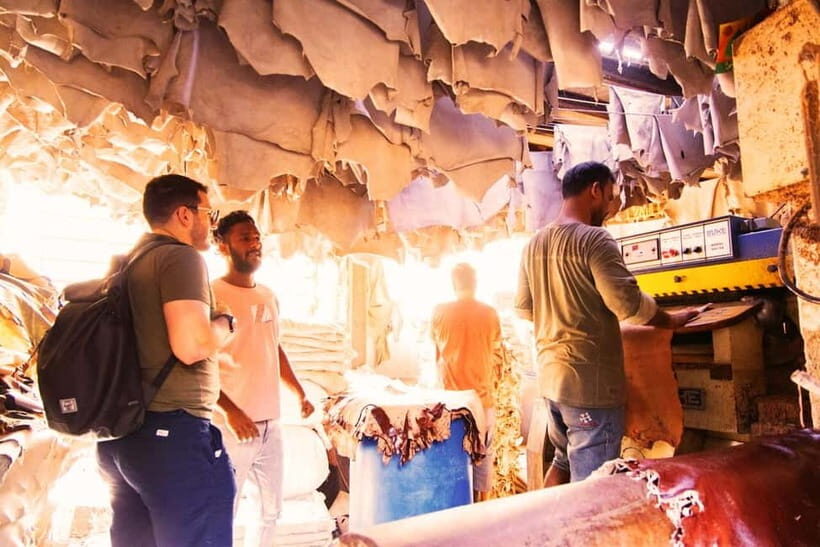
You’ll likely start in Dharavi’s industrial area, where small workshops and factories show up in compact spaces. Then you shift toward a more residential feel, where you can hear about daily life and the challenges people face. That contrast helps you understand why Dharavi is more than one headline.
If you’re the type of traveler who likes your city stories grounded in real routines, you’ll get something worth keeping. This tour is built around that: less about dramatic moments, more about understanding how people keep going.
You can also read our reviews of more tours and experiences in Mumbai.


Walking Dharavi: workshops, daily life, and Kumbharwada craft
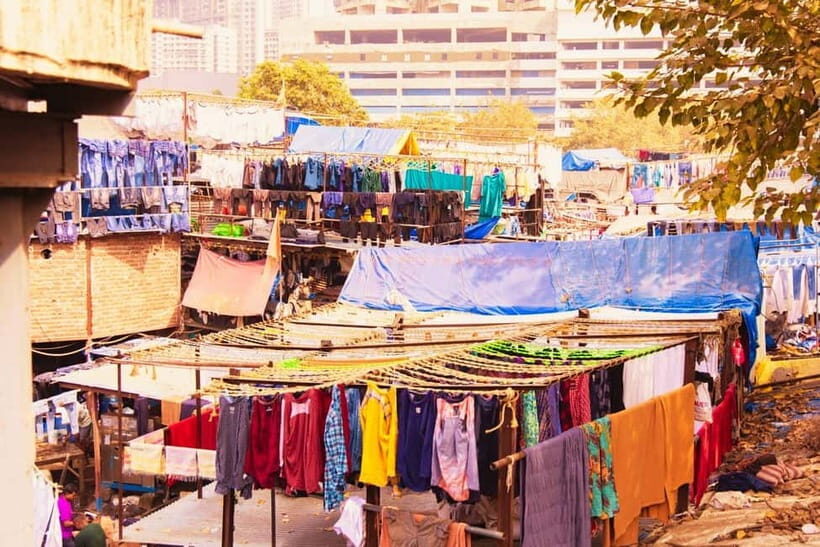
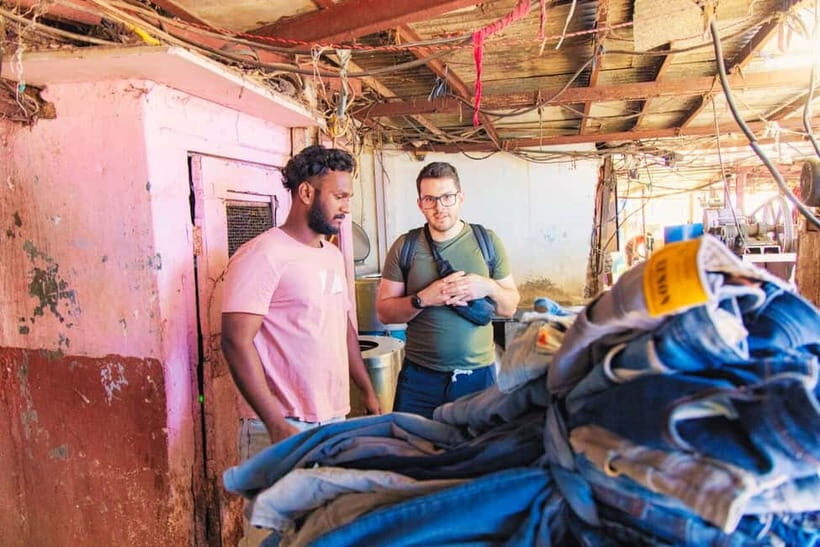
The Dharavi section runs about two hours on foot, and that’s the right amount of time to see multiple layers without rushing. Expect narrow lanes, active work zones, and plenty of small details that explain the local economy. You might see craft and production activities, plus the way people use shared space for work and life.
One of the most valuable parts for me is the way the guide frames the neighborhood. Instead of just pointing at buildings, they connect what you’re looking at with how people earn a living, how families organize their days, and what traditions matter. It’s the kind of context that helps you go from seeing a place to understanding a place.
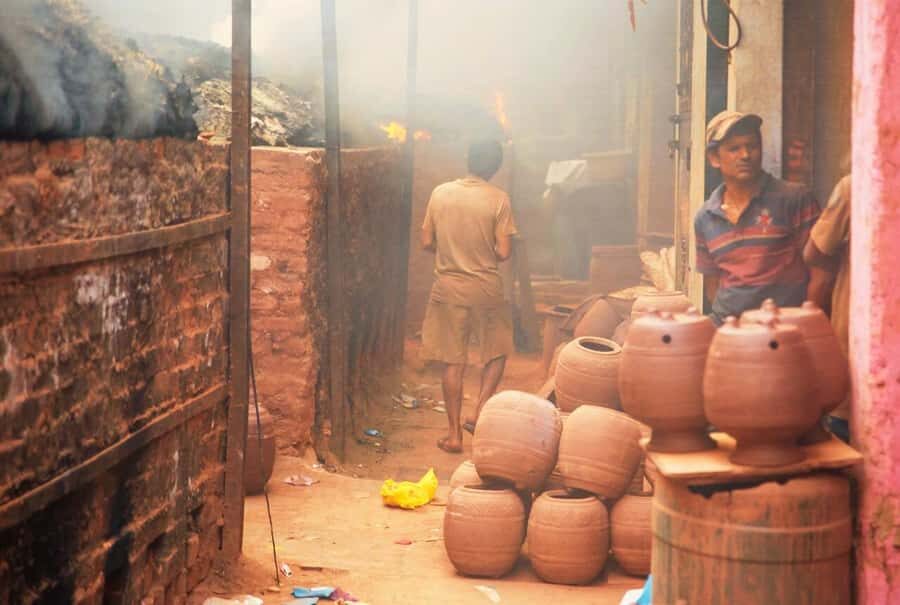
Kumbharwada—the potter’s community—is listed as a highlight, so it’s reasonable to expect that pottery craft may be part of the Dharavi walk if conditions allow. Still, this is a real neighborhood with real infrastructure issues. A past tour route missed the pottery area because a bridge had collapsed, and the timing ended up shorter than planned. So if Kumbharwada pottery is the main reason you’re booking, treat it as a “try to see” rather than a guarantee.
A practical note: these streets are not designed for sightseeing comfort. Bring patience, wear shoes that can handle uneven ground, and keep your camera use considerate. A little restraint goes a long way in helping the experience feel respectful for everyone.
The train ride to Mahalaxmi station: a Mumbai reset
Between Dharavi and Dhobi Ghat, you take a local train for about 30 minutes, getting off at Mahalaxmi station. For many people, this is the most “real city” moment of the tour because you’re not staying in one curated bubble.
You’ll feel the pace shift. Dharavi’s walking rhythm is up close and human-scale. The train adds Mumbai’s bigger motion—commuters, announcements, and the steady flow of everyday movement. It’s also a smart logistical choice: it connects two iconic places using the city’s actual transit system.
This segment is short, but it’s worth mentally preparing for a bit of sensory intensity. Trains in busy urban areas can be loud and crowded. If you prefer calm, you might enjoy having a second-by-second plan in your head: stand where the guide tells you, keep your bag secured, and don’t wait to take photos until you’re in a clear spot.
By the time you arrive at Mahalaxmi, you’re already thinking like a local commuter would. That makes Dhobi Ghat feel less like a stop on a list and more like the next chapter in the city’s laundry-and-work story.
Dhobi Ghat: hand washing at scale, plus the viewing deck
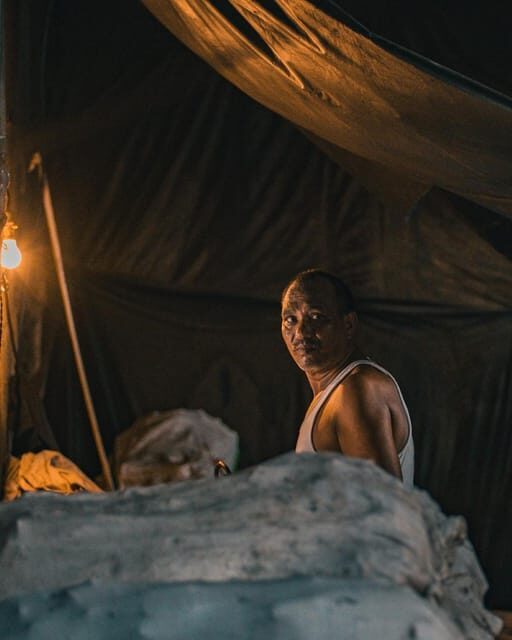
Dhobi Ghat is often called the world’s largest open-air laundry, and you’ll see why once you’re there. The place is visual right away: many lines of clothes, bright colors, and an industrial flow that’s built around hand washing, drying, and careful arrangement.
You’ll get a photo stop of about 15 minutes, and the tour finishes at the Dhobi Ghat Viewing Deck. That matters because the deck-style viewpoint helps you take in the bigger pattern—how clothes are distributed, how the workspace is organized, and how the whole system runs as a continuous operation rather than a single “moment.”
The value here isn’t just the spectacle of scale. It’s the attention to method. Even without a long lecture, you can spot the discipline in how garments are handled and laid out. You’ll start to understand Dhobi Ghat as a working landscape: people aren’t performing for visitors, they’re doing their jobs.
If you’re short on time in Mumbai, this stop alone can justify the tour. You’ll leave with a strong sense of what daily labor looks like when it’s happening in the open, right where the city breathes.
One watch-out: Dhobi Ghat can be busy and hot, depending on the time of day. Even though the tour includes a packaged water bottle, wear breathable clothing and plan to take breaks when you need them. A viewing deck is also a place where you might want to step back from the crowd for a moment to get your bearings.
Where Kumbharwada fits in, and what to do if it’s missed
Kumbharwada (pottery) is named as a highlight, and it’s part of why this itinerary feels more than just “slum + laundry.” Craft communities inside Dharavi are one reason the neighborhood’s economy is so layered. Pottery isn’t just a visual detail—it connects you to how local skills are maintained, shared, and used in everyday life.
That said, one real-world constraint showed up in an earlier tour: a bridge collapse prevented access to the pottery area, and the tour ran shorter than the promised total time. I’m sharing that because it helps you set expectations. You’re walking through a living neighborhood, not a museum with guaranteed routes.
If Kumbharwada is your top goal, here’s how to protect your trip value:
- Keep the tour as a “best effort” experience, not a strict guarantee of one exact stop.
- Ask your guide on the day what’s accessible. A good guide will tell you quickly if access is limited and adjust the route so you still get key insights.
- Focus on the craft atmosphere, not only the end location. If the pottery area is blocked, you’ll still see related workshop energy in the industrial parts.
If pottery does happen, you’ll get a stronger sense of Dharavi’s creative output—how raw materials and skilled labor connect to community survival.





Price and value: what $13 buys in real experience time
At about $13 per person for roughly 3 hours, this tour is priced like a local-scale activity, not a luxury “culture package.” And the included items make a difference. You get a packaged water bottle, train tickets, and entry fees at Dhobi Ghat. Those cost items add up fast in a city where small transit and attraction charges can feel constant.
The value is also in what you don’t pay for. A lot of tours in big cities charge extra for transit, timed entry, and guide time. Here, guide time and transit are integrated, and you’re paying mainly for the structured route plus the experience translation.
One more value factor: the itinerary uses the city’s actual movement. The train ride isn’t “optional flavor.” It’s how you transition between two major sites without wasting time backtracking or paying for private transport.
Is it perfect value for everyone? If you want a slow, comfortable walking pace with lots of sit-down time, this might feel tight. But for travelers who like direct contact, short bursts of context, and a focused route, it’s a good deal.
Who should book this Mumbai tour, and who should think twice
This tour fits best if you want Mumbai as a working city, not only as monuments and views. I’d especially recommend it for travelers who:
- enjoy guided walking tours with context, not just photo stops
- like understanding everyday labor and community systems
- want to experience a Dhobi Ghat viewing moment without needing to figure out transit and entry on your own
It may be less ideal if you:
- struggle with crowded public transit and uneven walking conditions
- need a predictable schedule to the minute, since timing can vary when access changes
- are looking for long stops at every site (Dhobi Ghat is primarily a short photo stop plus viewing deck time)
If you’re traveling with kids, this could still work depending on your child’s tolerance, but the neighborhoods involved are not designed for strollers or slow wandering. Keep your expectations realistic.
Meeting point and timing tips that save hassle
You’ll meet at Third-wave Coffee Shop in the Ram Mahal building, opposite Mahim railway station on the west side. The starting location is also listed as Courage Comm Solutions Pvt. Ltd., so if you’re arriving early, use the meeting point description and confirm the exact spot with the provider.
There’s no hotel pick-up or drop-off, so plan to reach the meeting area on your own. I like that approach because it reduces waiting time, but it also means you should build in a buffer if you’re using Mumbai transit.
The tour duration is listed as 3 hours, and you’re looking at about 2 hours on foot in Dharavi, then 30 minutes by train, and 15 minutes for the Dhobi Ghat photo stop. That leaves the rest for walking, transitions, and the time spent on viewing deck.
If you want your photos to look good, mentally prepare for short windows. The viewing deck is where you’ll likely get the clearest sense of the laundry arrangement.
Should you book this Mumbai Dhobi Ghat & Dharavi tour?
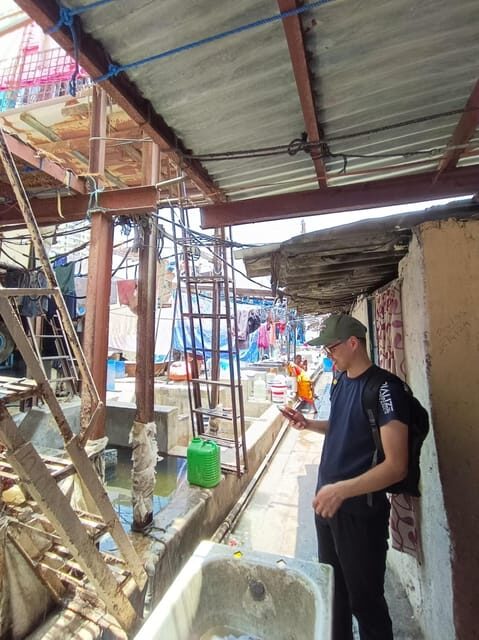
Book it if you want a compact, respectful day-route that connects three things most people miss when they only do “sightseeing”: Dharavi’s everyday work, a genuine train ride, and Dhobi Ghat’s open-air washing. At around $13 with train tickets and entry fees included, you’re getting more than just two stops—you’re getting the city’s operating rhythm in about three hours.
Skip or reconsider if you need guaranteed access to every micro-area inside Dharavi (like Kumbharwada pottery) or if you get stressed by schedule changes caused by real infrastructure issues. Also, don’t expect long, leisurely time at each location.
If you’re open to a guided route that prioritizes understanding over comfort, this is the kind of tour that will stick with you for the right reasons.
FAQ
How long is the Mumbai Dhobi Ghat & Dharavi Slum tour?
The tour duration is listed as 3 hours.
What’s included in the $13 price?
It includes a packaged water bottle, train tickets, and entry fees at Dhobi Ghat.
Where do I meet the tour?
You meet at Third-wave Coffee Shop in the Ram Mahal building, opposite Mahim railway station on the west side.
Does the tour include a train ride?
Yes. You take a local train for about 30 minutes and get off at Mahalaxmi station.
What languages will the guide speak?
The live tour guide speaks English and Hindi.
Is there cancellation available?
Yes. There is free cancellation up to 24 hours in advance for a full refund.