REVIEW · PUNE
Why Pune? : A Heritage Walk through Old Pune
Book on Viator →Operated by Dhruva Kalita · Bookable on Viator
Old Pune has a way of sticking. This heritage walk strings together palace life, temple devotion, and reform-era politics, all led by Dhruva Kalita with clear English. Two things I love are the tight 2.2 km route packed with 9 landmarks, and the fact that you’re not just staring at buildings—you’re understanding why they mattered. One practical drawback: Shaniwar Wada entry isn’t included, so you’ll need to budget for that ticket.
The walk runs about 2 hours 30 minutes to 3 hours 20 minutes, with a small group size (up to 15) and a mobile ticket. It starts at Shaniwar Wada and ends at Mahatma Jyotiba Phule Mandai, about 2 km away on foot—an easy finish if you want to keep exploring right after.
If you’re short on time but want the “how did Pune become Pune?” answer, this is a good fit. It leans into side streets, local religious sites, and the social stories behind them—especially through names like Shivaji-era connections, freedom-movement links, and reformers such as Prashant Fule.
In This Review
- Key Highlights You’ll Actually Care About
- Why Pune’s Old City Still Has a Pulse
- Starting at Shaniwar Wada: Where the Power Story Begins
- Lal Mahal Chitra: A Quick Stop That Changes the Lens
- Kasba Peth Ganpati: How a 400-Year Temple Feels Personal
- Nana Wada and the Politics of Neighborhoods
- Rangari Ganpati: Pune’s Freedom-Movement Connection
- Bhide Wada and Prashant Fule: Reform Isn’t Abstract
- Passing Pune’s Iconic Ganesh: The Wealth-and-Devotion Contrast
- Tulshibaug Shri Ram Temple and the Market Walk
- Mahatma Jyotiba Phule Mandai: Ending at Colonial-Era Trade
- Price and Value: About $16.84 for a Real City Primer
- Group Size, Timing, and How to Plan Your Day
- What the Guide Brings (And Why That Matters)
- Should You Book This Heritage Walk Through Old Pune?
- FAQ
- How long is the heritage walk?
- How far do we walk?
- Where does the tour start and end?
- How much does it cost?
- What’s included in the ticket?
- Are entrance tickets included for Shaniwar Wada?
- Is admission required at the other stops?
- How many people are in the group?
- Is the guide’s English suitable for visitors?
- Is private transportation provided?
- What is the cancellation policy?
Key Highlights You’ll Actually Care About
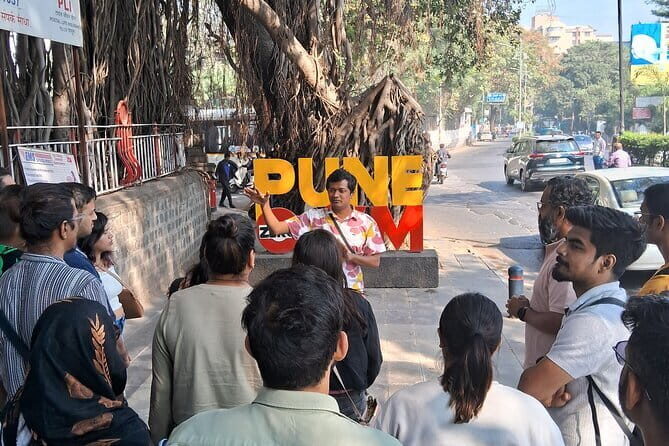
- A 2.2 km walk with nine key stops through Old Pune’s central area
- Shaniwar Wada gets special focus with about an hour inside the palace area (ticket extra)
- Multiple Ganesh and temple stops that show how religion shaped daily life and community
- Reform-and-politics storytelling, including Prashant Fule and freedom-movement connections
- Tulshibaug market + Ram temple adds street life without turning it into shopping
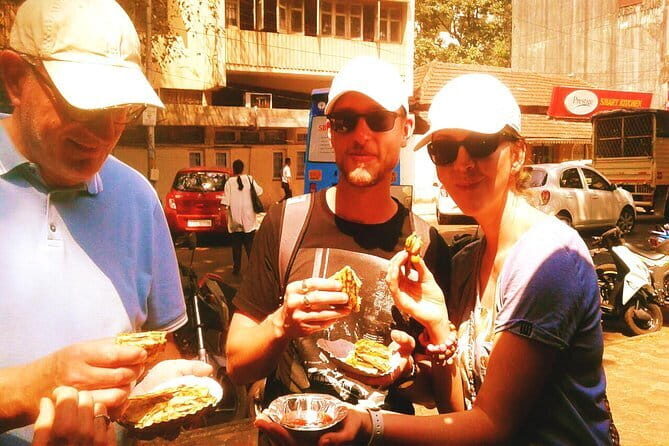
- Snacks are included, so you’re not racing between monuments on an empty stomach
Why Pune’s Old City Still Has a Pulse
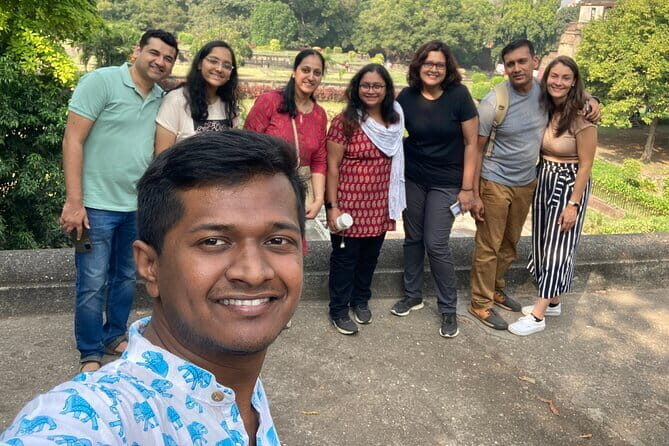
Pune’s story isn’t one chapter. It’s a chain of overlapping eras—power, faith, reform, and trade—written into streets you can walk. This heritage walk is built for that exact feeling: you move through the city center and the guide connects the dots as you go.
What makes it work is the order. You begin with Shaniwar Wada, the seat of the Peshwas, where power was physical and political life was close to home. Then you transition into temple neighborhoods and heritage homes, where you start noticing something important: in Old Pune, community identity wasn’t separate from leadership—it lived in the same places.
And while the route covers “famous” sites, it also gives you the lesser-known angles: reformers, revolutionary connections, and the way market areas and neighborhoods changed roles over time.
You can also read our reviews of more walking tours in Pune
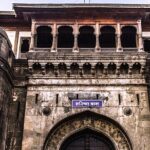

Starting at Shaniwar Wada: Where the Power Story Begins
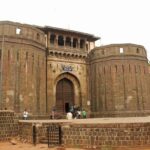
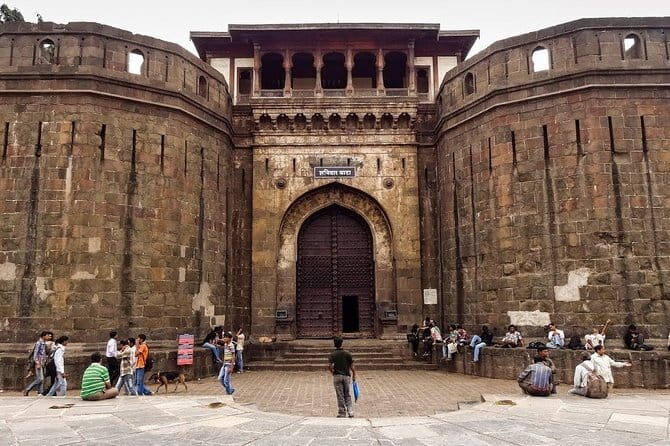
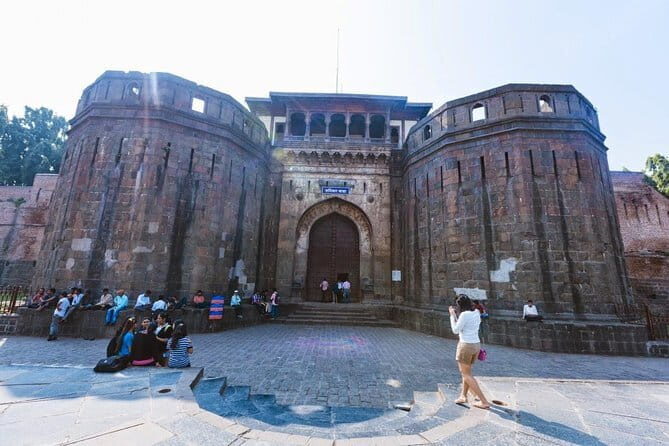
You start at Shaniwar Wada (480, Shaniwar Peth). This is the logical kickoff. It’s where the walk sets the stage—who lived here, what authority looked like, and how Pune’s identity formed around rulers and institutions.
Expect about one hour centered on key locations inside the palace area. Admission for Shaniwar Wada is not included, so treat this stop as the one place where you may need to pay an extra entry ticket.
Practical tip: plan your timing so you’re not rushing. If you arrive late or stuck in traffic, you’ll feel it most here, because this is the longest and most “site-focused” segment.
The payoff is that the rest of the walk becomes clearer. When you later hear stories about political figures and reform movements, you’ll understand the city’s backbone rather than just collecting names.
Lal Mahal Chitra: A Quick Stop That Changes the Lens

From Shaniwar Wada, the walk moves to Lal Mahal Chitra, a former residence connected to Chhatrapati Shivaji Maharaj. The visit is short—about 10 minutes—but it matters because it shifts your viewpoint.
Instead of starting with the “palace of rulers” mood only, this stop pushes you toward the political landscape and how Pune developed from a village setting into what it became. It’s not a long stop. It’s a framing stop.
Best way to handle a quick site like this: listen closely. This is the moment where the guide’s storytelling does a lot of heavy lifting.
Kasba Peth Ganpati: How a 400-Year Temple Feels Personal
Next comes Kasba Peth Ganpati Temple, visited for about 15 minutes. This is one of those stops where you get a strong local vibe. The temple is about 400 years old, and that age gives context to everything around it.
If your instinct is to treat temples as only architecture, this stop helps you see something else: why people built and sustained these places where they did, and how devotion shaped neighborhoods over generations.
Also, this is one of the stops with admission free, so you can spend your attention on the atmosphere rather than the logistics.
Nana Wada and the Politics of Neighborhoods
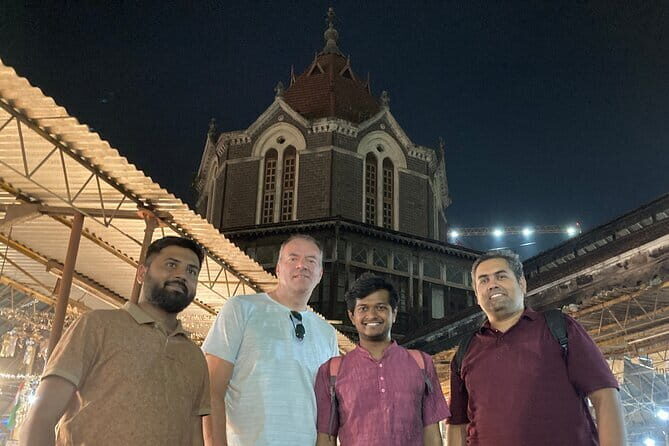
At Nana Wada, you’ll spend around 10 minutes. This is the house of a former statesman, and the story here is about change—especially shifting demographics in the Old City.
This is the kind of stop that works well if you like the “human geography” part of history. The guide doesn’t just list facts; you get a sense of how people moved, how communities formed, and how political influence left footprints in residential spaces.
The drawback here is simply time. Ten minutes goes fast, so if you’re the type who likes to linger, you may want to take your own photos quickly and then focus on the explanation.
You can also read our reviews of more historical tours in Pune
Rangari Ganpati: Pune’s Freedom-Movement Connection
Shrimant Bhausaheb Rangari Ganpati is a longer stop—about 20 minutes—and it’s a turning point in the walk’s theme. The visit combines a beautifully maintained house setting with stories tied to Pune’s contribution to India’s freedom movement.
The guide treats this place like more than a stop on a list. You’ll hear how a “local” temple-and-house world could connect to bigger political struggles. That theme keeps repeating during the walk, and it’s one reason the experience feels cohesive instead of random.
Admission is listed as free here, so the cost stays controlled and your time can stay focused on understanding the human stakes.
Bhide Wada and Prashant Fule: Reform Isn’t Abstract

Now you’ll reach BHIDE WADA (भिडेवाडा), where you’ll hear about its connection to Prashant Fule, identified here as a founder. This stop runs about 10 minutes, but it carries weight.
The framing is social and political: Pune’s reformist side in education and community change, not just governance at the top. If you’re the sort of person who likes history that explains how society actually shifted, this is a key moment.
And again, admission is free, so this becomes a story stop more than a ticket-and-time stop.
Passing Pune’s Iconic Ganesh: The Wealth-and-Devotion Contrast
There’s also a segment where the walk passes by Pune’s most iconic Ganesh and one of India’s richest temples. The idea isn’t a long visit with ticket time—it’s a moment to appreciate history and splendour in motion, as you move through the city center.
This section works especially well if you like contrasts. It’s a reminder that religious spaces can be both deeply personal and publicly significant. And when you’ve just heard reform and politics stories, the contrast hits harder in a good way.
If you’re expecting a full interior visit, you might find this portion shorter than you’d want—but it’s designed as a “look and reflect” bridge to the next neighborhood life.
Tulshibaug Shri Ram Temple and the Market Walk
The walk then heads to Tulshibaug Shri Ram temple for about 20 minutes. Here you get “heritage plus street life.” You’ll move through Tulshibaug market while learning about the area, and then spend time at the temple itself.
This stop is a nice change of pace. Instead of only palace-and-house stories, you see the city as it is now—people trading, moving, and living beside old structures. The temple’s architecture and the area’s history get tied together so you don’t feel like you’re walking past shops without a point.
Admission is listed as free, and the time block is long enough to let you notice small details without feeling rushed.
Mahatma Jyotiba Phule Mandai: Ending at Colonial-Era Trade
The heritage walk closes at Mahatma Jyotiba Phule Mandai, a colonial-era vegetable market. This is about 15 minutes and the end point: Shanipar Chowk, Mahatma Phule Market, Gayakwad Path, Mandai, Shukrawar Peth.
This ending makes sense. Markets are where social change shows up fast. In this area, you get the sense of Pune’s transition into a colonial city and what that meant for trade and daily routines.
It’s also a smart ending for you logistically. The route is about 2 km from start to finish, so you can hop right into nearby sightseeing or grab food afterward.
Price and Value: About $16.84 for a Real City Primer
The price is $16.84 per person, and for a guided, small-group heritage walk of roughly 2.5–3.3 hours, it’s solid value—especially because you get snacks included and a structured route through major eras.
Here’s what you’re paying for beyond “someone walks with you”:
- A guided story that connects palace power, temples, homes, reformers, and trade
- A route designed for a 2.2 km walk, so it’s not an all-day marathon
- A guide who has led 300+ heritage walks, and does it in clear English (based on actual feedback)
What might affect your “true cost” is Shaniwar Wada. Admission there is not included, and that’s the one extra expense you should expect.
Group Size, Timing, and How to Plan Your Day
This is capped at 15 travelers and the duration ranges from 2 hours 30 minutes to 3 hours 20 minutes. That range is usually a good sign. It suggests you won’t be pushed through too fast, and the guide can slow down when questions come up.
Because the tour ends around Mahatma Jyotiba Phule Mandai, you’ll want something planned after—either another nearby site visit or a meal.
Also, the meeting point is near public transportation, and the tour uses a mobile ticket, so there’s less scrambling right before you start.
If you want the best experience:
- Wear comfortable shoes. You’re covering Old Pune streets on foot.
- Bring your patience for narrow lanes and city-center movement.
- Come hungry for the snacks; they’re part of the design.
What the Guide Brings (And Why That Matters)
Dhruva Kalita is the name on this tour, and what’s consistently praised is not just facts—it’s how the facts are delivered. From the feedback you can see a pattern: clear explanations, architectural attention, and stories that connect religion, political background, and even revolutionary threads.
One of the biggest reasons this walk feels worth it is the guide’s flexibility. The tour can feel tailored to interests, and Dhruva is described as helpful and caring, not just “read the script and move on.”
If you speak English, that’s a relief. Multiple comments specifically point out that the guide’s English is clear, which helps you follow the nuance without straining.
Should You Book This Heritage Walk Through Old Pune?
Book it if you want a time-efficient way to understand Old Pune’s structure—palace power, temple neighborhoods, reform movements, and the market economy—without hopping between far-flung spots.
Skip (or pair it with something else) if you want a long, slow temple-hopping day where you can linger for extended interior time. The walk is built as a compact route with story stops, so a few sites are intentionally short.
My practical recommendation: choose this early in your Pune stay. It gives you the “why” behind the street layout, so the rest of the city makes more sense when you’re wandering on your own.
FAQ
How long is the heritage walk?
The walk is approximately 2 hours 30 minutes to 3 hours 20 minutes.
How far do we walk?
The route covers about 2.2 km through the city center.
Where does the tour start and end?
It starts at Shaniwar Wada, 480, Shaniwar Peth, Pune and ends at Mahatma Jyotiba Phule Mandai, Shanipar Chowk, Mahatma Phule Market, Gayakwad Path, Mandai, Shukrawar Peth, Pune.
How much does it cost?
The price is $16.84 per person.
What’s included in the ticket?
Snacks are included, and you receive a mobile ticket.
Are entrance tickets included for Shaniwar Wada?
No. Shaniwarwada tickets are not included.
Is admission required at the other stops?
For the stops listed after Shaniwar Wada, admission is marked as free (and the walk also includes a pass-by moment for an iconic Ganesh temple).
How many people are in the group?
The group maximum is 15 travelers.
Is the guide’s English suitable for visitors?
The tour guidance is described as having good clear English.
Is private transportation provided?
No. Private transportation is not included.
What is the cancellation policy?
You can cancel for a full refund up to 24 hours before the experience starts. If you cancel less than 24 hours before, the amount paid is not refunded.