REVIEW · MUMBAI
Mumbai Dharavi Slum, Dhobi Ghat & Dabbawala Lunchbox Tour
Book on GetYourGuide →Operated by Cityscape Mumbai Tours · Bookable on GetYourGuide
You get a Mumbai you normally don’t see from the street. This 3.5-hour walk links Dharavi, Dhobi Ghat, and the dabbawala meal system into one practical, human story. I like how it treats daily work as the main character, not poverty as a headline.
Two things I especially like: the guides. People such as Ravi and Subhan are praised for being friendly, patient with questions, and able to explain how the apparent chaos actually works. I also like the pace—enough time at each stop to notice details, take photos, and ask why things are done the way they are.
One drawback to consider: it’s a lot of walking on uneven sidewalks and in active areas, and it’s not suitable for wheelchair users or people with mobility impairments. Wear real shoes, bring water, and plan for sun and dust.
In This Review
- Key highlights you’ll feel right away
- Why This Dharavi, Dhobi Ghat, and Dabbawala Walk Works
- Dharavi Lanes: Seeing Work, Trade, and Daily Resilience
- Watch-outs for the Dharavi section
- Dhobi Ghat: The Open-Air Laundry That Still Runs on Routine
- What you’ll want to do at Dhobi Ghat
- The Dabbawala Lunchbox System: Mumbai’s Meal Delivery Machine
- Time on this stop
- Walking, Timing, and What to Bring (So You Don’t Hate Daylight)
- Is it “kid-friendly” or accessible?
- Price, Value, and What You Get for $17
- The value trade-off
- Should You Book This Mumbai Tour?
- FAQ
- FAQ
- How long is the tour?
- What’s included in the $17 price?
- Are meals and drinks included?
- Where does the tour start and end?
- What should I bring?
- Is this tour suitable for young children or wheelchair users?
- Is it cancellable, and can I pay later?
Key highlights you’ll feel right away
- Dharavi’s working life, from recycling and pottery to textiles and leather trades
- Dhobi Ghat open-air laundry, where hundreds of washermen keep a tradition alive
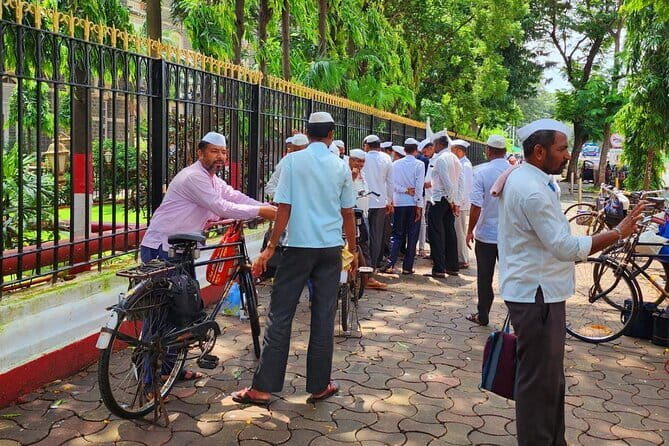
- Dabbawala logistics explained, with sorting and delivery running on very little tech
- Local-guided context, including stories that help you connect the dots fast
- Small-group feel, so you can keep asking questions without getting rushed
Why This Dharavi, Dhobi Ghat, and Dabbawala Walk Works
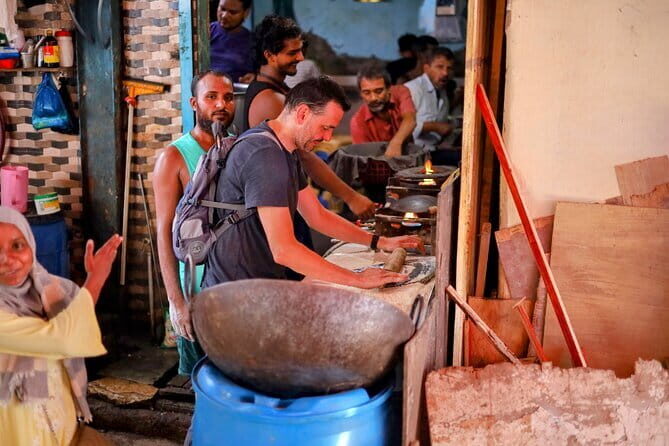
This isn’t a “look, take a photo, move on” tour. The value is in how the stops connect: one place shows how goods get made and recycled, another shows how clothes get cleaned at city scale, and the last shows how meals move through Mumbai with tight organization.
You’ll also get something rare in big-city tours: explanations that respect people as workers and builders. In the feedback I saw, guides framed Dharavi less like a tragedy and more like an economy made by people—creative, stubborn, and practical.
And yes, you’ll still see tough realities. But the focus stays on systems and daily routines, which is often the difference between feeling shocked and feeling informed.
You can also read our reviews of more tours and experiences in Mumbai.



Dharavi Lanes: Seeing Work, Trade, and Daily Resilience
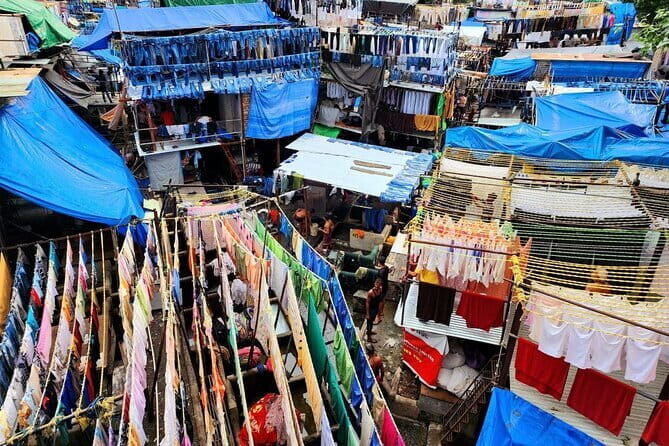
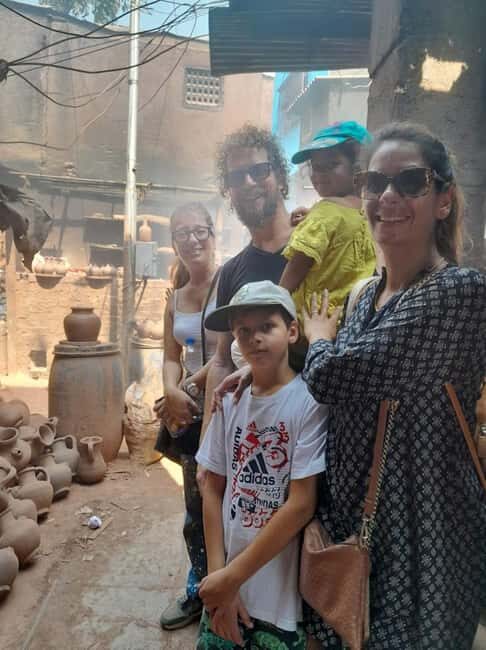
Dharavi is one of the largest and most well-known slums in the world, and this stop is designed to show you what that means on the ground. Expect a guided walk through tight lanes where small workshops and home-based industries sit side by side.
What you’re likely to notice first is that people are busy. This area runs on trades you can actually point to: recycling, pottery, textiles, and leather goods. Your guide should help you understand how these activities connect to wider Mumbai, so it doesn’t feel like “a separate world.” It’s part of the city’s everyday supply chain.
You’ll also get the human details that make it real. In one story I read, a guide discussed how people manage warmth and generosity even in small spaces—like looking after stray cats and dogs. Another key takeaway was the scale of cramped living areas, including homes described as having no windows. That kind of contrast is uncomfortable, but it helps you understand why small improvements in safety, light, and sanitation matter.
A good guide matters here. Names like Javed and Subhan come up repeatedly in the way they answer questions and keep things respectful. If you want more than a quick overview—if you’re curious how jobs actually work in tight spaces—this is the moment.
Watch-outs for the Dharavi section
This is active, working territory. You’ll be on foot a fair amount, so you’ll want comfortable shoes from the start. Also, keep your expectations realistic: you’re there to learn about life and labor, not to “rate” living conditions.
Dhobi Ghat: The Open-Air Laundry That Still Runs on Routine
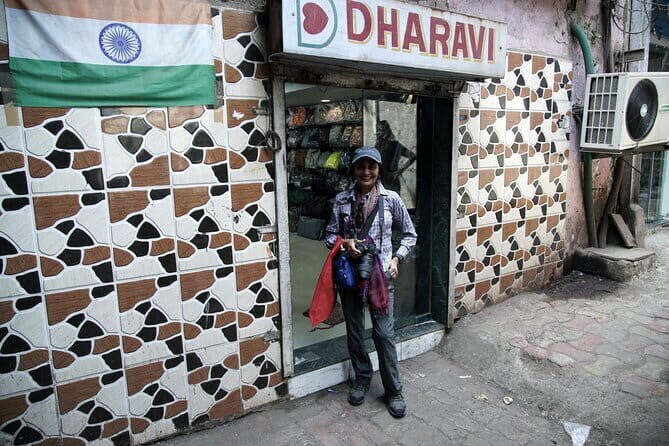
Then you shift to Dhobi Ghat, one of Mumbai’s historic open-air laundry areas. It’s described as being part of the city for more than a century, and that longevity shows in how the process continues with practiced rhythms.
Expect to see dhobis—washermen—doing laundry in a communal setup. Hundreds of clothes being washed, scrubbed, and hung to dry is the kind of visual that sticks. The guide’s job here is important: they should help you understand the steps and why the system is organized the way it is, even when it looks chaotic from a distance.
Why this stop is more than a photo moment: it gives you a window into labor at city scale. In Mumbai, big systems rely on human skill and repeatable routines. Dhobi Ghat is the kind of place where you can see that logic without needing a lecture.
What you’ll want to do at Dhobi Ghat
Bring your camera and sunscreen. You’ll likely be outside for part of the time, and the scene can tempt you to keep shooting even when the sun is working overtime.
Also, slow down. Laundry here isn’t one instant—it’s a sequence. If you rush, you’ll miss the “why,” like how workspaces are arranged for efficiency and how clothes move through stages.





The Dabbawala Lunchbox System: Mumbai’s Meal Delivery Machine
The tour’s final stop is the dabbawala system, Mumbai’s home-cooked meal delivery network. This is where the tour clicks for a lot of people: you see how food gets sorted, transported, and delivered daily with impressive coordination.
The dabbawala operation is known for accuracy and efficiency, and the tour explanation emphasizes how it runs with minimal technology. You’ll hear about the system’s history and how it became an essential part of Mumbai’s food culture.
What I find valuable for you: it turns a daily convenience into an actual logistics lesson. You start thinking about timing, routing, handoffs, and order—how a city moves when thousands of small deliveries have to land right.
This is also a good contrast to the earlier stops. Dharavi and Dhobi Ghat show work that’s visible in the open. Dabbawala work is different: it’s organized movement that you don’t usually notice until you see the mechanics.
Time on this stop
You’ll spend around 40 minutes with the guided portion focused on how the system works, then you’ll have a little room to absorb what you’re seeing. It’s long enough to understand the basics, short enough that you won’t feel dragged.
Walking, Timing, and What to Bring (So You Don’t Hate Daylight)
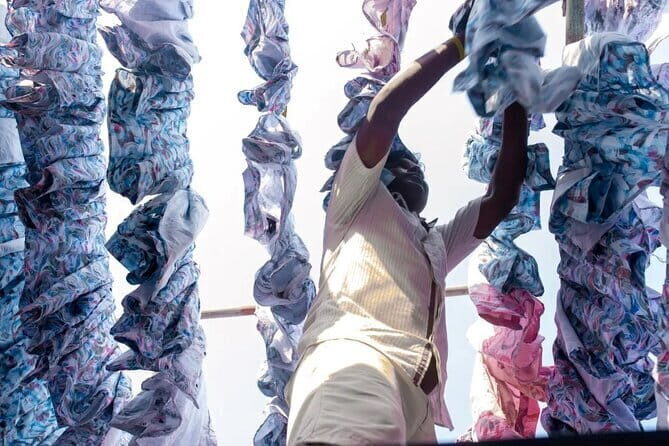
This tour runs about 3.5 hours, and it’s paced as a walking route with three major experiences. That means your main “comfort factor” is simple: your feet and hydration.
Here’s what to pack based on what the tour recommends:
- Comfortable shoes (no flip-flops; you’ll regret it)
- A hat and sunscreen for sun protection
- A water bottle
- A camera if you want photos
- Keep an eye on weather and heat
A small but real note: meals and drinks aren’t included. You’re not paying for lunch inside the tour price, so plan to eat before or after, especially if you’re on a tight schedule.
And there are clear “don’t do this” rules: no smoking, no alcohol or drugs, and no littering. It’s basic, but worth remembering because you’re in neighborhoods where people live and work day to day.
Is it “kid-friendly” or accessible?
The tour isn’t suitable for children under 5, and it isn’t designed for wheelchair users or people with mobility impairments. That’s usually because of walking and the nature of the areas visited—so don’t plan on making it work with a workaround.
Price, Value, and What You Get for $17
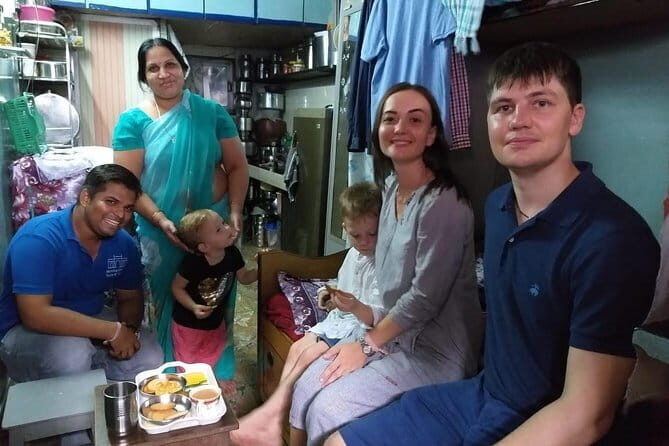
At about $17 per person, the price is built on three things: a live English guide, local transport included for the route between stops, and a small-group format.
That math matters in Mumbai. Guided context is hard to replicate on your own, because you’d otherwise be trying to piece together what you’re seeing—without explanations for how systems operate (laundry routines, workshop trades, lunchbox sorting). For a visitor, that “translator” role is part of what you’re paying for.
The small-group size also changes the experience. You can ask more questions, and you’re less likely to get steamrolled by a big bus schedule. In the feedback I saw, people liked that the tour didn’t feel rushed and that guides made time for questions and photos when appropriate.
The value trade-off
You’re not getting meals included, and you do have to get yourself to the meeting point (transportation to the start is not included). The tour seems to assume you’ll handle your own pre-start logistics.
If you want an organized, guided route through three very different parts of Mumbai, and you don’t want to spend extra hours figuring out logistics, this price-to-content ratio is strong.
Should You Book This Mumbai Tour?
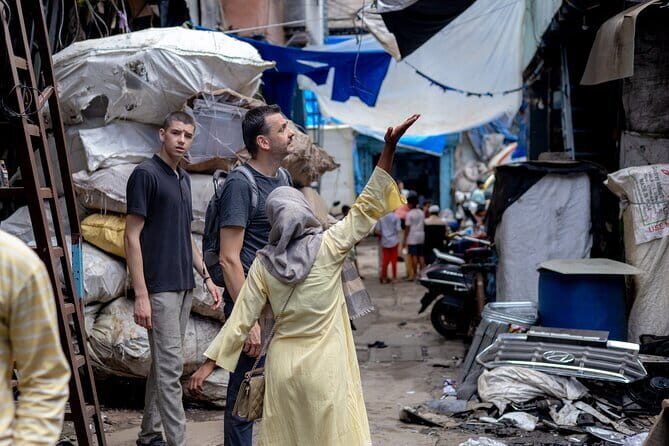
I’d book it if you want a guided, working-life look at Mumbai that connects Dharavi, Dhobi Ghat, and dabbawala logistics into one coherent story. It’s a great fit for curious travelers who like explanations, don’t mind walking, and want more than a sightseeing checklist.
I’d think twice if you:
- need a low-walking itinerary
- want meals included as part of the experience
- prefer tours that stay fully “comfortable” in the way a museum visit is comfortable
If you go, do it with the right mindset: respectful curiosity. Expect real neighborhoods and active work. Then let the guide do the heavy lifting—how the order hides inside the chaos is often the point.
FAQ
FAQ
How long is the tour?
The tour lasts about 3.5 hours.
What’s included in the $17 price?
You get a live English local guide, a walking tour of the areas covered, engagement with locals and learning their stories, small-group size, and local transport. Guide fees are included as well.
Are meals and drinks included?
No. Meals and drinks are not included.
Where does the tour start and end?
The meeting point can vary depending on the option booked, but it’s listed with starting options near Burger King. The tour also has drop-off locations listed near Third Wave Coffee.
What should I bring?
Wear comfortable shoes, and bring a hat, sunscreen, a camera, and a water bottle.
Is this tour suitable for young children or wheelchair users?
It’s not suitable for children under 5. It’s also not suitable for people with mobility impairments or wheelchair users.
Is it cancellable, and can I pay later?
Yes. You can cancel up to 24 hours in advance for a full refund. There’s also a reserve & pay later option where you can book and pay nothing today.