REVIEW · MUMBAI
“Private Mumbai Kanheri Caves Tour : A Buddhist Settlement”
Book on GetYourGuide →Operated by Navigate Mumbai Tours · Bookable on GetYourGuide
Rock-cut caves in the middle of Mumbai’s green lung
Kanheri feels like you’re stepping into a quiet world of Buddhist life and art, carved into dark stone and stretched across centuries. I like that the tour is built around more than photo stops: you’re led through meditation halls and meeting spaces, with a guide who brings the carvings, sculptures, paintings, and inscriptions into focus.
Two things really stand out for me: you get expert context from guides like Ravi and Kavita, and you also get practical care along the way, including packaged water for warm conditions. One thing to consider: it’s not a low-effort stroll, and it’s not suitable for pregnant women, so plan on comfy shoes and a pace that works for you.
In This Review
- Quick hits on Kanheri Caves (what makes this tour click)
- Kanheri Caves in Sanjay Gandhi National Park: why this outing works
- Meeting at the park gate and the ride to the caves (8 km inside the park)
- Entering the cave complex: a Buddhist settlement carved into stone
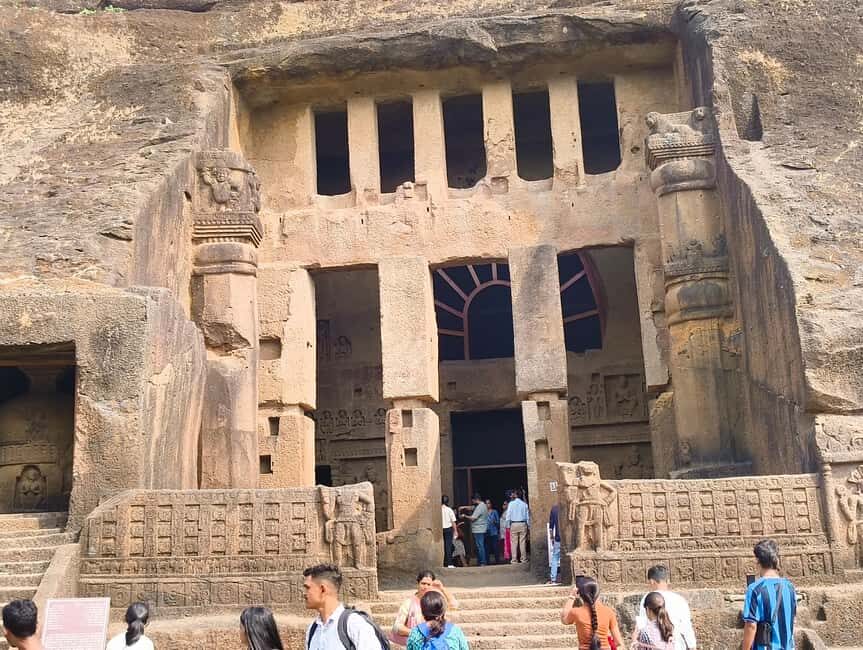
- What you’ll see: carvings, sculptures, paintings, and inscriptions
- The panoramic viewpoint: city views after the cave quiet
- Wildlife in Sanjay Gandhi National Park: what might appear, and how to handle it
- English or Hindi guiding: getting the story, not just the photos
- Price and value: is $45 per person fair for what you get?
- Who should book this Kanheri caves tour (and who should skip)
- Should you book this private Mumbai Kanheri Caves tour?
- FAQ
- FAQ
- How much does the Private Mumbai Kanheri Caves Tour cost?
- Where does the tour start and end?
- How do you get to the Kanheri Caves from the park gate?
- What’s included in the tour price?
- Are meals included?
- What languages are available for the guide?
- What should I bring?
- Are pets allowed on this tour?
- Is the tour suitable for pregnant women?
- Can I get a full refund if I cancel?
Quick hits on Kanheri Caves (what makes this tour click)
- Private guiding: English or Hindi, with room to ask questions and set the pace.
- Sanjay Gandhi National Park setting: wildlife may appear as you travel the park by local bus.
- Rock-cut Buddhist art: sculptures, reliefs, paintings, and inscriptions spanning early centuries into about 1000 CE.
- Real-world structure: start at the park gate, ride in, explore the cave complex, then return the same way.
- View from the top: the experience includes the panoramic city perspective from up at the mountain area.
Kanheri Caves in Sanjay Gandhi National Park: why this outing works
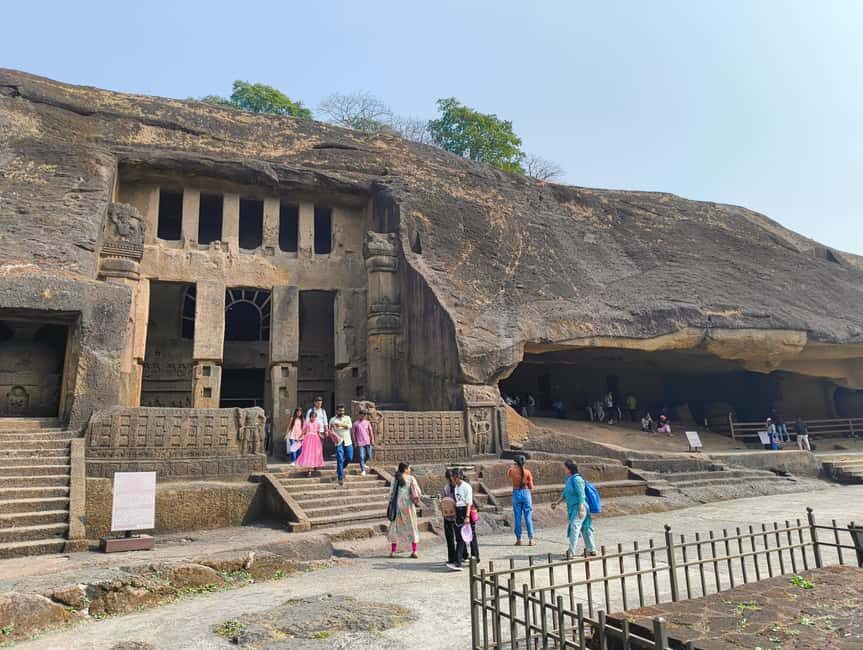
Kanheri Caves are special because they’re not just monuments in a vacuum. You’re visiting them inside Sanjay Gandhi National Park, which means the caves arrive with atmosphere: greenery, birds, shade, and the sense that the site was meant to be a place of calm. Even if you only have a short window in Mumbai, this tour gives you a clear narrative—how Buddhists used rock-cut spaces for meditation, shelter, teaching, and gathering.
The private format also matters. You’re not stuck waiting while a group moves in a slow line, and you can ask the kind of questions that make the art click—what a relief likely shows, how an inscription changes the story, why the layout feels practical for daily spiritual routines. If you like tours where you can say what you care about, you’ll feel at home.
One more plus: the cave experience is paired with a park ride and a wildlife chance. You may spot deer, monkeys, and flying foxes, and the broader wildlife list includes leopards and lions (not guaranteed, but that’s the ecosystem you’re walking through). That mix of culture and nature is a lot more interesting than doing a purely museum-style stop.
You can also read our reviews of more private tours in Mumbai



Meeting at the park gate and the ride to the caves (8 km inside the park)
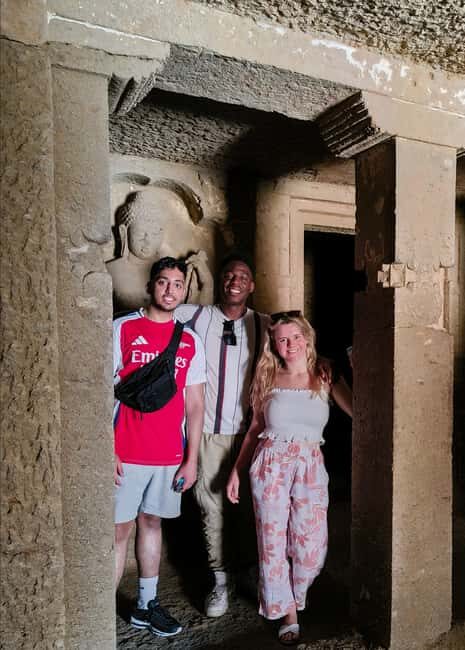
Your tour starts at the Entrance Gate of the National Park and ends back at the same meeting point. Before you reach the cave area, your guide takes you into the park system and then you travel about 8 km from the main gate to the caves.
This part sounds simple, but it’s actually part of the value. Moving through the park by local bus helps you feel like you’re entering the site’s environment rather than teleporting to it. You’ll also have natural opportunities to notice the living landscape around you—paths, trees, and signs of animal activity—especially as the bus rolls past areas where deer and monkeys are known to show up.
Practical tip: the bus ride is one more reason to wear comfortable shoes. You’ll likely do some walking once you arrive at the cave area, and you don’t want your feet to be the limiting factor when the art is the main event.
If you selected pick-up and drop-off, you’ll start and end with help from your accommodation or a given location. If not, you still have a straightforward meeting point at the gate, so you can plan your day without complicated back-and-forth.
Entering the cave complex: a Buddhist settlement carved into stone
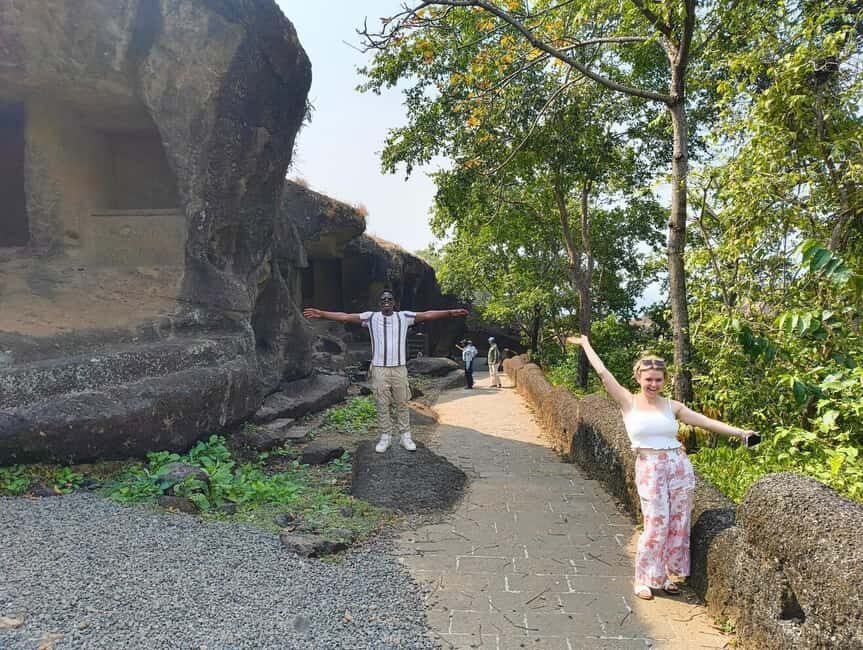
Kanheri isn’t presented as a single temple with a single purpose. It’s a rock-cut cave complex used over long periods for different spiritual and practical needs. That framing changes how you walk through it.
Instead of thinking only about “pretty sculptures,” you start looking for functions. Where might someone pause for meditation? Which spaces seem suited for shelter during the day? What looks like it was meant for study or teaching? Your guide helps connect the physical layout to the everyday rhythm of Buddhist practice—meditation, meeting, shelter, learning, and more.
That’s also where the centuries-long dating matters. The caves include art and inscriptions dating from roughly the early centuries of Buddhism in the region (listed as around 100 BCE in the detailed description) through to about 1000 CE. Even if you don’t memorize dates, the visual progression helps you feel how the site developed over time—layer by layer, style by style, message by message.
And yes, there’s also the emotional side. When you’re in a cool, stone-lined space under the park’s natural canopy, the experience feels like it slows your day down. That’s exactly what you want from a spiritual stop: less sprinting, more attention.
What you’ll see: carvings, sculptures, paintings, and inscriptions
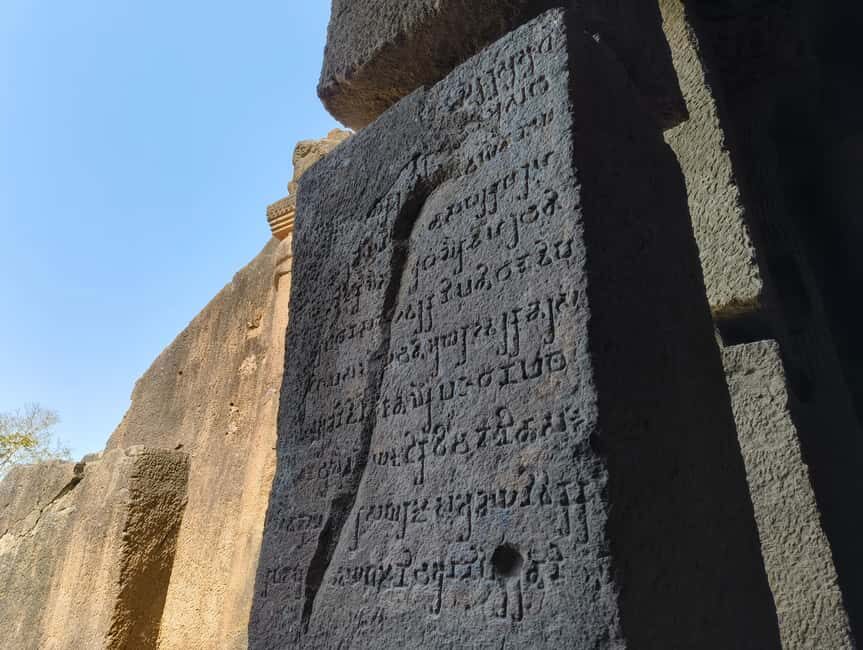
This is where Kanheri earns its reputation. The tour’s biggest promise is to help you get mesmerized by rock-cut carvings and sculptures, but it also explains what you’re looking at so you don’t just see shapes—you see meaning.
Here’s what the experience includes as core viewing points:
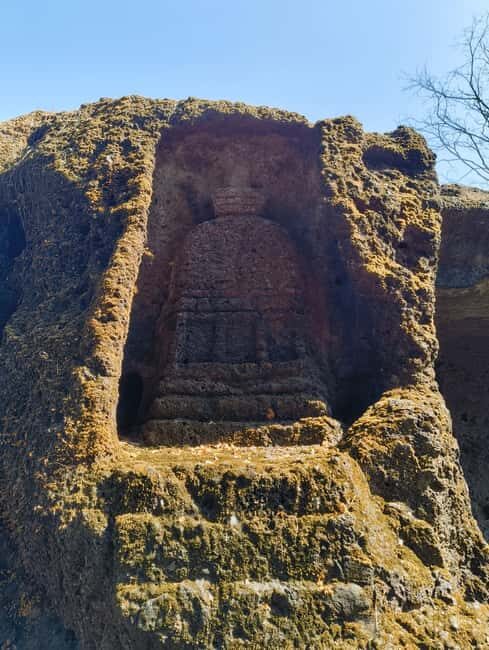
- Buddhist sculptures and relief carvings, cut directly into the rock
- Paintings (where preserved) that add another layer of storytelling
- Inscriptions that help anchor the art in a specific historical context
- Additional decorative details, including elements your guide can interpret and connect to the site’s purpose
The key is that your guide doesn’t just point. They share lots of fascinating facts and keep answering questions. In the real-world experience notes, both Ravi and Kavita are described as guiding with strong pacing and patience, which matters when you’re looking at artwork that can reward close attention.
What you should do: bring a curious mindset and be ready to pause. Some of the best moments in caves come when you stop moving and really look at surface details—especially relief work, where small differences in carving style can change how you read a scene.
Also, if you’re a photographer, plan to take your time. The caves are made for looking, and a good guide will help you catch the right moments for photos without rushing you.
The panoramic viewpoint: city views after the cave quiet
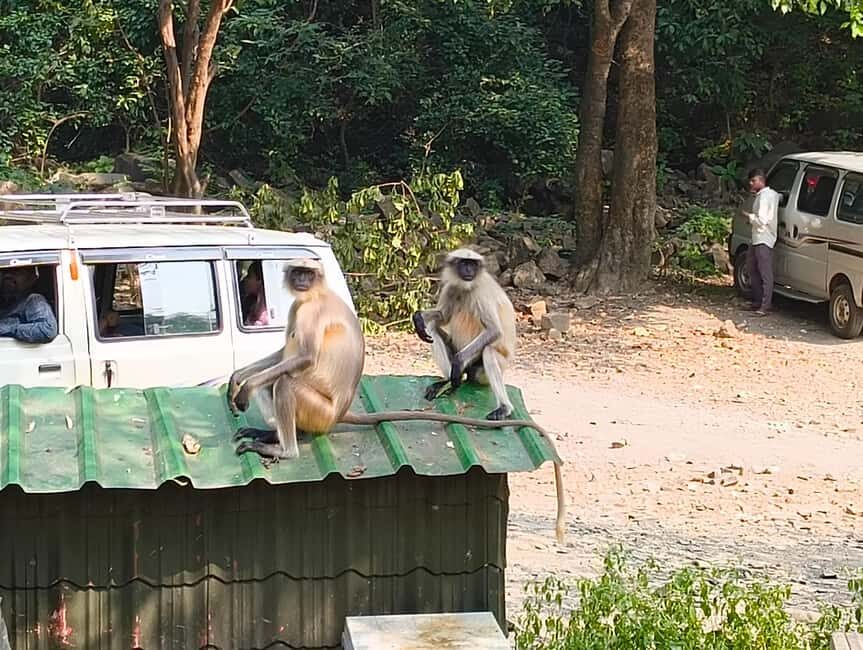
One highlight is a panoramic view of the city from the top of the mountain area. That shift is more than a nice photo. It gives your brain a reset.
Inside, you’re in a carved world of stone and shadow. Then you step back into open air and see Mumbai stretched out in front of you. It’s the kind of contrast that makes Kanheri feel even more unusual: ancient Buddhist work in a park setting, with modern city energy around it.
This is also a good point to pace yourself. If you feel heat building, slow down and use breaks. Your guide can help you set a comfortable tempo so the viewpoint doesn’t turn into a breathless slog.



Wildlife in Sanjay Gandhi National Park: what might appear, and how to handle it
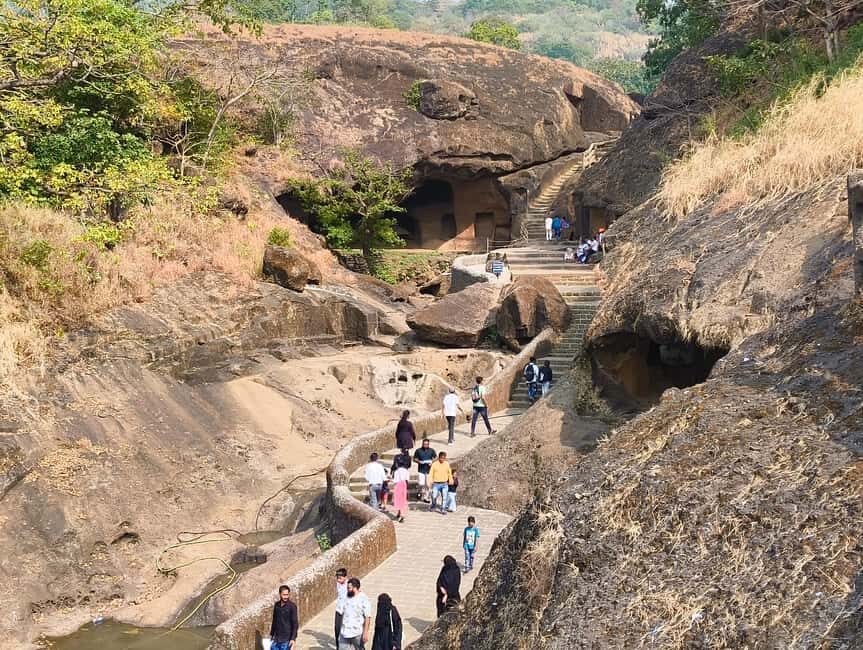
Because the caves are in a working national park, the experience includes an animal element. You might encounter deer, monkeys, flying foxes, and the wider wildlife list includes leopards and lions. Realistically, you shouldn’t count on spotting big cats, but you can absolutely keep your eyes open for smaller, more common sightings.
What I like about this is that it doesn’t turn the outing into a safari. It’s still primarily a cultural visit. The wildlife is the bonus layer that makes the park feel alive.
How to stay comfortable:
- Keep your attention on safe, marked areas while you’re walking.
- Stay hydrated. Packaged bottled water is included, and guides have been noted for being thoughtful about keeping visitors comfortable in warmth.
- Don’t treat sightings as the goal. Treat them as a surprise that adds energy to the day.
And one simple rule: the tour notes specify that pets aren’t allowed. So if you’re traveling with a companion animal, you’ll need alternative plans.
English or Hindi guiding: getting the story, not just the photos
This tour is offered with an English-speaking guide, and the broader language options include English and Hindi. In practice, language matters because Kanheri’s visuals are old and layered. Without explanation, you can admire the craftsmanship and still miss why it’s important.
The guiding quality is one of the most praised aspects. Ravi comes up repeatedly for sharing interesting information, answering questions, and keeping a good pace. Kavita is also highlighted for charm, a strong pace, and leaving no question unanswered. Another useful detail: guides are described as flexible and supportive, including accommodating schedule changes when needed, and supporting changes your group wants to make.
If you want to get more from the visit, bring a couple of focus points:
- Ask about the difference between carvings, sculptures, and inscriptions
- Ask what the layout suggests about meditation, shelter, and teaching
- Ask how the art helps you understand Buddhism’s presence in the region over time
Price and value: is $45 per person fair for what you get?
At $45 per person, this tour is positioned as value-for-money, especially because several costs are folded in. You’re not only paying for a guide. You also get:
- An English-speaking guide
- Pick-up & drop-off if that option is selected
- All entry tickets and transport fees
- Packaged water bottles
Meals are not included, so you’ll want to plan your food either before you go or after you’re back at the gate. Some guides have offered additional ideas—like lunch or local train experience—without charging extra, but you shouldn’t treat that as guaranteed.
So where does the value really come from? From reduced friction. Kanheri is not a “random landmark you just wander into.” You need the right route through the park, entry handling, and context so the cave art becomes more than background scenery. This private setup gives you that, without forcing you into a packed group dynamic.
If you’re a solo traveler or a couple who values clear explanations, the private format often feels more cost-effective than you’d think. If you’re already fluent in the local history and you like planning everything yourself, you could do it independently—but you’d lose the guided interpretation that makes the caves more meaningful.
Who should book this Kanheri caves tour (and who should skip)
This tour fits best if you want a spiritual and cultural visit with strong guidance. You’ll enjoy it most if you like:
- Old-world art explained in plain terms
- Stone carvings and inscriptions that you want to understand, not just photograph
- A day that combines calm cave time with a park ride and wildlife chances
You should think twice if:
- You’re pregnant, since it’s noted as not suitable
- You prefer very easy, flat walking, because cave complexes typically involve stairs/uneven paths (the tour doesn’t describe it as fully flat)
- You’re bringing a pet, because pets aren’t allowed
If you’re visiting Mumbai and want something that feels away from traffic and crowd noise, the national park setting is a big part of the appeal.
Should you book this private Mumbai Kanheri Caves tour?
If you care about context—why these caves were used and what the artwork is communicating—then yes, I’d book it. The strongest reasons are the private guiding quality, the careful explanation of sculptures, reliefs, paintings, and inscriptions, and the way the day is structured from the park gate to the cave complex and back. The added chance of seeing animals in Sanjay Gandhi National Park makes it feel more like an experience than a checklist item.
Book it if you want:
- A guided interpretation that helps you read Buddhist stone art
- A comfortable pace with flexibility and question time
- Park scenery plus cave history in one outing
Don’t book it if you need guaranteed easy walking or you’re traveling in a way that makes the cave environment difficult.
If you’re on the fence, my practical advice is simple: bring comfortable shoes, keep your expectations open for wildlife, and use your guide—whether it’s Ravi or Kavita—to turn the carvings into a story you can actually follow.
FAQ
FAQ
How much does the Private Mumbai Kanheri Caves Tour cost?
The price is $45 per person.
Where does the tour start and end?
It starts at the Entrance Gate of the National Park and ends back at the same meeting point.
How do you get to the Kanheri Caves from the park gate?
You travel by local bus inside the park, with the caves located about 8 km from the main gate.
What’s included in the tour price?
An English-speaking guide, entry tickets, transport fees, packaged water bottles, and pick-up & drop-off if you select that option.
Are meals included?
No. Meals are not included.
What languages are available for the guide?
English and Hindi are available.
What should I bring?
Comfortable shoes are recommended.
Are pets allowed on this tour?
No, pets aren’t allowed.
Is the tour suitable for pregnant women?
No, it’s noted as not suitable for pregnant women.
Can I get a full refund if I cancel?
Yes. You can cancel up to 24 hours in advance for a full refund.