REVIEW · MUMBAI
Mumbai: Dharavi Slum Guided Walking Tour by 1st Female Guide
Book on GetYourGuide →Operated by Magical Mumbai Tours · Bookable on GetYourGuide
Dharavi surprises most people fast. This walking tour pairs commercial workshops with everyday homes, guided by a local woman and university student who’s part of the community.
I like that you get more than photos and headlines. I also like the way guides such as Sneha and Anu explain what you’re seeing with careful, plain English, including how work and family life connect.
One thing to plan for: it’s an active, walking-based experience, and it isn’t suitable for wheelchair users or people over 95.
In This Review
- Key things to know before you go
- Pricing and what $6 really buys you
- Meeting point, Dhobi Ghat, and the short transfer ride
- Commercial Dharavi: recycling, leather, clothes, and more
- What to watch for
- Residential Dharavi: how people live, including the earthen-ware tradition
- Why this section is so worth your attention
- Lunch in a local home: simple, hygienic, vegetarian
- A small practical note
- Why the female-guide model changes the tone of the whole trip
- What to bring, what to avoid, and how to handle tight spaces
- How long is it, and where can the day feel “dense”?
- Value, ethics, and getting what you came for
- Who should book this Dharavi walking tour?
- Should you book it? My straight answer
- FAQ
- How long is the Dharavi walking tour?
- What’s the price per person?
- What does the tour include?
- Is there an option for pickup and drop-off?
- Do I need to speak Hindi or any local languages?
- Where do you start the tour?
- Is lunch included?
- Are there any rules about what I can wear or do?
- What should I bring?
- Is the tour wheelchair-friendly?
Key things to know before you go
- Female guide, university student impact: You’re directly supporting local female education through your participation.
- Commercial Dharavi first: You’ll see recycling and manufacturing areas where daily production happens close up.
- Residential areas next: You get context for how families live, including the older earthen-ware craft community.
- A real home lunch option: You can choose a simple, hygienic vegetarian meal and talk with the family.
- Practical tour pacing: A 2-hour walking segment plus built-in transfer time keeps the route manageable.
- Respect matters here: You’ll be asked to act politely in homes and work areas and avoid smoking and see-through clothing.
Pricing and what $6 really buys you
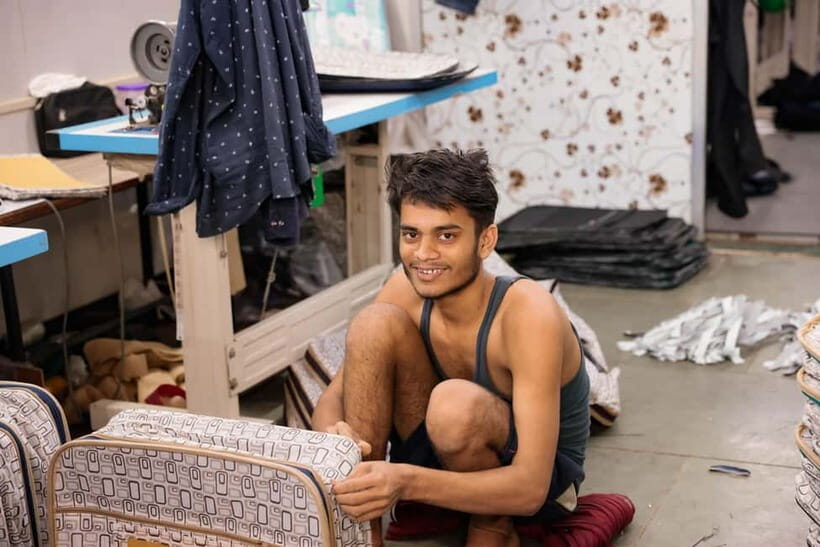
At $6 per person, this is one of the lowest-cost ways to understand Dharavi with a human guide. The price isn’t just about the walk. It’s also tied to a meaningful goal: your ticket helps support the education of local female students. That changes the feel of the tour from sightseeing to participation.
You also get a small but useful bundle for the cost. Bottled mineral water is included, and you’ll have a live English-speaking guide for the walking portion. On top of that, there’s an option for hotel pickup/drop-off in an air-conditioned car (extra cost), which is a big comfort factor if you don’t want to puzzle out local transport.
If you’re comparing value, the key point is simple: most people spend far more just to enter an area. Here, you’re paying for access and interpretation—how the systems work, how people earn a living, and what everyday life looks like behind the stereotypes.
You can also read our reviews of more walking tours in Mumbai



Meeting point, Dhobi Ghat, and the short transfer ride
The experience typically begins at a meeting point that depends on the option you choose. Some bookings include hotel pickup and drop-off, and the description notes that the driver will be at your pickup location if you can’t find the vehicle.
Before you reach Dharavi, your route can include a visit to Dhobi Ghat. Even if you’ve read about Mumbai laundry stories before, seeing it as part of this day helps connect the dots: the city’s work culture, movement of goods, and layers of everyday effort all overlap here.
After Dhobi Ghat, expect a 30-minute transfer. That matters for two reasons. First, it reduces the amount of time you spend in transit trying to keep up. Second, it helps you mentally reset—because Dharavi itself is a place where you’ll be walking in tight lanes and looking closely at both production and housing.
Commercial Dharavi: recycling, leather, clothes, and more
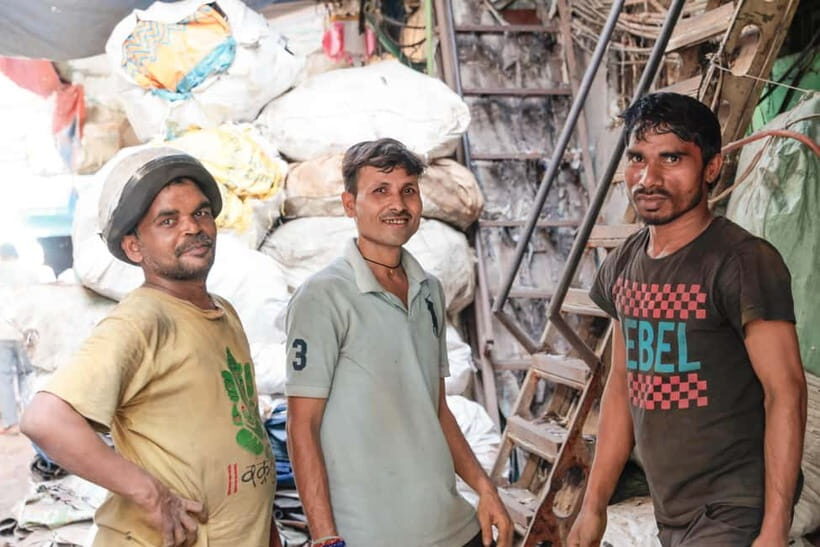
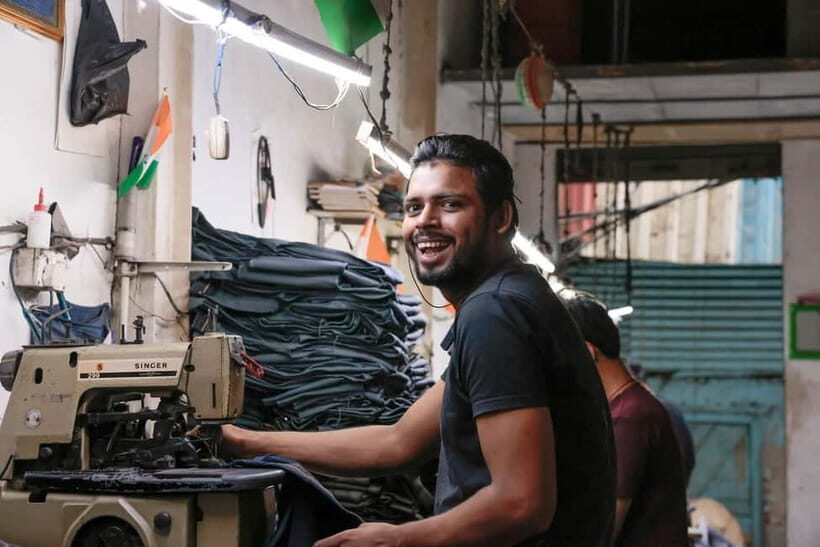
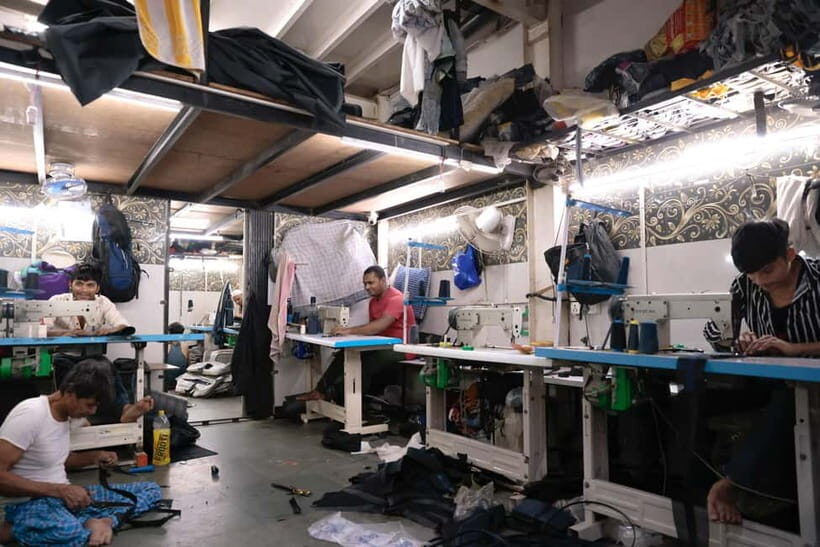
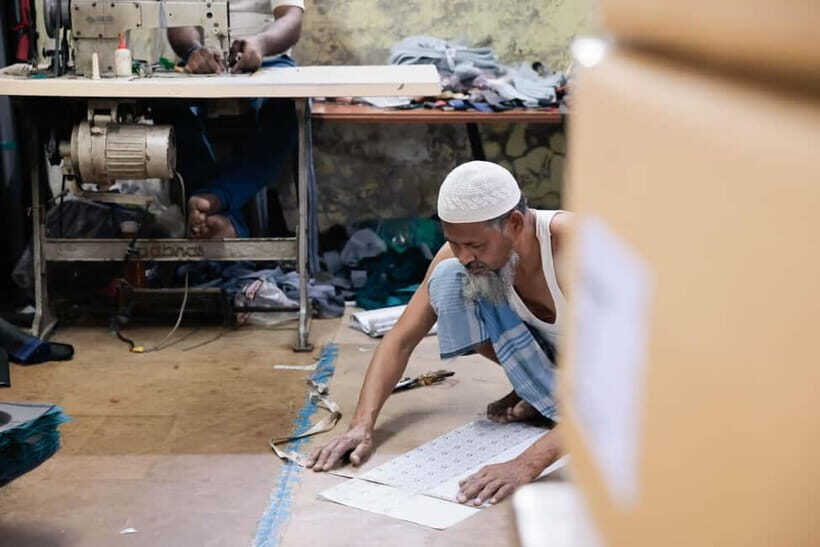
The centerpiece is a 2-hour guided walking tour of Dharavi, and it starts with the commercial side. This is where the area stops feeling like a single “slum” box and starts looking like what it is: a dense set of small industries, workshops, and production spaces that keep people employed.
From the tour description, you can expect a close look at factories and work linked to:
- Plastic and paper recycling
- Leather production
- Clothing manufacturing
- Other local industry work connected to these trades
What makes this section powerful isn’t just the topics—it’s the way your guide frames them. Local guides are able to explain how the chain works: what goes in, how materials move through the process, and why certain kinds of work cluster together. Guides like Pooja (known for taking visitors through narrow alleys while explaining clearly) tend to handle questions with patience, including the kinds visitors usually hesitate to ask.
What to watch for
This area is active and sometimes tight. Wear shoes you trust. If you’re the type who freezes when a space feels crowded, this might still be okay—but you’ll have to accept that the tour is meant to show real work environments, not staged sets.
Also, don’t treat your visit like a documentary shooting session. The rules you’ll follow—be respectful, don’t smoke, and avoid see-through clothing—are there because the people around you are living and working, not posing.
Residential Dharavi: how people live, including the earthen-ware tradition
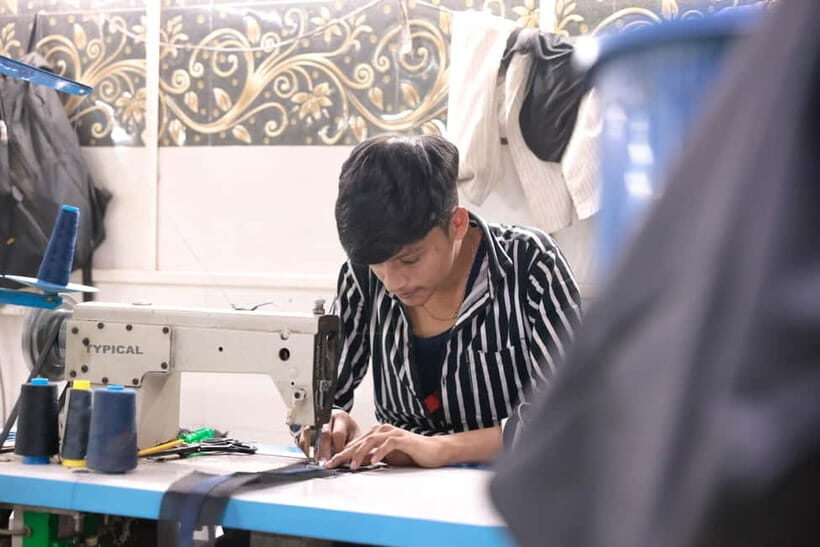
After the commercial section, you shift into residential areas. This is the part that helps many first-time visitors recalibrate their mental map. Instead of only seeing output—products, machines, materials—you start seeing routines: how families organize space, how neighbors coexist, and how daily needs get handled in small footprints.
One highlight in the residential portion is an older community connected to making earthen pots and clay items. That’s more than a cultural tidbit. It signals that Dharavi isn’t only a modern recycling-and-manufacturing hub; it also carries older craft threads that explain why certain skills and workshops pass through time.
You can also read our reviews of more guided tours in Mumbai






Why this section is so worth your attention
If you’ve only heard stereotypes, the residential part is where they start to break. You learn that “community” isn’t a buzzword here—it’s a survival and support system. Your guide will point out how life structures itself, including how people share information, manage constraints, and keep going.
And because the guide is local—specifically described as a university student from the slum—you’ll likely get context you wouldn’t hear from an outsider. It’s not about pity. It’s about accurate perspective.
Lunch in a local home: simple, hygienic, vegetarian
After the walking portion, you have an optional meal at a local home. The lunch is described as:
- Simple
- Vegetarian
- Hygienic
- A chance to interact with the family
This is one of the most respectful ways to experience daily life. You’re not just eating; you’re talking. Even if your questions are basic, you’ll start to notice patterns: how families handle cooking, what conversations sound like at home, and how hospitality shows up in small gestures.
A good way to think about this lunch: it’s not a luxury add-on. It’s a normal meal in a real setting, and you benefit by being allowed into that normalcy.
A small practical note
You should be ready for the differences that come with a home environment versus a restaurant. Keep expectations flexible, and treat the meal as part of the cultural exchange rather than a “stop for food.”
Why the female-guide model changes the tone of the whole trip
This tour’s structure is built around a local female guide who is also a university student from the community. That alone changes the vibe—because the day isn’t delivered like a lecture from outside.
From the details you provided, the tour is run in English with a live guide. In practice, that matters for questions. The guides named in the provided feedback—such as Sneha, Anu/ANU, and Pooja—are specifically praised for being able to answer questions clearly and for explaining with honesty and sensitivity.
There’s also a deeper reason you should care. When the interpreter is from the place you’re visiting, you’re more likely to get context about tradeoffs, not just highlights. You hear what’s hard. You hear what’s working. You hear what people want outsiders to understand.
And because the tour explicitly supports female education, your presence supports local opportunity rather than only extracting a story.
What to bring, what to avoid, and how to handle tight spaces
This is an active walking tour, so pack for movement.
Bring:
- Comfortable walking shoes
- A camera (the tour includes a note that you should bring one for photos)
Avoid:
- Smoking
- See-through clothing
Those rules aren’t just formalities. In places like Dharavi, appearance and behavior affect how comfortable people feel. Your goal is to blend into the day, not disrupt it.
If you’re sensitive about filming, don’t assume you’re automatically free to shoot everything. The most effective approach is to follow your guide’s lead and ask when you’re unsure.
Also, keep in mind the tour isn’t suitable for:
- Wheelchair users
- People over 95
If any part of your group has mobility limits, you’ll need to consider alternatives, because the route includes walking through commercial and residential lanes.
How long is it, and where can the day feel “dense”?
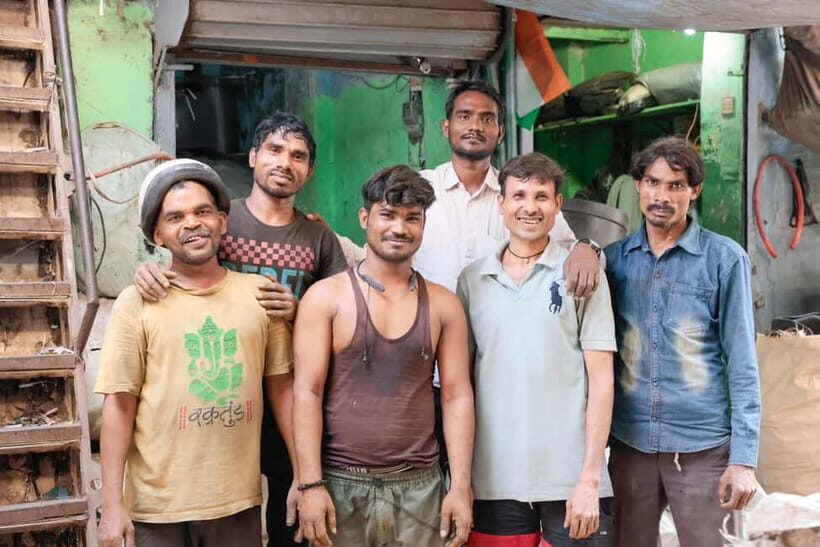
The total duration is listed as 2 to 4 hours, and that range makes sense given the mix of walking, transfers, and optional lunch.
The walking portion is described as 2 hours. Dhobi Ghat and the transfer add time, and lunch can extend your day if you choose it.
Plan your schedule like this:
- Don’t book a tight next appointment right after.
- Give yourself buffer time for getting back to Mumbai and settling after the experience.
- If you opt for pickup, treat it like a half-day activity even if the walking portion is shorter.
Where the day can feel dense is during narrow lanes and closer looks at working areas. Your guide will keep you moving, but you’re not on a wide sidewalk tour.
Value, ethics, and getting what you came for
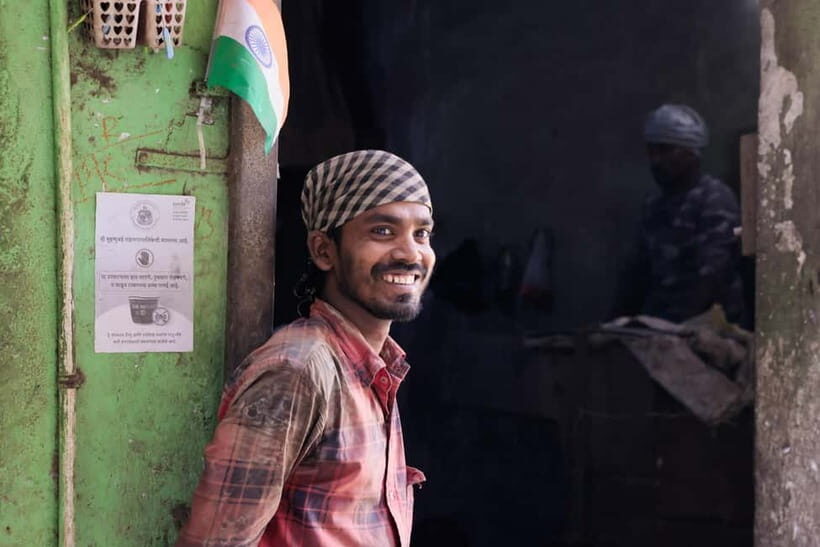
This tour offers a rare mix: you see work and you see home life, with the explicit goal of supporting education. For $6, the value is mostly about interpretation and access—not about comfort.
That said, you’ll get the most from it if you go with the right mindset:
- Ask questions, but keep them respectful.
- Expect complexity, not a tidy narrative.
- Understand that the point is to challenge stereotypes with specific, on-the-ground context.
If you want a “viewpoints from a tower” style experience, this won’t match. If you want a day where you understand how people organize work, community, and daily life under pressure, it will.
Who should book this Dharavi walking tour?
I’d point this tour toward travelers who:
- Want context, not just sightseeing
- Like learning from local voices
- Prefer smaller, walking-based experiences
- Are open to seeing both commercial and residential realities
You might skip it if:
- You need wheelchair access
- You strongly dislike walking in tight spaces
- You prefer non-interactive museum-style experiences
And if you’re visiting with family, this can still work well—especially when the guide is praised for being sensitive and keeping visitors comfortable while explaining complex topics clearly (the guides named in the provided feedback were repeatedly noted for that careful approach).
Should you book it? My straight answer
Yes—if you’re ready for a real walk through real life.
Book this tour when you want more than a quick photo stop. The combination of commercial workshops, residential context (including the earthen pot/clay-making tradition), and the option to share a simple vegetarian lunch in a local home makes it harder to misunderstand Dharavi afterward.
Skip it if you’re not comfortable with an active walking route or if accessibility needs are a factor. Also, if you can’t be flexible about the fact that this is a working community, you’ll likely find parts of the day uncomfortable.
For the right traveler, though, it’s one of the most cost-effective ways to support local education and see Dharavi with your eyes open.
FAQ
How long is the Dharavi walking tour?
The tour duration is listed as 2 to 4 hours. The walking portion is about 2 hours, with additional time for stops and optional lunch.
What’s the price per person?
The price is $6 per person.
What does the tour include?
It includes a 2-hour walking tour of Dharavi, a local female guide, bottled mineral water, visits to commercial and residential areas, and an option for vegetarian lunch at a local home.
Is there an option for pickup and drop-off?
Yes. Hotel pickup and drop-off are optional and cost extra. The description also notes a driver will be there at the pickup spot if you can’t find the vehicle.
Do I need to speak Hindi or any local languages?
No. The tour guide provides the tour in English.
Where do you start the tour?
The meeting point can vary depending on the option booked.
Is lunch included?
Lunch is optional. If you choose it, you can have a simple, hygienic vegetarian lunch at a local home.
Are there any rules about what I can wear or do?
Yes. Smoking isn’t allowed, and see-through clothing isn’t allowed. You should also be respectful of the local community.
What should I bring?
Wear comfortable shoes and bring a camera if you want to take photos.
Is the tour wheelchair-friendly?
No. It is not suitable for wheelchair users, and it’s also not suitable for people over 95 years.