REVIEW · MUMBAI
Mumbai Dharavi Slum, Dhobi Ghat & Dabbawala Lunchbox Tour
Book on Viator →Operated by Cityscape Mumbai Tours · Bookable on Viator
Mumbai’s everyday machinery is right here. This 3.5-hour small-group tour strings together three places most visitors never reach, and it does it in a way that feels safe and organized. You’ll learn how the city’s lunch system works, what Dhobi Ghat looks and sounds like in daily operation, and how Dharavi functions as a real home and workplace—plus you’ll be guided by people who know the streets and the rhythms.
I especially like the small group size (max 15). It keeps the pace human, so questions don’t get lost, and you spend more time watching what’s happening than waiting in a long line. It also helps the guide connect the dots between three totally different parts of Mumbai.
One consideration: this isn’t a polished, souvenir-driven sightseeing loop. You’re walking through working spaces and everyday life, so if you want a relaxed day focused only on monuments and views, you may find the atmosphere intense and the schedule tight.
In This Review
- Key things to know before you go
- A 3.5-Hour Circuit of Mumbai’s Daily Work
- Getting Oriented: Churchgate start and Mahim finish
- Stop 1: The dabbawala tribute statue and the lunchbox system
- Stop 2: Dhobi Ghat open-air laundry in daily action
- Stop 3: Dharavi—industry, resilience, and community life
- What makes the guide matter (Javed and Subhan as examples)
- Price and value: $18.33 for a lot of city reality
- Who this tour is best for (and who should rethink)
- Sensible expectations for timing and how you’ll spend it
- Should you book this Mumbai Dharavi, Dhobi Ghat, and dabbawala lunch tour?
- FAQ
- What is the duration of the Mumbai Dharavi, Dhobi Ghat & dabbawala lunchbox tour?
- How much does the tour cost?
- What are the main stops on the itinerary?
- Where does the tour start?
- Where does the tour end?
- What time does the tour begin?
- Is bottled water included?
- Is transportation included?
- Is Dhobi Ghat admission included?
- Is alcohol included in the price?
- Can I get a full refund if I cancel?
Key things to know before you go
- Small-group pace (max 15) makes it easier to ask questions and actually follow along.
- Lunchbox delivery culture at the dabbawala stop explains a system that’s been running for generations.
- Dhobi Ghat is operational rather than staged, so you’ll see how open-air laundry works day to day.
- Dharavi is 75 minutes of real neighborhoods, not a quick photo stop.
- Price includes core logistics like bottled water, transportation during the tour, and all fees and taxes (alcohol is not included).
A 3.5-Hour Circuit of Mumbai’s Daily Work
Mumbai often gets described in big landmarks—then the day is done. This tour flips the script. Instead of treating the city like a checklist, it treats Mumbai like a network: delivery, laundry, and neighborhood industry. That’s why it feels different fast. The focus stays on how people earn, organize, and survive, and you get explanations that make the scenes easier to understand.
The total time is about 3 hours 30 minutes, and the itinerary is built like a route you can actually handle: one stop you start with (the dabbawalas), one stop that shows a public routine (Dhobi Ghat), and one longer stop where you get the broader picture (Dharavi). You also get bottled water, and the tour includes transportation during the experience, so you’re not stuck figuring out between locations.
You can also read our reviews of more tours and experiences in Mumbai.


Getting Oriented: Churchgate start and Mahim finish
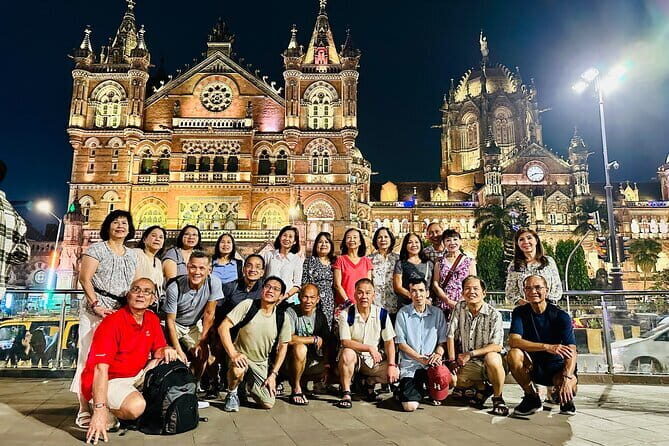
You meet near the Churchgate station area at Burger King Express Building, opposite Churchgate (with a specific address given: IMC Marg, No. 14E). Start time is 11:30 am, which is a good choice because it lets you visit the working sites during the day without racing the clock at night.
The tour ends at Third Wave Coffee on Tip Road, directly opposite Mahim Railway Station, and your guide helps you get back to your hotel or onward destination. I like this setup because it avoids the annoying end-of-tour feeling of being stranded. You can treat the end point like a transport hub and keep your day moving.
Stop 1: The dabbawala tribute statue and the lunchbox system
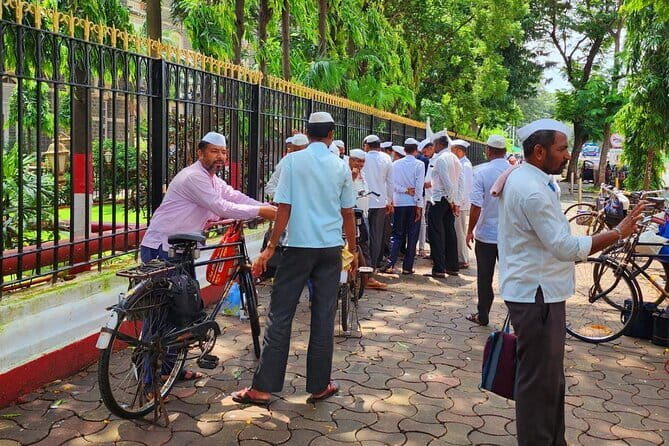
The first stop is Dabbawala Tribute Statue, and it’s a strong opening. It’s basically your handshake with the topic: lunchboxes in Mumbai aren’t a side detail—they’re infrastructure. This system has been running for over 130 years, and the whole idea is efficiency built on consistency. Even if you’ve heard the phrase “dabbawala” before, you’ll leave with a clearer picture of what makes the system work day after day.
This stop is scheduled for about 40 minutes, and admission is free. The time allocation matters: you’re not sprinting through it. You get a bit of background, then you connect it to what you’ll see as you move through the day. The result is that the rest of the tour doesn’t feel random. Dhobi Ghat and Dharavi start to make sense as parts of the same city logic—work that runs on routine and networks of people.
Practical note: dabbawalas are famous, so some people expect a museum-like explanation. What you’re really looking for here is how ordinary labor becomes a precise system—measured not in drama, but in repeatable delivery and trust.
Stop 2: Dhobi Ghat open-air laundry in daily action
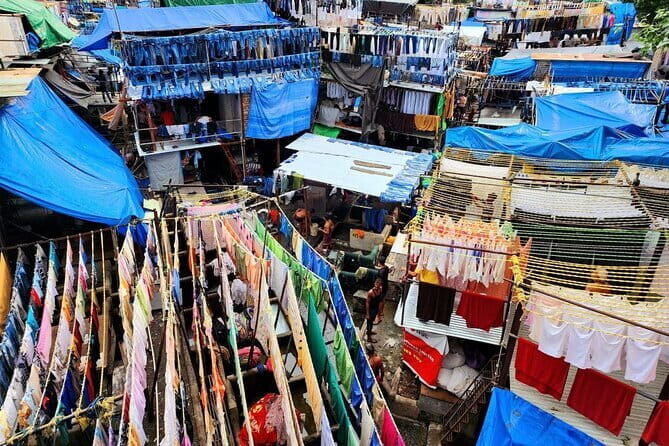
Dhobi Ghat is the kind of place you can’t recreate from a brochure. It’s the world’s largest open-air laundry, and the big takeaway is scale paired with process. The tour focuses on the daily work of the dhobis (washermen) who clean thousands of clothes each day.
You’ll spend about 35 minutes here, and admission is included. That matters because Dhobi Ghat isn’t just a stroll-through stop; it’s an operating site. The whole experience is about watching and understanding how labor, space, and timing work together in an outdoor setup.
What I like about this stop is that it shifts your thinking from “Mumbai is big” to “Mumbai is practical.” You see how people solve a problem (washing clothes) using methods that fit the city and its density. The visuals can be striking, but the real value is the explanation: you’ll understand why the workflow is the way it is.
A consideration: Dhobi Ghat can feel intense in sensory terms. It’s busy and working, and the pace isn’t built for slow sightseeing. If you’re the type who needs quiet, this may not be your favorite stop. If you like real-world observation, it’s one of the best ways to understand how Mumbai functions.
Stop 3: Dharavi—industry, resilience, and community life

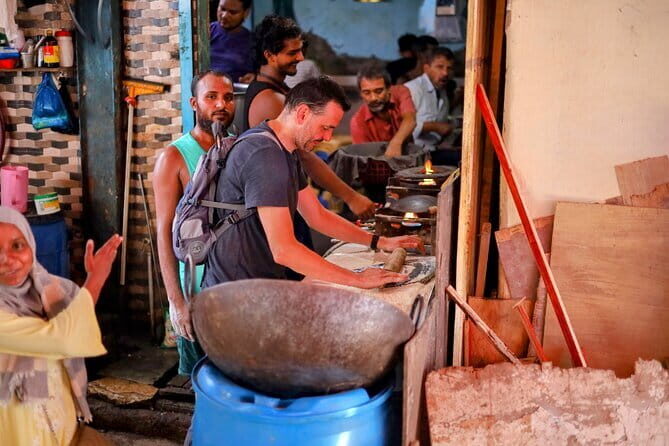
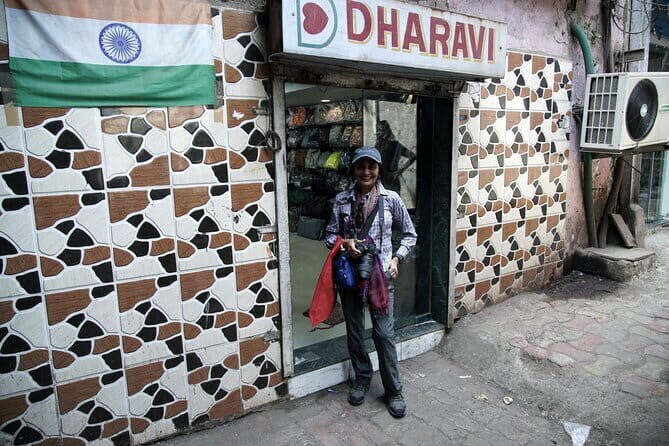
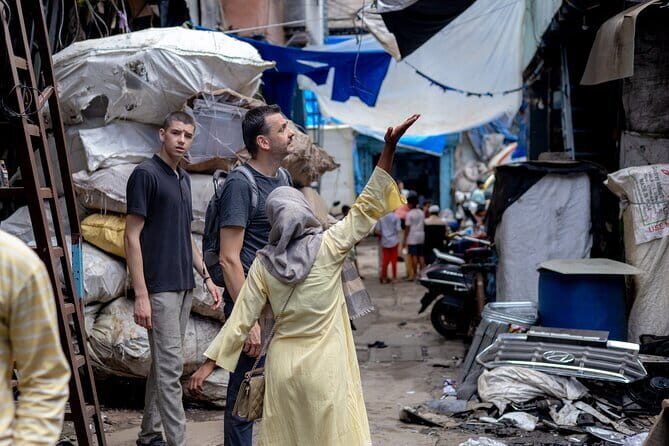
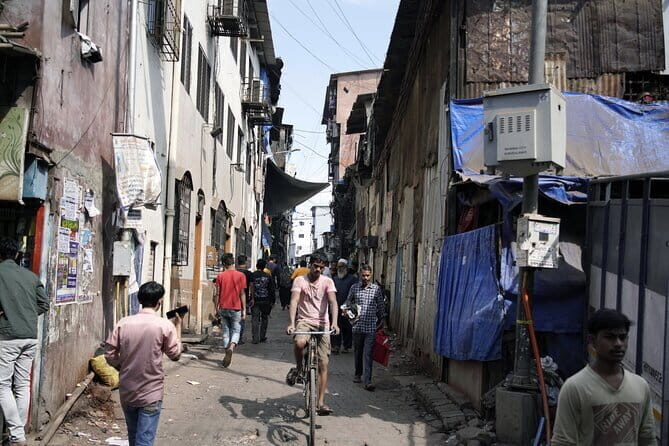
The final stop is Dharavi, scheduled for about 1 hour 15 minutes. Admission is listed as free, but don’t treat that as the main detail. Dharavi is described as one of Asia’s largest slums, and the tour frames it not as a spectacle, but as a lived-in place where thousands call home and where industry and resilience shape daily life.
This is the stop that often sticks with people. Why? Because it’s the longest segment, and it’s where your guide’s local knowledge matters most. The tour is led by a local guide who knows the community inside out, and the goal is to help you understand Dharavi as a system of work and neighborhood life—not just an image.
In practical terms, what you’re likely to experience is guided navigation through areas that function like everyday Mumbai: people doing jobs, moving through routines, and building livelihoods. You’ll also get context on how community life intersects with industry. That combination is what turns a simple visit into real understanding.
Important mindset: approach this stop with respect and curiosity. This isn’t about collecting pictures; it’s about recognizing that you’re walking through other people’s normal day. The tour’s “safe way” framing is helpful, because your guide can steer the experience toward understanding instead of gawking.





What makes the guide matter (Javed and Subhan as examples)
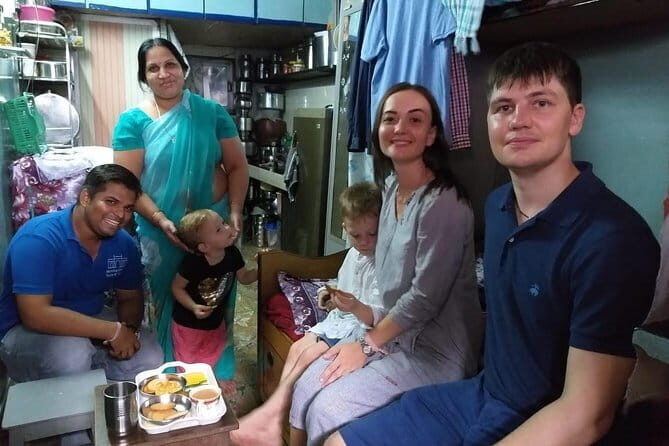
Two guide names show up in the experience feedback: Javed and Subhan. That’s a big deal because this kind of tour lives or dies on interpretation. When your guide can explain routines, answer questions calmly, and connect each location back to everyday systems, you stop seeing three disconnected stops and start seeing a coherent city story.
From the way the guides are described, the emphasis is on daily life: how the lunchbox system works, what Dhobi Ghat looks like during routine work, and how Dharavi operates as both a community and a workplace. That kind of commentary turns observation into understanding, and it’s exactly what most first-time Mumbai visitors struggle to do on their own.
Even if you’re comfortable navigating independently, you’ll likely appreciate the guide for the simple reason that these places are not built for casual wandering. Local knowledge keeps you oriented and helps you know what you’re looking at.
Price and value: $18.33 for a lot of city reality
The tour costs $18.33 per person, and for many people, that price is the headline. But the better way to judge value is what’s included and how much time you actually spend at the sites.
You get:
- Bottled water
- Transportation used during the tour
- All fees and taxes
Admission is also noted as free for the dabbawala statue and free for Dharavi, while Dhobi Ghat’s admission is included. So you’re not paying extra at each stop just to participate. The total time of about 3 hours 30 minutes also matters: you get three distinct settings without feeling like you’re burning half a day in transit.
Group discounts are mentioned, and the max size is 15. Together, those details often mean the cost stays reasonable while the experience remains personal enough to feel worth it. If you’re choosing between this and a general “big sights” tour, think of it like this: you’re paying for access to ordinary Mumbai systems you can’t easily decode yourself.
One other small value point: it lists mobile ticket use and confirmation at booking. That kind of friction-free readiness helps on a day when you’re moving between parts of the city.
Who this tour is best for (and who should rethink)
This fits travelers who:
- like everyday work and how cities actually run
- want a small-group format instead of a big coach tour
- enjoy understanding systems—delivery, laundry, neighborhood industry—not just landmarks
- want three off-the-beaten stops in one organized route
You might reconsider if:
- you want a very relaxed schedule with lots of free time
- you’re uncomfortable in working environments with crowds and sensory intensity
- you’re expecting a classic photo-op itinerary rather than guided interpretation
Because Dhobi Ghat and Dharavi are both active real-life locations, the emotional tone is more “human scale” than “vacation mode.” If you’re mentally ready for that, this tour tends to land well.
Sensible expectations for timing and how you’ll spend it
The itinerary is built on short, meaningful time blocks:
- 40 minutes at the dabbawala tribute statue
- 35 minutes at Dhobi Ghat
- 1 hour 15 minutes at Dharavi
That adds up to 3 hours 30 minutes, and the pacing is likely to feel efficient rather than slow. It also means you’ll get a first layer of understanding at each stop, but you won’t be there long enough to become an expert in one location. Think of it as a guided introduction that teaches you how to look.
The ending at Mahim also helps. Instead of ending in the middle of nowhere, you end by a major railway station area. That makes it easier to continue your day without hunting down transportation.
Should you book this Mumbai Dharavi, Dhobi Ghat, and dabbawala lunch tour?
If you like Mumbai as a living city instead of a set of sights, I think this is a great booking. The biggest reasons are straightforward: you get a small-group route, you visit three working institutions (dabbawalas, Dhobi Ghat, Dharavi), and the experience is guided in a way that aims for understanding instead of spectacle.
Book it if you’re curious about how routine labor becomes city-scale systems, and if you want off-the-beaten places you could struggle to find or interpret on your own. Consider skipping or doing something else if your ideal day is mostly open spaces, quiet viewpoints, or low-intensity sightseeing.
FAQ
What is the duration of the Mumbai Dharavi, Dhobi Ghat & dabbawala lunchbox tour?
It runs for about 3 hours 30 minutes.
How much does the tour cost?
The price is $18.33 per person.
What are the main stops on the itinerary?
You visit the Dabbawala Tribute Statue, Dhobi Ghat, and Dharavi.
Where does the tour start?
The meeting point is Burger King Express Building, Railway Station, No 14E, IMC Marg, opposite Churchgate, Churchgate, Mumbai.
Where does the tour end?
The tour ends at Third Wave Coffee, Tip Road, Unit no.58, Ground, Ram Mahal, Senapati Bapat Marg, Marinagar Colony, Station, Mahim, Mumbai, opposite Mahim Railway Station.
What time does the tour begin?
The start time is 11:30 am.
Is bottled water included?
Yes. Bottled water is included.
Is transportation included?
Yes. Transportation used during the tour is included.
Is Dhobi Ghat admission included?
Yes. Dhobi Ghat admission is included, while the Dabbawala tribute statue and Dharavi are listed as free admission.
Is alcohol included in the price?
No. Alcoholic beverages are not included.
Can I get a full refund if I cancel?
Yes—free cancellation is offered. You can cancel up to 24 hours in advance for a full refund.