REVIEW · MUMBAI
Mumbai: City & Slum Full-Day Exploration
Book on GetYourGuide →Operated by Explore Mumbai Tours · Bookable on GetYourGuide
Mumbai hits fast, and this tour helps. You get a tight city-and-slum route that turns big sights into street-level understanding, without the usual planning stress. I especially like the hotel pickup/drop-off that keeps the day smooth, and the guided Dharavi walk that focuses on how people live and work. One thing to keep in mind: the schedule is packed, so you will move along quickly and spend less time lingering than if you were traveling at your own pace.
The best part is the balance. You’ll see showpiece architecture and seaside views, then switch gears to the places where Mumbai’s economy runs on hands, effort, and improvisation. I also appreciate that the tour is designed as one continuous day, with a real guide steering the story from start to finish.
In This Review
- Key highlights worth your attention
- A packed 6 hours that actually makes sense
- Dharavi: seeing real life with the right mindset
- Dhobi Ghat and Crawford Market: watching Mumbai work
- CSMT, Oval Maidan, and the civic core: big buildings with stories
- Gateway of India and the coastal line toward Marine Drive
- Mani Bhavan: the Gandhi stop where you set your own pace
- Price and comfort: is $43 fair for this much ground?
- Who should book this tour, and who should skip it
- Should you book Mumbai City & Slum Full-Day Exploration?
- FAQ
- How long is the Mumbai City & Slum tour?
- Does the tour include hotel pickup and drop-off?
- Is the tour a private group?
- What language is the live guide?
- What stops are included during the day?
- Is bottled water included?
- What’s included in the price?
- Can I cancel or pay later?
Key highlights worth your attention

- Dharavi in 2 hours with a guided walk that’s built around daily life, work, and resilience
- Local-market energy at Crawford Market with a guided tour and plenty to look at on foot
- Dhobi Ghat photo stop and visit to see traditional laundry methods up close
- UNESCO-listed CSMT plus major colonial-era landmarks in a single route
- Marine Drive break with scenic viewpoints including Hanging Gardens and Kamala Nehru Park
- Gandhi’s Mani Bhavan as a self-guided stop so you can move at your own tempo
A packed 6 hours that actually makes sense

This is a short day for how much it tries to cover, and the trick is the order. You start in the coastal zone and the historic core, then work inward through major public spaces and civic buildings, and only later head into the lived-in side of the city with Dharavi and Dhobi Ghat.
The pacing feels intentional. The landmark stops help you understand what Mumbai wanted to project through time—trade, power, governance—while the working stops explain what the city runs on right now. If you like your sightseeing tied to context, this structure will click.
You’ll be in an air-conditioned vehicle between sights, with bottled water provided. It’s not a slow sit-and-stare tour, but it is a guided one. That matters in Mumbai, where a good explanation can turn a crowd scene into something you can read.
You can also read our reviews of more city tours in Mumbai



Dharavi: seeing real life with the right mindset
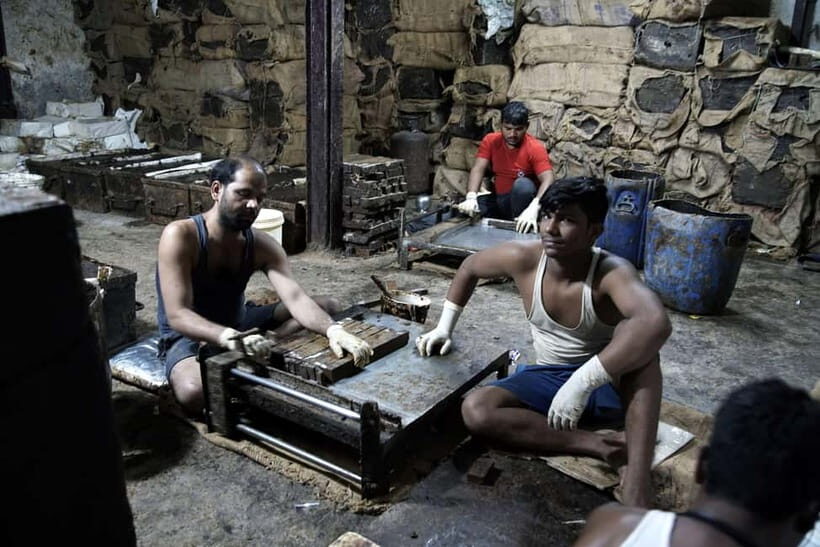
Dharavi is the day’s emotional center. The plan is a 2-hour guided visit and walk, which is enough time to get the feel of how neighborhoods function without turning it into a frantic photo sprint.
What I like about this approach is the focus on being respectful and present. One guide name that comes up often is Subhan, who led visitors across both commercial and residential areas and explained how people lived, made a living, and educated themselves in the neighborhood. Another guide you may meet is Ruqaiyya, described as someone from Dharavi who learned English through YouTube, with English skills noted as strong. If you get either of these guides, you’re likely to get more than just facts—you’ll get a careful sense of what you should and shouldn’t do.
A smart rule for Dharavi walks: treat it like a workplace and a home at the same time. Ask questions, keep your body language calm, and follow your guide on where it’s appropriate to stop and photograph. If you’re coming with a “see the slum” mindset, the tour will gently correct that into a “see people and systems” mindset.
Possible drawback? The topic can feel heavy. Even when you’re treated with warmth—as many visitors describe—you should be ready for discomfort, not just curiosity. This isn’t a tour that sanitizes reality, and that’s part of why it’s memorable.
Dhobi Ghat and Crawford Market: watching Mumbai work
After Dharavi, the tour shifts to work you can see with your eyes. Dhobi Ghat is mainly a photo stop and visit, and it’s famous because the laundry process is out in the open. You’ll be close enough to notice how tradition, routine, and labor come together in a place that handles a huge volume of washing day after day.
This stop is valuable because it changes your sense of scale. Mumbai isn’t just temples and monuments; it’s systems of daily labor that keep the city moving. Even if you don’t linger long, you’ll come away with a clearer picture of why logistics, infrastructure, and work culture matter here.
Then you head to Crawford Market, with a guided tour and time on foot. This is where Mumbai’s everyday life shows up in the details: stalls, goods, the rhythm of bargaining, and the constant activity around food and household items. A good guide helps you see what you might otherwise miss, like how the market supports daily supply rather than acting as a simple tourist backdrop.
If you like markets, this is one of the more practical stops on the itinerary. You can walk, look, and understand how people shop when the city is in full motion. And if you hate crowded chaos, pace yourself. Go with your guide, keep to the calmer edges when you need a break, and don’t try to turn every aisle into a photo set.
CSMT, Oval Maidan, and the civic core: big buildings with stories

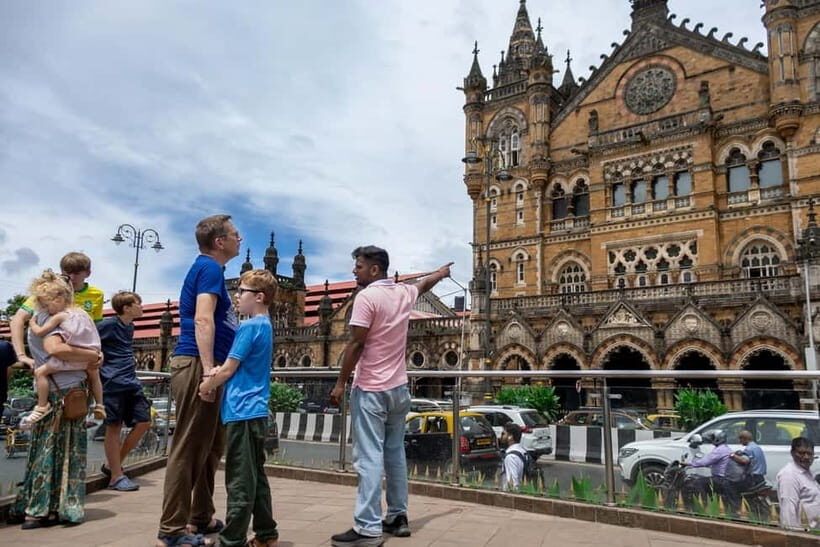
The day spends serious time on Mumbai’s historic public spaces. The centerpiece is Chhatrapati Shivaji Maharaj Terminus (CSMT), where you get a photo stop plus a guided visit. CSMT is listed as a UNESCO World Heritage Site, and the value here isn’t only the building’s looks—it’s the idea that Mumbai has long been a global port city. The architecture and scale make that point fast.
Next comes the civic belt around Oval Maidan and major nearby structures. You’ll have guided time and walking in Oval Maidan, plus several photo-stop visits that can feel like stepping through a timeline:
- University of Mumbai area
- Rajabai Clock Tower
- High Court of Bombay
It’s a lot of buildings, but it’s also a clear sequence: education, law, and public life. A good guide can connect the dots so it doesn’t feel like just sightseeing from street level.
One helpful tip: keep your eyes up. A lot of the interesting details are in façades and rooflines, and the view from street level is where you’ll miss them unless you’re prompted. Your guide’s viewpoint knowledge is part of the value here.
Gateway of India and the coastal line toward Marine Drive

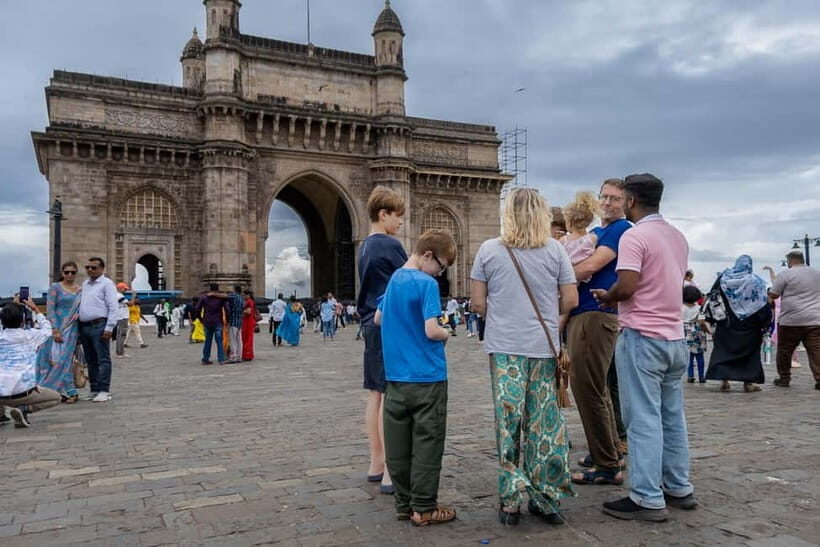
You’ll also visit Gateway of India, with both guided time and a photo stop. It’s the kind of place where people gather because it’s symbolically important, but the guided component helps you understand why it matters historically and how it fits into Mumbai’s coastal identity.
From there, the route brings you toward Marine Drive, with photo stops and visiting time. Marine Drive is where the day’s mood shifts. After markets, rail-era buildings, and the intensity of working neighborhoods, you get a scenic reset.
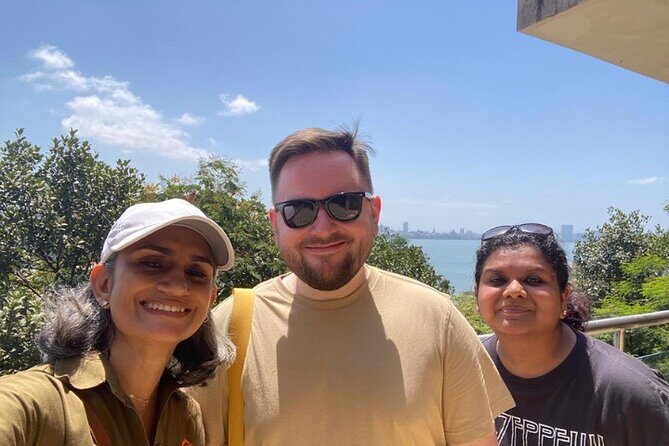
Then you go a step further with Hanging Gardens Mumbai, including guided time and walking. The point here is not just photos. It’s the chance to look down at the coastline and see the shape of the city from a calmer height. The same idea continues at Kamala Nehru Park, with guided time and walking to round out the scenery before you head to the final cultural stop.
If you’re sensitive to heat or crowds, plan to slow down here. This is your chance to breathe, not your chance to power through.
A few more Mumbai tours and experiences worth a look






Mani Bhavan: the Gandhi stop where you set your own pace
Late in the day you visit Mani Bhavan, but it’s self-guided. That’s important. After having a guide interpret almost everything else, this part lets you choose how long you stay and which rooms or themes you focus on.
You should treat this stop like a quiet reset inside a packed itinerary. Since it’s self-guided, you’ll get the most from it if you take a few moments at the start to read what’s on display, then wander with intention rather than rushing for the next photo.
Price and comfort: is $43 fair for this much ground?

At $43 per person for a 6-hour private tour, this price can feel very reasonable once you look at what’s bundled. You get:
- an English live guide
- hotel pickup and drop-off
- an air-conditioned vehicle
- bottled water
- all fees and taxes
The value isn’t only the convenience. It’s the mix of experiences that would be hard to line up on your own without either missing context or losing time stuck in transit.
Also, the tour is private group, which usually means you’re not trapped in a slow, awkward pack of strangers. You can ask questions without worrying that your pace is slowing everyone down.
The one practical tradeoff is time. This is not a deep study of each location. It’s a well-guided “greatest hits with meaning,” plus the kind of street-level reality that people tend to remember long after they forget the exact minute they arrived at a landmark.
Who should book this tour, and who should skip it
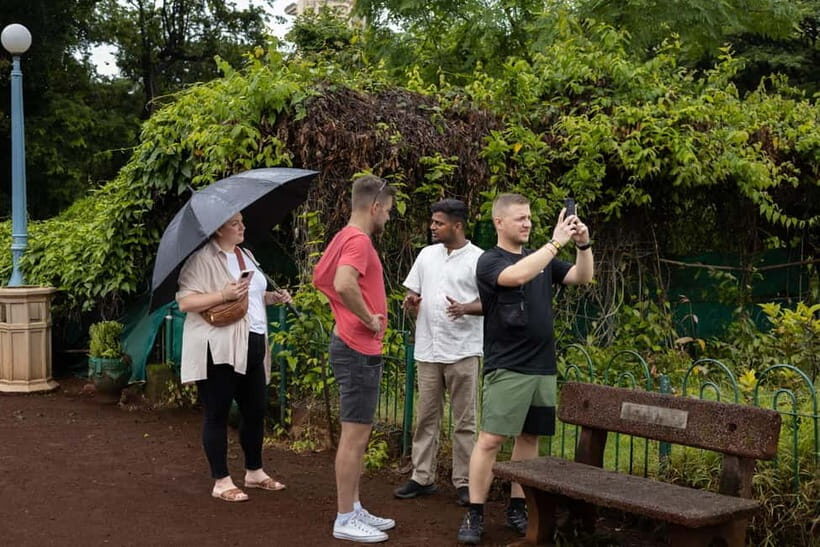
This is a strong fit if you want a single day that covers both Mumbai’s iconic side and its everyday working side. It’s also a good choice if you value guides who explain what you’re seeing rather than just pointing.
It’s especially suitable for:
- First-timers who need a fast orientation to neighborhoods and landmarks
- Travelers who want a guided slum experience focused on respectful observation
- People who enjoy history but prefer it tied to how the city functions today
I’d skip it or consider a different option if:
- You want lots of free time at each site
- You dislike guided walking and fast transfers
- You’re looking for something light and purely entertaining. This has real human weight.
Should you book Mumbai City & Slum Full-Day Exploration?
If you like structure, context, and a day that turns sightseeing into something more grounded, I’d book it. The route makes sense, the guiding is clearly a big part of the success, and you’re not just ticking boxes—you’re seeing Mumbai’s public face and its lived reality in one timeline.
If you choose to go, do it with the right expectations: it’s a guided day, not a flexible one. Wear comfortable shoes, keep your camera respectful (especially around homes and work areas), and be ready for the Dharavi part to feel powerful.
Overall, this feels like good value for a tight schedule, and the guide-led storytelling is the main reason it earns its high marks.
FAQ
How long is the Mumbai City & Slum tour?
The tour runs for 6 hours.
Does the tour include hotel pickup and drop-off?
Yes. Hotel pickup and drop-off are included.
Is the tour a private group?
Yes. It’s listed as a private group.
What language is the live guide?
The live tour guide speaks English.
What stops are included during the day?
The tour includes Dharavi, Dhobi Ghat, Chhatrapati Shivaji Maharaj Terminus, Crawford Market, Gateway of India, Oval Maidan, University of Mumbai, Rajabai Clock Tower, High Court of Bombay, Marine Drive, Hanging Gardens Mumbai, Kamala Nehru Park, and Mani Bhavan.
Is bottled water included?
Yes. Bottled water is included.
What’s included in the price?
Bottled water, air-conditioned vehicle, and all fees and taxes are included.
Can I cancel or pay later?
Free cancellation is offered up to 24 hours in advance for a full refund. You can also reserve now and pay later.