REVIEW · MUMBAI
Mumbai City + Dabbawala aka Lunchbox + Train Ride Tour – The Unfeigned Mumbai.
Book on Viator →Operated by Young Tours And Travel · Bookable on Viator
A working city is the best teacher. This private Mumbai tour mixes a local train ride with close-up looks at the dabbawala lunchbox system and the outdoor dhobi laundries, plus big-name landmarks. I especially love how it balances daily life stops with places like Mani Bhavan Gandhi Museum and Marine Drive, and I also like that you get bottled water plus coffee or tea during the route. One thing to consider: there’s no lunch included, and with a 5-hour schedule, the pace is efficient more than relaxed.
The route is built for first-timers who want real context fast. You’ll start at Churchgate Railway Station, see Dhobi Ghat, then work your way through Gandhi-related sites and classic waterfront views, ending at Chhatrapati Shivaji Maharaj Terminus. It’s private, so you can ask questions as you go rather than listening from the back of a group.
Because the tour includes air-conditioned vehicle pickup from select hotels, you’re not stuck guessing local logistics. Still, you’ll be out around stations and open-air areas, so wear comfy shoes and plan to move at commuter speed.
In This Review
- Key Points You’ll Care About
- Real Mumbai by Rail: Why This Train Segment Changes Everything
- Churchgate to Dhobi Ghat: Watching the Lunchbox and Laundry Systems at Work
- Mani Bhavan Gandhi Museum: The Human Side of Gandhi in Mumbai
- Hanging Gardens, Kamala Nehru Park, and Marine Drive: Breaks Between Big Sights
- Gateway of India, Rajabai Clock Tower, and CSMT: Landmarks With Momentum
- Price and Value: What $69.99 Buys You (and What It Doesn’t)
- The Real-Day Experience: Pace, Comfort, and How to Prepare
- Who This Tour Is For (and Who Might Prefer Something Else)
- Should You Book This Mumbai City + Dabbawala Tour?
- FAQ
- How long is the tour?
- Is this a private tour?
- What’s included in the price besides sightseeing?
- Is lunch included?
- Where is the train ride during the tour?
- Which museum stop has an admission ticket included?
- Are there any stops that are free?
- Does the tour use a mobile ticket?
- Can I get pickup from my hotel?
- Are service animals allowed, and what about cancellations?
Key Points You’ll Care About
- Local train ride with your guide: you see Mumbai commuter rhythm instead of just posing at landmarks
- Dabbawalas and dhobis, up close: understand how lunchboxes and laundry services keep the city moving
- Mani Bhavan Gandhi Museum included: Gandhi’s Mumbai headquarters period gets real context
- Iconic views without ticket headaches: many stops are free to visit, while some paid admissions are included
- Coffee and tea, plus bottled water: small comfort boosts during an active route
- Tight 5-hour loop: you’ll see a lot, but it’s not a slow wander
Real Mumbai by Rail: Why This Train Segment Changes Everything
Mumbai can feel like a postcard until you learn how people actually get through their day. The star here is the local train ride, guided from Churchgate Railway Station as part of a broader city walk-and-view route. Instead of treating trains like scenery, the tour uses the rail system to explain how Mumbai functions at street level.
For you, this matters because it shortcuts the biggest early-travel problem: orientation. After you watch how the station flow works and how the guide frames what you’re seeing, you’ll understand what you’re looking at later even when you’re on your own. It’s one of those experiences where the learning sticks because it’s happening in motion.
There’s also a practical side. You’re not figuring out where to go, what to ask, or when to expect the next transition. An air-conditioned vehicle plus a guided plan means you spend less time guessing and more time seeing. And because this is a private tour, you’re not stuck waiting for strangers to take the “just one more photo” detour.
Possible consideration: local rail is real life. That usually means you should expect a commuter atmosphere, so keep your belongings secure and keep your phone handy but put away when you need both hands.
You can also read our reviews of more city tours in Mumbai


Churchgate to Dhobi Ghat: Watching the Lunchbox and Laundry Systems at Work
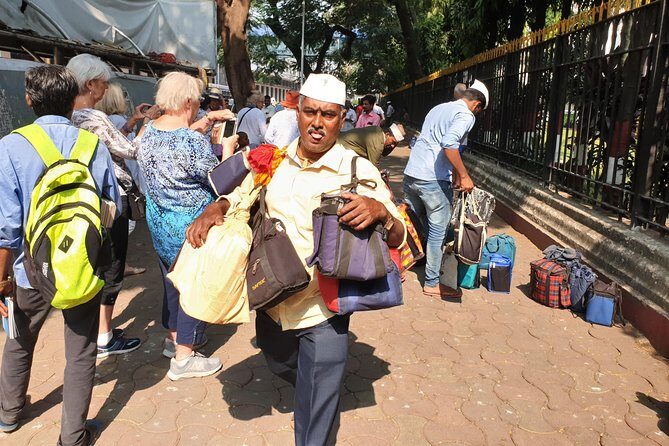
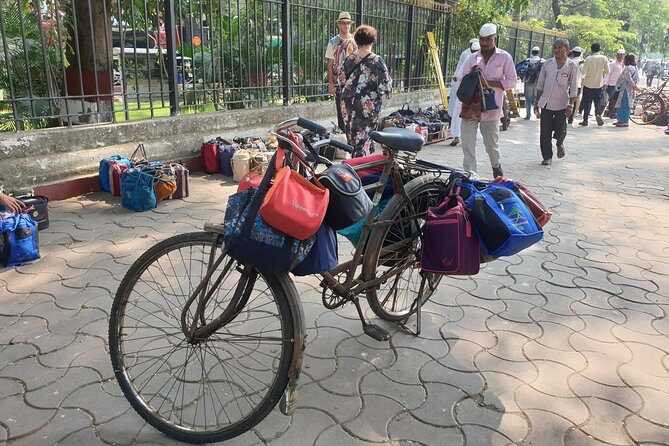
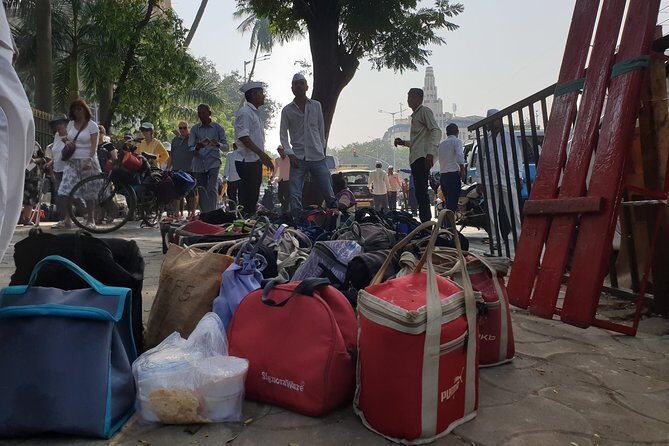
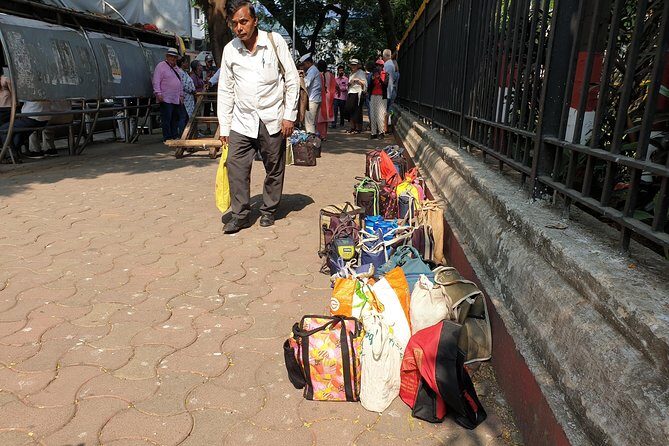
The tour’s first stop is Churchgate Railway Station, where the dabbawala lunchbox delivery and return system connects homes and restaurants to the people who eat on the move. The dabbawalas are famous for moving thousands of fresh meals daily, and the tour uses the station area to help you understand the logic behind the daily exchange.
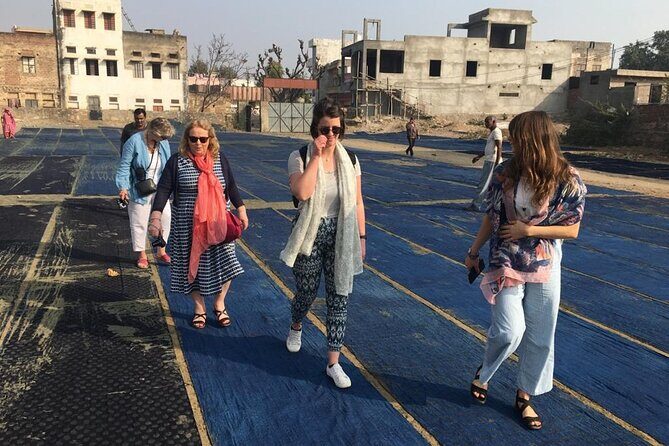
Then you head to Dhobi Ghat, specifically Mahalaxmi Dhobi Ghat, an open-air laundromat. Dhobis work outdoors to clean clothes and linens, including laundry for hotels and hospitals. This is one of those stops that shifts your view of “invisible work.” It’s not glam, and that’s the point. You’re seeing how services run when you’re not looking.
What I like about these two stops together is that they show two daily systems that keep a city functioning: food supply and laundry services. Mumbai isn’t just monuments and sea views. It’s also logistics. And when you learn those basics, the rest of the sightseeing feels more grounded.
Quick practical note for you: Dhobi Ghat is outdoors, so dress for the weather and bring a light layer if you get chilly from wind or shade changes. Also, photography may be possible in parts of the working area, but you should be mindful of the people doing their jobs.
Mani Bhavan Gandhi Museum: The Human Side of Gandhi in Mumbai
Next is Mani Bhavan Gandhi Museum, Gandhi’s Mumbai headquarters from 1917 to 1934. The mansion belonged to Revashankar Jagjeevan Jhaveri, Gandhi’s friend and host in Mumbai during that period. This stop adds a “why” to the tour: you’re not just looking at Mumbai from the outside; you’re learning how important figures thought and worked while living here.
The museum visit is also timed for a manageable chunk of time, so you can read and absorb without feeling like you’re stuck for hours indoors. Admission is included, which is a win if you’re trying to keep your day simple.
One detail I appreciate: the tour connects Gandhi’s story directly to place. Rather than treating Gandhi as a distant historical figure, you’re seeing the setting where his Mumbai years unfolded. That makes the later landmark sightseeing more meaningful, because you’re aware the city’s public life has roots in political and social change.
Hanging Gardens, Kamala Nehru Park, and Marine Drive: Breaks Between Big Sights
After Mani Bhavan, you get a breather with several open-air stops.
- Hanging Gardens (also known as Pherozeshah Mehta Gardens) are an important pause point. They were first built in 1881 and are said to have been built over one of Bombay’s main water reservoirs to protect it from getting polluted. Even if you only have a short time, you’ll get an instant sense of how city planning and public spaces have been linked for over a century.
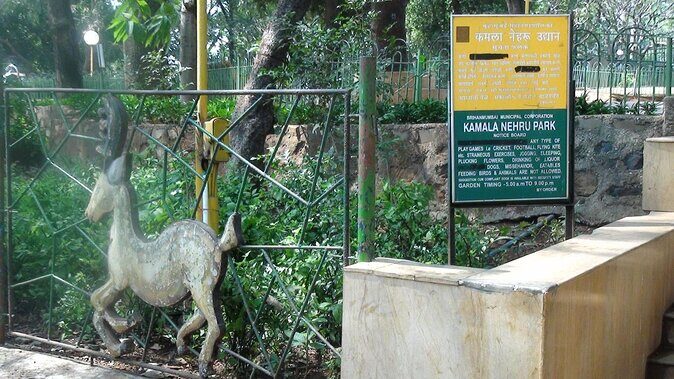
- Then comes Kamala Nehru Park, named after Kamala Nehru, wife of Jawaharlal Nehru. It’s described as one of the oldest parks in Mumbai. There’s also a shoe structure inspired by a nursery rhyme, which is the kind of detail that makes quick stops more memorable.
- Finally, you reach Marine Drive, a famous 3.6 km stretch where the promenade and the road name are often used together. This is where your eyes can relax. You’ll see why this part of Mumbai is so often photographed: it’s all about the long line of the coast and skyline views.
These stops work well because they keep the day from turning into a nonstop checklist. If you like city sightseeing that includes a few spots where you can actually look around, this section will feel like a reward.
Consideration: views don’t always mean shade. Plan for sun and heat, especially if your visit time is during warmer parts of the day.
Gateway of India, Rajabai Clock Tower, and CSMT: Landmarks With Momentum
Then the tour hits the “everyone knows this from photos” stretch, but with enough context to avoid that empty feeling.
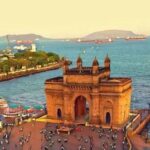
At Gateway of India, you’ll learn it was erected to commemorate the landing of King George V and Queen Mary at Apollo Bunder in 1911, and it was built in Indo-Saracenic style. Even if you’re not a hardcore architecture person, knowing what it was built to mark helps you read the structure beyond its silhouette.
Next is the Rajabai Clock Tower, designed by Sir George Gilbert Scott in 1878 and financed by the founder of the Bombay Stock Exchange. It’s tall, historic, and tied directly to the University of Mumbai premises, so it’s more than a random photo stop.
The ending is Chhatrapati Shivaji Maharaj Terminus (also called CSMT or CST). This former railway landmark was renamed in 1996, and the tour frames it as one of the city’s most expensive structures. Seeing it as a railway centerpiece is important because it closes the loop: Mumbai’s identity here isn’t only cultural. It’s also built on movement and transport.
One extra stop in the middle of this big-sight cluster relates to the Bombay High Court, established on August 14, 1862. The tour highlights that the court began with seven judges under the Indian High Courts Act, 1861. That sort of detail turns a quick landmark stop into something you can remember for the right reasons.




Price and Value: What $69.99 Buys You (and What It Doesn’t)
At $69.99 per person for an approximately 5-hour private tour, the value comes from how many costs are rolled in and how direct the logistics are.
Here’s what you get that usually costs extra on your own:
- Bottled water plus coffee and/or tea
- Air-conditioned vehicle and private transportation
- All fees and taxes
- Admission where it applies (for example, the Gandhi museum)
You also get the big-ticket experience element: a local train ride with your guide plus a structured route that covers major sights, from Churchgate to CSMT.
What isn’t included is lunch. That matters because you’re busy for much of the day. If you’re prone to getting hungry, plan to eat before you start, or budget for a meal after the tour. I’d rather you show up ready than spend your attention hunting for food at the wrong time.
Also note: pickup is from select Mumbai hotels, and the tour is near public transportation. If your lodging isn’t on the pickup list, you’ll want to confirm where the meeting point lands for your route.
The Real-Day Experience: Pace, Comfort, and How to Prepare
The schedule is built in short stops: many are around 10–15 minutes, with longer time for Mani Bhavan. That format is good when you have limited time and want to hit a lot of classic Mumbai scenes without losing the thread.
Because it’s private, the tour can feel less like a production line and more like a guided walk with frequent shifts in environment: station to open-air laundry, then museum, then gardens, then coastal views, then major architecture.
For your comfort:
- Wear comfortable shoes. You’ll be moving between stops and standing for short viewing moments.
- Bring a hat or sunglasses if it’s sunny.
- Keep water nearby; you’ll have bottled water, but Mumbai heat can still surprise you.
- If you care about photos, remember that working areas like Dhobi Ghat are active, so be respectful with timing.
One more small perk: the tour uses a mobile ticket, which reduces the hassle of printing or keeping track of paper confirmations.
Who This Tour Is For (and Who Might Prefer Something Else)
This is a strong fit if:
- You’re a first-time visitor and want a fast, guided orientation to Mumbai’s major zones
- You like learning how cities function, not only what they look like
- You prefer a private format where you can ask questions during the train ride and at working sites
- You have one day (or a short window) and want a well-built route
You might think twice if:
- You want a slow, museum-heavy day with lots of free time
- You don’t like schedules with quick transitions between stops
- You need lunch handled for you during the tour (since lunch isn’t included)
Should You Book This Mumbai City + Dabbawala Tour?
I’d book it if you want Mumbai with context, not just highlights. The best reason is the combination of real-life systems (dabbawalas and dhobis) with big landmarks that frame Mumbai’s public face. You also get a practical advantage: your guide helps you connect the dots, and the local train ride does the heavy lifting for understanding how the city moves.
Book with confidence if you’re okay with an active 5-hour day and bringing your own lunch plan. Skip it only if you’re expecting an unhurried, leisurely sightseeing crawl.
If you’re looking for value, this one holds up because so many costs are packaged in, and the “how do I even do this?” part is handled—especially the train segment.
FAQ
How long is the tour?
The tour lasts about 5 hours.
Is this a private tour?
Yes. It’s a private sightseeing tour, and only your group participates.
What’s included in the price besides sightseeing?
You get bottled water, coffee and/or tea, an air-conditioned vehicle, all fees and taxes, and private transportation. Pickup from select Mumbai hotels is also included.
Is lunch included?
No, lunch is not included.
Where is the train ride during the tour?
The tour includes a local train ride associated with Churchgate Railway Station.
Which museum stop has an admission ticket included?
Mani Bhavan Gandhi Museum includes an admission ticket.
Are there any stops that are free?
Yes. Dhobi Ghat, Hanging Gardens, Kamala Nehru Park, Marine Drive, Gateway of India, Rajabai Clock Tower, and Chhatrapati Shivaji Maharaj Terminus are listed as free to visit as part of the tour.
Does the tour use a mobile ticket?
Yes, the tour offers a mobile ticket.
Can I get pickup from my hotel?
Pickup is offered from select Mumbai hotels. If not, the tour is near public transportation.
Are service animals allowed, and what about cancellations?
Service animals are allowed. You can cancel for a full refund up to 24 hours before the experience starts.