REVIEW · JODHPUR
Bishnoi Village Safari Private Half Day Tour
Book on GetYourGuide →Operated by Balaji Forex Tours And Travels · Bookable on GetYourGuide
Desert animals meet village life on this fast-moving Bishnoi village safari from Jodhpur. The best part is the mix: you start with wildlife viewing, then you shift into real-world rural crafts and daily routines across Guda Bishnoiyan, Kakani, and Salawas. I like how the tour keeps it hands-on, from watching artisans at work to chatting with Bishnoi families. I also like the guide component when it clicks; for example, I’ve seen guides like Om, who has family roots in the village, explain what you’re actually seeing. The one drawback to plan for is that the tour can feel short and a bit jeep-heavy, with some stops more like quick look-ins than a proper walk or deeper cultural lesson.
You’ll ride out from Jodhpur, spend about 3 hours total, and cover multiple village themes in one go—wildlife scenario, block printing, pottery, and carpet weaving. The tour is marketed as private and guided in English, but your experience will depend on how your guide paces the stops and how much time you get at each place. If your expectation is a slow, village-to-village cultural immersion, you might feel a little rushed.
In This Review
- Key Things I’d Focus on Before You Go
- Bishnoi Village Safari from Jodhpur: what 3 hours really means
- Guda Bishnoiyan: the wildlife scenario plus Bishnoi family time
- Kakani (Block Printers Village): where hands-on craft meets storytelling
- The Potter’s Village: making things with your eyes, not just your camera
- Salawas and interlock carpet weaving: the work behind the patterns
- Private Jeep pacing and the English guide: when it shines, when it drags
- Price and value: is $20 per person a fair deal?
- Who this Bishnoi Safari suits best (and who should skip it)
- What to bring: your comfort kit for hot, dusty village time
- Should you book the Bishnoi Village Safari Private Half Day Tour?
- FAQ
- How long is the Bishnoi Village Safari private half day tour?
- Is pickup and drop-off from Jodhpur included?
- Which villages and craft stops are included?
- Is there an English-speaking guide?
- Are entrance fees and food included?
- What should I bring for the tour?
- Is the tour suitable for people with mobility impairments or wheelchair users?
Key Things I’d Focus on Before You Go
- Wildlife chances near Guda Bishnoiyan: you might see desert animals, including blackbucks.
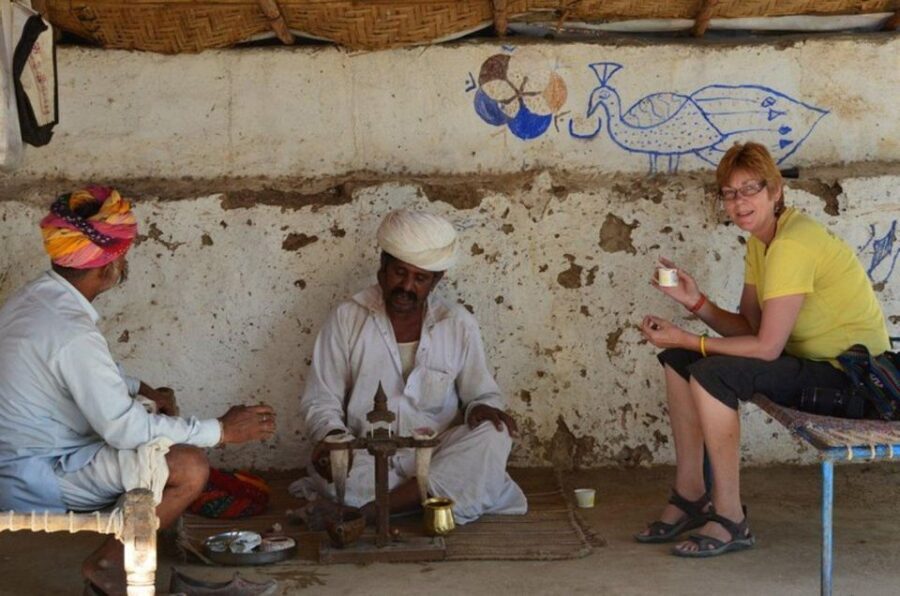
- Village interaction, not just photos: talking with Bishnoi families is the point, when time allows.
- Craft stops with working demonstrations: block printing, pottery, and interlock carpet weaving are the core themes.
- English guide quality can make or break it: some guides are strong explainers; others may feel more like drivers.
- Expect jeep time: parts of the route are spent moving, so wear comfy shoes and bring sun protection.
Bishnoi Village Safari from Jodhpur: what 3 hours really means
A half-day tour sounds like it should be relaxed. This one is more like a sprint with stops. You’ll get pickup from your Jodhpur hotel and head out by private Jeep, with an English-speaking guide along for the ride.
Practically, that timing shapes everything. You’re not going to sit for a long meal at every stop, and you’re not going to wander for an hour in one village. Instead, the tour is built around quick access to several experiences: wildlife viewing, then craft villages, then a return drop-off to Jodhpur.
It also explains why experiences can vary. If your guide is chatty and organized, you get more context for each place. If pacing is tight, you may spend more time in the Jeep than you hoped, and the cultural layer can feel thin. With the right guide, the trip still feels worth it because the locations are the kind you can’t easily reach on your own.
You can also read our reviews of more private tours in Jodhpur


Guda Bishnoiyan: the wildlife scenario plus Bishnoi family time

Your day starts at Guda Bishnoiyan, the Bishnoi village stop where wildlife sightings are part of the draw. The idea is simple: get out into the area, watch animals moving through the surroundings, then step into conversations with Bishnoi families so you understand the human side of the landscape.
This is where I’d set your mindset. Think of it as a chance to spot desert wildlife rather than a guaranteed safari. You might see a range of animals, and at least some tours have included blackbucks. When the animals are out and you’re in the right spot, it’s genuinely memorable—because it’s not a zoo moment. It’s the feeling that nature is part of local life.
The other half is the interaction. You’re meant to connect with village residents and learn about living conditions and day-to-day routines. One caution from real-world experiences: not every stop is equally deep. If you get only a brief look at someone’s home area, the visit may feel more like a fast photo opportunity than a thoughtful cultural exchange. On the flip side, when the guide is strong and timings work, you get a clearer sense of how Bishnoi families live and why wildlife matters to them.
Kakani (Block Printers Village): where hands-on craft meets storytelling

Next comes Kakani, also described as a block printers village. This is a classic Rajasthan-style craft stop: textiles, pattern work, and the human skill behind the print.
Here’s what makes it valuable. Block printing is not just an object you buy at the end. It’s a process. You get to watch people doing handwork with fabric—often with repeatable patterns and techniques that are learned through doing. Even if you don’t buy anything, it’s a good stop because your eyes can follow the logic of the work: how the design transfers, how the tools are used, and how each step links to the final cloth.
This stop is also a good place to ask practical questions in English. If your guide explains more than the basics, you’ll learn how artisans think about design, labor, and the daily rhythm of making. If the guide is less talkative, you can still enjoy it as a working demonstration, but you’ll need to ask more yourself to get context.
The Potter’s Village: making things with your eyes, not just your camera
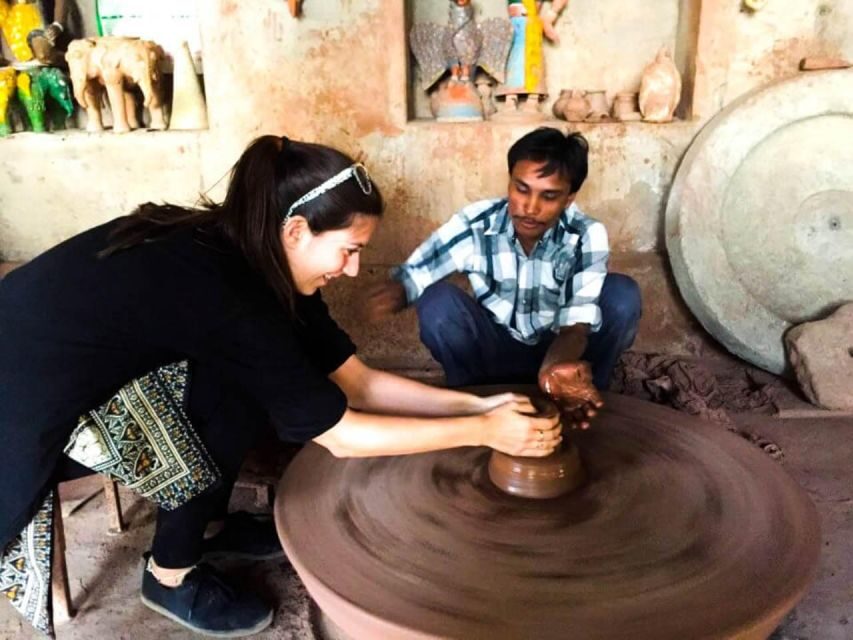
After the printing village, you shift to the potter stop. This is where you watch pottery work and often get an up-close view of the process. The most useful part of this kind of stop is observation: you see how hands shape form, how artisans work with materials, and how skill is built through repetition.
The downside is subtle. Potter village demos can get short because of timing. So if you’re the type who likes to hang back and watch the full workflow, you might wish you had longer than the half-day schedule allows.
Still, even a short demonstration can be satisfying if you lean in. Bring curiosity. Look for small cues—how they handle the material, how they correct shape, and how they manage the rhythm of work. A craft stop like this can turn a photo into a memory, because you’re not only capturing the final item. You’re witnessing the making.
Salawas and interlock carpet weaving: the work behind the patterns
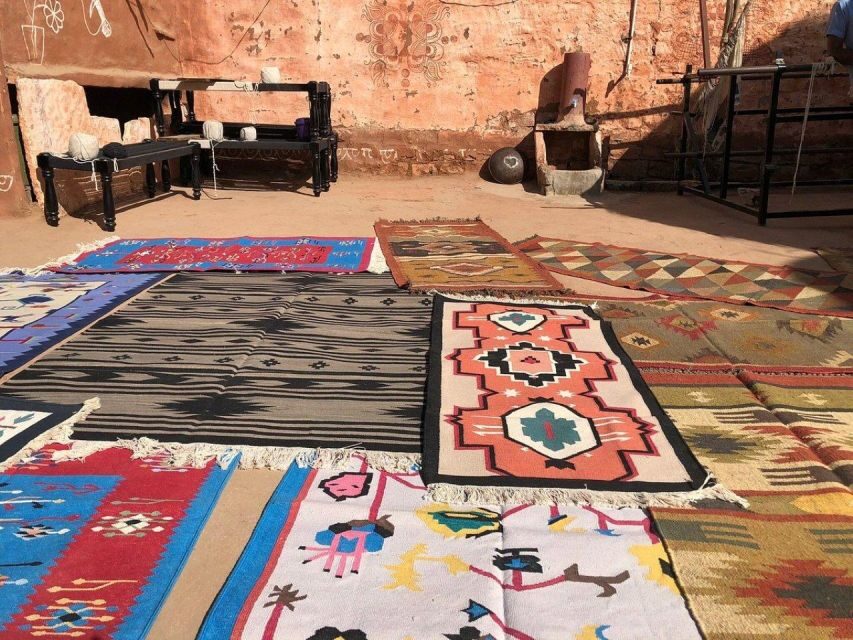
The last major theme stop is Salawas, where you can see interlock carpet weaving. Like block printing, weaving is a process you can learn from visually. You watch the structure build row by row, and you start to understand why handmade textiles take time: each movement is part of the final grid.
This stop is good for two reasons. First, it gives you a different craft texture from printing and pottery. Second, it often leads to conversation with artisans about how work fits into everyday life. The tour aims for interaction here, not just watching from a distance.
Just remember the timing reality: in a 3-hour tour, each craft stop is a chapter, not a whole book. You’ll likely move on while your attention is still engaged. If you want deeper craft learning, treat this as a taste—then plan a longer visit on a separate day if you fall in love with what you see.
A few more Jodhpur tours and experiences worth a look


Private Jeep pacing and the English guide: when it shines, when it drags
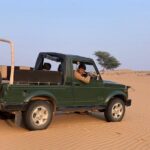
This safari is private, using a Jeep transport, and it includes an English live guide. That setup is great when you want flexibility and conversation without the pressure of a big group.
Where it can wobble is pacing. Some experiences can feel like the guide plays more of a driver role—friendly, but not offering much cultural detail. In that scenario, you still get the locations and the general activities, but the story behind Bishnoi life and the meaning of the stops can get thin.
I’d also flag the potential mismatch between expectations and what’s actually shown on the day. On one instance, a group felt the experience was more limited than the advertised set of village stops, with a stop feeling like a yard or private area rather than a full village walk. Another key factor is how comfortable you feel with personal demonstrations. Some tours can include ceremonial moments; for example, one experience included a farmer demonstration connected to an opium ceremony. That can be fascinating for some people and unsettling for others. Your comfort level matters.
The good news? When the guide is excellent, the value jumps. One guide named Om stood out for being knowledgeable, friendly, and rooted in the village through generations. In that kind of tour, you don’t just see stops—you get meaning. And in at least one case, his family cooked a standout meal at their home, which turns the trip from a quick tour into a human story.
Price and value: is $20 per person a fair deal?
At $20 per person for about 3 hours, this is priced for a quick, high-access experience. The inclusion list helps: pickup and drop-off in Jodhpur, taxes and handling charges, fuel surcharge, and private Jeep transport are part of the offer.
Where you should think carefully is what’s not included. Entrance fees are not included. Also, food and drinks aren’t included unless specified. In other words, you’re paying for transport plus guide plus the visit access, not a full cultural package with meals.
So the value equation is simple:
- If you get solid English guidance and enough time to talk with villagers, you’ll feel you got your money’s worth quickly.
- If your stops feel rushed, or you spend too much time in the Jeep without added context, $20 can feel like a seat purchase rather than an experience.
My advice: treat it like a short sampler. It’s a good buy when you want a taste of Bishnoi village life and craft work without spending a full day on logistics. It’s less ideal if you want a slow, deeply guided cultural day with lots of walking and extended conversation.
Who this Bishnoi Safari suits best (and who should skip it)
This tour fits best if you:
- want a short, structured village route from Jodhpur
- like wildlife moments but understand they’re not guaranteed like a ticketed zoo experience
- enjoy craft watching—block printing, pottery, and carpet weaving
- are comfortable asking questions and talking with locals
It’s not for everyone. It isn’t suitable for pregnant women or for people with mobility impairments or wheelchair users, based on the tour’s suitability guidance. Also, pets are not allowed.
If you’re traveling with limited mobility, you’ll likely struggle with getting in and out of the Jeep and the uneven village conditions. For your comfort and safety, skip it and look for a more accessible alternative.
What to bring: your comfort kit for hot, dusty village time
Plan as if it will be sunny and walking might happen unexpectedly. Bring:
- comfortable shoes (no cute sandals here)
- sunglasses
- a sun hat
- sunscreen
Also, keep a small water plan in mind since food and drinks aren’t included unless stated. Even if you don’t buy anything, you’ll move between places, and you don’t want to get dehydrated halfway through the crafts.
Should you book the Bishnoi Village Safari Private Half Day Tour?
Book it if you want a high-access half-day with a real village route and craft stops you can see in action. The strongest reason to choose it is the pairing of wildlife chances with hands-on culture—especially if you end up with a guide who explains well. Names like Om come up for a reason: when the guide is rooted locally and speaks clearly, the tour becomes more than a checklist.
Skip or reconsider if you need lots of walking time, deep cultural lessons at every stop, or a guaranteed, structured village walkthrough. If you’re easily stressed by quick stops, jeep-heavy pacing, or ceremonial demos that might not match your comfort level, this may feel like a mismatch.
If your goal is a compact, affordable taste of Bishnoi village life from Jodhpur, this is a solid option—just go in with realistic timing expectations.
FAQ
How long is the Bishnoi Village Safari private half day tour?
The tour lasts about 3 hours.
Is pickup and drop-off from Jodhpur included?
Yes. Pickup from your Jodhpur hotel is included, and there is drop-off back in Jodhpur.
Which villages and craft stops are included?
You’ll visit Guda Bishnoiyan, Kakani (block printers village), the potter’s village, and Salawas (including interlock carpet weaving).
Is there an English-speaking guide?
Yes. A live tour guide in English is included.
Are entrance fees and food included?
Entrance fees are not included, and food and drinks are not included unless specified.
What should I bring for the tour?
Bring comfortable shoes, sunglasses, a sun hat, and sunscreen.
Is the tour suitable for people with mobility impairments or wheelchair users?
No. It is not suitable for wheelchair users or people with mobility impairments, and it is also not suitable for pregnant women.
If you tell me your travel dates and whether you prefer wildlife-first or craft-first, I can suggest how to time this day in Jodhpur so it fits your pace.