REVIEW · VARANASI
Guided Walking Tour of Ghats and Galis of Varanasi
Book on GetYourGuide →Operated by Shwetank Rao Tripathi · Bookable on GetYourGuide
Walking Varanasi feels like turning pages. What makes this tour work is the street-by-street pace with Shwetank Rao Tripathi (or Monu) leading you through real lanes, not just viewpoints. I particularly love the way you get your bearings fast in the old neighborhood, and I also like the stop pattern that connects daily life (markets and old shops) to the city’s religious core. One drawback to consider: the ending at Manikarnika Ghat is a working cremation ground, so it can feel intense even with a respectful guide.
This is a practical 2-hour loop that starts in the afternoon and finishes back where you began. You’ll pass markets, narrow lanes, and major ghats, with a complimentary chai break included. If you’re looking for a quiet, sanitized Varanasi, this isn’t it. You’re walking where people actually live and worship.
In This Review
- Key Things I’d Prioritize on This Tour
- Price and What You’re Really Paying For
- Starting Outside Hotel Ganges Grand Godowlia: The Easy Setup
- Godowlia Bansphatak Market: Where the Tour Finds Its Rhythm
- The 100-Year-Old Flower Market: More Than a Pretty Stop
- Old Kachori Gali: Snack Culture in an Old House Street
- Thatheri Bazaar: Craft and Commerce Under the Same Roofline
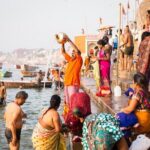
- Panchganga Ghat: Learning the Meaning of a Ghat Before You Reach the Intense One
- Manikarnika Ghat: A Working Cremation Ground, Seen with Respect
- The Chai-and-Chat Moment: Why the Guide Matters Here
- Group Tour Timing: Afternoon Is a Good Choice
- Who This Walk Suits Best (And Who Might Skip It)
- Tips to Make the Most of Your 2-Hour Walk
- Should You Book This Guided Walking Tour?
- FAQ
- Where does the tour start?
- What time does the tour run?
- Is it a private tour or a group tour?
- Where does the tour end?
- What places are visited during the walk?
- Is chai included?
- What language is the tour guide using?
- Is the tour suitable for wheelchair users?
- Is there a chance to see cremation at the final stop?
- Can I reserve now and pay later?
- What is the cancellation policy?
Key Things I’d Prioritize on This Tour
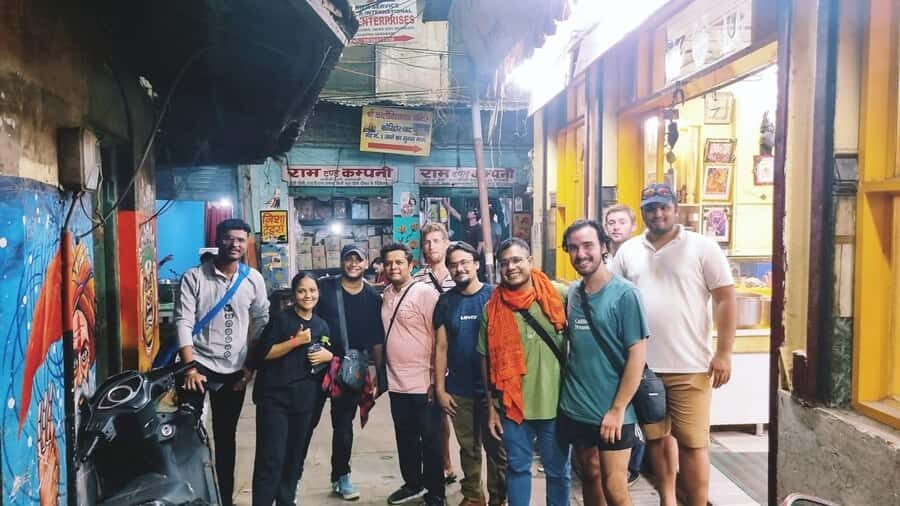
- Meet Shwetank or Monu and follow their line through the old streets
- Flower Market stop (about 100 years old) with everyday local commerce in full view
- Old Kachori Gali and a pass by the Blue Lassi Shop for classic Varanasi snack culture
- Thatheri Bazaar to see another side of the market network beyond the main ghats
- Panchganga Ghat to Manikarnika Ghat for the spiritual significance of the ghats and how the city functions around them
- Complimentary chai plus time to ask questions about what you’re seeing
Price and What You’re Really Paying For
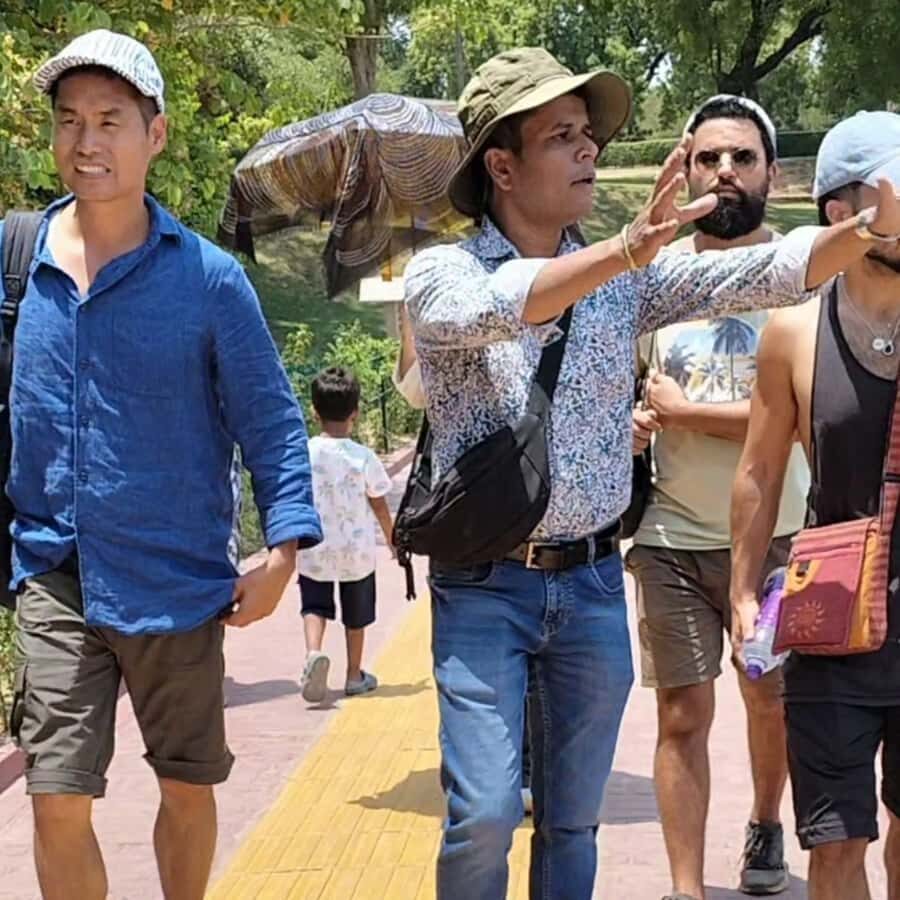
This tour costs $15 per person, and the value comes from what’s included, not from where you end up. You get a licensed guide for a focused window (around 2:30 PM to 4:30 PM), plus multiple specific stops along the ghats and in the old shopping lanes.
A walking tour at this price works best when you want interpretation: why these streets exist, what the ghats mean, and what everyday commerce has to do with the city’s religious rhythm. If you’re the type of traveler who likes to know the names of places and the reasons behind them, the $15 feels fair quickly. If you mostly want photos and minimal talking, you might find the guided context adds more value than you need.
You can also read our reviews of more walking tours in Varanasi


Starting Outside Hotel Ganges Grand Godowlia: The Easy Setup
Your tour begins at 2:30 PM outside Hotel Ganges Grand Godowlia (at the Godowlia crossing). The provider’s approach is simple: the guide meets you there, and then the group heads toward the northern part of Varanasi.
This matters because Varanasi’s old lanes can feel like a maze when you’re on your own. A local guide like Shwetank (or Monu) helps you move confidently through the neighborhood, rather than stopping every few minutes to re-check directions.
Since this is a group tour, you may not be the only set of shoes in the mix. That’s normal for walking tours here. It can slow the pace a touch, but it also keeps the experience social and less intimidating.
Godowlia Bansphatak Market: Where the Tour Finds Its Rhythm
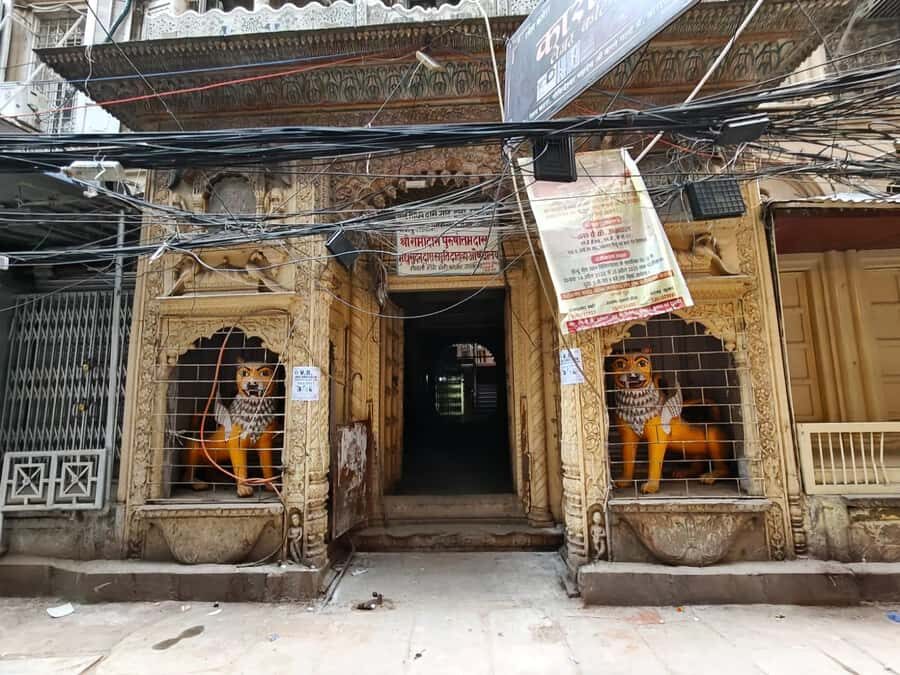
After meeting up, you’ll head past the famous Godowlia Bansphatak Market. Think of this as your warm-up zone: you’re seeing the movement and texture of old-city commerce before you start hitting the more distinct market clusters and the ghats.
I like this part because it frames the rest of the walk. You’re not wandering randomly. You’re getting oriented to how people flow between lanes, bazaars, and the water’s edge.
Practical note: expect narrow passages and a fair bit of walking. Comfortable shoes are a must, especially if you’ll be on your feet most of the day in Varanasi anyway.
The 100-Year-Old Flower Market: More Than a Pretty Stop
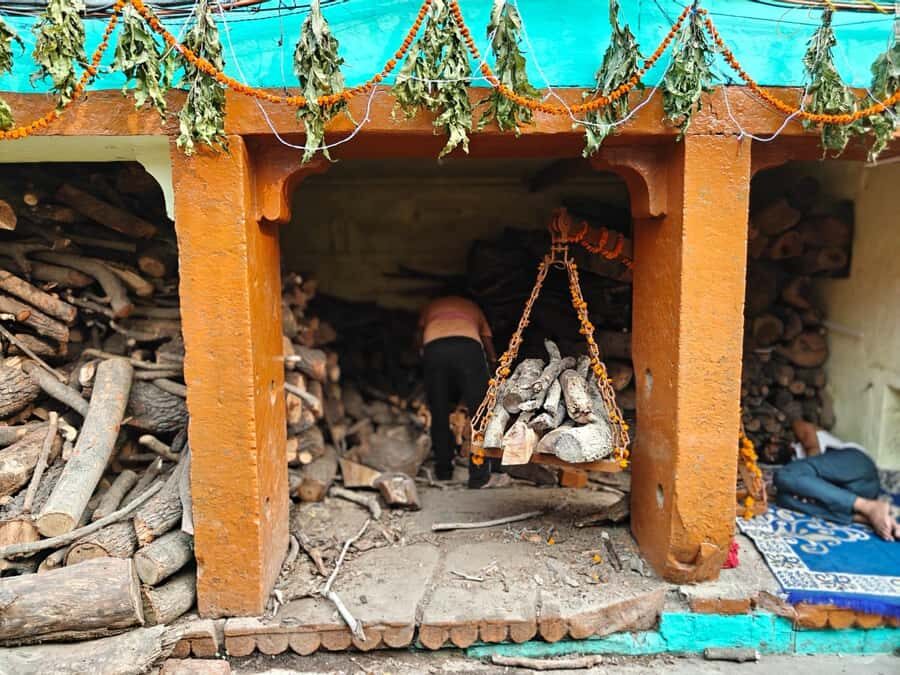
One of the highlights is a flower market that’s said to be around 100 years old. You’ll see typical offerings like marigold and other flowers used in daily religious life.
This stop is valuable because flowers are a bridge between the everyday and the spiritual. Even if you don’t plan to buy anything, watching what people pick, carry, and discuss tells you how the city keeps its traditions alive in real time.
You’ll also get a chance to slow down and look, rather than rushing straight to the ghats. It’s one of those places where your guide’s explanations help you notice details you might otherwise miss.
Old Kachori Gali: Snack Culture in an Old House Street
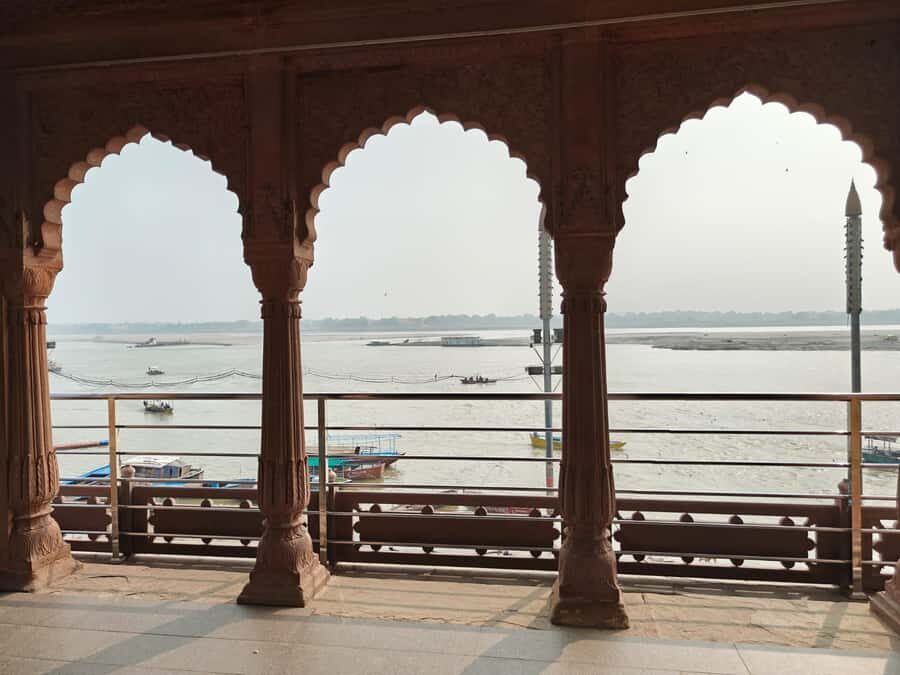
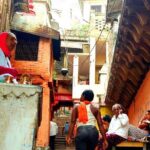
Next you’ll visit the Old Kachori Gali. The name is the clue: this is a lane known for food culture, but it’s also an area with old houses and shops that make the street feel lived-in, not staged.
As you walk, you’ll pass by the Blue Lassi Shop. Even if you don’t stop for a drink, it’s an easy visual anchor. You start recognizing the landmarks locals use to orient themselves—exactly the kind of thing a good guide points out.
This is the part of the tour where I find the most “real Varanasi” energy. It’s not only temples and ceremony. It’s routine life: shopfronts, customers, and the steady hum of a neighborhood that never completely stops.
You can also read our reviews of more guided tours in Varanasi


Thatheri Bazaar: Craft and Commerce Under the Same Roofline
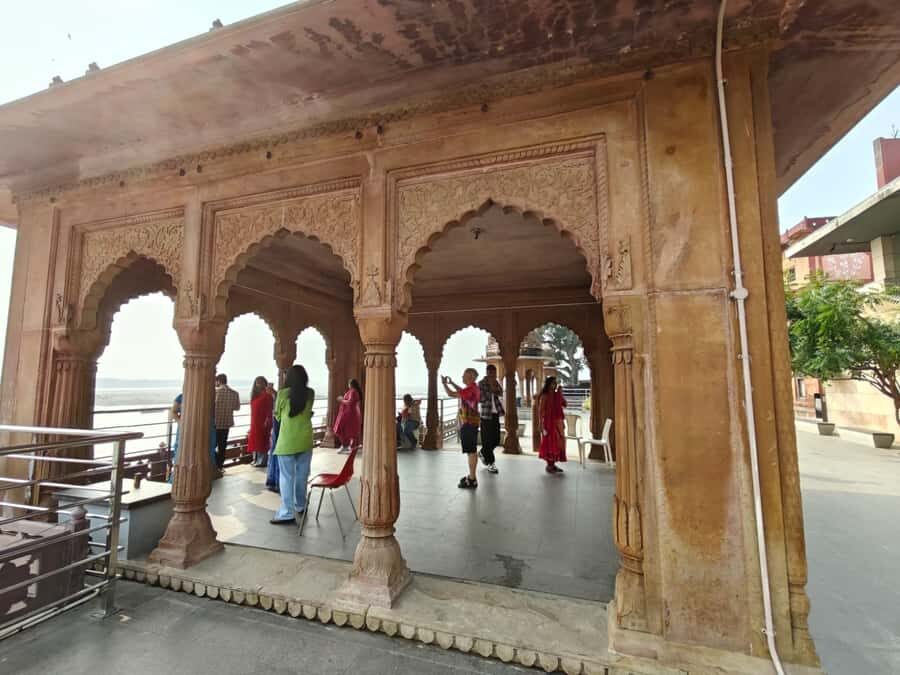
After the food lane, you’ll move to Thatheri Bazaar. This area shifts the focus again—from snack culture to the broader market network that keeps the city running.
What I like here is the variety. Your walk isn’t a one-note march from one ghat to the next. Thatheri Bazaar gives you a sense that Varanasi is not just a religious destination. It’s also a working city with layers of trade and craft.
If your interest includes how artisans and shopkeepers fit into the broader urban story, this stop lands well. Even without deep shopping, you’ll understand more about why the ghats have constant foot traffic.
Panchganga Ghat: Learning the Meaning of a Ghat Before You Reach the Intense One
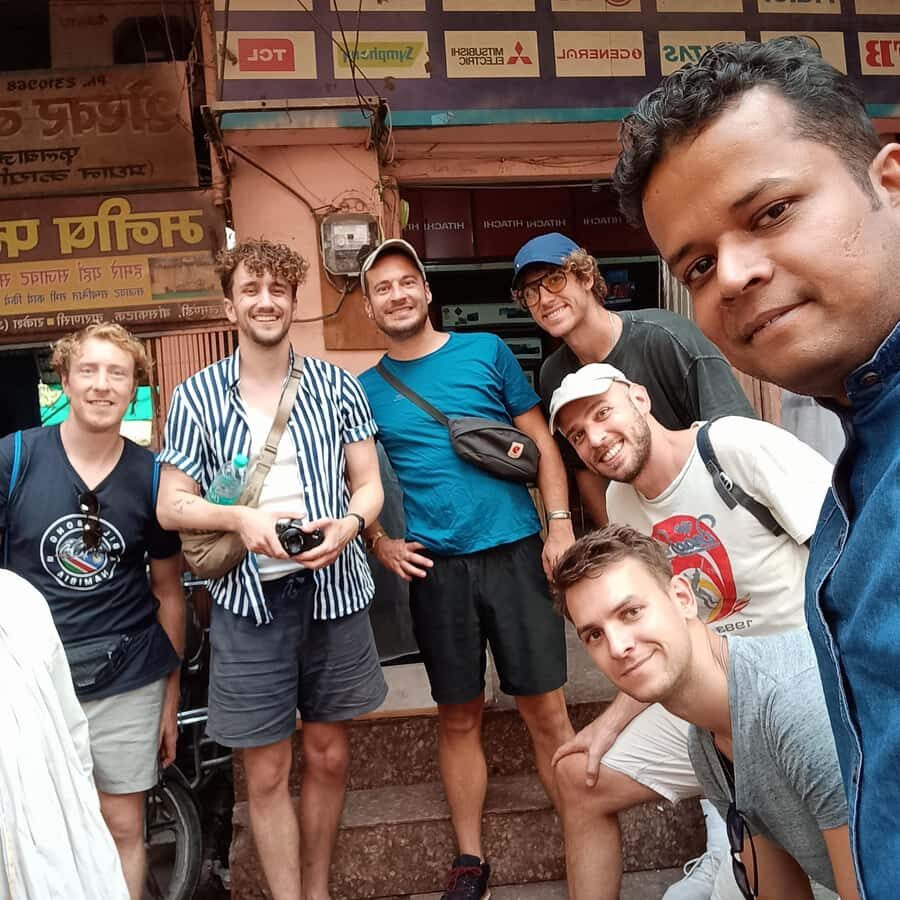
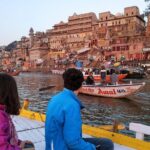
You’ll then visit Panchganga Ghat, a key stepping stone before the tour’s final area.
This is one of the smartest parts of the route. Panchganga Ghat sets context. It gives your brain a chance to connect what you’ve seen in markets and lanes to the larger religious system centered on the water.
I also think it’s a good emotional pacing tool. By the time you reach the last stop, you’ve already heard the guide’s explanations about culture and religious significance, which makes what comes next easier to process with care.
Manikarnika Ghat: A Working Cremation Ground, Seen with Respect
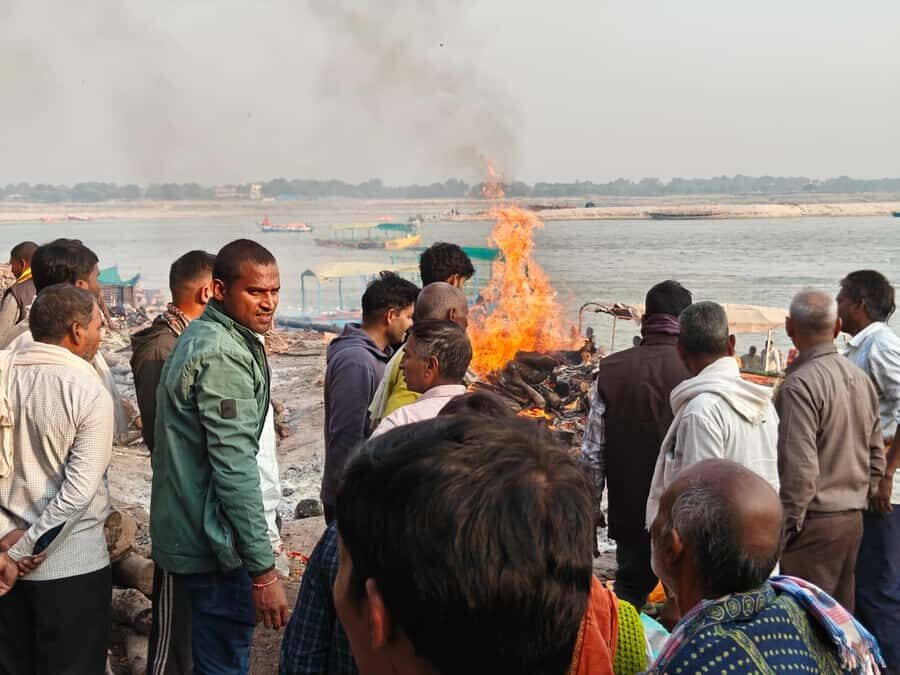
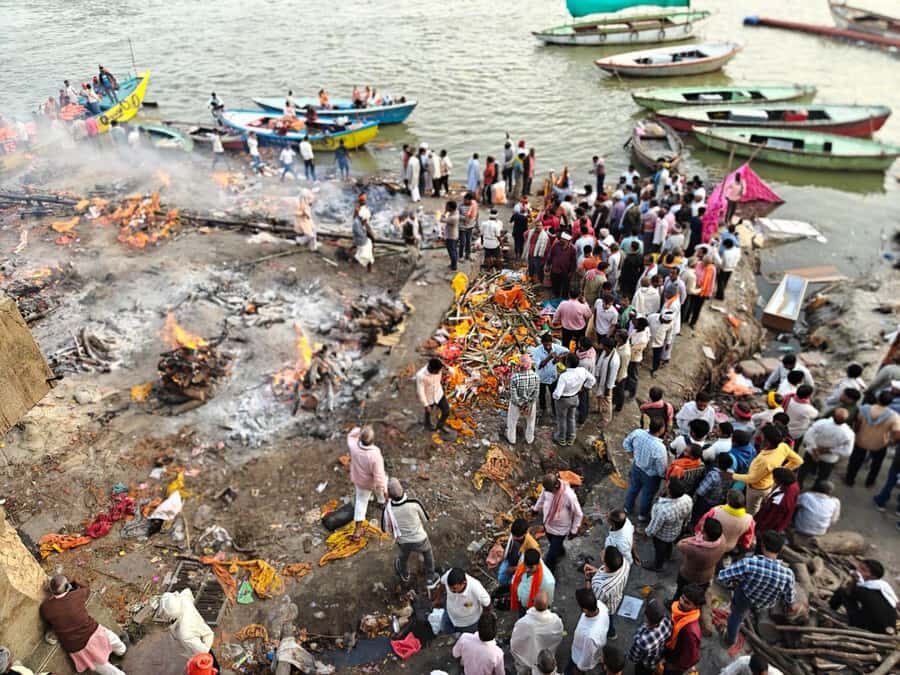
The tour ends at Manikarnika Ghat, described as the famous cremation ground where bodies are burnt 24 hours a day. The experience includes the opportunity to see the cremation process if applicable.
Let me be clear: this is the part of the tour that requires the most sensitivity. You’re walking into a place where death is handled as part of the city’s ongoing cycle, not as a distant concept. Even if you’ve read about cremations before, being there with a guide who can explain the religious meaning helps you keep your footing—emotionally and practically.
A good guide also helps you understand what is appropriate to watch and how to behave. You should go in with a mindset of respect, not spectacle. If you’re someone who gets overwhelmed quickly by intense scenes, you may want to think about whether you want this stop on your itinerary.
The Chai-and-Chat Moment: Why the Guide Matters Here
You’ll receive a complimentary chai during the walk. This isn’t just a perk. It’s time that turns information into understanding.
That chai break is also where you can ask your own questions in a more relaxed way. For example, you can ask what the guide sees as the key differences between a market street and a ghat street in daily life, or what locals think visitors should understand before they look around.
A guide like Shwetank, a local with the kind of street knowledge that makes turns and alley connections feel obvious, changes the entire tone of the tour. Instead of feeling lost, you feel guided. And instead of random sights, you get meaning.
Group Tour Timing: Afternoon Is a Good Choice
The start time—2:30 PM—means you’re walking through the city while the streets are active but before the evening hours fully take over.
You should plan for a finish around 4:30 PM, and the tour ends back at the meeting point outside Hotel Ganges Grand Godowlia. That makes it easier to slot into the rest of your day without needing complicated transportation planning.
Also: if you’re prone to running late, factor in traffic. The meeting point instructions note that the guide may wait if you’re late due to traffic or other guests joining, but don’t assume a long wait.
Who This Walk Suits Best (And Who Might Skip It)
This guided walk is a strong fit if you want:
- a fast way to get your bearings in Varanasi’s old lanes
- a practical route connecting markets, bazaars, and major ghats
- English explanations from a local guide who knows the streets by name
- the chance to stop for a simple, included comfort break like chai
It’s less ideal if:
- you have mobility limitations, since it’s not suitable for people with mobility impairments and not suitable for wheelchair users
- you’re not comfortable with the final stop being a working cremation ground
If you’re visiting Varanasi for the first time and you want something more meaningful than a checklist, this works well right near the beginning of your stay. It gives you context for the rest of the city.
Tips to Make the Most of Your 2-Hour Walk
These are small choices that improve the experience:
- Wear shoes you can walk in comfortably on uneven, narrow lanes.
- Bring patience for group pacing. The tour is short, so everyone’s step matters.
- Ask questions during the chai time. Don’t wait until you’re at the ghats when emotions run high.
- If you feel unsure about Manikarnika Ghat, tell your guide. A respectful guide can help you choose what to focus on.
You’ll have more fun when you treat this like a guided orientation and not just a route.
Should You Book This Guided Walking Tour?
I’d book it if you want a real-feeling introduction to Varanasi: old lanes with recognizable landmarks, major ghats with cultural meaning, and a guide who can connect what you see to why it matters. The $15 price makes it an easy decision when you value interpretation, not just sightseeing.
I wouldn’t book it if you strongly prefer not to see a working cremation ground, or if walking on narrow streets is a problem for you. In those cases, you’ll likely feel stressed rather than enlightened.
If your goal is to understand the city quickly, then return later on your own with better instincts, this is one of the better ways to start.
FAQ
Where does the tour start?
It starts outside Hotel Ganges Grand Godowlia at the crossing/meeting point.
What time does the tour run?
The walk starts at 2:30 PM and finishes around 4:30 PM.
Is it a private tour or a group tour?
It’s a group tour. If you want a private tour, you can request it.
Where does the tour end?
It ends back at the meeting point outside Hotel Ganges Grand Godowlia.
What places are visited during the walk?
You’ll pass Godowlia Bansphatak Market, visit the flower market, see Old Kachori Gali (with a pass by the Blue Lassi Shop), visit Thatheri Bazaar, then Panchganga Ghat, and end at Manikarnika Ghat.
Is chai included?
Yes. There is complimentary chai included during the tour.
What language is the tour guide using?
The tour is in English.
Is the tour suitable for wheelchair users?
No. It’s not suitable for wheelchair users.
Is there a chance to see cremation at the final stop?
Yes, there is an opportunity to see the cremation process if applicable at Manikarnika Ghat, which is used 24 hours a day.
Can I reserve now and pay later?
Yes. You can reserve and pay later, with the option to book your spot and pay nothing today.
What is the cancellation policy?
Cancel up to 24 hours in advance for a full refund.