Kanheri Caves can feel like time travel. In an 8-hour day from Mumbai, you’ll step into a 2,000-year-old Buddhist university carved into the hills, then walk through the places where students studied, prayed, and meditated across many centuries. I especially like how the visit is built around a real guide-led story, not just a checklist of cave rooms.
Two things I liked a lot: first, the way the tour focuses on specific artwork and texts—sculptures, relief carvings, paintings, and inscriptions—so you can actually make sense of what you’re seeing. Second, I found the human touch standout: guides such as Pankaj and Madhu are praised for patience and for explaining the ideas behind Buddhism in a way that connects past to present. One consideration: it’s a national-park day, which means you should plan for outdoor walking and some uphill effort to reach cave areas, so wear grippy shoes and keep expectations realistic.
In This Review
- Key highlights you shouldn’t miss
- Why Kanheri Caves feel like a real campus
- The morning start: pickup and getting oriented fast
- Sanjay Gandhi National Park: where the day changes gear
- Inside the caves: sculptures, reliefs, paintings, inscriptions
- Grand Chaitya and the Stupa: where meditation becomes tangible
- Guides, care, and how the $160 pricing makes sense
- Timing, pace, and what to pack for a comfortable day
- Who this tour is best for
- Should you book Kanheri Caves with Five Senses Tours?
- FAQ
- FAQ
- What time does the Kanheri Caves tour start?
- Is pickup included for this Kanheri Caves day trip?
- How long is the tour, and how much time is spent at the caves?
- Is admission included?
- Is the tour private or shared?
- What happens if the weather is bad?
Key highlights you shouldn’t miss
- Sanjay Gandhi National Park setting: your caves visit sits inside an 87 sq km reserve, so the day feels like more than a quick stop.
- A learning campus, not just a shrine: Kanheri was a major Buddhist learning center between the 1st century BC and the 10th century AD.
- Grand Chaitya moments: you’ll visit the meditation gathering space where monks would come together.
- Stupa significance: you’ll understand why the Stupa mattered for concentration, with the idea of relics tied to great teachers.
- Guides who talk and listen: guides like Pankaj and Madhu are singled out for deep explanations and patience.
- A tour that adjusts when life happens: the operator reportedly accommodated an illness during the climb, which is a good sign for flexibility.
Why Kanheri Caves feel like a real campus
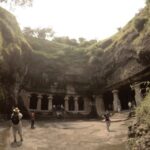
Most cave sites are about awe. Kanheri is different. It comes across as a place built for study—an actual Buddhist university where people could come to learn and keep learning for generations. The caves served as a major center for Buddhist learning from roughly the 1st century BC through the 10th century AD, which is a long stretch of history. That span matters, because it means you’re not only looking at old stones; you’re looking at evidence that ideas traveled here, then kept evolving.
What makes the experience work is the way the tour ties the art to daily life. You’re guided through sculptures, reliefs, paintings, and inscriptions, and that turns the caves from background scenery into primary material. You start to notice patterns in themes and craftsmanship and you understand why certain rooms mattered for teaching, reflection, and worship.
If you like history that’s grounded in human routines—students arriving, masters teaching, monks gathering—you’ll click with Kanheri. The place is old enough to inspire, but structured enough that a guide helps you see the logic.
You can also read our reviews of more guided tours in Mumbai


The morning start: pickup and getting oriented fast
The day starts with pickup from your hotel or even a cruise terminal, timed for an 8:00 am departure. That’s a practical plus in Mumbai, where the traffic can chew up time fast. You’re not trying to figure out transport on your own—you’re dropped into a full-day plan with a guide from the beginning.
I also like the pacing of a morning departure because it gives you space to settle into the story before you reach the caves. In the trip experience, people highlighted that conversations started during the drive, including talk about Buddhism and also about the current way of life in India. That’s not a small detail. When a guide begins explaining early, you arrive already tuned in, and the caves hit harder.
One more point: the tour is set up as a private tour/activity where only your group participates. That matters if you want to ask questions without feeling like you’re sharing air with strangers who aren’t interested. It can also make it easier to adjust when someone needs a slower pace.
Sanjay Gandhi National Park: where the day changes gear
Kanheri is located inside Sanjay Gandhi National Park, which covers 87 square kilometers. Once you’re in the park, the atmosphere changes. You trade city noise for a more enclosed, nature-based setting and you start moving at a calmer pace. That shift is part of why the tour feels like a day trip rather than a quick excursion.
The park setting also helps you appreciate what the builders achieved. These were not random carvings on the side of a hill. The caves are integrated into a working landscape—one that required logistics, maintenance, and planning across centuries. A good guide will nudge you to look at the relationship between the carvings and the space around them.
Practical note: because it’s a park visit, expect you’ll be spending time outdoors and walking between cave areas. One review specifically mentioned a hike up to the caves, and the operator helped accommodate an illness during that climb. So yes, there’s effort involved. Your best move is simple: wear comfortable footwear with grip and plan to take it slow if you need to.
Inside the caves: sculptures, reliefs, paintings, inscriptions
Once you’re at Kanheri, the tour becomes very visual very fast. You’ll spend around 5 hours exploring the caves, with the admission ticket included for that portion. The guided route spotlights sculptures, relief carvings, paintings, and inscriptions, and this is where a guide earns their keep.
Here’s how you’ll likely experience it: you’ll look at a sculpture or carving, then the guide explains what it represents and why it shows up here. Reliefs and inscriptions are especially helpful because they often give context—names, themes, and clues about patrons, teachings, or cultural influences. Even when you can’t read everything, the guide helps you connect what you see to what those artistic choices were meant to communicate.
This is also where conversation can go beyond facts. Guides such as Pankaj and Madhu were praised for explaining the significance of specific carvings and for handling questions with patience. If you’re curious about Buddhism as it developed through time, this is the kind of tour that makes your questions feel welcome instead of rushed.
Possible drawback: if you prefer minimal talking and maximum independent roaming, a structured guided approach might feel a bit tight. But if you want to understand what you’re looking at, guidance is the whole point here.
Grand Chaitya and the Stupa: where meditation becomes tangible
A big highlight is the visit to the Grand Chaitya, the kind of space where monks would gather to meditate. This isn’t just architecture you glance at; you’re guided to understand the role of a meditation hall in communal practice. When you see the layout and the symbolism tied to the place, it clicks that these caves were designed for routine spiritual life, not just display.
Next comes the Stupa, described as helping monks focus and concentrate during meditation. The tour also connects this to the idea that a relic of a great teacher from the past would usually be found inside the Stupa. Even if you don’t treat relics as literal objects in the modern sense, the concept helps you understand how belief, memory, and teaching were physically anchored in the space.
What I like about this part of the tour is the cause-and-effect feeling. You can sense how a person would move through the environment, what they would watch, where their attention would go, and why the Stupa mattered. It’s hard to get that from a guide-free visit unless you already know the traditions in detail.
If you’re the type who likes spiritual history explained in clear, non-performative language, this segment is likely to land with you.



Guides, care, and how the $160 pricing makes sense
The price is $160.00 per person for the day trip, and it’s worth thinking about what you’re actually paying for. You’re not just paying for access to caves. You’re paying for guided interpretation, transportation pickup, and an organized schedule that’s designed to get you through key areas without you worrying about logistics.
The tour is operated by Five Senses Tours, a private limited company recognized by India’s Ministry of Tourism and a member of the Indian Association of Tour Operators (IATO). That matters mostly because it signals a level of operational seriousness. The company also positions the tour around supporting local livelihoods through employment of local guides and local businesses—so some of your spend stays in the area rather than disappearing into a far-away chain.
Reviews add weight to the practical value: people talked about guides who were an encyclopedia of knowledge, had patience, and made it feel like an actual conversation rather than a lecture. One standout detail was how easily the operator changed plans to accommodate an unexpected illness during the climb. That’s the sort of care that can make the difference between a day that feels rough and one that feels manageable.
Group discounts are listed too, which can improve value if you’re traveling with others. Also, you get a mobile ticket, which cuts down on paper hassle.
Timing, pace, and what to pack for a comfortable day
This is an all-day activity (about 8 hours total), starting at 8:00 am. That means your “day bag” becomes important. You’re outside for a while, and you’ll be walking between cave areas in a park setting. Since the climb was mentioned as part of reaching the caves, don’t assume this is flat and easy.
Here’s what I recommend you bring:
- Comfortable, grippy shoes (non-slip soles help)
- A light layer (park mornings can feel cooler than Mumbai street heat)
- Water and a simple snack for breaks
- A small sun hat or cap
- Any basic meds you need for long outdoor hours
Pace-wise, you’ll likely move steadily but not at a sprint. The fact that the operator reportedly accommodated changes for illness suggests the guide will adjust when needed. Still, plan your energy for a day that includes both vehicle time and outdoor walking.
Also, the experience requires good weather. If conditions are poor, you should expect a different date or a full refund. So check the forecast before you lock in your day and try to keep your schedule flexible.
Who this tour is best for
This day trip shines for people who want guided meaning, not just photos. If you enjoy religious history, want to see how art works as a teaching tool, or simply like the idea of walking through a site that functioned like a university, you’ll likely love Kanheri.
It’s also a good fit if you care about how a local guide tells the story. The positive mentions of guides like Pankaj and Madhu point to a style that balances explanation with patience. If you’re traveling with questions—big or small—this format is built for that.
Where it might not be ideal: if you want zero walking and zero structure, the park-and-caves reality will likely frustrate you. If you have mobility limits, you should still consider the fact that most travelers can participate, but be aware that there is a climb involved.
Should you book Kanheri Caves with Five Senses Tours?
Yes—if you want a guided day that helps you understand Kanheri, not just visit it. For $160, you’re getting pickup, admission for the main cave exploration time, a private-group experience, and guides who are praised for patience and depth. The tour also shows flexibility during real-life issues, which is a sign you’re dealing with a serious operator.
Book it if:
- You’re interested in Buddhist history that connects art, space, and teaching
- You want a clear explanation of key sites like the Grand Chaitya and Stupa
- You’d rather ask questions than figure it out alone
Skip it if:
- You’re looking for a super-light stroll with no climb
- You can’t handle weather-related changes and need a guaranteed fixed schedule
FAQ
FAQ
What time does the Kanheri Caves tour start?
The tour starts at 8:00 am.
Is pickup included for this Kanheri Caves day trip?
Yes. Pickup is offered from your hotel or cruise terminal.
How long is the tour, and how much time is spent at the caves?
The total duration is about 8 hours, with around 5 hours for exploring Kanheri Caves.
Is admission included?
Yes. The admission ticket is included for the cave visit portion.
Is the tour private or shared?
This is a private tour/activity. Only your group will participate.
What happens if the weather is bad?
The experience requires good weather. If it’s canceled due to poor weather, you’ll be offered a different date or a full refund.