REVIEW · VARANASI
Guided Excursion to Buddhist Trail (Tour of Sarnath)
Book on GetYourGuide →Operated by Yo Tours · Bookable on GetYourGuide
Sarnath feels like the start of everything. This guided excursion to Sarnath in Uttar Pradesh is built around the Buddhist Trails, where the Buddha gave his first sermon after enlightenment, then ties it to the area’s wider religious layers. It’s also a practical way to see one of Buddhism’s key holy cities without getting lost or stuck in info overload.
I like the focus on the big, understandable story beats. You get a highly trained English and Hindi storyteller/guide, and the tour uses a light infotainment style so even history-phobes can follow the city’s life and how Buddhism grew here. I also like that the Sarnath Museum stop helps you translate what you’re looking at outdoors into meaning you can actually hold onto.
One thing to keep in mind: your schedule can shrink if a stop is closed on the day you go. One traveler reported the museum and park being closed, which shortened the visit, and there’s also been at least one bad pickup experience tied to a canceled tour. So I’d treat this as a great plan, not an absolute guarantee of exact timing.
In This Review
- Key highlights worth planning around
- Why Sarnath matters for Buddhism’s origin story
- How the 4-hour private tour runs (pickup, AC car, and pacing)
- Buddhist Trails walk: the place for the first sermon
- Sarnath Museum: turning ruins into meaning
- Sarang Nath at Sarnath: seeing Shiva inside the same story
- The garland moment: a hands-on way to keep the story in your head
- What to notice while you’re photographing temples and stupas
- Price and value: what $70 for up to 2 really buys you
- Who this Sarnath Buddhist Trail tour suits best
- Should you book the Buddhist Trail tour of Sarnath?
- FAQ
- How long is the Sarnath Buddhist Trails tour?
- Is this tour private, and how many people is the group for the price?
- What languages is the guide available in?
- What’s included in the price?
- Are entrance fees included?
- Is pickup included from my hotel, and is there any extra charge?
Key highlights worth planning around
- Where the first sermon happened: the Buddhist Trails connect Sarnath to the moment Buddhism took off.
- Sarnath Museum as context: you’re not just sightseeing; you’re learning what the remains mean.
- Sarang Nath brings a Shiva layer: you’ll see how different faiths share space and memory.
- Private pacing with a storyteller: English and Hindi guidance keeps the time moving in a way that doesn’t drag.
- Built-in comfort: AC car transport plus water bottle and snacks keep the 4-hour run realistic.
- Photo-friendly ruin time: you’re encouraged to capture temples, stupas, and monuments with a guide’s pointers.
Why Sarnath matters for Buddhism’s origin story
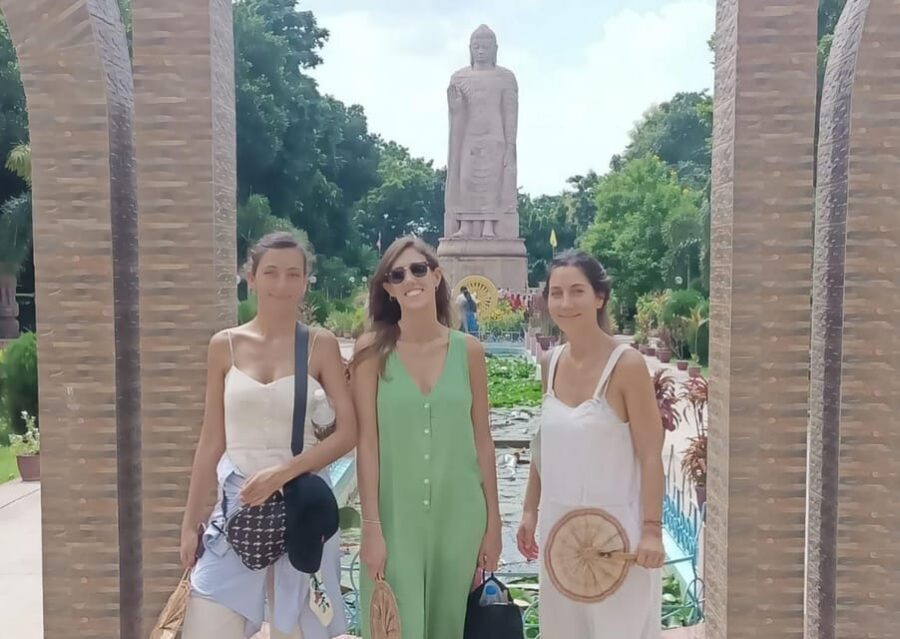
Sarnath is one of Buddhism’s four holy cities, and the tour frames it around a simple idea: if you want to understand how Buddhism began to spread, you start by understanding the place tied to the Buddha’s first sermon after enlightenment. That religious “first chapter” context matters because it changes how you look at everything around you.
Instead of treating the ruins and monuments like random antiques, the guide’s job is to give you the life of the city—what people came for, how faith shaped the built environment, and why this spot kept attracting pilgrims. You also get the “here’s what you’re seeing” rhythm, which helps if your brain normally wants a map and a timeline before it can relax.
I like that the tour doesn’t act like Buddhism exists in a vacuum. It’s rooted in place, but it’s also shown as part of a living region where beliefs overlap across time.
You can also read our reviews of more guided tours in Varanasi

How the 4-hour private tour runs (pickup, AC car, and pacing)
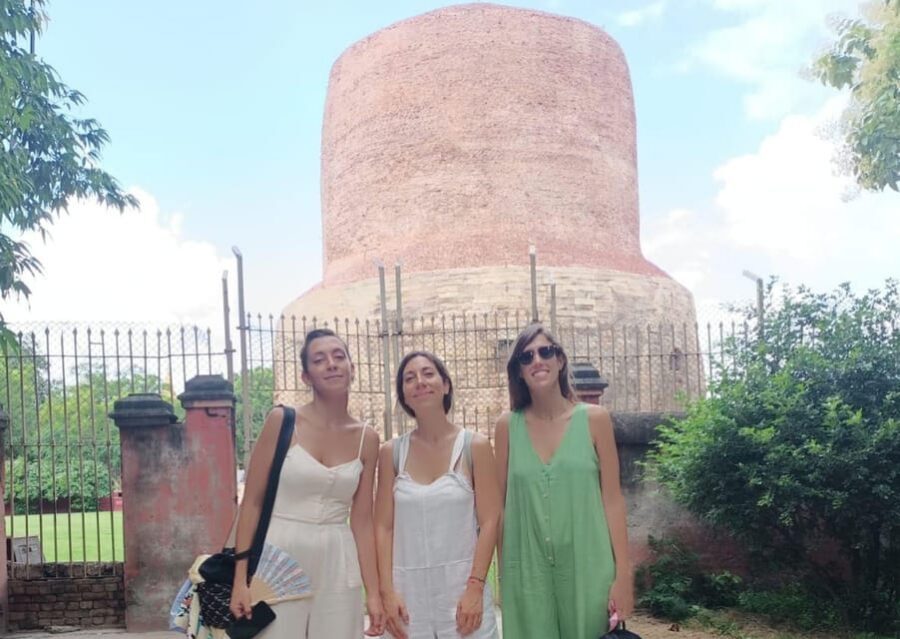
This is a private group tour with a duration of about 4 hours. The pricing is set per group up to 2, which is a nice match if you’re traveling with a partner, a friend, or even just prefer privacy over meeting random strangers.
You’ll have hotel pickup and drop-off, and you’re asked to wait in the hotel lobby about 10 minutes before pickup. Transport is by AC car, which is a big practical win in Uttar Pradesh when the heat can squeeze the enjoyment out of sightseeing. You also get a water bottle and snacks, so you’re not doing the classic holiday math of how long you can go without eating.
Your guide speaks both English and Hindi, and that bilingual setup matters. It usually makes the explanations clearer for you and smoother for anyone in your group who wants details without translation lag.
One more practical note: entrance fees to historical sites are not included. That’s not a deal-breaker, but it does mean you should expect to pay on the ground for whatever sites require tickets.
Buddhist Trails walk: the place for the first sermon
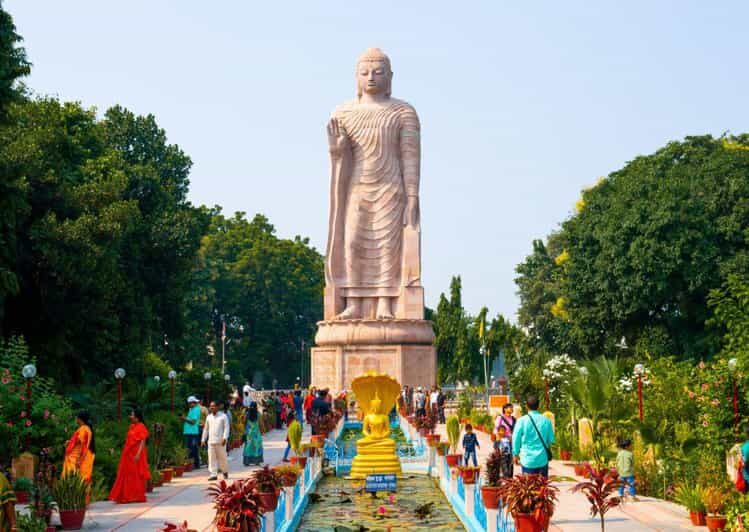
The heart of the experience is Sarnath’s Buddhist Trails, a Buddhist pilgrim spot connected to the Buddha’s first sermon after enlightenment. The tour approach is to move you through the area while connecting what you see to what it meant to the people who lived there.
As you walk, you’ll be looking at the kind of features that usually feel like background noise when you’re on your own: ancient ruins, temples, stupas, monuments, and pilgrim spots. With a guide, those same sights become evidence. You learn how the physical layout and architecture relate to practice—where people gathered, what the spaces were for, and why the site kept its importance.
This is also where the guide’s “infotainment” method earns its keep. The story pacing is designed to avoid the long lecture problem. You’re not just hearing dates. You’re getting city-life explanations: how a massive religion was born here, how the area’s identity formed, and why visitors keep showing up.
If you like photography, this section is built for it. You’ll have time to capture the look of ancient remains through your lens, with guidance on what’s worth focusing on.
Sarnath Museum: turning ruins into meaning
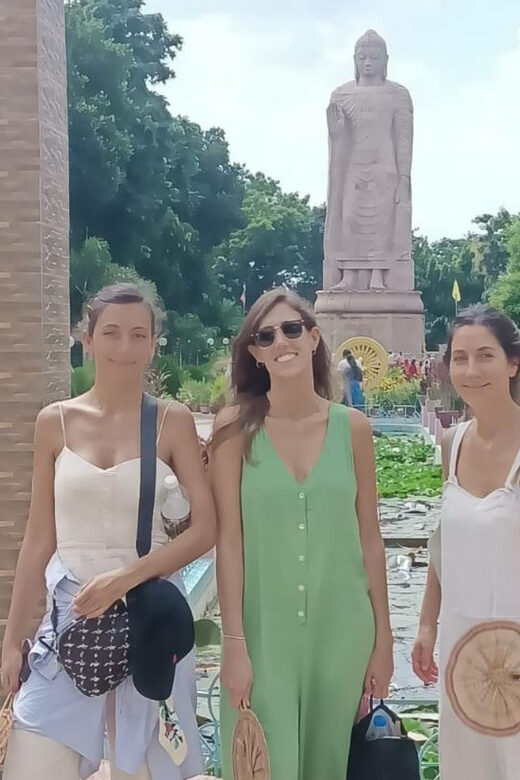
After the trails, the tour includes a visit to the Sarnath Museum. This stop is valuable because outdoor remains can feel abstract until someone translates them. A museum visit is where you get structure: what the objects are, why they matter, and how they connect to the story you’ve been walking through.
Even if you’re not a museum person, this kind of stop usually pays off on the street. You’ll start noticing patterns you might have missed before—how different periods show up, how religious practice can be read through material remains, and how the city’s significance isn’t just legend.
The museum stop also improves value in a subtle way: it makes your photos more than pretty. When you understand what an element represents, the image becomes a souvenir with context, not just proof you were somewhere.
That said, keep a realistic mindset. If the museum is closed on your day, the visit time may be shortened. In that case, you’ll still get the core trails experience, but you may lose some of the museum-based grounding.
Sarang Nath at Sarnath: seeing Shiva inside the same story
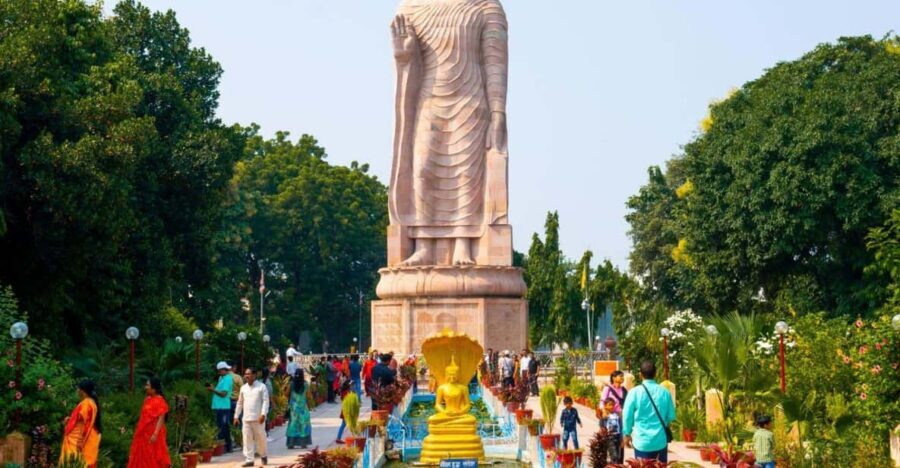
One of the highlights is visiting Sarang Nath, dedicated to the god Shiva. This matters because it shows you Sarnath as a living place rather than a sealed-off historical set.
You’ll be stepping into a setting where Buddhism is central to the pilgrimage narrative, but where Hindu devotion also takes visible form. That overlap can feel confusing at first—until the guide helps you understand how religions coexist in shared geography. Instead of treating faith like separate boxes, you see how belief systems layer onto one another.
From a traveler’s point of view, this stop also helps you avoid the “one-topic tunnel.” After Buddhist Trails and museum context, Sarang Nath gives you a different angle on how the area functions for local worship and visitors.




The garland moment: a hands-on way to keep the story in your head
There’s a distinctive part of this tour described as gathering scattered pieces of Buddhist remains and making a beautiful garland as part of the excursion on Sarnath’s Buddhist Trails.
Even if the practical details feel symbolic rather than literal history, the point is clear: the guide uses a physical activity to anchor the story. When you’re part of something small like that—watching, listening, and participating—you remember the meaning better than if you only hear a description.
This kind of moment also fits the tour’s broader style. It isn’t only about monuments and explanations. It’s about helping you connect emotionally to the place—how heritage can be treated with care, reverence, and storytelling at the same time.
What to notice while you’re photographing temples and stupas
You’ll have the chance to capture the beauty of ancient ruins, temples, stupas, monuments, and pilgrim spots. The guide’s value is in pointing out what deserves attention, because Sarnath’s surfaces can look similar at first glance.
Here’s what tends to help your photos and your understanding:
- Look for how sacred spaces are arranged for gathering, not just for decoration.
- Pay attention to worn details and broken edges; those are often the visual hints of age and change.
- Use the guide to identify what’s important to the story of Buddhism here, then frame your shot with that meaning in mind.
The tour keeps this practical. You’re not stuck rushing through “photo stops” with no time to think. It’s more like guided sightseeing with pauses that make photography and understanding work together.
Price and value: what $70 for up to 2 really buys you
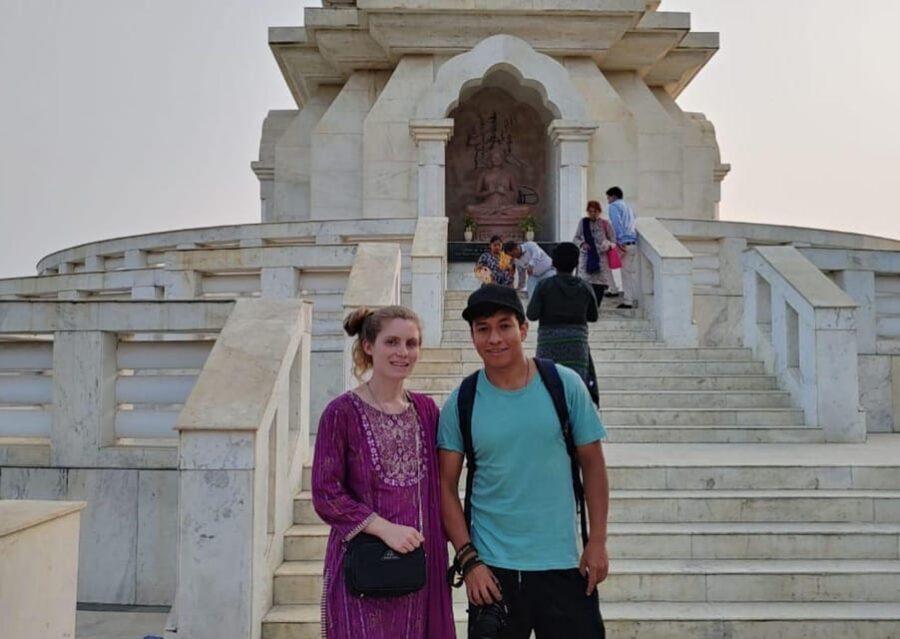
At $70 per group up to 2, this tour is priced for a short, focused private experience. If you’re used to paying per person, the group rate can feel like a bargain—especially because the tour includes more than a guide’s time.
What you get that you’d usually pay for separately:
- A highly trained English/Hindi storyteller/guide
- AC car transport to the sights
- Hotel pickup and drop-off
- Water bottle and snacks
- Local tips and conversation around religious aspect and local importance
What you should budget extra for:
- Entrance fees to historical sites are not included
- Drinks and extra food beyond the snacks and water aren’t included
- If your hotel is outside the city limits, there may be an additional charge for hotels located outside city limits (noted as 5 km)
So the real value question isn’t only the base price. It’s whether you want the convenience of pickup, AC transport, and a guided explanation in a tight 4-hour window. If you’re trying to squeeze Sarnath into a busy itinerary, paying for private guidance can save you stress and time you can’t get back.
Who this Sarnath Buddhist Trail tour suits best
This tour is a smart fit if:
- You want the origin story of Buddhism tied to actual places in Sarnath
- You prefer a guided walkthrough over self-exploring with a phone map
- You want museum context without losing half a day
- You like learning through stories, not long lectures
- You travel as a small group and want private pacing
It might be less ideal if:
- You need guaranteed, clock-perfect timing for multiple timed connections
- You’re hoping entrance fees are fully covered
- You want a deeper museum-only experience that takes more than a quick visit
Also, if you’re the type who gets frustrated when a site is closed, you’ll want a flexible mindset. On at least one occasion, the museum and park being closed reduced tour time, so build in margin in your schedule.
Should you book the Buddhist Trail tour of Sarnath?
I’d book this if you want a short, guided Sarnath experience that connects Buddhist Trails to the bigger meaning of the site, includes the Sarnath Museum for context, and adds the surprising extra layer of Sarang Nath dedicated to Shiva. The blend of walking, storytelling, and photo time makes the 4 hours feel purposeful rather than rushed.
I’d think twice if you’re traveling on a razor-thin schedule and can’t absorb a shortened visit due to closures. I’d also confirm pickup details early and have your hotel location clearly stated, since pickup problems have happened in at least one documented situation.
If you do book, the best way to get value is to treat it as a guided story of a place, not a checklist. Show up ready to listen, ask questions in English or Hindi, and focus your camera on the elements your guide tells you matter. That’s where the trip pays off.
FAQ
How long is the Sarnath Buddhist Trails tour?
The tour duration is 4 hours.
Is this tour private, and how many people is the group for the price?
It’s listed as a private group, and the price is $70 per group up to 2.
What languages is the guide available in?
The live guide speaks English and Hindi.
What’s included in the price?
Included are a trained storyteller/guide, transport by AC car, hotel pickup and drop-off, water bottle and snacks, and local tips and recommendations.
Are entrance fees included?
No. Entrance fees to historical sites are not included.
Is pickup included from my hotel, and is there any extra charge?
Pickup and drop-off are included, but hotels outside the city limits may have an additional charge noted as 5 km.