A good Mumbai intro starts with the right route. This private half-day tour strings together major landmarks and off-the-beaten-path views with a live English-speaking guide and smooth hotel/airport pickup. I love the air-conditioned private car (parking fees and bottled water are handled), and I also love that the day isn’t just monuments-on-a-map; it includes the hands-on reality of Dhobi Ghat from a viewing deck. One thing to consider: many stops are short photo stops, and some points are viewed from the car, so plan for quick glimpses rather than lingering.
The highlights feel intentional: Gandhi’s story early, Gothic architecture next, and then the seaside finish with Marine Drive and the Gateway views. I also like that your guide is built for conversation—university students with strong English and serious city knowledge, plus flexibility if you want a small food stop. The only drawback is timing: it’s 4 to 5 hours, so traffic and time at each stop can make the schedule feel a bit “snappy,” especially if you’re hoping to go inside buildings.
You’ll get a lot of Mumbai—fast, not rushed. And for the price point, the value is strongest if you want a private, guided overview without figuring out routes or chaos.
In This Review
- Key things that make this tour work
- Price and what you’re really paying for
- Meet-up comfort: pickup, car time, and how long you’ll actually be out
- Stop 1: Mani Bhavan Gandhi Museum (and why it sets the tone)
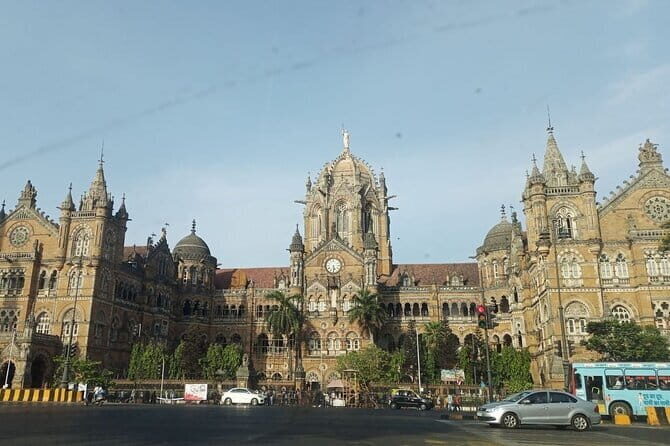
- Stop 2: Chhatrapati Shivaji Maharaj Terminus (CSMT) outside—Victorian Gothic in Mumbai
- Stop 3: Brihanmumbai Municipal Corporation building (Gothic civic power)
- Stop 4: Hanging Gardens of Malabar Hill (a quick breath of calm)
- Stop 5: Kamala Nehru Park and the Old Woman’s Shoe
- Stop 6: Marine Drive (the crescent road and the Queen’s Necklace)
- Stop 7: Malabar Hill (temples, greenery, and that sea view)
- Stop 8: Oval Maidan (cricket grounds and historic buildings)
- Stop 9: Bombay High Court Principal Bench (Gothic authority)
- Stop 10: University of Mumbai Library (colonial-era academic architecture)
- Stop 11: Byculla / Dhobi Ghat (the day’s most unforgettable stop)
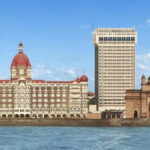
- Stop 12: The Taj Mahal Palace, Mumbai (iconic, but don’t miss the setting)
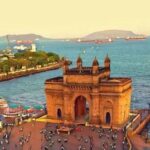
- Stop 13: Gateway of India (finish with the monument by the water)
- What the guide role really adds (from the names people recall)
- When to do it: morning, sunset, and night lighting odds
- Who this tour is best for
- Should you book this Mumbai half-day private tour?
- FAQ
- How long is the tour?
- Is pickup and drop-off included?
- Is this tour private?
- What’s included in the price?
- Are entrance fees required for the stops?
- Is food included?
- Do you get tickets on your phone?
- What is the cancellation policy?
Key things that make this tour work
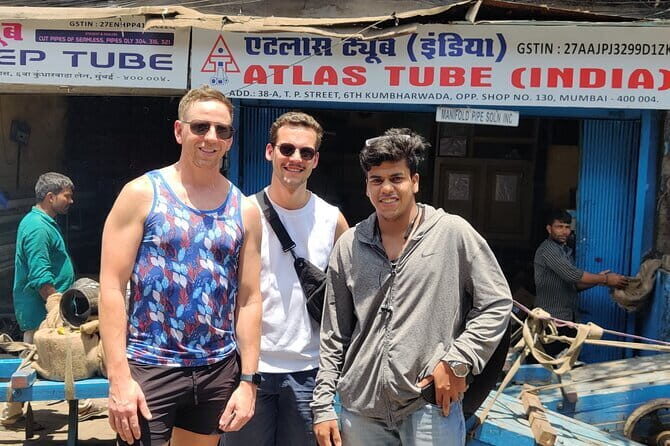
- Dhobi Ghat viewed from the deck: watch traditional hand-washing in action without getting in the way.
- Iconic Gothic landmarks in a tight loop: CSMT, the Municipal Corporation building, and the Bombay High Court.
- Malabar Hill viewpoints: quick hits at Hanging Gardens, Kamala Nehru Park, and Malabar Hill’s sea views.
- Marine Drive timing for night lighting: the Queen’s Necklace glow is part of the fun if your tour lines up.
- English-speaking university-student guides: history + street-level explanations that connect the dots.
Price and what you’re really paying for
$45.39 per person sounds low for a private half-day with an English-speaking guide, hotel/port/airport pickup, an air-conditioned vehicle, and bottled water included. The value comes from the bundle: someone handles navigation, parking, and the stop-by-stop storytelling so you’re not spending your day bouncing between taxis and maps.
This tour is also set up for small-group comfort. You can typically choose among sedans, SUVs, or mini coaches depending on your group size, which matters in Mumbai where space and road flow can get unpredictable. If you’re traveling with 2–4 people, private tours like this are often the sweet spot: you pay a bit more than a shared bus tour, but you gain control of pace and focus.
One practical note: the tour is popular enough that it averages being booked around 135 days in advance. If you’re visiting during a busy season or at a limited time window, book early so you can choose a start time that fits your sightseeing style.
You can also read our reviews of more tours and experiences in Mumbai.

Meet-up comfort: pickup, car time, and how long you’ll actually be out
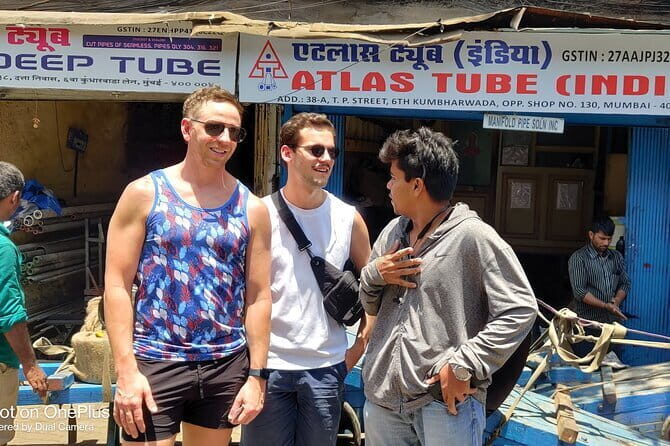
This is a private tour, meaning only your group participates. That matters because you can ask questions without competing with a larger crowd, and your guide can pace the stops to match your energy level.
The vehicle is air-conditioned, and it’s built for comfort rather than sightseeing on foot. Expect short walks, mostly photo stops, and frequent “look and learn” moments from the car. With a total duration of about 4 to 5 hours, you’re really doing a curated circuit. Think of it as a fast orientation to Mumbai’s big themes: independence history, colonial-era architecture, everyday life, and the sea-front icons.
Stop 1: Mani Bhavan Gandhi Museum (and why it sets the tone)
You begin at Mani Bhavan Gandhi Museum, where the focus is Mahatma Gandhi’s life and his role in India’s freedom movement. The time here is short—about 10 minutes—but that’s often enough to give context. Gandhi in Mumbai isn’t just a name on a plaque; it helps you understand why the city’s monuments and institutions feel tied to politics, protest, and change.
The museum admission is listed as free, which is a nice bonus. Even if you don’t read every placard, the visit gives you a backbone for the rest of the day—especially once you see the civic buildings and the older institutions later.
Quick tip: if you like photography, arrive ready with your phone/camera charged. This is one of those stops where good light and quick framing make a big difference.
Stop 2: Chhatrapati Shivaji Maharaj Terminus (CSMT) outside—Victorian Gothic in Mumbai
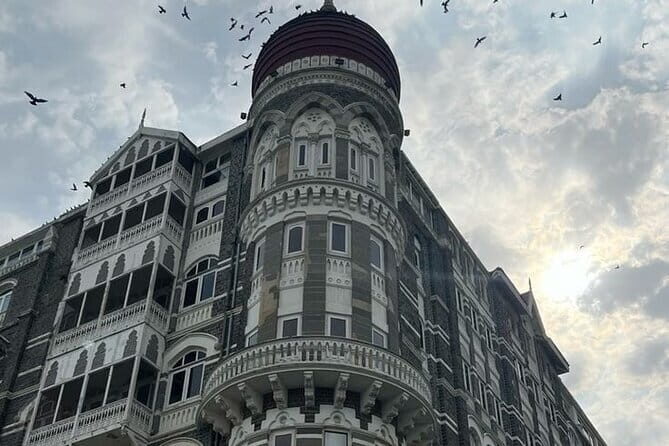
Next comes Chhatrapati Shivaji Maharaj Terminus (CSMT), a UNESCO-listed railway station famous for its stunning Victorian Gothic architecture and historic significance. Your stop is about 10 minutes, so you’re mainly admiring the exterior details and taking in the scale.
CSMT is one of those places where the building acts like a landmark and a story. It’s a reminder of how deeply Mumbai’s growth was tied to the rail network and British-era civic planning. If you’ve ever wondered why Mumbai’s architecture can look grand and “European” in places, CSMT is where that feeling becomes clear.
Practical note: railway areas can be active. Keep your time tight and stay aware of foot traffic when taking photos.
Stop 3: Brihanmumbai Municipal Corporation building (Gothic civic power)
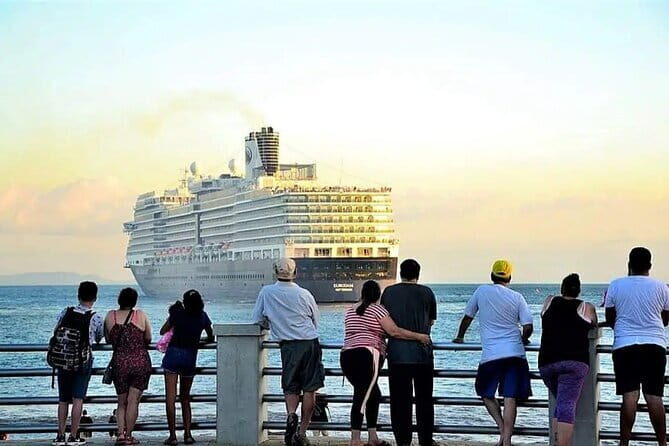
Then you see the Brihanmumbai Municipal Corporation building, the headquarters of municipal governance. It’s Gothic-style and iconic in its own way, and you’ll get roughly 10 minutes.
This stop is important because it shifts you from transportation history (CSMT) to government and city-building. Mumbai isn’t just a place to admire; it’s a living machine of rules, services, and administration. That’s what municipal buildings represent—power made visible.
If your guide points out the design choices, listen. Small details—like the structure’s symmetry and ornamentation—help you understand why Gothic architecture is so effective at “declaring importance.”




Stop 4: Hanging Gardens of Malabar Hill (a quick breath of calm)
After civic monuments, you get a pause at the Hanging Gardens on Malabar Hill. Expect about 5 minutes. This is less about deep exploring and more about the payoff: terraced greenery and, importantly, views toward the city and the Arabian Sea.
Think of it as a reset button. Mumbai can feel intense, even during the smoothest car day. A viewpoint like this gives you a mental map: you start seeing the city’s shape, not just its buildings.
Stop 5: Kamala Nehru Park and the Old Woman’s Shoe
At Kamala Nehru Park (again about 5 minutes), the famous feature is the Old Woman’s Shoe structure. Beyond the quirky photo opportunity, the real win is the panoramic perspective—Marine Drive and the skyline stretching out in front of you.
This is a short stop, but it works because it connects two later highlights. When you stand here, Marine Drive stops being a line on a screen and becomes a real, physical stretch of sea-front road.
If you’re sensitive to crowds, aim for quick shots and then step aside. These viewpoints can get busy when the timing hits evening.
Stop 6: Marine Drive (the crescent road and the Queen’s Necklace)
Now you reach Marine Drive, the crescent-shaped boulevard along the Arabian Sea. You’ll get around 10 minutes. During sunset and into the night, Marine Drive is known for its “Queen’s Necklace” lighting—bright, rhythmic, and easy to photograph from the right angle.
Even if you’re not traveling at prime lighting time, Marine Drive is still worth it. It’s one of the best places to feel Mumbai’s relationship to water: the sea isn’t a backdrop—it’s part of the city’s mood.
Quick photo advice: don’t only shoot the road. Turn slightly and capture the sea-facing side too. You’ll get the full arc, and it helps your pictures look less flat.
Stop 7: Malabar Hill (temples, greenery, and that sea view)
Your next look at Malabar Hill (about 5 minutes) keeps the theme going: upscale neighborhood feel, green spaces, historic temples, and panoramic views of the Arabian Sea and Marine Drive.
This stop matters because it adds balance. Mumbai isn’t only monuments and railways. Malabar Hill shows another side of the city—residential, sheltered, and scenic.
If your guide has time, ask a quick question about daily life here versus the areas you visited earlier. You’ll start to understand why certain architecture and city planning choices cluster in specific neighborhoods.
Stop 8: Oval Maidan (cricket grounds and historic buildings)
At Oval Maidan, you’re near the Oval Cricket Ground, surrounded by iconic Victorian and Art Deco buildings. This stop is about 5 minutes, so you’re looking at the atmosphere and the architectural edges rather than sitting for a full match.
Cricket in Mumbai isn’t a niche hobby—it’s part of the city’s social rhythm. Seeing the ground and the surrounding buildings helps explain why certain open spaces matter so much here. They become meeting points, not just sports venues.
If your timing lines up with local events, that would be a bonus. Even without that, the architecture around the ground makes it a meaningful stop.
Stop 9: Bombay High Court Principal Bench (Gothic authority)
Then comes the Bombay High Court Principal Bench, an older Gothic-style building that serves as one of India’s prominent judicial institutions. You’ll have about 10 minutes.
This stop ties together a bigger theme: civic power across different roles—city governance, courts, and the wider systems that shape daily life. The building’s presence is the point. It looks serious because it is.
If you like architecture, this is where your guide’s explanations can help. Gothic buildings often have repeating features, and once you notice them, the structure becomes easier to “read” in photos.
Stop 10: University of Mumbai Library (colonial-era academic architecture)
At University of Mumbai Library you’ll see colonial-era architecture tied to education. Time here is about 10 minutes.
This is a calmer, brainy stop compared to the court. It reminds you that Mumbai’s influence isn’t only political or commercial—it’s also educational, with long-standing institutions shaping professional life.
If you’re an architecture fan, this stop is worth paying attention to. Even when you can’t go deep inside, the exterior and setting can still show you how academic spaces were designed to project permanence.
Stop 11: Byculla / Dhobi Ghat (the day’s most unforgettable stop)
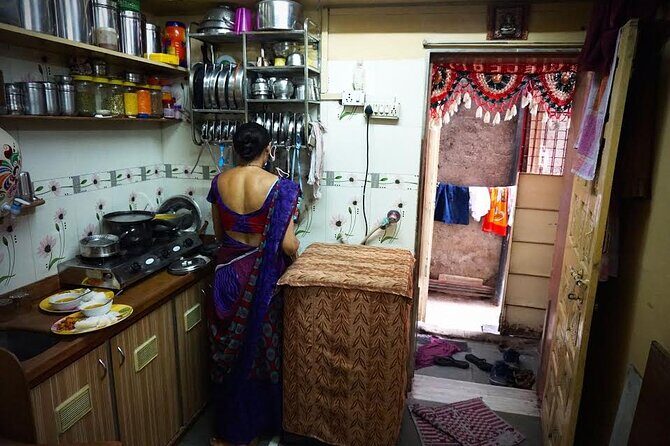
This is the big one: Byculla’s Dhobi Ghat, an open-air laundromat where thousands of clothes are washed by hand. You’ll spend about 20 minutes, and you’ll be taken to a viewing deck.
This stop is consistently the highlight because it’s real Mumbai. It’s not staged. It’s not a museum display. It’s a working process visible at human scale.
Your best approach here is respectful observation. Take pictures quickly, keep your distance, and don’t block workers. You’re there to understand the workflow and see the scale of the labor behind something most people never think about.
Based on how often guides are praised for this stop, you’ll likely get clear context: why the place exists where it does, how the hand-washing works, and how it fits into the city’s everyday supply chains. If your guide’s name is mentioned in your group—like Max, Arman, Farouk, Samarth, Armaan, Droan, or others—ask them to explain what you’re seeing in plain terms. That’s where the value shows up.
Stop 12: The Taj Mahal Palace, Mumbai (iconic, but don’t miss the setting)
Next is The Taj Mahal Palace Hotel, one of Mumbai’s most famous luxury landmarks. Your stop is about 10 minutes.
You might expect this to be all glamour and no context, but the better move is to look at it as a landmark shaped by its location. This is the seafront zone—grand architecture facing the Arabian Sea—and it visually anchors the city’s coastline identity.
Even if you’re not going inside, the exterior view works. It’s also a useful contrast point right after Dhobi Ghat: two worlds, both very Mumbai, both right near the water and its history.
Stop 13: Gateway of India (finish with the monument by the water)
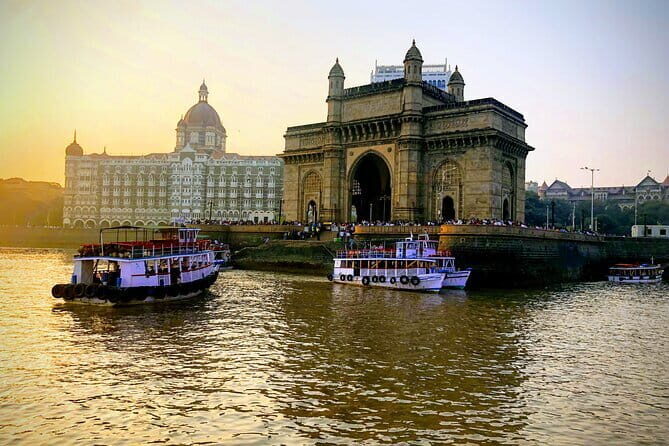
Finally, you reach the Gateway of India, built to commemorate King George V’s visit in 1911. You’ll have about 10 minutes.
The Gateway is one of those monuments you feel instantly, even if you’ve only seen photos before. The setting does a lot: sea views, wide open framing, and a sense of arrival. By the time you reach it, the day’s earlier stops make more sense—Gothic power, independence legacy, civic identity, and everyday labor all funnel into this final image of Mumbai facing the world.
Photo tip: step back to get the full structure and include the water if possible. If you can, catch the angle where the Gateway feels centered rather than off to one side.
What the guide role really adds (from the names people recall)
A good guide can make a short day feel long in the best way. This tour leans on English-speaking guides, often university students, who explain history and architecture in a way you can actually use.
In the feedback for this experience, specific guide names pop up again and again—Max, Arman, Armaan, Samarth, Farouk, Droan—along with smooth-driving partners like Ali and Kaif. The common thread is clear: the guide doesn’t just list facts. They connect why a building exists, what a neighborhood is like, and how to handle Mumbai’s traffic so you still get time to see the key spots.
That’s why the car matters too. A skilled driver keeps the day comfortable, and your guide can keep the story going rather than constantly pausing for directions.
When to do it: morning, sunset, and night lighting odds
Because the schedule is fixed around major sights, your best “when” decision is about lighting. Marine Drive and the Queen’s Necklace lighting are known for night atmosphere, so if your start time lines up near evening, you’re likely to get the payoff.
If you go earlier in the day, you’ll still get the views—just less of the glowing-road drama. Either way, Malabar Hill and Kamala Nehru Park provide a natural viewpoint rhythm that helps you pace your photos.
Dress for Mumbai’s comfort level. If it’s warm, keep breathable layers. If it’s cooler near the sea, a light layer helps.
Who this tour is best for
This fits best if you:
- Want a private half-day overview without navigating Mumbai yourself
- Like architecture, civic landmarks, and quick context from a guide
- Are curious about everyday life, especially Dhobi Ghat
- Prefer short walks and comfortable car time over long museum days
It’s also a strong option for first-time visitors. In one sitting, you get the independence-era anchor, the Gothic institutional cluster, the hill viewpoints, the seafront finale, and the working-world contrast.
Should you book this Mumbai half-day private tour?
Yes—if your goal is smart city orientation with real contrasts, this is an easy pick. The price-to-effort ratio is strong because you get hotel/airport pickup, an air-conditioned vehicle, bottled water, parking covered, and an English-speaking guide who helps you understand what you’re seeing rather than just passing it.
I’d think twice only if you want lots of time inside buildings or long, slow wandering. This is designed for a 4 to 5 hour circuit, so expect quick stops and photo windows.
If you’re short on time in Mumbai and you want a day that feels both iconic and grounded in daily life, book it—and put extra focus into Dhobi Ghat. That’s where the day turns from “pretty sights” into the kind of experience that sticks.
FAQ
How long is the tour?
The tour runs about 4 to 5 hours, depending on timing and traffic.
Is pickup and drop-off included?
Yes. Pickup is offered from hotels, the port, and the airport, and drop-off is included as part of the private tour.
Is this tour private?
Yes. It’s a private tour/activity, and only your group participates.
What’s included in the price?
Included items are an air-conditioned vehicle, private transportation, bottled water, parking fees, an English-speaking tour guide, and the private tour itself.
Are entrance fees required for the stops?
The listed admission ticket information for the included stops is free, so you’re not expected to pay for those entries during the tour.
Is food included?
Snacks are not included. If you want to add a meal, the provider can arrange it for an extra cost.
Do you get tickets on your phone?
Yes. A mobile ticket is included.
What is the cancellation policy?
You can cancel for a full refund up to 24 hours before the experience starts. If you cancel less than 24 hours before, the amount paid is not refunded.