REVIEW · VARANASI
Varanasi: Guided Tour of Varanasi & Sarnath by Car
Book on GetYourGuide →Operated by Golden Triangle Of India · Bookable on GetYourGuide
Morning light on the Ganges makes Varanasi feel instantly real. I loved the 5:30 a.m. sunrise boat ride and the way it sets your pace for the day, then I was also genuinely moved by the Ganga Aarti at Dashashwamedh Ghat when evening energy finally clicks into place. One possible drawback: temple entry can get messy if you’re steered into a shop for offerings or if the temple time feels rushed, and I’d plan for that by staying firm about what you want and timing for key sights.
This tour is built around spirituality you can actually see and touch, from Kashi Vishwanath to Sarnath’s Dhamekha Stupa, plus a few stops that add context (Banaras Hindu University and Bharat Mata Mandir). In practice, the quality of your experience may hinge on your licensed English/Spanish guide, with guides like Raviji, Anmol, and Shiva named in successful trips. If you want maximum control and a slow, focused temple visit, I recommend setting expectations early.
In This Review
- Key things I’d plan around before you go
- Why a 5:30 a.m. Ganges start changes the whole day
- Assi Ghat and the morning rituals you’ll actually remember
- Kashi Vishwanath: sacred temple lanes, but watch the entry flow
- BHU and Bharat Mata Mandir: a needed reset with strong context
- Sarnath and the Dhamekha Stupa: where the Buddha’s first sermon sits in your mind
- From Dashashwamedh Ghat cremation ghat to night Aarti: the emotional payoff
- Price and value: is $51 for 12 hours actually fair?
- Who this tour suits best (and who should rethink it)
- Practical details that can save you time
- Should you book this Varanasi and Sarnath car tour?
Key things I’d plan around before you go
- 5:30 a.m. pickup + sunrise boat ride: you’ll beat the busiest crowds and catch morning rituals
- Kashi Vishwanath through old-city lanes: a guided walk matters here, but mind how temple entry is handled
- Banaras Hindu University (BHU) at 10 a.m.: a calm break plus Bharat Kala Bhavan Museum and the Birla/Vishwanath Temple replica
- Bharat Mata Mandir map focus: a quiet stop with a big visual idea (a marble relief map of the subcontinent)
- Sarnath’s Dhamekha Stupa: the first-sermon setting for the Buddha’s early teaching story
- Dashashwamedh Ghat timing: you shift from daytime cremation ghat viewing to the evening Ganga Aarti
Why a 5:30 a.m. Ganges start changes the whole day
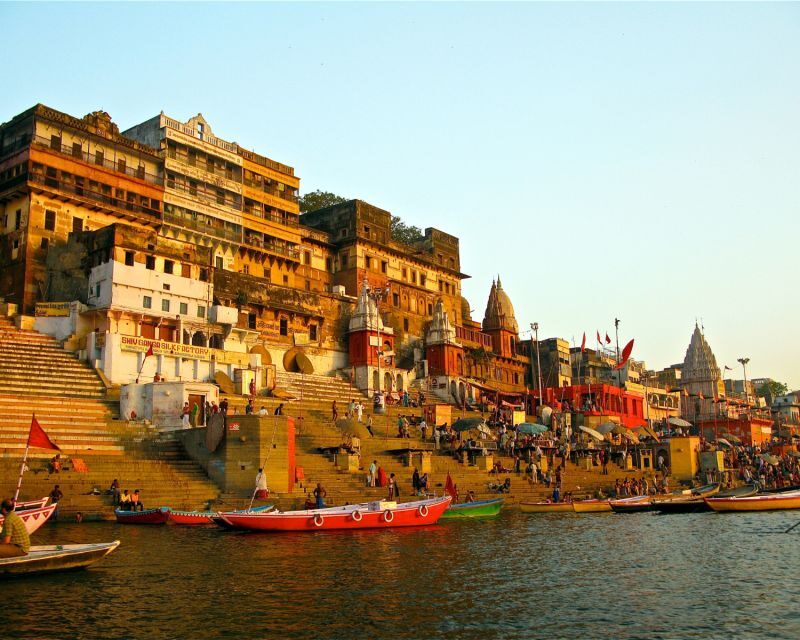
You leave your hotel at 5:30 a.m., and that early start is not just a schedule trick. Varanasi’s river life is at its most readable in the morning: fewer tour groups, cooler air, and morning rituals happening while the city still feels like it’s waking up rather than performing.
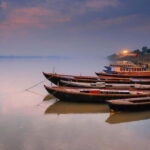
If you select the boat ride, this is when you get the sweeping views that make Varanasi famous. From the water, you can spot the flow of pilgrims moving along the ghats, and you get a calmer first impression before you step into temple lanes and crowds.
A practical note: even though this is a private car tour with an AC vehicle, sunrise in Varanasi can still feel crisp early. Wear something that’s comfortable for a bit of walking, and have your day plan in mind so you’re not mentally scrambling.
You can also read our reviews of more guided tours in Varanasi
Assi Ghat and the morning rituals you’ll actually remember
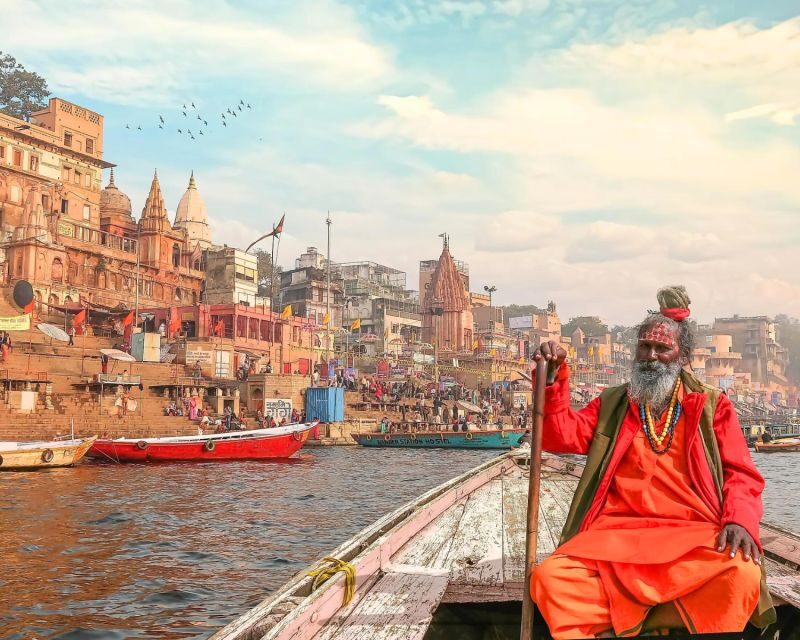
Right after the river cruise, you head toward Assi Ghat for visiting, a guided walk, and sightseeing. Assi Ghat is one of those places where “religious” and “everyday life” overlap. You’ll see people doing morning routines, you’ll feel the rhythm of the ghats, and you’ll start understanding why the Ganges isn’t just scenery here—it’s a living center.
This part of the day also helps you understand the logic of later stops. When you later stand near Kashi Vishwanath and then go to Sarnath, the city’s spiritual geography starts making sense as one connected story rather than separate checkboxes.
If you’re sensitive to strong cultural sights, keep your expectations grounded. This is a working sacred city, so you’ll want a calm mindset and respectful behavior.
Kashi Vishwanath: sacred temple lanes, but watch the entry flow
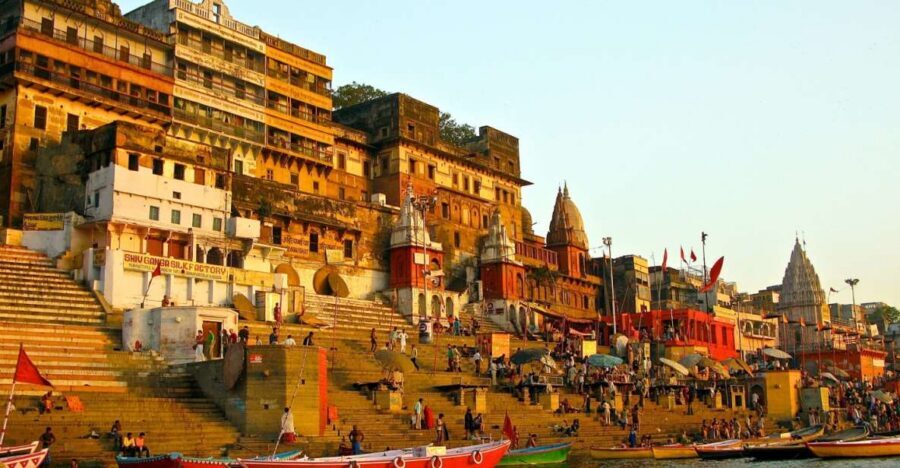
The walking portion through the old city is a big part of why this tour works. Shri Kashi Vishwanath Temple is not a place you visit only for photos. The guided route helps you navigate the lanes without wasting time, and it gives you a way to connect what you’re seeing with what the site represents.
That said, the temple experience has one clear risk: how you’re handled at the entrance. In one disappointing experience, a booking led the person to a nearby shop for offerings, then handed them off to a rushed priest who spent about ten minutes inside and left abruptly. Another issue mentioned later was that an entrance ticket was not provided when it should have been.
So here’s how I’d protect your visit:
- Confirm what’s included for temple entry on your voucher/options before you go.
- If someone pushes offerings before temple entry, stay polite but firm and keep an eye on your timeline.
- If you want time to look around, don’t accept a hurried handoff. Ask for the guide to stay with you through the main points you came for.
On the positive side, several successful trips praised guides who explained temple significance in a way that let people focus on seeing rather than translating everything in their heads. If you end up with a guide like Anmol, the tempo is more likely to feel balanced and you’ll get more context for Hindu texts and site meaning.
BHU and Bharat Mata Mandir: a needed reset with strong context
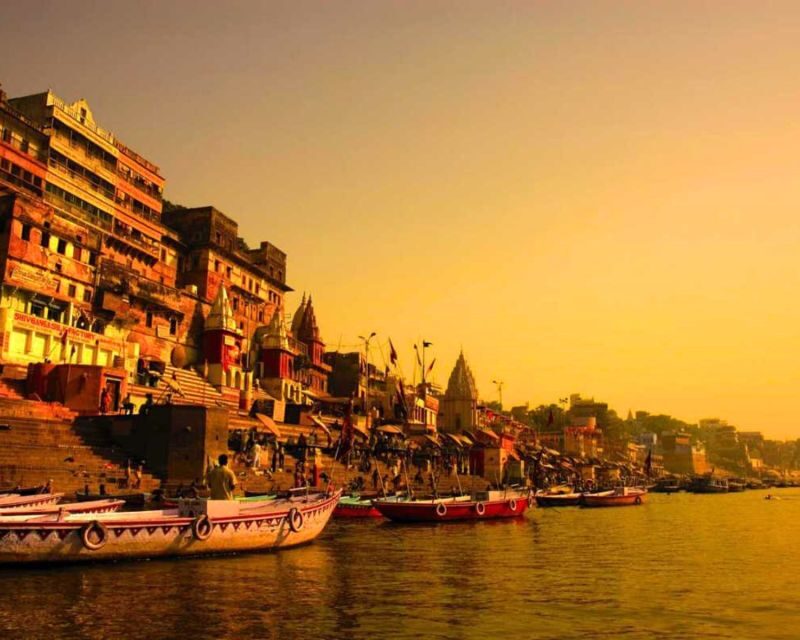
At around 10:00 a.m., the tour moves to Banaras Hindu University (BHU) for a pass-by stop, photos, and a visit. BHU was founded in 1916 and is described as the largest university in Asia continent. Even if you’re not a student type, this stop works because it shifts you away from intense sacred spaces into a setting with structure, architecture, and museums.
You’ll see Bharat Kala Bhavan Museum and the new Vishwanath Temple (Birla Temple), an exact replica of the original Vishwanath Temple. That replica detail matters. It gives you a chance to compare scale and design choices in a place where the religion is taken seriously but the pressure of crowds can be lighter than in the oldest temple zones.
Then you head to Bharat Mata Mandir, built in 1918. This temple’s standout feature is unusual: it has a marble relief map of the Indian subcontinent inside. Even if you don’t go deep into symbolism, you’ll likely feel the difference right away. It’s a quieter, more reflective stop in the middle of a fast, spiritual day.
At 12:30 p.m., you’ll learn about silk weaving traditions of Varanasi. This is a smart mid-day addition because it connects the city’s identity to crafts and daily economy—not only religion.
Lunch is your call here. You’ll break for lunch at your own expense, so plan to eat somewhere close to where you’re dropped for a shorter walk and less stress.
Sarnath and the Dhamekha Stupa: where the Buddha’s first sermon sits in your mind
After lunch (still around midday), you drive about eight miles (13 km) to Sarnath. This is the part of the day that makes the whole Varanasi trip feel broader than one faith tradition.
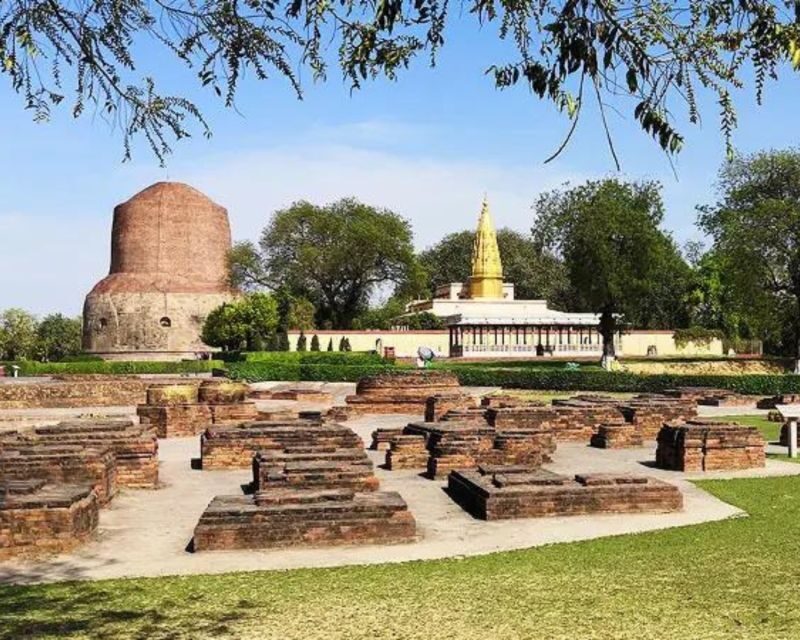
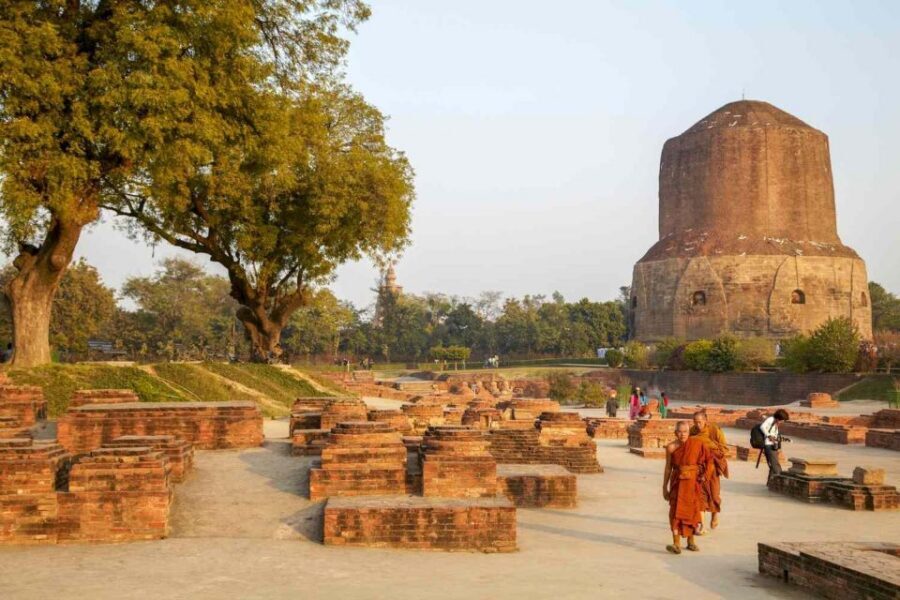
In Sarnath, you’ll visit Dhamekha Stupa, tied to the place where the Buddha delivered his first sermon. You’ll also visit the Archaeological Museum, which holds treasures dating back to the 3rd century BC—but it’s closed on Fridays. If your day includes Friday, you can mentally swap that museum time for extra stupa-area walking and quiet observation.
Sarnath’s setting is described as near the confluence of the Ganges and Varuna rivers, and the Deer Park is linked with Buddha’s first teaching. You don’t need to know every term to appreciate what you’re seeing. The guided narrative gives you the bridge from the story to the stone: why this place matters, how the early Buddhist community formed, and how that shaped the spiritual reputation of the area.
A practical tip: Sarnath is easier to move through than central Varanasi, but you still do enough walking that you’ll want comfortable shoes. Think “long temple day,” not “museum stroll.”


From Dashashwamedh Ghat cremation ghat to night Aarti: the emotional payoff
Around 5:00 p.m., you visit Ganga Cremation Ghat, then return to Dashashwamedh Ghat for the Ganga Aarti ceremony in the evening. This transition is the heart of the day because it’s the clearest contrast: life, ritual, and release all within the same river story.
The cremation ghat stop can be intense. This tour doesn’t look away from the reality of the place, and that’s exactly why it feels authentic. If you prefer a more gentle pace, you can still watch respectfully and keep your focus on what you’re seeing rather than trying to impose your own emotional reaction on it.
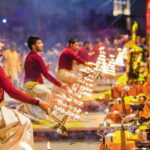
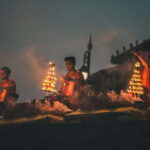
Then the tone changes. The Ganga Aarti is where you’ll likely understand why people call this one of the most memorable cultural experiences in India. The ceremony is visually strong, but it also works because you’ve been with the river all day, from sunrise to sunset. You’ll notice the way sound, movement, and devotion blend into something that feels bigger than a performance.
Several guides were praised for helping secure better seating for the morning Aarti in some cases, which tells me the good operators treat Aarti access seriously. Even if your main event is the evening, it’s worth going in expecting that your guide will help you get into a workable viewing position.
The day ends with you returning to your hotel around 8 p.m.
Price and value: is $51 for 12 hours actually fair?
At $51 per person for a 12-hour private car tour with a licensed guide (and optional boat ride, entrance tickets, and lunch depending on what you select), the value comes from logistics and access more than from a packed schedule.
Here’s the value math that matters:
- You get pickup and drop-off in Varanasi, so you’re not juggling taxis and timing.
- You have a car with AC, which matters a lot for a long day from early morning into evening.
- You have a guide to connect the dots between places like Kashi Vishwanath and Sarnath, so you’re not just looking at buildings.
- You get unlimited mineral water, which is a small comfort but a real help when you’re out for hours.
The “watch-out” is that the experience quality can vary if the temple entry flow is handled poorly or if the guide timing feels rushed. Because the group is private, you should be able to steer the pace—at least within reasonable boundaries of crowd flow and ceremony times.
If you want a safe-feeling, well-guided day with time to understand what you see, this can be a good deal. If you want a strict, slow museum-style experience with no cultural friction, you might prefer a lighter itinerary.
Who this tour suits best (and who should rethink it)
This tour is a great match if you want:
- A full-day, organized Varanasi and Sarnath combination without transport headaches
- Sunrise-to-evening pacing that builds toward the Ganga Aarti
- A guide who can explain religion and site meaning in English or Spanish
It’s also a strong choice if you enjoy variety: temples, a university, a map temple, silk traditions, stupa sites, and ceremony viewing all in one day.
I’d rethink it if:
- Temple time and entry handling stress you out easily (because the real city can be pushy at entrances)
- You need guaranteed long, slow stops at every site (the time is guided, and not every stop will feel equally relaxed)
Practical details that can save you time
Your day is designed around movement, so plan with the schedule in mind.
- Car size depends on your group: sedan for 1–3 people, six-seater for 4–5, ten-seater mini van for 6–9, fourteen-seater for 9–12. This affects comfort and how you’ll feel in traffic.
- Dress code: no sleeveless shirts. Bring something you can easily adjust if you’re arriving sweaty and need to cover up.
- What to bring: a passport or ID card.
- Not allowed: alcohol and drugs.
- Museum note: Sarnath Archaeological Museum is closed on Fridays.
Also, keep in mind that the boat ride and some ticket costs can be optional. If your best memories depend on a specific part like the sunrise boat cruise or temple entrances, confirm what you’ve selected when booking.
Should you book this Varanasi and Sarnath car tour?
If your goal is a guided Varanasi + Sarnath day that ends with the Ganga Aarti, I think booking makes sense. You’re paying for early timing, private transport, and the chance to understand what you’re seeing—from Kashi Vishwanath’s sacred focus to Dhamekha Stupa’s Buddha teaching setting.
My final advice: go in with flexible expectations for temple entry flow, choose your comfort level with intense river rituals, and plan to communicate what you care about most. With a careful guide, like the ones praised for thorough explanations in successful trips, this tour can feel like a well-connected story rather than a fast checklist.
If, however, temple pacing and control over entry matter more to you than anything else, consider asking upfront how they handle temple entrance and whether you’ll have proper access and tickets for the exact sites you choose.
Safe travels, and enjoy the morning light on the Ganges.