REVIEW · MUMBAI
Essence of Mumbai : The Cultural Experience Tour
Book on Viator →Operated by Amaze Mumbai Tour · Bookable on Viator
Mumbai runs on work you can see. This 4–5 hour cultural tour is built around the daily rhythms that make the city feel human—starting with a visit to the Koli community, then riding a train to Dhobighat for an insider look at the open-air laundromat. I love that it’s guided and practical, not just photo stops. I also love the fact that you’re not stuck looking from above; you get a closer view of how laundry work happens in the open. One consideration: parts of the day are outside (Dhobighat is an open-air setting), so plan for time on your feet and bright conditions.
You’ll also appreciate the “whole day” structure. Lunch is included, and the tour lines up food, faith, and city logistics—so you leave with stories that actually connect. Another plus is the comfort factor: an A/C car with a dedicated English-speaking guide and round-trip hotel pickup/drop-off make it easy to fit into your schedule. The only drawback I’d watch for is timing density: 4–5 hours goes fast when you’re moving between neighborhood life, trains, and a working laundromat.
In This Review
- Key highlights you’ll remember
- Why This Mumbai Culture Tour Works So Well in 4–5 Hours
- Getting Picked Up and Staying Comfortable (Without Overthinking It)
- The Koli Community Stop: Learning Mumbai from Its First Inhabitants
- Dabbawallas and a Train Ride: The Century-Old Food System Up Close
- Inside Dhobighat: Seeing the Open-Air Laundromat Up Close
- Lunch at an Indian Restaurant: Included, Timed, and Worth It
- Gaushala Visit: Why Cow Sanctuaries Are More Than Animal Care
- How the Stops Fit Together: Food, Work, and Faith in One Line
- Price and Value: What You Get for $54
- Who This Tour Suits Best (And What to Consider)
- Tips to Get the Most Out of the Day
- Should You Book Essence of Mumbai: The Cultural Experience Tour?
- FAQ
- What is the duration of the tour?
- How much does the tour cost?
- What time does the tour start?
- Is lunch included?
- What does the tour include for transportation?
- Will I ride a train during the tour?
- What are the main places you visit?
- Can I cancel for a full refund?
Key highlights you’ll remember
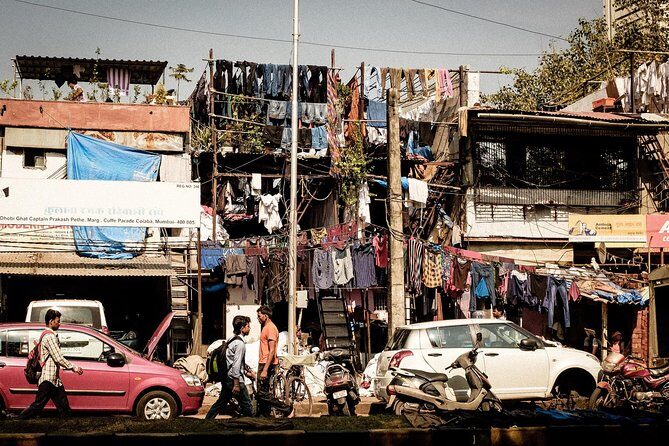
- Koli community time to see how Mumbai’s earliest inhabitants live today
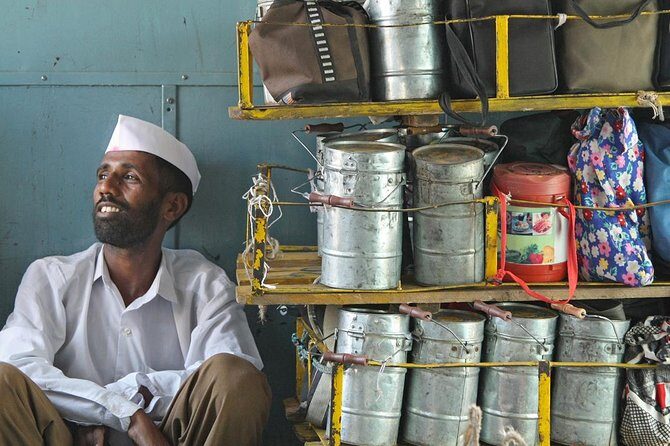
- Dabbawallas and a train ride to understand the century-old tiffin system
- Insider access at Dhobighat so you see the laundromat up close
- Gaushala visit to learn why cow sanctuaries matter in local culture
- Lunch included plus bottled water to keep you going
Why This Mumbai Culture Tour Works So Well in 4–5 Hours
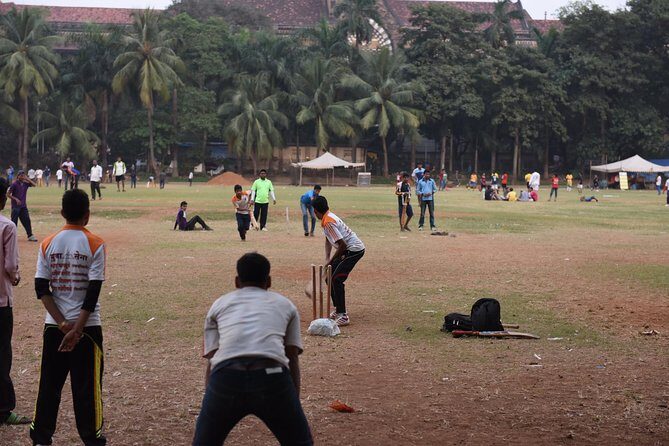
This is the kind of tour that makes a short visit feel bigger. Instead of spreading you thin across random landmarks, it takes you through three everyday systems: food delivery (dabbawallas), laundry labor (Dhobighat), and sacred animal care (gaushala). Those aren’t just “activities.” They’re the glue of daily life in Mumbai.
The format also respects your attention span. You’ll spend enough time at each place to notice details—how people organize their work, how neighborhoods function, and how faith shows up in practical places like cow shelters. The guide keeps it coherent with local context, so you’re not just watching scenes go by; you’re understanding what you’re seeing.
And because it includes hotel pickup/drop-off and an A/C driver, you’re not burning vacation time fighting traffic or guessing routes. In a city known for motion, that matters.
You can also read our reviews of more tours and experiences in Mumbai.


Getting Picked Up and Staying Comfortable (Without Overthinking It)
Your day starts with your guide and driver meeting you at your hotel (or airport/train station). The tour has a clear start time: 10:00 am most days. If you’re staying near the Mumbai Airport, start is 9:45 am. If your hotel is in central South Mumbai, start shifts to 10:30 am.
That matters because it reduces the annoying parts of touring: walking long distances to “meet the group,” waiting around in heat, or arriving late to timed segments. You get a dedicated English-speaking guide and private vehicle transport, so you can ask questions on the move instead of saving them until you stop.
You’ll also have bottled water included, which is one of those small inclusions that turns into a big deal when you’re out during daylight.
The Koli Community Stop: Learning Mumbai from Its First Inhabitants
The tour begins with a visit to the Koli community of Mumbai. This is a chance to meet locals and hear about life in a fast-moving city through the lens of people who’ve lived here from the earliest times now associated with Mumbai’s history.
What makes this stop valuable is the “living in Mumbai” angle. You’re not just hearing facts in a classroom tone. You’re interacting with locals to understand how culture is practiced day to day—what matters, what feels normal, and what changes when a city grows around you.
A practical tip: treat this as a conversation stop, not a spectacle stop. Ask simple questions—how daily routines work, what community life looks like now, and what people want visitors to understand. Your guide will help shape the flow, but your curiosity is what makes it land.
Dabbawallas and a Train Ride: The Century-Old Food System Up Close
Next comes the transport piece that turns learning into real understanding: you’ll go to the train station to see how the dabbawallas work. Dabbawallas are the tiffin carriers who have been moving home-cooked meals for about a century. That “century” detail isn’t just trivia—it explains why the system relies on routine, coordination, and trust.
Then you’ll actually take a train ride to reach Dhobighat. This is the difference between reading about Mumbai rail life and experiencing the motion yourself. You get to watch the city’s infrastructure do its job while the guide ties it back to how food delivery fits into the wider daily flow.
If you’re the type who likes to understand the mechanics behind culture, this is one of the best parts of the tour. You’ll come away seeing Mumbai as a system: people, schedules, and routes all working together.
Inside Dhobighat: Seeing the Open-Air Laundromat Up Close
Dhobighat is famous, but this tour handles it the right way: you get an insider tour, not just a view from above. The laundromat is open-air, and that changes the whole feel of it. You’re not observing from a distance; you’re watching real work happen in real conditions.
I like this stop because it’s both straightforward and surprising. You can appreciate the scale quickly—laundry is visible everywhere—but you also notice the human side: how people organize tasks, how the environment shapes the workflow, and how the city’s daily labor becomes part of its identity.
One consideration: open-air settings mean you should think about comfort. Wear breathable clothes, plan for time outside, and expect that standing and moving around may take more energy than a typical indoor visit. The good news is that you’ll be in a guided setting with a clear plan, plus bottled water to keep you comfortable.





Lunch at an Indian Restaurant: Included, Timed, and Worth It
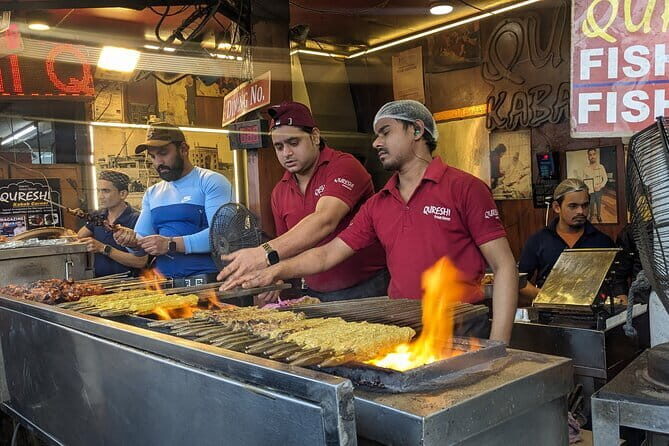
After Dhobighat, the tour goes to an Indian restaurant for lunch, and this is included in your tour fee. I like included meals when they feel intentional, not like a rushed add-on. Here, lunch also acts as a reset between high-energy viewing (working laundromat and rail) and the next cultural stop at a gaushala.
If you’re using the tour to taste Mumbai culture beyond street food, this is a solid way to do it without guessing where to go on your own. You’ll be able to keep your energy steady for the afternoon segment.
Gaushala Visit: Why Cow Sanctuaries Are More Than Animal Care
Next up is a gaushala, a protective shelter for cows in India. The tour frames gaushalas through two lenses: the religious significance of cows in Hinduism and the cultural sensitivity around their welfare. In other words, this isn’t only about feeding animals. It’s about how belief shows up in real places.
What’s especially useful for visitors is that you get to connect the idea to the day’s theme. Early in the tour, you’re learning about systems that support daily life. At the gaushala, you see another system—one that blends faith, ethics, and community responsibility.
Respect note: treat this as a calm, mindful stop. Ask your guide what’s appropriate and follow local cues about how to behave around animals and caretakers. Your best experience here comes from being present and observant rather than turning it into a checklist photo moment.
How the Stops Fit Together: Food, Work, and Faith in One Line
A lot of Mumbai tours feel like disconnected highlights. This one links the dots on purpose.
- Food delivery (dabbawallas) shows how the city moves nourishment through schedules and coordination.
- Laundry work (Dhobighat) shows labor in an open public space, where daily routines become visible.
- Cow care (gaushala) shows how cultural values can translate into organized shelter and ongoing welfare.
When you see them in sequence, Mumbai stops feeling like a set of attractions. It becomes a place where practical work and cultural belief share the same streets. That’s the kind of understanding that lasts long after the photos.
Price and Value: What You Get for $54
At $54 per person, this tour can be good value if you factor in what’s included. You’re paying for more than a guide and a ride. The tour includes:
- Round-trip hotel pickup and drop-off
- A/C car with driver and transport
- Dedicated English-speaking guide
- Lunch
- Bottled water
- Mobile ticket
- Group discounts
For many short sightseeing blocks, those items aren’t all included, and you end up paying extra for transport or meals. Here, the included lunch plus transport alone can make the price feel fair—especially because you’re also adding a train segment and access time for Dhobighat.
My advice: if you’re trying to cover a meaningful slice of Mumbai culture in half a day, this price sits in the “worth considering” zone, mainly because you’re not negotiating logistics yourself. If you already plan to do all transport and meals independently, the value shrinks a bit. But if you want a guided, frictionless cultural thread, it holds up.
Who This Tour Suits Best (And What to Consider)
This experience is a strong match for you if you like:
- People-centered travel (interacting with locals at the Koli community)
- City logistics (learning how dabbawallas work and taking the train)
- Working places rather than only monuments (Dhobighat inside access)
- Cultural context that explains why something matters (gaushala and cow welfare)
It may feel less ideal if you want a mostly scenic, low-stress day. There are stops that involve being around active work settings and spending time outdoors. The tour is designed for most travelers, but you’ll enjoy it more if you’re comfortable with standing and watching real-world activity.
The tour is also described as private—only your group participates—so if you’re traveling with friends, family, or want a quieter pace than typical group tours, that’s a plus.
Tips to Get the Most Out of the Day
A few practical ideas that can improve your experience fast:
- Bring a camera or phone you’re comfortable using around people doing real work, but don’t treat everything like content.
- Keep your questions simple and respectful, especially at the Koli community and gaushala.
- Wear comfortable shoes. Even if the tour doesn’t feel like a trek, working areas plus open-air time add up.
- Plan for bright conditions at Dhobighat and keep hydration in mind (bottled water is included).
And if your timing is tight, take advantage of the pickup system. The tour is built around starting on schedule.
Should You Book Essence of Mumbai: The Cultural Experience Tour?
Book this if you want Mumbai culture through real daily systems—food movement, laundry work, and cow shelters—without spending the day figuring out transport. The combination of a dedicated guide, hotel pickup/drop-off, included lunch, and insider access at Dhobighat makes it a smart way to get more meaning per hour.
I’d especially lean toward booking if you like being close to the city’s functioning rather than only seeing it from afar. This tour turns famous places into lived experiences.
One more thing: one guide name that comes up in praise is Alan. If that name matches what you’re offered when you book, it’s worth choosing that option if available.
FAQ
What is the duration of the tour?
The tour runs about 4 to 5 hours.
How much does the tour cost?
It costs $54.00 per person.
What time does the tour start?
Most departures start at 10:00 am. If you’re near the Mumbai Airport, it starts at 9:45 am. If your hotel is in central South Mumbai, it starts at 10:30 am.
Is lunch included?
Yes. Lunch is included in the tour fees.
What does the tour include for transportation?
Round-trip hotel pickup and drop-off are included, along with transport by private vehicle and an A/C car with a driver.
Will I ride a train during the tour?
Yes. You’ll visit the train station to see how dabbawallas work and then take a train ride to reach Dhobighat.
What are the main places you visit?
Key stops include the Koli community area, the area around the train station for the dabbawallas experience, Dhobighat (open-air laundromat), and a gaushala (cow sanctuary). You also have lunch at an Indian restaurant.
Can I cancel for a full refund?
Yes. You can cancel up to 24 hours in advance for a full refund.