REVIEW · MUMBAI
Dharavi Slum Tour with Home Visit Group Cruise Excursion
Book on Viator →Operated by Mumbai Moments · Bookable on Viator
Dharavi is more than a slum map. What makes this tour work is the focus on everyday industry inside the neighborhood, where people run workshops and small factories that keep the city moving. I also like the included local home visit, because it turns the day from observation into real human context.
One thing to consider: you’re walking through a tightly packed, working area. That means it’s active, close-up, and sometimes a bit intense, even though the goal is respectful and informative, not slum sightseeing.
In This Review
- Key highlights you’ll feel on this tour
- Why Dharavi’s industry-first approach hits different
- Meeting at Ballard Pier and how the first hour usually feels
- Walking Dharavi: what “workshops and factories” looks like up close
- The realism check: it’s not a show
- The included home visit: chai, conversation, and the human context
- Basic etiquette that will help you fit in
- Duration and timing: fitting 4 hours into a Mumbai plan
- Price and value: is $78.67 fair for what you get?
- Who this tour is best for (and who should think twice)
- Make it respectful and useful: what to do before you go
- Should you book this Dharavi tour with home visit?
- FAQ
- What is the duration of the Dharavi slum tour?
- Where does the tour start?
- What time does the tour start?
- How much does the tour cost?
- Is a local home visit included?
- What refreshments are provided?
- Does the tour include transportation?
- Is an English-speaking guide included?
- What’s the maximum group size?
- What is not included in the price?
- What is the cancellation policy?
Key highlights you’ll feel on this tour
- Small group size (max 6) helps you move calmly and ask questions.
- English-speaking local guide keeps the facts grounded and the pace human.
- Industry-first route shows recycling, sewing, tailoring, printing, dyeing, and more as a working system.
- Home visit included, plus masala chai, so you get more than street-level views.
- Air-conditioned vehicle makes the connection points easier in Mumbai’s heat.
- About 4 hours total, with a good chunk on foot (one guide-style walk is around 2 hours).
Why Dharavi’s industry-first approach hits different
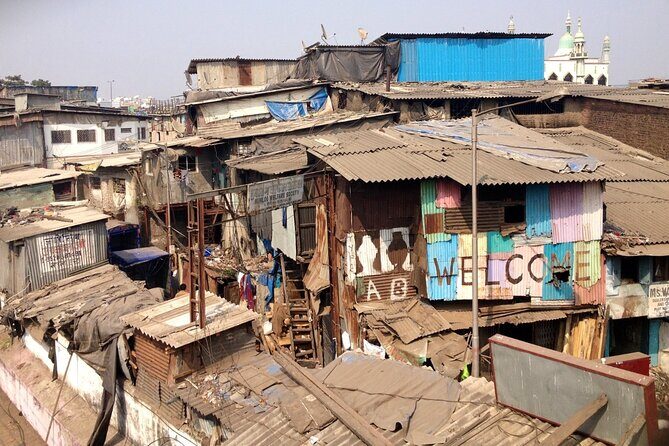
Dharavi covers about 550 acres and is home to nearly one million people. It’s easy to think of it only as overcrowding and poverty. This tour steers you elsewhere, toward the daily engines: sewing and embroidery, ready-made garment work, bakeries, dyeing factories, recycling of plastics, soap production, block printing, leather work, pottery, and more.
That matters because it changes the whole tone of the experience. You’re not collecting sadness for a photo. You’re learning how a community builds jobs, products, skills, and connections right where the buildings are. Even the scale of the local economy is part of the story—estimates put it over US$650 million—and that number helps you understand why this place is so busy and self-sustaining.
I also like that the tour frames Dharavi as a city within a city, not just a headline. You’re told to notice the “normal” pieces too: schools, hospitals, hotels, and even things like cinemas and mobile galleries. When you see how these services fit together, you start to understand why people talk about resilience here in a very practical way.
You can also read our reviews of more boat tours in Mumbai



Meeting at Ballard Pier and how the first hour usually feels
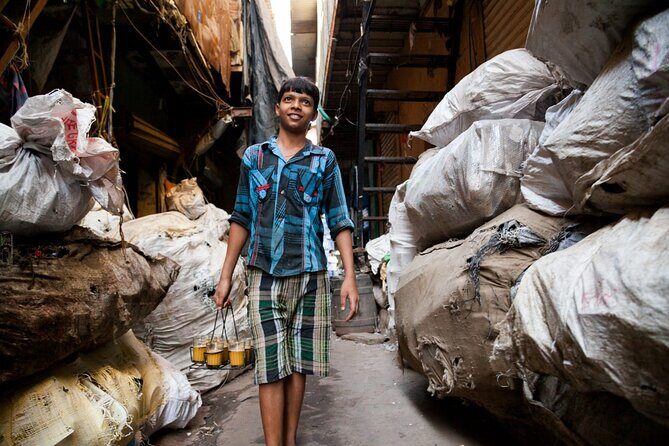
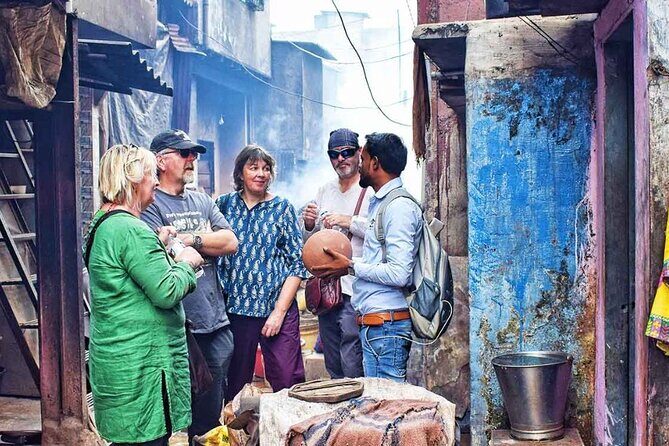
You meet at Ballard Pier (Alexandra Dock / Green Gate) around 9:30 am. From there, you’ll use an air-conditioned vehicle and go out with an English-speaking, local guide. The group is capped at six travelers, which is a big deal in Mumbai—small groups move easier through narrow lanes and let the guide steer conversations without rushing.
The tour runs about 4 hours total, and the day is built like a loop: you start at the pier area, head in, walk through key workshop zones, pause for a local home visit, then return to the same meeting point.
Here’s the practical expectation: you’ll feel the transition from a more open dock area into tighter corridors and workspaces. Even if you’ve visited other cities, the density can surprise you. The guide’s job isn’t just to point—it’s to help you read what you’re seeing: who does what, why certain items are made where they are, and how the day-to-day schedule shapes the neighborhood.
Walking Dharavi: what “workshops and factories” looks like up close
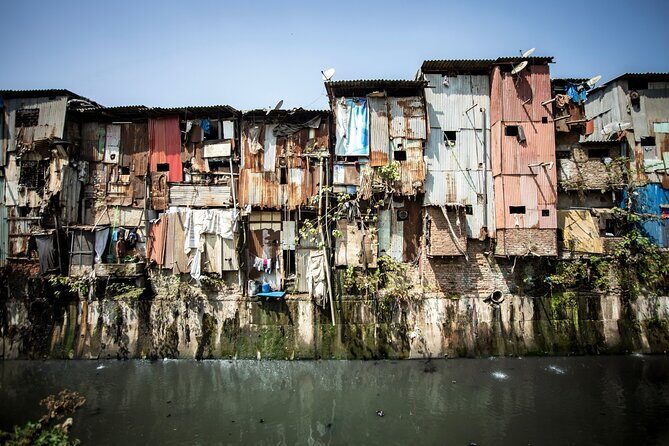
The main stop is Dharavi itself, and the tour is designed around movement and observation. You’ll see the kinds of work that often stay invisible in big-city tourism: people turning raw materials into useful products, often with specialized skills passed through the community.
Based on how guides typically structure the walk, you can expect to encounter hands-on processes connected to:
- Recycling and plastics reuse
- Sewing, tailoring, and embroidery
- Leather work
- Pottery
- Ironing and finishing
- Block printing
- Dyeing and soap production
- Bakeries and ready-made garment activities
You don’t need to be an expert to get value here. The guide helps you connect the dots: for example, how a supply chain can shrink because materials are sorted locally, or how product types cluster because workers share space and know-how.
One detail that stands out from guide-led experiences is how much time some guides take to slow down and explain. Bharti, for instance, is highlighted for taking her time to share insight into daily life. Divya is described as intimate and educational, with a focus on community strength rather than pity. These are not “performances” for outsiders; they’re approaches that help you keep your footing—mentally and emotionally—while walking through a place that is busy for a reason.
The realism check: it’s not a show
The best part is also the most important reality: you’re seeing active work. That means things aren’t staged for you. Machines, tools, and busy corridors can make it feel close and intense. If you’re the type who needs wide-open space and silence to feel comfortable, plan for that. But if you like getting a true sense of how people live and earn here, this is exactly what this tour is built for.
The included home visit: chai, conversation, and the human context

This is one of the tour’s real differentiators: you get a visit of a local home as part of the experience. And yes, you’ll have drinking masala chai during the tour, plus bottled water.
A home visit can go one of two ways on the road: it can feel like a quick stop for a photo, or it can feel like an actual sharing of space. The guides for this tour are set up to keep it respectful and explanatory, so you come away with context instead of assumptions. The goal is to show you what day-to-day life looks like beyond the street: routines, values, and the way people manage work, family, and the neighborhood all at once.
Practically, you should expect a change of pace. You’ll likely get a chance to ask questions, listen, and slow your brain down. A tour that pairs workshops with a home stop gives you a fuller picture: the street shows production; the home shows the people behind it.
A few more Mumbai tours and experiences worth a look






Basic etiquette that will help you fit in
You can’t control how you’ll be perceived, but you can control your behavior. Keep your voice calm, follow your guide’s lead, and treat the space like someone’s private life—not a museum. If you want photos, ask first and take cues from the guide rather than assuming.
Duration and timing: fitting 4 hours into a Mumbai plan
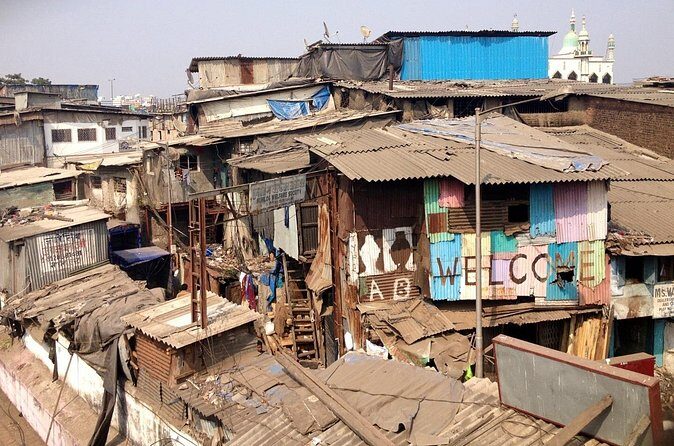
The tour is listed as about 4 hours, and in practice you can think of it as a couple of pieces:
- time in the vehicle and orientation
- a walking segment through the neighborhood (one experience notes the walking portion lasting about 2 hours)
- a home visit and a chai pause
- return to the meeting point
What makes this manageable is the structure and the included basics. You’re not hunting for snacks or water. You get bottled mineral water and chai during the experience. That’s useful because Mumbai days can get hot and sticky, and you’ll be on foot for at least part of it.
Also, the air-conditioned vehicle isn’t just comfort. It helps you reset your senses. When you’re walking through narrow corridors and active workshops, you’re taking in a lot at once. A short return by vehicle at the end of the tour can make the whole thing feel less like sensory overload and more like “okay, I processed this.”
Price and value: is $78.67 fair for what you get?

At $78.67 per person, this isn’t a “free and random” street tour. So here’s the value math that matters:
You’re paying for:
- a local, English-speaking guide
- an air-conditioned vehicle
- admission fees wherever applicable during the tour
- a local home visit
- chai and bottled water
- a researched route that focuses on industry and community context
- a small parting gift
The small-group size (max 6) is also part of the cost justification. In places like this, fewer people in the lane means you can move safely and hear the guide. You’re not squeezed into a mass group with one translator shouted over the noise.
Compared to tours that just label places and move on quickly, the home visit + chai + guided industry explanation is what you’re really buying. If your goal is to understand Dharavi as a functioning neighborhood—rather than to check a box—you’ll likely feel the price is justified.
If your goal is strictly “see poverty,” this may not give you what you expect. This experience is built to show skills, work, and organization. That’s either a deal-breaker or a relief, depending on your travel style.
Who this tour is best for (and who should think twice)

This tour is a strong match if you want:
- a guided, structured look at Dharavi’s role as a working neighborhood
- real context through the home visit
- a small group experience rather than a crowd
It’s also a good choice if you like tours that explain how a system functions—how work happens, how materials move, and how people turn skills into daily livelihoods.
Think twice if:
- you hate close quarters and prefer wide, quiet spaces
- you’re looking for a passive “sit and watch” format
- you’re easily overwhelmed by active, working environments
And one more note: one of the most praised aspects in guide-led experiences is the way guides help you change perspective. That means you’ll come away feeling more informed than you arrived. If you’d rather keep your ideas unchanged, this tour may be too thought-provoking.
Make it respectful and useful: what to do before you go

I’d treat this as a “learn and listen” outing, not a “look and judge” outing. You’ll get more from the tour if you come in with a few mental rules:
- Ask questions that help you understand, not questions that chase drama.
- Dress comfortably for walking; the tour involves time on foot through tight areas.
- Keep expectations realistic: Dharavi is a home and workplace. It’s not an open-air set for visitors.
If you’re the type who likes to take notes, bring a small notebook. The combination of workshop details and home context can leave your brain full, and notes help you remember what you learned instead of just feeling something.
Should you book this Dharavi tour with home visit?
I’d book it if you want a small-group, guided look at Dharavi that focuses on work, community strength, and daily life—with an included home visit and masala chai that turn it from spectacle into understanding.
I would skip it if you’re only interested in poverty tourism or if you’re uncomfortable with walking through a very busy, tightly packed working neighborhood. For the right traveler, though, this is one of those Mumbai experiences that changes your mental picture of what a “slum” can mean on the ground.
If you’re already planning other Mumbai sights, this tour’s timing can slot into a day nicely because it’s about 4 hours and includes the essentials so you’re not juggling water and snacks mid-walk.
FAQ
What is the duration of the Dharavi slum tour?
The tour is approximately 4 hours.
Where does the tour start?
It starts at the Ballard Pier area in Mumbai (Ballard Pier / Alexandra Dock / Green Gate).
What time does the tour start?
The start time is 9:30 am.
How much does the tour cost?
The price is $78.67 per person.
Is a local home visit included?
Yes. A visit to a local home is included.
What refreshments are provided?
You’ll receive bottled water and drinking masala chai during the tour.
Does the tour include transportation?
Yes. An air-conditioned vehicle is included.
Is an English-speaking guide included?
Yes. You’ll be accompanied by an English-speaking, local tour guide.
What’s the maximum group size?
The tour has a maximum of 6 travelers.
What is not included in the price?
Gratuity and tips are not included, and alcoholic beverages are also not included.
What is the cancellation policy?
This experience is non-refundable and cannot be changed for any reason.