REVIEW · MUMBAI
Dharavi Slum Tour
Book on Viator →Operated by Dream City Tours and Travels · Bookable on Viator
Dharavi refuses to fit one story. This 2-hour walk through Dharavi’s narrow alleys is built to show the community spirit and real work happening here, not gawking. You’ll also get context for why Dharavi is so well known worldwide, including its link to Slumdog Millionaire.
What I like most is the tour’s attitude: it pushes back on the idea of “poverty tourism” and replaces it with practical, on-the-ground understanding of what people are doing day to day. In the strongest reviews I saw, guides like Mohamed and Shailinder were praised for helping people find the meeting point and for doing a clear job dispelling misconceptions. One consideration: the experience calls for moderate physical fitness, so plan for some uneven, tight walking.
In This Review
- Key highlights before you go
- Dharavi at street level: why this tour is different
- Getting oriented at Café Coffee Day in Mahim
- The tour’s real mission: dispelling misconceptions, not collecting shock
- Narrow alleys and steady walking: what your 2 hours are like
- Recycling and crafts: what you’ll see in Dharavi’s work zones
- Plastic recycling, leather work, pottery, and soap production
- Schools and churches: community life beyond work
- English-speaking local guide: why the human voice matters
- Price and value for a $20 guided walk
- Logistics that actually affect your day
- Who this Dharavi slum tour suits best
- Should you book this Dharavi slum tour?
- FAQ
- How long is the Dharavi slum tour in Mumbai?
- How much does the tour cost?
- Is private transportation included?
- What is the meeting point?
- What kind of guide is included?
- How many people are in the group?
Key highlights before you go
- A $20 price that’s low-cost for a guided, English-speaking experience in central Mumbai
- Max 5 travelers, so you’re not lost in a crowd
- A mobile ticket for easier check-in
- Focus on real activity like recycling and crafts rather than tragedy-focused sightseeing
- Stops tied to community life, including schools and churches
- English-speaking local guide who sets expectations and keeps the walk informative
Dharavi at street level: why this tour is different
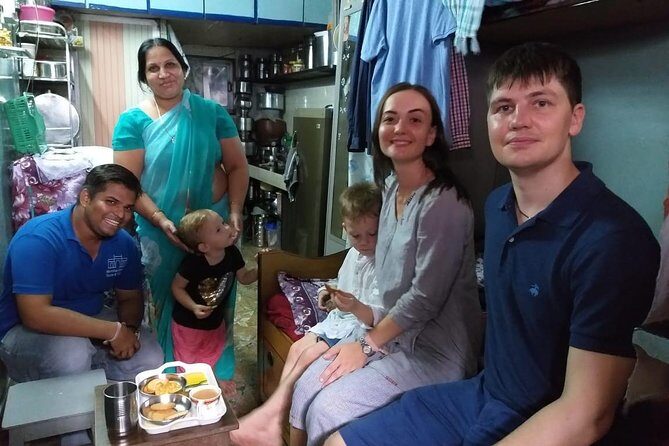
Dharavi can sound like a single, dark headline. This tour is trying to break that mental shortcut fast. You walk through the alleys with the point of view that people here are doing more than surviving. They’re building systems, jobs, and daily routines that keep the place functioning.
The tour’s best promise is also the easiest to misunderstand from a distance: it’s not designed for misery-movie sightseeing. Instead, it’s meant to show what people are capable of achieving under difficult conditions. If you’ve ever arrived with the wrong expectations, this kind of framing helps you reset what you’re looking for.
And yes, Dharavi is famous for more than just reality on the ground. The movie Slumdog Millionaire put Dharavi in the global spotlight back in 2008. But this kind of tour tries to redirect your attention away from the film’s version of the story and toward the actual mix of work and community life you can see in real time.
You can also read our reviews of more tours and experiences in Mumbai.


Getting oriented at Café Coffee Day in Mahim
The tour starts at Café Coffee Day, Unit No. 58, Ground Floor, Ram Mahal Building, Senapati Bapat Marg, T.P. Road, near the Station area (Marinagar Colony / Navjivan Society), Mahim, Mumbai, Maharashtra 400016. The activity ends back at the meeting point, so you’re not left stranded across town.
I like this for one simple reason: it keeps your day easier. In a city as big as Mumbai, “back to the start” can be the difference between a smooth evening and a last-minute scramble. Also, the meeting point is near public transportation, which matters because the tour itself does not include private transportation.
One more thing I appreciate: the experience runs with a small cap—up to 5 travelers. That changes the vibe immediately. You’re more likely to get questions answered and less likely to feel like you’re racing through with a headset crowd.
The tour’s real mission: dispelling misconceptions, not collecting shock
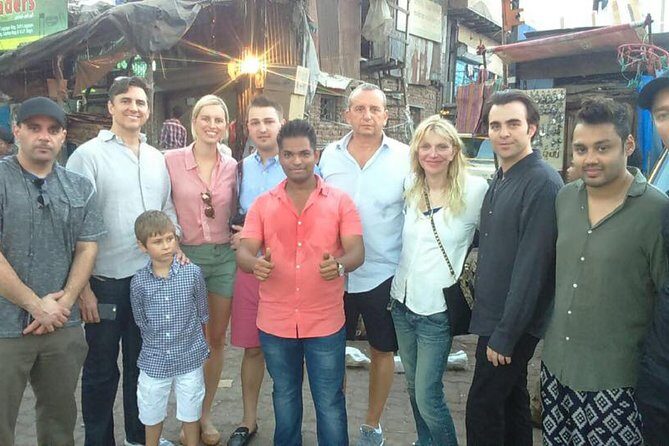
A key part of what makes this Dharavi slum tour work is the way the guide frames it. There’s a direct message here: if your plan is to stare at suffering, you’re going to miss the point.
That mission is not just marketing language. You’ll feel it in what you’re encouraged to notice. Instead of using hardship as the “main attraction,” the focus is on practical life—people working in tight spaces, learning and teaching, and supporting community institutions like schools and churches.
In the notes from strong reviews, I saw that guides such as Mohamed and Shailinder did a good job helping people arrive at the meeting point and getting them started with the right mindset. That might sound like a small detail, but orientation changes how you experience a place like Dharavi. It helps you look for the parts that explain how the community runs.
Narrow alleys and steady walking: what your 2 hours are like
This is an approx. 2-hour tour. That time matters because it’s long enough to see variety, but short enough that you’re not stuck for half a day. You should plan for a moderate physical fitness level. In other words, don’t treat this as a casual stroll where you’ll stop every five minutes.
The “narrow alleys” part is more than scenery. It’s also a reminder that space is tight and the route is controlled. In practice, that means you’ll likely move at the group’s pace and follow your guide’s direction closely, especially when people and activities are happening nearby.
If you’re sensitive to cramped spaces or you’re not comfortable with uneven ground, this is the one thing to weigh carefully. The tour’s focus is human and hands-on, but it still takes place in a real working community with real movement.
Recycling and crafts: what you’ll see in Dharavi’s work zones
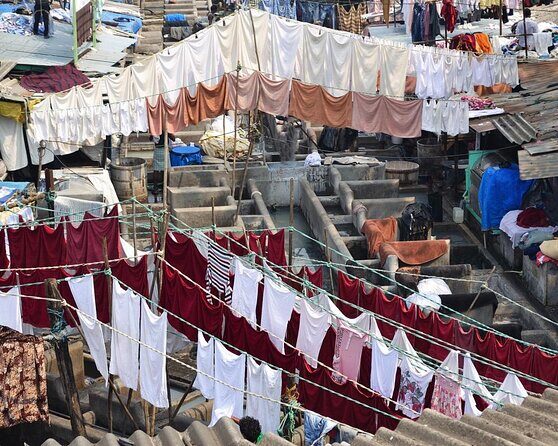
The standout theme in this tour is labor you can actually understand. Dharavi’s well-known activities are part of the experience, including plastic recycling, leather work, pottery, and soap production. You’re not just hearing these terms. You’re seeing the work threads that connect them into a functioning local economy.
Here’s what I find valuable about that approach: it turns “poverty” into something more useful to understand. Poverty is a condition. Work is a system. When you watch people produce, repair, and package materials, you start noticing skills, routines, and the logic of how products move.
Also, these industries aren’t random. They’re tied to available materials and practical demand—especially in a city that never stops consuming. Even without technical details, you’ll probably leave with a clearer sense of why these activities fit together in one compact area.




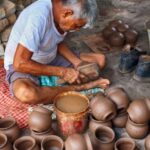
Plastic recycling, leather work, pottery, and soap production
Let’s break down the specific kinds of work included, and why each one helps you read Dharavi differently.
Plastic recycling matters because it’s about turning waste into value. Seeing it firsthand can change your mental image of the area from “discarded” to “reprocessed,” which is a huge shift in perspective.
Leather work helps you understand craft and manufacturing. You’re watching skilled processes connected to materials that require careful handling. Even if you can’t follow every step, you can still grasp the focus and attention that goes into it.
Pottery shows tradition mixed with practical production. It’s visual, tangible, and easier to connect to daily life than you might expect from far away. It’s also one of those activities that makes the tour feel less like a lecture and more like a moving walkthrough.
Soap production is especially approachable because it connects to everyday needs. Soap isn’t abstract. It’s used by real people at home, and that everyday connection makes the tour feel grounded.
The bigger takeaway is that these stops help you see Dharavi as a network of trades. That framing matches what the tour sets out to do: it’s meant to inspire by showing achievement under pressure, not to shock you into feeling helpless.
Schools and churches: community life beyond work
Another included element is schools and churches. That’s important, because a place is more than jobs. A community also has places where people learn, worship, and build identity.
I like including community institutions because it changes the “story arc” of your visit. You start the tour thinking you’ll see economic activity, but you end up noticing how daily life continues after the work moment. Even with only short stops, this part nudges you away from one-dimensional thinking.
If you’re the type of traveler who wants context, not just visuals, this is a strong part of the experience. It makes it easier to understand Dharavi as home, not just a destination.
English-speaking local guide: why the human voice matters
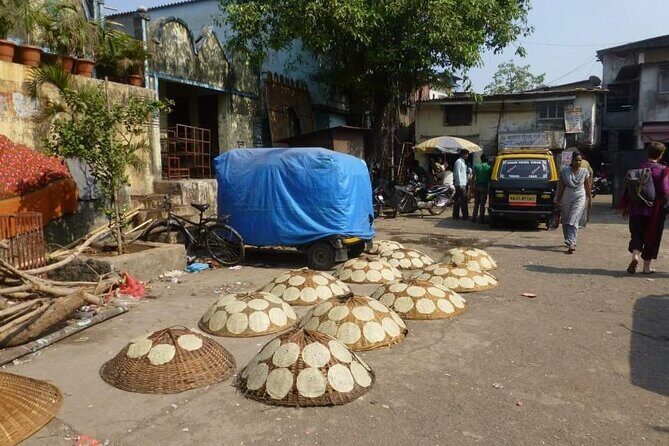
The tour includes an English-speaking local guide. For a place like Dharavi, language isn’t a luxury. It’s the difference between misunderstanding details and learning how to interpret what you’re seeing.
When guides like Mohamed and Shailinder are praised for steering people correctly from the meeting point and for dispelling misconceptions, that tells me you’re getting more than a walking companion. You’re getting someone who can explain the tour’s intent and help you look past common stereotypes.
Also, the small group size (maximum 5 travelers) pairs well with an English-speaking guide. If you have a question, you’re more likely to get an answer that actually fits your curiosity, not just a general talk track.
Price and value for a $20 guided walk
At $20 per person, this Dharavi slum tour is priced like a budget experience. But it doesn’t feel like a bare-bones deal, because you’re paying for a local guide, English interpretation, and a structured look at multiple types of work plus community spaces.
Value here comes from focus. Two hours is not random wandering. It’s enough time to cover the main included themes: recycling and trades (plastic recycling, leather work, pottery, soap production) and also schools and churches. That’s a lot to pack into a short slot, especially with a small group.
It also helps that the tour uses a mobile ticket. Less paperwork means less friction, which is the kind of practical upgrade that matters on travel days. And because it’s booked an average of 6 days in advance, you can plan without waiting too long.
Logistics that actually affect your day
This tour doesn’t include private transportation, so you’ll need to handle your own way to the meeting point. The good news is the meeting point is near public transportation, which makes the “last mile” easier.
The tour also requires good weather. That’s a straightforward rule, but it’s worth respecting. In a place where you’ll be walking through narrow alleys, rain can turn the route uncomfortable fast. If weather is poor, you’ll be offered another date or a full refund.
Finally, since the tour has a small maximum group size, it’s smart to show up on time. You’ll be joining a short, guided route, and the whole point is that you get coherent context along the way.
Who this Dharavi slum tour suits best
This tour suits you if you want a guided visit that prioritizes understanding over shock. If you’re open to learning about recycling and crafts as real economic activity, you’ll likely appreciate the way the tour points your attention toward trades and community life.
It’s also a good fit if you dislike “scripted pity.” The tour’s mission is explicitly meant to dispel voyeuristic expectations and replace them with an inspiring, grounded perspective on what people can achieve.
Where it may not be ideal is if you’re uncomfortable with moderate walking or tight spaces. The experience is small-group and structured, but it’s still a real neighborhood with the kind of movement you can’t replicate in a museum.
Should you book this Dharavi slum tour?
I’d book it if your goal is to see Dharavi in a more accurate, human way. The $20 price pairs well with the included English-speaking local guide and the focus on work and community institutions like schools and churches. You’re not just consuming a spectacle. You’re learning how a compact place runs.
Skip it only if you know ahead of time that moderate physical fitness needs or narrow-alleys walking aren’t for you. Also, pick your day carefully because the experience requires good weather.
If you do go, come with curiosity and a willingness to adjust your assumptions fast. That’s where the tour pays off most. You’ll walk through with better questions, not just better photos.
FAQ
How long is the Dharavi slum tour in Mumbai?
The tour lasts about 2 hours.
How much does the tour cost?
It costs $20.00 per person.
Is private transportation included?
No. Private transportation is not included.
What is the meeting point?
You meet at Café Coffee Day, Unit No. 58, Ground Floor, Ram Mahal Building, Senapati Bapat Marg, T.P. Road, near the Station area (Marinagar Colony / Navjivan Society), Mahim, Mumbai, Maharashtra 400016, India.
What kind of guide is included?
The tour includes an English-speaking local guide.
How many people are in the group?
The tour has a maximum of 5 travelers.