REVIEW · RISHIKESH
Kuari Pass Trek- 8 Days
Book on Viator →Operated by Red Chilli Adventure · Bookable on Viator
Kuari Pass rewards patient hikers with sky-high views. This classic Himalayan trek pairs cold-morning pass panoramas with real village-and-wilderness trails in Uttarakhand, and on a clear day you can spot giants like Nanda Devi, Dunagiri, and Kamet. I really like how the route is moderate on paper, yet still delivers a sense of achievement when you reach the top of Kauri Khal.
One thing to consider: the days are long, and altitude climbs quickly toward 3,800m. If you’re not used to hiking 6–9 hours a day (and cold mornings), this one can feel like hard work, not just a scenic walk.
In This Review
- Key Highlights You’ll Care About
- Kuari Pass in plain terms: why this trek stays popular
- Rishikesh start: where your trek life begins at 8:00am
- Chefna to Ghuni: the first altitude lesson (without panic)
- Semkherk Meadow: where the day turns from climbing into breathing
- Kaliaghat (2,700m): the steady climb phase you shouldn’t rush
- Dhakauni via Sartoli: the long day that tests your stamina
- Kuari Pass crossing: Kauri Khal (3,800m) and the payoff views
- Tali to Dakbend or Auli, then Joshimath: closing the loop
- Final day back to Rishikesh: 9–10 hours of getting comfy again
- Red Chilli Adventure support: guides, food, and day-to-day flow
- How hard is Kuari Pass, really? Fitness, altitude, and weather
- What to pack for an 8-day trek (so you’re not miserable)
- Price and value: what $2,000 per person buys you
- Who should book Kuari Pass, and who might not love it
- Should you book Kuari Pass Trek (8 Days) with Red Chilli Adventure?
- FAQ
- FAQ
- Where does the Kuari Pass Trek start?
- What time does the tour begin?
- How long is the trek?
- What is the highest altitude on this trek?
- Is this trek for beginners or experienced hikers?
- Is it a private tour?
- Do I get a ticket on my phone?
- What happens if weather is poor?
- What is the cancellation policy?
Key Highlights You’ll Care About
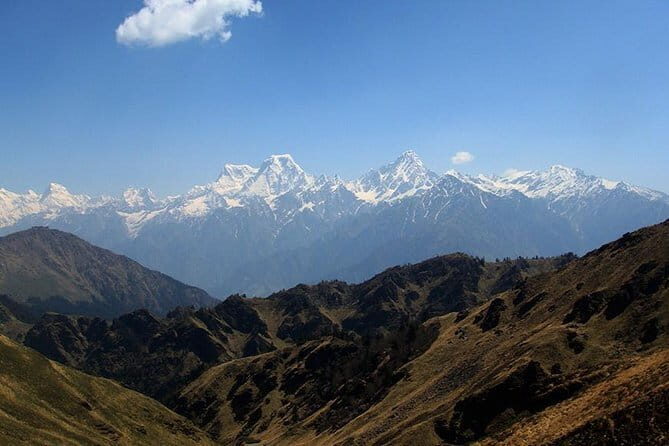
- Kauri Pass, Kauri Khal (3,800m): Aim for early top-of-pass timing on clear, cold mornings for big visibility.
- Peak spotting day: From the pass you may be able to see Nanda Devi (7816–7817m), Dunagiri (7066m), and Kamet (7756m).
- Long day via Sartoli: Day 5 runs about 8–9 hours as you rise toward Dhakauni (3,400m).
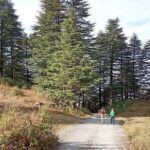
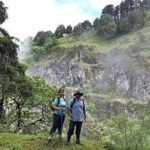
- Real Himalayan rhythm: You hike through a mix of village life, pristine wilderness, and wildlife country.
- Team that gets mentioned often: Guides such as Tenzin or Kiran, plus chef Calo, show up in feedback as helpful and organized.
Kuari Pass in plain terms: why this trek stays popular
Kuari Pass has the kind of reputation that doesn’t fade. It’s the sort of trek where you start noticing the weather before you even step outside: the air feels sharper, your pace naturally slows, and every hour seems to change the view. The best part is that it’s not only about one summit moment. You get days of Himalayan trails, small settlements, and open stretches where you feel the mountains close in.
The route is described as fairly moderate. That matters because Kuari Pass isn’t a “tiny hike with huge bragging rights.” You do need stamina. But compared with steeper, more technical treks, this one leans toward steady hiking, acclimatization, and smart pacing.
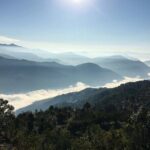
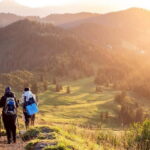
And then there’s the pass itself. The crossing day takes you up to Kauri Khal at 3,800m, and that’s where the “grand mountain views in the world” talk makes sense. On clear mornings, visibility can be excellent and the views can feel almost unfair—like the mountains are showing off.
You can also read our reviews of more hiking tours in Rishikesh
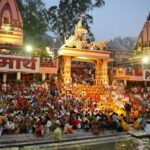
Rishikesh start: where your trek life begins at 8:00am
You meet at Red Chilli Adventure on Laxman Jhula Rd, Tapovan, Rishikesh with a start time of 8:00am. The meeting spot is noted as being near public transportation, which is handy if you’re building your trip independently around Rishikesh.
From there, the plan is a long drive day to get you into trekking position. You’ll head from Rishikesh to Ghat (2,000m) and then onward toward Chefna, which is where the trek effectively begins. This approach matters. It reduces the “wasted hours” of getting altitude too fast on Day 1, while still getting you moving early.
By the end of Day 1, you sleep in a tent at the campsite and dinner is served. That’s a good sign: you’re not guessing what your evenings will look like. Your body also learns the rhythm quickly—hike, eat, sleep, repeat.
Chefna to Ghuni: the first altitude lesson (without panic)
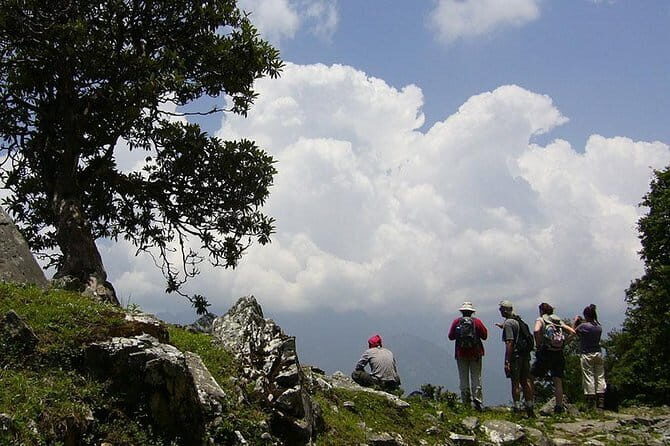
Day 2 runs Chefna (starting point) to Ghuni (2,550m) in about 3–4 hours. This is one of those days that feels like a warm-up, but it’s really doing something important. You’re giving your lungs a chance to adjust while you learn how the trail feels under your boots.
In a trek like Kuari Pass, that early “shorter day” is more than convenience. It helps you avoid the classic mistake: going too fast because the trail seems easy. A moderate start sets you up for later days that demand longer hours and higher climbs.
If you’re the type who likes to know what the day will feel like, this is the one. You get time to settle in, check your gear, and practice your hydration habits before the real push.
Semkherk Meadow: where the day turns from climbing into breathing
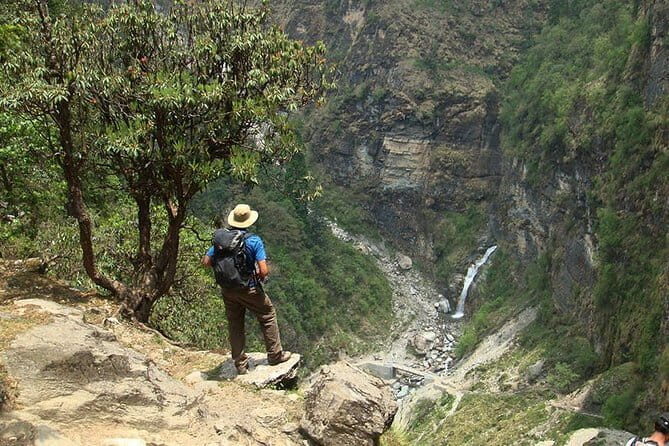
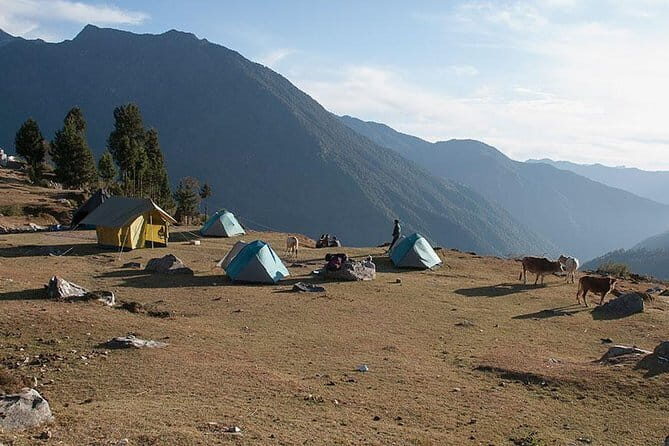
Day 3 goes from your previous camp zone to Semkherk Meadow (2,600m), roughly 5–6 hours. “Meadow” here is more than a label. It usually means more open walking, fewer tight climbs, and a chance to spot wildlife or simply enjoy the wide views.
This day is a useful balance: long enough to build legs, gentle enough to keep your breathing steady. If your pace tends to jump when the terrain opens up, keep it controlled. Save energy for later—especially the day that rises sharply toward 3,400m.
This is also where you start to notice the trek’s character: not just mountains in the distance, but the living rhythm of the route—quiet stretches, village-life moments, and wilderness that feels genuinely remote.
Kaliaghat (2,700m): the steady climb phase you shouldn’t rush
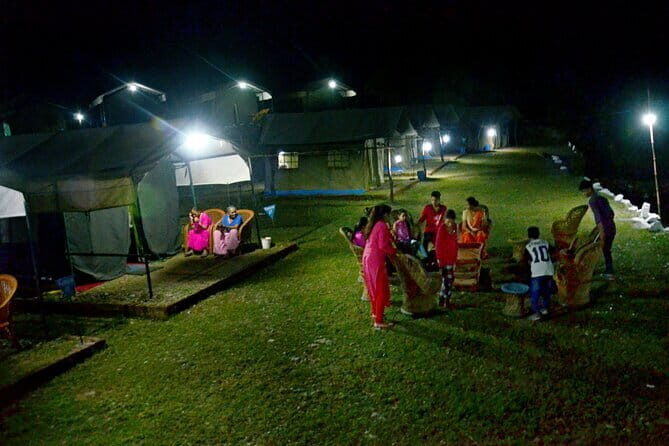
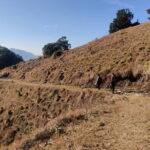
Day 4 treks to Kaliaghat (2,700m) for about 6 hours. Compared with Day 3, this is a straightforward climbing day. Expect steady walking rather than dramatic elevation changes, but the cumulative effort starts to add up.
This part of the trek is where good trekking habits pay off:
- Keep your steps small and consistent.
- Drink regularly even when you don’t feel thirsty.
- Don’t treat every uphill like a race.
At this stage, the mountain is starting to influence everything: your energy, your sleep, and even your appetite. The goal is to arrive at camp feeling like you could do a bit more, not like you’re scraping yourself off the trail.



Dhakauni via Sartoli: the long day that tests your stamina
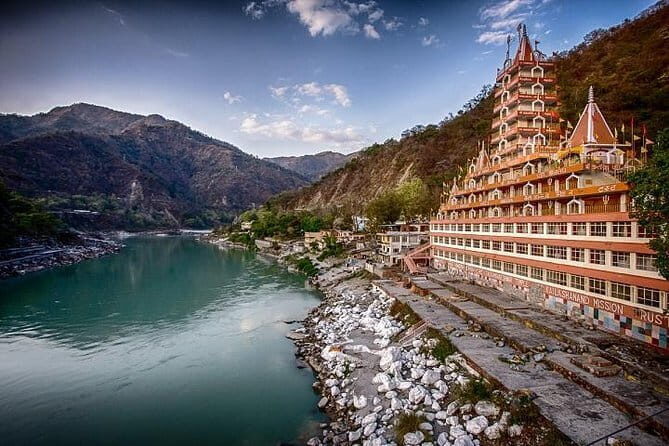
Day 5 is the “hold onto your rhythm” day. You hike to Dhakauni (3,400m) for about 8–9 hours, moving via Sartoli (-3,000m noted on the route) and then continuing upward.
Even without overthinking the numbers, you can treat this as the key endurance test before the pass crossing. It’s long. It’s a big elevation gain day. And it forces you to focus on steady effort rather than thrills.
This is also the day when you’ll want to be extra honest with yourself. If you find yourself struggling, you don’t push through by willpower alone—you adjust pace, shorten your breaks, and keep moving. Altitude punishes bad pacing.
A long day like this is also where organization matters. A well-run trek keeps the flow: when you stop, when you eat, and how you’re supported so you don’t waste time. The Red Chilli Adventure team is repeatedly described as organized and supportive, and that kind of reliability shows up most clearly on long days.
Kuari Pass crossing: Kauri Khal (3,800m) and the payoff views
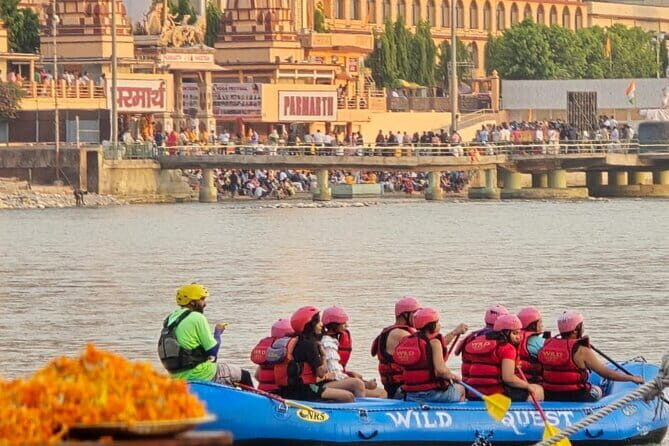
Day 6 is where the trek earns its name. You cross Kauri Pass, reaching Kauri Khal (3,800m), then trek about 5–6 hours to Tali.
This is typically the day people remember most, and for good reason. On a clear morning, the top can be reached around 7:00am, with cold air and sharp visibility. That timing matters: early cloud formation can steal the view later, while morning light gives you the best chance to see distant peaks clearly.
The views can include major Himalayan names such as Nanda Devi (7816–7817m), Dunagiri (7066m), and Kamet (7756m). People talk about a 360° viewpoint feeling during this crossing, and it tracks with what a high pass does to your sense of direction—it becomes a ring of mountains rather than a single “front view.”
But remember: this is also a cold, high-altitude day. Even if the weather looks fine at the start, temperatures can drop quickly. Dress for it. Take your slow, controlled pace seriously. The summit is not a sprint.
Tali to Dakbend or Auli, then Joshimath: closing the loop
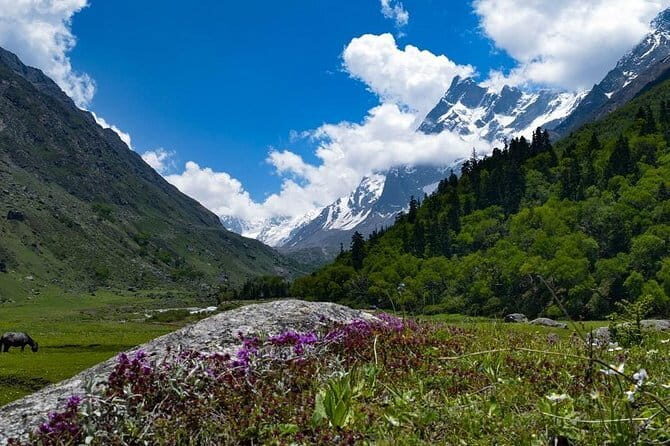
Day 7 heads from Tali toward Dakbend or Auli (2,500m) in about a full hiking day (the plan gives options rather than one fixed route), and then you drive to Joshimath.
This is a smart part of the experience. You’re not walking forever and you’re not jumping straight to the hardest parts again. You get a descent-oriented hiking feel after the pass. That matters for comfort and for how your body recovers.
Also, you get the practical reward of a drive. Joshimath is one of those places trekkers use as a stepping stone, and the transfer helps break the “always on the move” fatigue.
Final day back to Rishikesh: 9–10 hours of getting comfy again
Day 8 is a long drive back to Rishikesh (about 9–10 hours), with lunch on the way. The trek ends at the meeting point where you started.
If you’re planning a longer India trip, think of this last day like your “re-entry buffer.” You’ll likely still feel the trek in your legs, but you won’t be adding new altitude challenges. It’s a good way to transition back to normal meals, normal beds, and normal showers—assuming those are on your travel list.
Red Chilli Adventure support: guides, food, and day-to-day flow
This trek isn’t just about the mountain. It’s about how smoothly the whole human machine works: guide direction, camp setup, and food that keeps you going.
From the names that pop up in feedback, you may encounter staff like Tenzin or Kiran as guides, plus Calo as the chef (chef is explicitly referenced). There’s also mention of Vipin (the owner) responding quickly and supporting planning for trekking groups.
What I take from that, practically: a good team reduces the mental load. You’re not constantly wondering if the pace is right, when to stop, what to expect next, or whether your questions will get answered. On an 8-day trek, that matters as much as the view.
Food is also highlighted in feedback as a strong point. While the details of every meal aren’t spelled out here, the trek includes dinner on Day 1 and a full camping setup through the trek days—so you can reasonably expect you’ll be eating as part of the plan, not “surviving on snacks you brought.”
How hard is Kuari Pass, really? Fitness, altitude, and weather
The trek is noted as requiring moderate physical fitness. That’s the right baseline for most people who hike regularly, but it’s not a guarantee it will feel easy. Your biggest factors are:
- Altitude: You reach 3,800m at the pass.
- Long days: Day 5 is about 8–9 hours; Day 1 and Day 8 involve long travel days.
- Cold mornings: Early top-of-pass timing usually means chilly conditions.
Also, good weather is required. That’s not just a polite note. High passes depend on visibility and safe conditions. If weather turns, the experience may be canceled and you’ll be offered a different date or a full refund.
Altitude affects sleep and appetite. Your best move is pacing: steady effort, not heroic hiking. If you’ve never been above ~3,000m, consider taking altitude seriously and avoid sprinting the climbs.
What to pack for an 8-day trek (so you’re not miserable)
Your exact packing list isn’t provided here, so I’ll focus on what you should plan for based on the trek conditions described.
You’ll want to be ready for:
- Cold mornings (especially around the pass crossing day)
- Day hikes of 5–9 hours
- Tent camping with enough warmth for the evening
- Altitude dryness (chapped lips and dehydrating skin are common complaints for high hikes)
Practical packing advice:
- Dress in layers you can add or remove while hiking.
- Bring gloves or warm hand coverage for cold top mornings.
- Pack a system for keeping essentials dry.
- Expect your water needs to be real on longer days like Day 5.
If you’re unsure, ask your organizer what kind of temperatures they plan for, then adjust with conservative packing. For Kuari Pass, being warm is usually worth extra weight.
Price and value: what $2,000 per person buys you
At $2,000.00 per person for an 8-day trek, you’re paying for the full experience chain: guiding, route planning, camping logistics, and the support that turns “a hard idea” into a doable trek.
A few value signals matter here:
- You travel as a group, and the listing notes group discounts.
- It’s private for your group, so you’re not mixing with strangers from many different tours.
- There’s a mobile ticket, which tends to make check-in smoother.
- The plan includes camping with dinner and multi-day trek support, not just a bare trekking route.
Could it be expensive? Sure—if you’re the kind of traveler who enjoys assembling everything yourself and don’t mind extra uncertainty. But Kuari Pass isn’t a place where you want chaos. The cost is partly paying for risk management: pacing decisions, camp timing, and making sure your trek has a clear end date and transfer back to Rishikesh.
If you’re hiking in pairs or a small group, the math can improve because group discounts are mentioned.
Who should book Kuari Pass, and who might not love it
This trek is a great fit if you:
- Want a moderate trek with real altitude payoff
- Enjoy village and wilderness travel, not just summit photos
- Like the idea of tent camping as part of the adventure
- Are prepared for long walking days and cold mornings
You might think twice if you:
- Have trouble with hiking 6–9 hours days
- Are sensitive to altitude and haven’t done similar elevation trekking
- Don’t handle cold well, since the pass day timing can be crisp
Also, if you need a trip that is mostly walking and no logistics, this is still a trek with daily camp flow. You’re signing up for a real expedition rhythm, not a leisurely nature stroll.
Should you book Kuari Pass Trek (8 Days) with Red Chilli Adventure?
If your goal is a classic Himalayan trek with authentic trail time and a strong chance of seeing major peaks from a high pass, I’d book it. The combination of 3,800m Kauri Khal, a well-defined multi-day route, tent camping, and a team that people describe as attentive makes this feel like a proper trekking package—not just a route on a map.
If you do book, go in with two mindsets: pace slowly enough to enjoy the climb, and treat the pass day as the cold, early highlight it is. That way the long hours feel earned instead of annoying.
FAQ
FAQ
Where does the Kuari Pass Trek start?
The trek starts at Red Chilli Adventure on Laxman Jhula Rd, Tapovan, Rishikesh, Uttarakhand, India (near public transportation).
What time does the tour begin?
The start time is 8:00am.
How long is the trek?
It’s listed as 8 days (approx.).
What is the highest altitude on this trek?
The pass crossing reaches Kauri Khal at about 3,800m.
Is this trek for beginners or experienced hikers?
It’s described as suitable for travelers with moderate physical fitness.
Is it a private tour?
Yes. It’s private, meaning only your group participates.
Do I get a ticket on my phone?
Yes. A mobile ticket is mentioned.
What happens if weather is poor?
The experience requires good weather. If it’s canceled due to poor weather, you’ll be offered a different date or a full refund.
What is the cancellation policy?
Free cancellation is available if you cancel up to 24 hours in advance for a full refund. If you cancel less than 24 hours before the start time, the amount paid is not refunded.