REVIEW · GOA
Chef Kamal’s Indian Cooking Classes
Book on Viator →Operated by Spicy Bella Cooking Classess · Bookable on Viator
Fresh spice lessons in Goa sound too good. This is a practical, hands-on Indian cooking class in Calangute, North Goa with Chef Kamal Varma of Spicy Bella, focused on how to build flavor step by step. I love that the class is organized around mother sauces, so you’re not just copying one dish—you’re learning the engine behind Indian gravies. I also like the careful, friendly teaching style that keeps the processes clear and doable, even if your spice skills are still warming up.
One thing to consider: the class timing and exact flow can depend on which course format you pick and what ingredients you’ll be working with, so go in ready to adapt rather than expecting the same menu every time.
Because this runs with a small group (up to 10), you get more attention while you cook, taste, and adjust. And since the activity ends back at the meeting point, it’s an easy add-on to a day in Goa instead of a big hassle.
In This Review
- Key highlights before you book
- Chef Kamal’s class: Indian cooking as a repeatable system
- Picking your course: mother sauces, curries, street snacks, sweets, and thali
- Where you start in Calangute and how the session tends to feel
- Mother sauce training: learning the base behind curry
- Spice mixology and balancing flavors in real time
- Goa influence: traditional styles plus Goan Portuguese flavors
- What you actually eat: included basics and how they support the lesson
- The small-group advantage: why a max of 10 changes everything
- Price value in Goa: what $85.11 buys you (and what it doesn’t)
- Weather, timing, and the practical reality of scheduling
- Who should book Chef Kamal’s Indian cooking class
- Quick tips to get the most out of your class
- Should you book this cooking class?
- FAQ
- What is the duration of Chef Kamal’s Indian Cooking Classes?
- Where does the class take place?
- How much does it cost?
- How big is the group?
- What’s included in the class?
- Are alcoholic beverages included?
- What cooking course options are available?
- How soon will I get confirmation after booking?
- How does the provider notify you about the session?
- What if the class is canceled due to weather?
Key highlights before you book
- Mother sauces as a real “flavor blueprint” so you can recreate more than one curry later.
- Spice blending that teaches balance, not just how much powder to dump in.
- Goa-focused options, including Goan Portuguese-style sauce paths and thali formats.
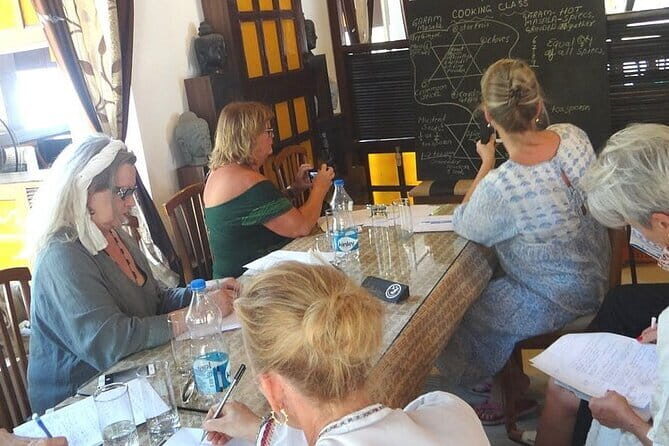
- Hands-on group class with a max of 10 people for better guidance.
- Food supports farmers and empowerment, with 20% of earnings directed to that mission.
Chef Kamal’s class: Indian cooking as a repeatable system
If you’ve ever felt that Indian food recipes are either too vague or too complicated, this class aims right at the middle. Instead of treating curry as a single recipe, Chef Kamal teaches it as a set of building blocks—especially the role of mother sauces. You learn how those bases work, then you apply them to different curries and variations.
That structure is the biggest reason this is worth your time. You’re not just learning what to make once; you’re learning how to make decisions in the kitchen. When you understand the foundation and the spice balance, you can adjust at home based on what you have.
Chef Kamal Varma is the head of this experience, and the class is tied to Spicy Bella, his well-known restaurant in Goa. That matters because restaurant cooks tend to think in technique and taste-testing, not just steps. You’ll feel that in the way the class emphasizes process and flavor judgment.
You can also read our reviews of more cooking classes in Goa
Picking your course: mother sauces, curries, street snacks, sweets, and thali
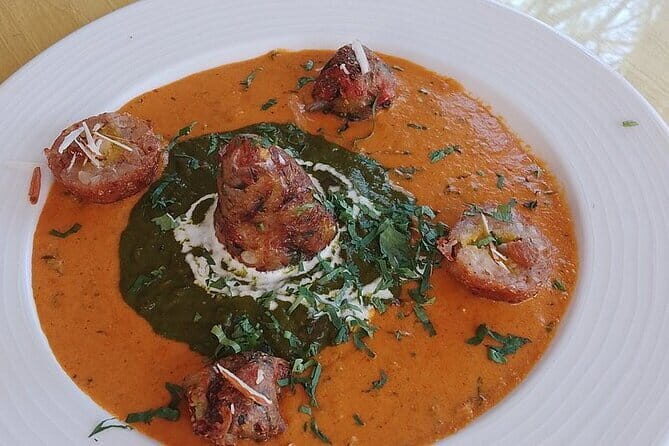
The class offers multiple formats, and that’s great news because you can match your interest level. Some options focus heavily on sauce building and curries. Others shift toward specific styles like Goan Portuguese mother sauce, or toward meal-style formats like thali. If you love the idea of eating your way through a class, you’ll likely enjoy the snack-and-sweets routes too.
Here are the course types listed for this cooking experience:
- A longer sauce-and-curry lineup (for example 4 mother sauces + 4 exotic curries + spice mix)
- Shorter combinations (including 1 mother sauce + 2 curries style options)
- Goan or domestic-focused paths (including Goan Portuguese mother sauce routes)
- Specialty selections like koftas, pasanda, and kormas
- Rice-item formats such as khichdi, pulao, and biryani
- Thali making combining North Indian and Goan-style dishes
- Street snacks (5 items) and popular sweets (5 items)
The practical takeaway for you: choose the format that matches what you want to reproduce later. If you’re a “make curries from scratch” type, lean toward mother sauce-heavy options. If you mostly want a memorable Goa-style cooking day with lots of bite-sized wins, select the street snacks or thali route.
Also, the listed duration is flexible—think about 2 to 5 hours depending on the course format. Even if you’re short on time, you should find an option that fits, as long as you plan for a real cooking session rather than a quick demo.
Where you start in Calangute and how the session tends to feel
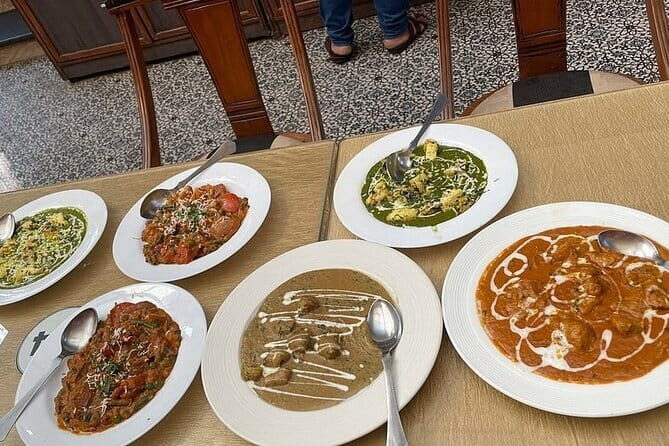
You’ll meet at GQJ7+HG9, Jukebox Ln, Gauravaddo, Calangute, Goa 403515, India, and the activity ends back at the same meeting point. Knowing that makes planning easier. You’re not stuck figuring out a separate drop-off location.
There’s also a small but important detail: the cooking classes are conducted only on prior notice or advance intimation sent by email or WhatsApp ([email protected] and +91 9637808430 are listed). Translation for your planning: don’t assume you’ll just show up whenever you feel like it. Keep an eye on your messages so you’re on the right track for your exact session.
With a maximum of 10 travelers, the vibe is closer to a real cooking class than a crowded tour stop. That smaller size is what lets you ask questions during the cooking process instead of waiting until the end.
Mother sauce training: learning the base behind curry
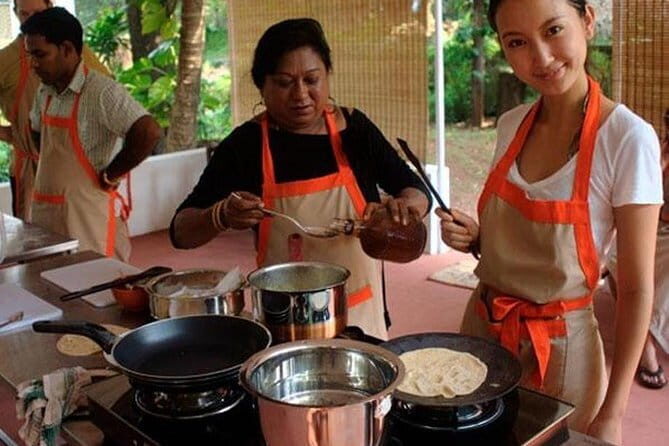
Mother sauces are the backbone of many Indian and Indian-inspired gravies, and the class treats them like a skill you build. In plain terms, a mother sauce is the foundational gravy you can transform through spices, aromatics, and finishing choices.
In your session, you’ll learn how those bases are prepared and how they connect to the curries you’ll make. That’s a big deal for home cooking. Most people struggle because they follow a curry recipe once, then can’t reproduce it later. The mother sauce approach helps you understand the “why” behind the taste.
When the class walks you through the process carefully, you’ll get a better sense of what to watch for: texture changes, the way spices release flavor, and how the sauce becomes the right consistency for the curry you’re aiming for. The goal is confidence, not just completion.
Chef Kamal also frames this as part of a wider understanding of Indian cuisine—traditional and contemporary approaches. Even if you pick just one course option, the idea is that you leave with a technique you can keep using.
Spice mixology and balancing flavors in real time
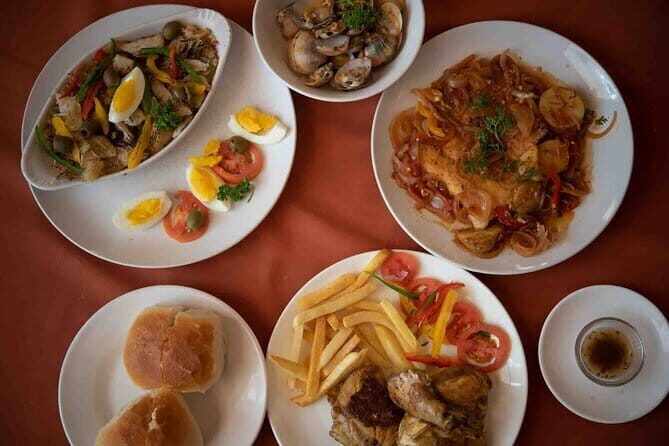
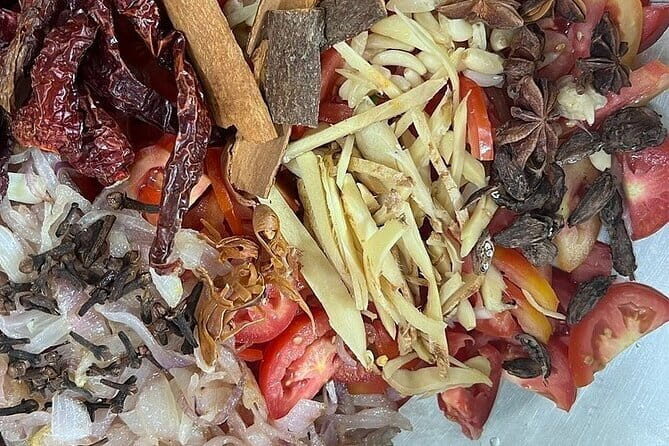
The class description calls it curry mixology, and that phrase actually fits what you’ll do. Spice work in Indian cooking isn’t only about heat. It’s about timing, blending, and balance—especially when you’re building a curry that should smell layered, taste balanced, and not turn bitter or flat.
You’ll get guidance on spice blending to elevate flavor, and you’ll practice seasoning in the context of the curries you’re making. That’s where a class beats a cookbook. You can adjust as you go, and the teaching style is designed to keep those adjustments practical.
If you’ve ever wondered what makes one curry taste deeper than another, this is the answer: you learn how spice blends interact with the base sauce. You also learn to think in balance—how spices, aromatics, and cooking steps affect one another.






Goa influence: traditional styles plus Goan Portuguese flavors
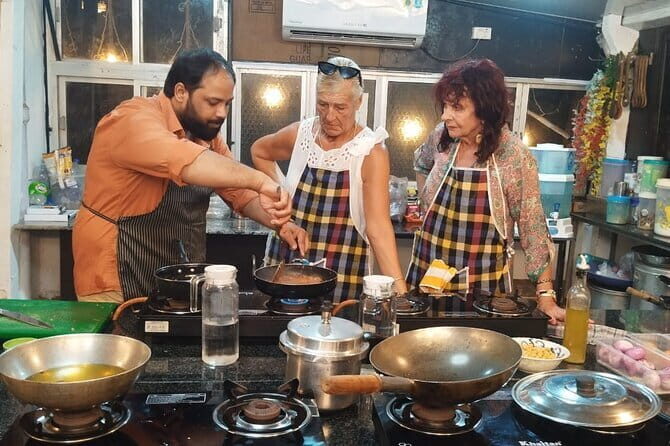
Because this is in Goa and connected to Spicy Bella, you’ll likely notice a clear regional angle. The course options explicitly include a Goan Portuguese mother sauce track, plus combinations described as Goan and North Indian domestic food. There’s also a thali making option that pairs North Indian and Goan dishes.
So even if you’re a first-time Indian cuisine cook, you’re not only learning the most widely known versions. You’re also getting exposure to how Indian cooking shifts when Portuguese influence and local ingredients shape the style.
This matters for your future meals. Goa cooking often brings a slightly different flavor balance than what you might expect from strictly North Indian restaurant curries. Learning these variations gives you more flexibility at home. You’ll have more ways to make Indian food feel fresh instead of copy-paste.
What you actually eat: included basics and how they support the lesson
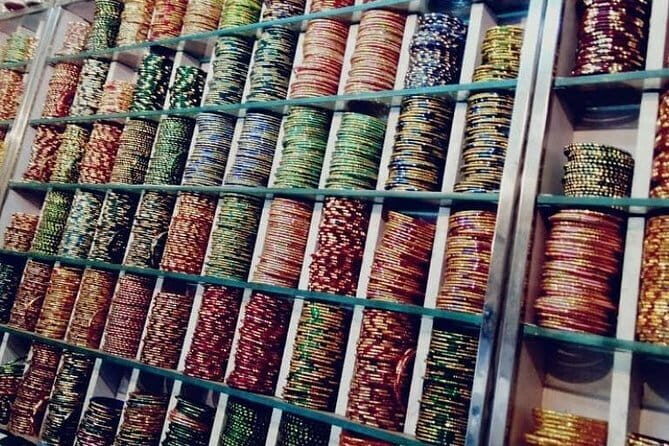
The included food list is practical: you’ll have tea and/or coffee, bottled water, roti, and rice. Alcoholic beverages are not included.
Those basics matter because they help you test and adjust what you’re making. Roti and rice are flexible partners for curries, and in a class setting they let you evaluate seasoning and texture as you go. You can see whether the curry works as a gravy with bread or as a sauce for rice.
If you’re planning a full day in Goa, this is a plus. You won’t need to find your own snack midway through. You can focus on cooking and tasting.
The small-group advantage: why a max of 10 changes everything
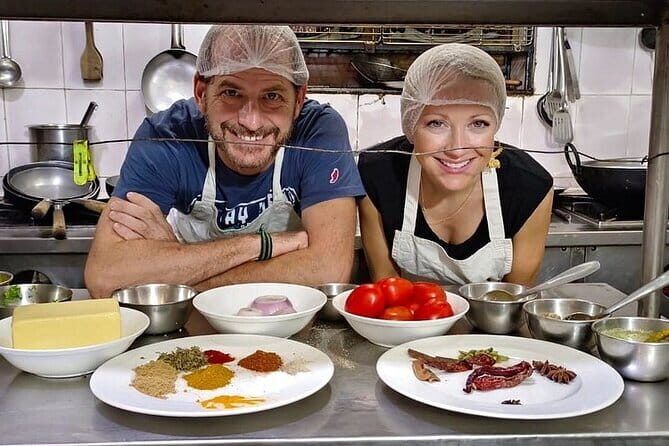
A maximum of 10 travelers isn’t just a number. It changes how you learn. In a smaller group, you can watch technique more closely, get help faster, and ask questions before you’ve already made a mistake.
This class also emphasizes friendliness and careful explanation during the process. That combination—small group plus patient teaching—makes a huge difference if you’re not already comfortable with Indian spice work.
For you, that means less stress. You can concentrate on doing the steps correctly and adjusting flavor as you cook, rather than worrying about catching up.
Price value in Goa: what $85.11 buys you (and what it doesn’t)
At $85.11 per person, this class sits in a price range that’s typical for a hands-on meal experience. The value comes from three things you actually get: instruction from Chef Kamal Varma, hands-on cooking time, and a structured plan around mother sauces and curries.
Included items—tea/coffee, bottled water, roti, and rice—also help keep the cost from creeping up during the session. The experience is limited to small groups, so you’re not paying for a crowded show.
What’s not included: alcoholic beverages. If you drink alcohol, you’ll want to budget for that separately.
Another value angle that’s easy to miss: the class includes a clear sustainability and community mission. The info states that 20% of earnings supports farmers and also supports children and women empowerment. If that kind of social impact matters to you, it adds weight to the price.
Weather, timing, and the practical reality of scheduling
The experience requires good weather. If it gets canceled due to poor weather, you should be offered a different date or a full refund. Since it’s in Goa, weather can change quickly, so it’s smart to plan with flexibility if you’re traveling during a more unpredictable stretch.
Confirmation is also stated to arrive within 48 hours of booking, subject to availability. So if you’re planning tightly, don’t leave it to the last minute.
And remember the class is run only on prior notice or advance intimation via email or WhatsApp. When you arrive in Goa, keep your phone accessible and check your messages around your booking date.
Who should book Chef Kamal’s Indian cooking class
This class is a great fit if you want more than a one-off curry. You’ll enjoy it if you:
- Want to learn mother sauces so you can cook multiple curries later
- Like spice work and want help balancing flavors
- Prefer a small-group class with hands-on instruction
- Care about food that connects to local farmers and empowerment
It’s also a good choice if you’re in Goa and want a structured cultural activity that’s centered on cooking, not just sightseeing.
If you’re the type who only wants a quick recipe with no technique, you might find the mother sauce focus more than you need. But for most people looking for lasting skills, that structure is the point.
Quick tips to get the most out of your class
Bring curiosity and a willingness to taste and adjust. Spice cooking rewards attention to flavor, not just following steps.
Wear something comfortable for standing and cooking. You’ll be working through processes that take time.
If you have dietary preferences, it’s worth checking directly with the provider before you arrive, because the course formats and ingredients can vary based on the option you choose. The class depends on proper scheduling and the right ingredients for that session.
Should you book this cooking class?
Yes—if you want a hands-on Indian cooking experience that teaches technique you can use again. The mother sauce focus gives you real staying power, and the small-group format makes the learning feel personal rather than rushed. I also like that the class isn’t only about food; it includes a community-support angle tied to farmers and empowerment.
Skip it only if you’re looking for a short demo, or if you need rigid timing with no flexibility. Otherwise, Chef Kamal Varma’s approach is exactly the kind of practical Goa experience that makes your time feel useful, tasty, and memorable.
FAQ
What is the duration of Chef Kamal’s Indian Cooking Classes?
The class runs about 4 hours on average, and the course duration is listed as 2–5 hours depending on the course format.
Where does the class take place?
It’s in North Goa, with the meeting point listed at GQJ7+HG9, Jukebox Ln, Gauravaddo, Calangute, Goa 403515, India.
How much does it cost?
The price is $85.11 per person.
How big is the group?
This activity has a maximum of 10 travelers.
What’s included in the class?
Included items are tea and/or coffee, bottled water, roti, and rice.
Are alcoholic beverages included?
No, alcoholic beverages are not included.
What cooking course options are available?
There are multiple options, including combinations of mother sauces and curries, Goan Portuguese mother sauce routes, rice-item formats like khichdi/pulao/biryani, thali making, street snacks, and popular sweets.
How soon will I get confirmation after booking?
You should receive confirmation within 48 hours of booking, subject to availability.
How does the provider notify you about the session?
The classes are conducted only on prior notice, with advance intimation sent by mail at [email protected] or by WhatsApp at +91 9637808430.
What if the class is canceled due to weather?
The experience requires good weather. If it’s canceled due to poor weather, you’ll be offered a different date or a full refund.
If you tell me which course format you’re considering (mother sauces + curries, thali, snacks, sweets, or rice items), I can help you pick the best match for your cooking goals.