REVIEW · NEW DELHI
Ganges Tour
Book on Viator →Operated by Seven Wonder Tours (Taj Day Tours) · Bookable on Viator
A Ganges sunrise is worth the trip. This tour strings together Delhi, Jaipur, Fatehpur Sikri, Agra, and the river rituals on the Ganges, with private guides and an A/C driver so you spend less time figuring things out. I especially like the private A/C car + chauffeur setup and the city-by-city private guide approach that helps you move efficiently between big sights.
The one thing to watch is that the tour cost doesn’t clearly cover every monument entrance and camera-related fee. Even though some days list admission as included, the overall details say monument entrance fees are not included, so you’ll want to budget for tickets at the gates and check your exact inclusions before you go.
In This Review
- Key highlights I’d plan around
- A Ganges-focused loop through Delhi, Jaipur, Agra, and the river ghats
- Price and value: what $589 covers (and what doesn’t)
- Day 1 in New Delhi: airport handoff and time to reset
- Day 2: Humayun’s Tomb, Old Delhi lanes, and New Delhi monuments
- Day 3: drive to Jaipur and the option to keep the night light
- Day 4: Amber Fort with elephant ride, plus Hawa Mahal and Jantar Mantar
- Day 5: Fatehpur Sikri, Akbar’s former capital, then Agra check-in
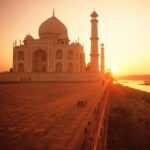
- Day 6: Taj Mahal at sunrise, then Red Fort, Baby Taj, and an Agra shopping stop
- Day 7: Varanasi on the Ganges—ghats, temples, and handloom sari craft
- Day 8: sunrise boat on the Ganges and the trip back to Delhi
- Tips to make the tour feel smooth (not stressful)
- Should you book the Ganges Tour?
- FAQ
- How long is the Ganges Tour?
- What cities and areas does the tour cover?
- Is the tour private or group-based?
- Do I get airport pick-up and drop-off?
- What kind of transport is included during the trip?
- Are entrance tickets to monuments included?
- Is the train from Agra to Varanasi included?
- What Ganges activities are included?
- Is free cancellation offered?
- Are service animals allowed and is the tour generally doable?
Key highlights I’d plan around
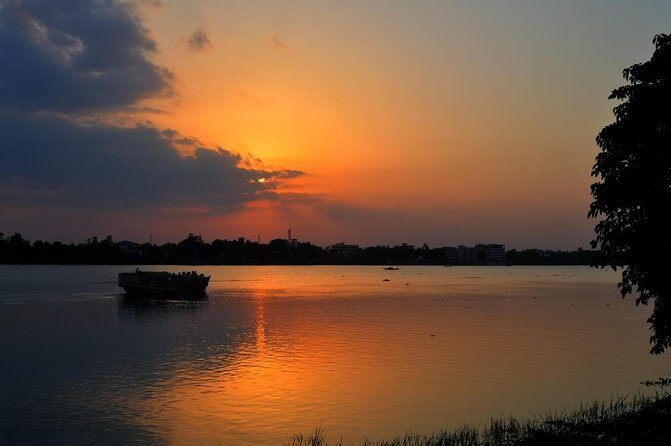
- Sunrise boat on the Ganges to see bathing ghats and Hindu rituals from the water
- Taj Mahal early visit plus a golf cart ride to save time on foot
- Old Delhi shopping lanes with a tuk-tuk ride in Chandni Chowk
- Amber Fort day with an included elephant ride and big-fort views
- Varanasi craft stop at a handloom sari workshop, not just temples and clocks
A Ganges-focused loop through Delhi, Jaipur, Agra, and the river ghats

This is not a fly-by itinerary. It’s built as a loop: start in New Delhi, work your way west-to-east through India’s best-known monuments, then pivot to the Ganges at Varanasi for the part most people actually remember.
What makes the route feel practical is how the days are grouped. You get major Delhi sights in one go, then Jaipur’s palace-fort zone, then Fatehpur Sikri and Agra, and finally the Ganges-side experience where the walking is part of the point. If you care most about the river, you’ll like that the schedule includes a boat ride at sunrise plus a full Varanasi city tour along the ghats.
One quick note: the tour overview says Haridwar/Rishikesh, but the day-by-day plan you have here focuses on Varanasi. Before you book, confirm which Ganges stretch you’ll actually cover in your final itinerary.
You can also read our reviews of more tours and experiences in New Delhi.



Price and value: what $589 covers (and what doesn’t)
At $589 per person for about 8 days, this price looks reasonable if you compare what’s included versus what you’d likely pay if you tried to DIY. A big chunk of the value is built into the comfort and time savings:
- 7 nights accommodation in double sharing (based on the all-inclusive tier you choose)
- Daily buffet breakfast
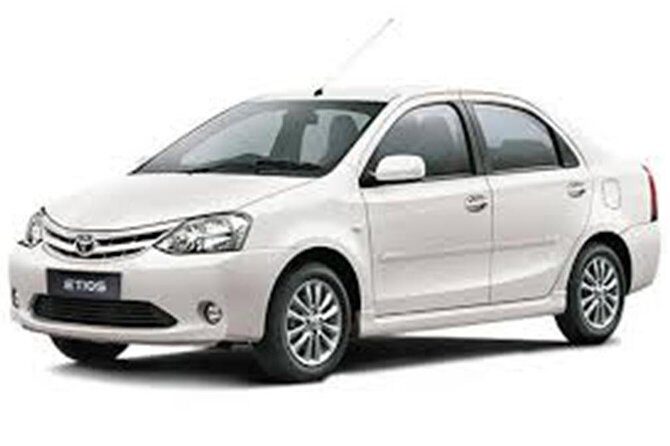
- Exclusive A/C private car with a well-experienced chauffeur
- Airport pick-up and drop by the chauffeur
- Private tour guide in each city
- A few timed, “helpful” add-ons like tuk-tuk in Chandni Chowk and golf cart at Taj Mahal
- A/C train ticket from Agra to Varanasi if you choose the train option
What you’ll probably pay separately:
- Monument entrance fees (and camera fees)
- Meals beyond breakfast, plus tips/gratuities and personal expenses
- Any optional add-ons like Chokhi Dhani dinner (not included)
- Anything not explicitly listed
So the trick is not to compare the headline price to entrance-ticket costs. Compare it to the full package: car, guides, hotels, and the timed “transport friction” items. You’re paying for fewer hassles.
Day 1 in New Delhi: airport handoff and time to reset

Your first day is simple by design. You land in Delhi, handle customs and immigration, then meet the company representative outside the arrival hall exit. After that, you transfer straight to your hotel and spend the rest of the day at leisure.
This matters more than it sounds. Jet lag hits harder when your first afternoon is supposed to be a big sightseeing push. Here, you get the night to recover and adjust to the weather.
The other practical win: the tour doesn’t make you guess about the first transfer. You get chauffeur-led airport pick-up and later departure drop as well.
Day 2: Humayun’s Tomb, Old Delhi lanes, and New Delhi monuments
Delhi is split into two moods: older markets and grander government/imperial landmarks. This day uses that logic.
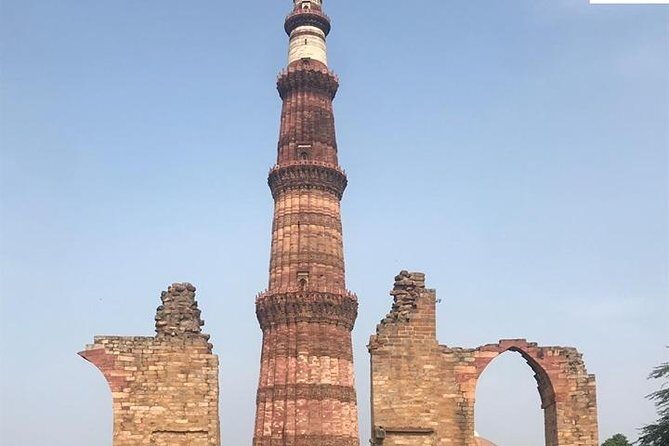
In Old Delhi, you’ll see sights like Red Fort and Jama Masjid, plus the famous market area around Chandni Chowk. In the New Delhi portion, you’re looking at India Gate, Lakshmi Narayan Temple, Humayun’s Tomb, Qutub Minar, Akshardham Temple, and the National Art Gallery area (your day is framed around covering both halves of the city).
You also get a tuk-tuk ride in Delhi’s Chandni Chowk area. That small included ride can make the market day feel less like slogging through traffic and more like a guided wander.
Evening plans are left flexible: you can explore local markets and choose dinner. That’s a good choice in Delhi, where food is personal. If you have dietary needs, this flexibility helps you avoid feeling locked into one option.
Budget/pace note: the day is listed at about 5 hours of touring. That’s enough to see a lot, but not enough to linger for long stops at every monument. If you prefer slow and photo-heavy, plan to prioritize a few must-sees and accept that others will be “see it, then move on.”
Day 3: drive to Jaipur and the option to keep the night light
After breakfast, you’ll drive to Jaipur and check in. The morning is mostly travel, and the plan gives you rest time after arrival.
In the evening, you have optional entertainment choices: Rajmandir cinema hall (known for interiors) or Chokhi Dhani, a five-star ethnic village resort for dinner, paid directly. Even if you skip both, you’ll likely appreciate the lighter day after Delhi’s intensity.
This is also a good day to think about your comfort level for the next day’s forts. Amber Fort is a full, active outing, and you’ll want your energy back.



Day 4: Amber Fort with elephant ride, plus Hawa Mahal and Jantar Mantar
This is the big Jaipur day, and it’s built around changing scenery: fort-to-fort in the morning, then city icons in the afternoon, then sunset-ish stops and craft shopping in the evening.
Morning includes Amber Fort with an elephant ride, then Jaigarh Fort, where you get to see the claim of the largest cannon on wheels. Lunch happens during the middle of the block, so you’re not racing around hungry.
After lunch, you shift into Jaipur’s signature architecture: Hawa Mahal (Palace of Wind), City Palace, Albert Hall Museum, and Jantar Mantar (the astronomical observatory). Later, you visit Jal Mahal, the palace with a lake backdrop.
Then comes the “modern India in real time” part: a rug factory visit or a gem factory visit. Expect to see craft work up close and watch the process—these stops can also come with sales talk, so go in with a clear mindset. If you want a souvenir, decide what you’re looking for ahead of time.
An optional Birla Temple stop can be added on the way back. You can treat that as a bonus if you still have energy at night.
Day 5: Fatehpur Sikri, Akbar’s former capital, then Agra check-in
You start with breakfast, then drive toward Agra. Along the way, you visit Fatehpur Sikri, described as the former capital of Emperor Akbar.
This stop is valuable for two reasons. First, it’s a palate cleanser from the busy feel of Delhi and Jaipur. Second, it gives context for how rulers reshaped India’s architecture and power centers—so Agra’s Mughal focus later feels less random.
After Fatehpur Sikri, you continue to Agra and check into your hotel for the night.
One practical tip: this day is about one major “big site” plus travel. If you’re the kind of traveler who loves museums more than monuments, you might still enjoy this, but treat it as a “visual immersion day,” not a hands-on learning day.
Day 6: Taj Mahal at sunrise, then Red Fort, Baby Taj, and an Agra shopping stop
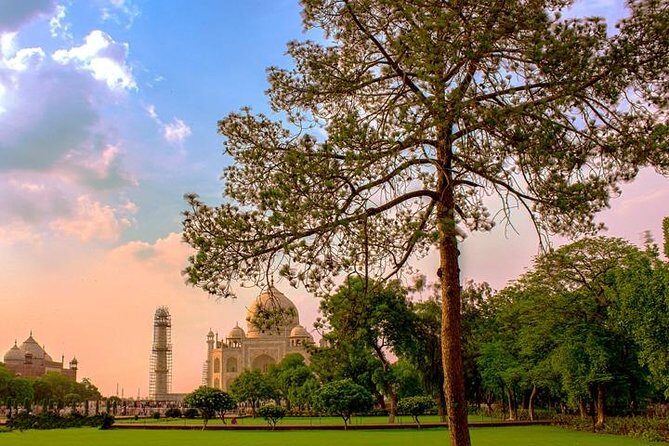
This day starts early on purpose: you go to the Taj Mahal at sunrise. Seeing it early helps you avoid crowds and gives the light a cleaner look for photos (plus it just feels calmer at that hour).
You’re also scheduled for a golf cart ride at the Taj Mahal, which is a smart included convenience if your legs need a break. After the sunrise visit, you return for breakfast.
Then the plan keeps rolling: check-out and visit Red Fort, followed by lunch at a Mugali restaurant, then Itmad-ud-Daula (often called Baby Taj). After sightseeing, you transfer to a marble gallery described as a flagship store for white marble items and related goods.
Finally, you head to the train station to board your overnight train to Varanasi. That A/C cabin option is listed as part of the experience package if you select it, and it’s one of the reasons the itinerary can cover the Ganges properly without wasting a full day on travel.
Reality check: the day is packed. Even with the cart ride and planned meal, you’re bouncing between several major sights. If you’re sensitive to long walking and tight timetables, bring a comfortable layer for morning chill and plan water breaks.
Day 7: Varanasi on the Ganges—ghats, temples, and handloom sari craft
This is where the tour shifts from monuments to living river culture.
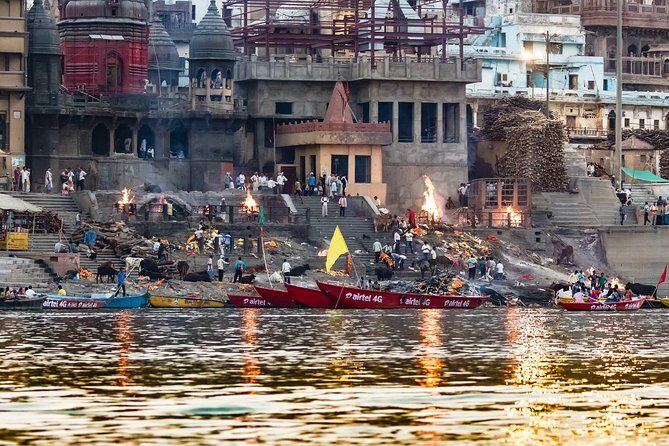
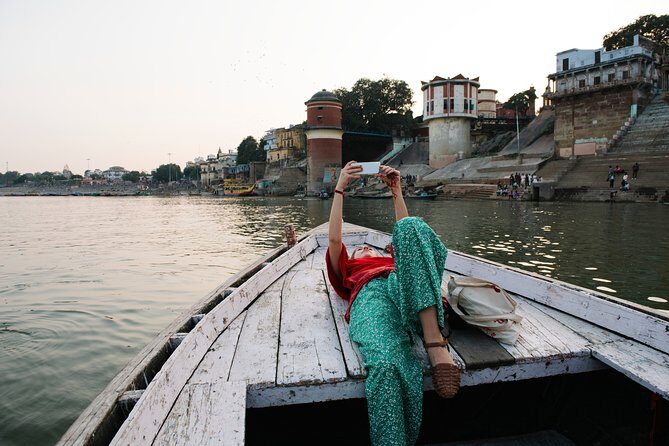
You arrive at Varanasi railway station, transfer to your hotel, freshen up, then head out for a city tour. The plan frames Varanasi as a place with around 2,000 temples along the Ganges, and it’s built around the pilgrimage focus of the ghats.
On the itinerary: Bharat Mata temple, exteriors of Vishwanath temple, and the Durga temple. The schedule also includes time at a handloom sari factory, where you can watch craft work connected to traditional clothing.
There’s also mention of bathing at the river ghats. If that’s part of what you want, your guide will steer you, but if you’d rather watch rather than participate, that’s typically your choice in places like this. Either way, it’s a day that’s more about atmosphere than checkpoint counting.
One more practical note: Varanasi mornings and evenings can bring big crowds near water. Keep your belongings secure and follow your guide’s pacing—this is not the place to wander off “just for a minute.”
Day 8: sunrise boat on the Ganges and the trip back to Delhi
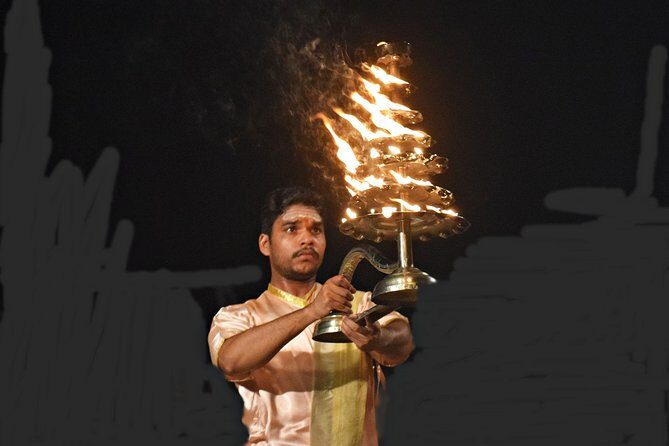
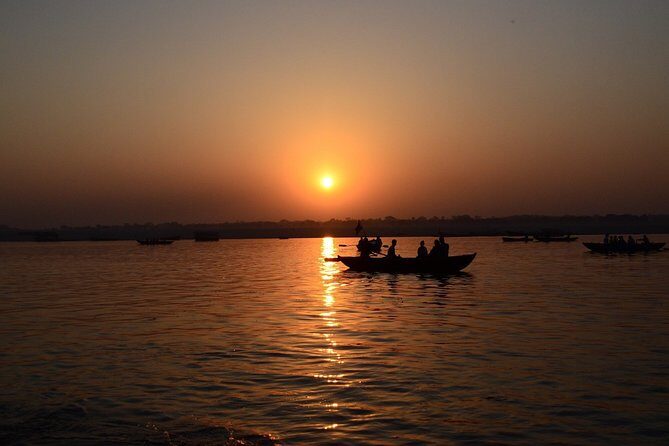
Your final morning begins with the most iconic part of the tour story: a boat ride on the Ganges for sunrise.
The plan specifically calls out Hindu rituals at bathing ghats and watching the sunrise from the river. That’s the kind of experience you don’t get from a viewpoint across town. It’s also the reason the tour needs this last-day timing—so the river is not just a side stop.
After the boat ride, you return to the hotel for breakfast. Then you meet the team again for assistance and transfer to the airport in Varanasi to fly back to Delhi, and finally connect onward to your international flight.
This is a travel day, so give yourself a bit of mental space. Even when everything runs on time, airports have their own tempo.
Tips to make the tour feel smooth (not stressful)
Here’s how to get the best version of this trip, based on what the schedule actually asks of you:
- Budget for monument tickets and camera fees. The tour package includes a lot, but the fine print says monument entrance fees are not included, and camera fees are called out too.
- Plan for early starts. Sunrise Taj Mahal and sunrise boat rides mean mornings are non-negotiable. Pack sleep-friendly items: a light layer, water, and a simple breakfast routine.
- Be ready for “craft stop” time. Rug and gem factory visits are included, and those stops often include selling. Decide your spending limits before you arrive.
- Bring comfortable shoes. Even with golf carts and tuk-tuks, you’ll still walk through multiple historic areas.
- Lean on the WhatsApp-style coordination. In the feedback tied to this operator, people highlighted fast route and hotel updates and smooth handling of requests. That usually means you’ll get clear, timely answers if plans change.
Also, if you care about seeing Haridwar or Rishikesh as mentioned in the overview, confirm it early. Your day-by-day plan here emphasizes Varanasi, so you’ll want clarity on which Ganges segment you’ll experience.
Should you book the Ganges Tour?
I’d book it if you want a well-structured private itinerary that covers major North India sights and then turns toward the Ganges with sunrise moments. It’s especially a good fit if you like the idea of local guides, private transport, and pre-planned timing so you can focus on the sights instead of logistics.
I would pause and compare if:
- You expect all monument entrances and camera fees to be fully covered.
- You dislike early mornings and packed sight days.
- You specifically want Haridwar/Rishikesh, since the day-by-day plan you provided centers on Varanasi.
If you do book, message the operator before departure with your priorities (Ganges stretch, shopping limits, and any must-sees). A tour that’s truly customizable only works if you steer it.
FAQ
How long is the Ganges Tour?
It’s listed as an 8-day tour (approx.).
What cities and areas does the tour cover?
The overview says Delhi, Jaipur, Fatehpur Sikri, Agra, and Haridwar/Rishikesh. The day-by-day plan you provided includes New Delhi, Jaipur, Fatehpur Sikri, Agra, and a Ganges experience in Varanasi.
Is the tour private or group-based?
It’s private. Only your group participates, and there’s a private tour guide in each city.
Do I get airport pick-up and drop-off?
Yes. You get airport pick-up and drop by an exclusive A/C private car, plus assistance from the company representative at arrival and departure.
What kind of transport is included during the trip?
Sightseeing and transfers are handled by an exclusive A/C private car with a chauffeur, plus specific ride add-ons like a tuk-tuk ride in Delhi and a golf cart ride at Taj Mahal.
Are entrance tickets to monuments included?
Monument entrance fees are listed as not included. Some days label admission as included or free, so it’s smart to confirm exactly which tickets you’ll pay for in your final confirmation.
Is the train from Agra to Varanasi included?
There is a train ticket in an A/C cabin from Agra to Varanasi if you choose the train option.
What Ganges activities are included?
The tour includes Varanasi sightseeing along the Ganges, and an early morning sunrise boat ride on the Ganges with Hindu rituals at the bathing ghats.
Is free cancellation offered?
Yes, there is free cancellation up to 24 hours in advance for a full refund.
Are service animals allowed and is the tour generally doable?
Service animals are allowed. The tour is listed as near public transportation and most travelers can participate.