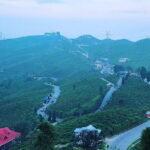
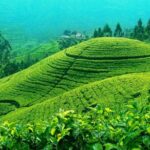
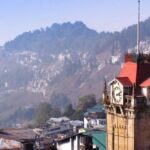
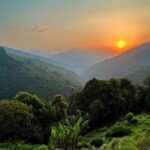
A mountain trip that feels organized from day one. This private 7-day route strings together Gangtok, Pelling, and Darjeeling, with a driver doing the hard work between sights. I especially like that you get hotel pickup in Siliguri plus private transportation that means no wrestling with crowded buses or constant route-planning.
Another thing I like is how the days are timed around the big moments—like an early start for sunrise at Tiger Hill, and a morning push for Tsomgo Lake when permits line up. One consideration: some stops depend on permits and weather, and you still pay for some entry fees and all lunch/dinner on your own.
In This Review
- Key Highlights in Plain Sight
- The Real Value: Private Transport That Covers the Annoying Parts
- Day 1: Getting to Gangtok from Siliguri and Settling In
- Day 2: Tsomgo Lake (12,400 ft) and Baba Harbhajan Temple
- Day 3: Transfer to Pelling and Let Kanchenjunga Hang Over You
- Day 4: Rimbi Waterfall, Kanchenjunga Falls, Khecheopalri, Pemayangtse, Rabdentse, and the Pelling Sky Walk
- Rimbi Waterfall
- Kanchenjunga Falls
- Khecheopalri Lake
- Pemayangtse Monastery
- Rabdentse Ruins
- Pelling Sky Walk and Chenrezig Statue
- Day 5: Pelling to Darjeeling and the Long-View Feeling of the Himalaya
- Day 6: Tiger Hill Sunrise at 4:00 am and Darjeeling’s Main Cultural Stops
- Tiger Hill sunrise point (4:00 am)
- Ghoom Monastery (Yiga Choeling)
- Batasia Loop
- Himalayan Mountaineering Institute
- Padmaja Naidu Himalayan Zoological Park
- Tibetan Refugee Self Help Center
- Tea Garden View (outer view)
- Japanese Peace Pagoda
- Day 7: Check Out, Transfer, and Wrap-Up
- Price and What’s Actually Covered in the Private Transport
- Who This Tour Fits Best (and Who Might Prefer Less Packing)
- The Named Help You Can Feel Good About
- Should You Book This Gangtok and Darjeeling Private Tour?
Key Highlights in Plain Sight
- Hotel pickup from Siliguri and transfers that remove most travel stress
- Private driver with fuel, tolls, and parking included, so the car cost is handled
- Tsomgo Lake (12,400 ft) with permit-based timing, plus Baba Harbhajan Singh Temple
- Pelling day with multiple highlights: waterfalls, Khecheopalri Lake, monastery visits, Rabdentse ruins
- Tiger Hill sunrise at 4:00 am, plus classic Darjeeling cultural stops
- Breakfast included for 6 mornings, but lunch and dinner are not
The Real Value: Private Transport That Covers the Annoying Parts
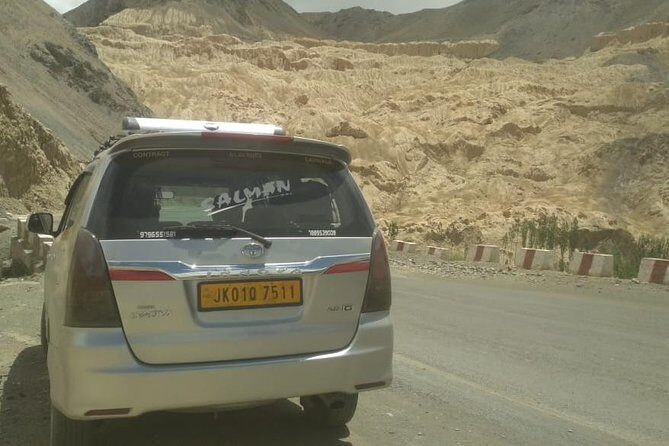
This tour is built around one simple idea: don’t spend your vacation managing logistics. You’re in a private setup with a driver and transfers day to day, and the plan also includes fuel, tolls, and parking. That matters because in hill regions those “small extras” can add up fast—and they’re the easiest way for a trip to feel messy once you’re already there.
You also get a mobile ticket, which is useful when you’re bouncing across towns and don’t want to juggle paper copies. And because it’s private, you’re not waiting on a large group to reach the same viewpoint, restroom stop, or hotel lobby.
You can also read our reviews of more private tours in Darjeeling
Day 1: Getting to Gangtok from Siliguri and Settling In
Your day starts with pick-up coordination from NJP railway station or IXB airport, then transfer to Gangtok. You’ll arrive with enough daylight to get oriented and start soaking in the feel of the town—no long, chaotic first-day scramble.
Gangtok is described as the capital and largest town of Sikkim, and it sits at around 1,650 meters. That altitude difference is subtle in everyday life, but it’s real—so I’d plan on taking it gently your first evening. The schedule leaves the rest of the night more open: shopping and independent time, so you can follow your own pace.
What I’d do with that free evening: focus on a slow walk, pick up essentials (warm layers if you tend to get cold), and have an early night. The next day starts with a high-elevation outing.
Day 2: Tsomgo Lake (12,400 ft) and Baba Harbhajan Temple
This is the day people remember: a half-day trip to Tsomgo Lake, listed at 12,400 feet and about 32 km from Gangtok. You’ll leave the hotel around 8:00–10:00 am, but the exact timing depends on permit availability, which the driver communicates. That means you might wait a bit on the morning side if paperwork is late—but it’s still usually the best approach for a place that requires authorization.
Plan for big weather swings. Even in warmer months, that altitude can feel sharp. If you get cold easily, bring layers you can zip and unzip. Also, keep expectations honest: the goal is the lake and mountain views, not a long stay with amenities.
After Tsomgo, the schedule includes Baba Harbhajan Singh Memorial Temple (about 12 km further). It’s a meaningful stop in the area and a good change of pace from just driving-and-looking. The evening is free again for shopping or your own exploring in Gangtok.
Practical tip: if permit timing shifts, don’t plan anything tight after the lake. Build breathing room into your day.
Day 3: Transfer to Pelling and Let Kanchenjunga Hang Over You
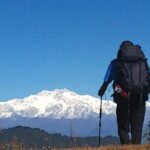
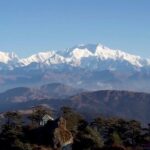
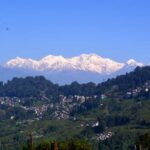
Day three moves you from Gangtok to Pelling. You check out, transfer by private vehicle, then arrive and check into your hotel. The schedule gives you time to relax and enjoy the views—especially of the Kanchenjunga range—from your base.
Pelling is a smart choice for this route because it sets you up for a full day of scenic spots without backtracking too much. And it also helps pace the trip. Instead of cramming every single day with “drive all day, see one thing,” you get a more balanced rhythm: travel, check in, then enjoy.
Day 4: Rimbi Waterfall, Kanchenjunga Falls, Khecheopalri, Pemayangtse, Rabdentse, and the Pelling Sky Walk
This is a packed day, but it’s the kind of packing that makes sense. You’re not just hitting random points; the stops connect by geography and theme—waterfalls, sacred sites, and historic ruins—then a modern viewpoint attraction at the end.
Here’s how the day flows:
Rimbi Waterfall
You start with Rimbi Waterfall, about 5 km from Darap on the route toward Khecheopalri. It’s described as the oldest waterfall in West Sikkim, constructed in the early 1970s during the reign of the last Sikkimese King. That short historical note matters because it helps the stop feel more grounded than just another photo break.
Kanchenjunga Falls
Next comes Kanchenjunga Falls, about 18 km from Rimbi River and around 28 km from Pelling. It’s noted as one of the most beautiful waterfalls in Sikkim and generally active throughout the year. Even if a waterfall is never the same twice, you’ll usually find it worth the stop here if the weather is decent.
Khecheopalri Lake
Then you reach Khecheopalri Lake, near Khecheopalri village. The meaning given in the description is tied to spirituality—originally known as Kha-Chot-Palri, described as the heaven of Padmasambhava. It’s a good pivot: less noisy than waterfall stops, more about stillness and the feeling of being out in the hills.
Pemayangtse Monastery
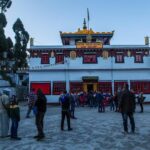
Next is Pemayangtse Monastery, near Pelling. It was planned, designed, and founded by Lama Lhatsun Chempo in 1647, and it’s one of the notable monasteries in the region. If you like religious architecture and clear context, this is a strong stop because the founding detail gives you an anchor.
Rabdentse Ruins
Then you move to Rabdentse Ruins—the palace ruins of Rabdentse, described as the second capital of the Kingdom of Sikkim from 1670 to 1814. The capital was destroyed by the invading Gurkha army, leaving behind ruins of the palace and thrones. This is where the trip gets more historical weight.
Pelling Sky Walk and Chenrezig Statue
Last is Sky Walk Pelling and the Chenrezig statue. The description calls it a 137-foot statue of Chenrezig (Avalokitesvara) and a transparent Sky Walk made of glass leading toward it. This one is also marked not included for admission in the schedule, so budget extra if you want to do it.
My honest take: I like ending the day with something modern and bold because the contrast helps you remember the whole day. Just don’t feel forced to do the Sky Walk if you’d rather spend that time lingering at earlier viewpoints.
Day 5: Pelling to Darjeeling and the Long-View Feeling of the Himalaya
After breakfast, you travel from Pelling to Darjeeling by private car. The schedule emphasizes Himalayan scenery along the way, and the big benefit for you is simple: you’re not timing bus connections while coping with mountain roads.
Once you arrive, the day continues with Darjeeling set-up and sightseeing time in the days that follow. In practical terms, this travel day is about repositioning your base so you can do sunrise and the town’s key attractions efficiently.
Day 6: Tiger Hill Sunrise at 4:00 am and Darjeeling’s Main Cultural Stops
This day is structured around a classic Darjeeling rhythm: wake up early, see the mountains at the best light, then work through monasteries and cultural landmarks with morning/early-afternoon energy.
Tiger Hill sunrise point (4:00 am)
You leave at 4:00 am for Tiger Hill, described as a sunrise point over Mt. Kanchenjunga. The plan is to witness the mountains at daybreak and then return after the main sunrise window. The schedule marks the admission here as not included, so factor that into spending if you want to go in.
Even if sunrise is cloudy (it happens), the early drive still helps because the town is quieter and you can get a feel for the region before crowds show up.
Ghoom Monastery (Yiga Choeling)
After breakfast, the tour does a half-day city tour that includes Old Ghoom Monastery, also known as Yiga Choeling. It’s associated with the Gelukpa (Yellow Hat) sect and noted for a 15-feet-high statue. Short, focused, and historically grounded—this stop is a solid match for travelers who like seeing how religion and community show up in everyday architecture.
Batasia Loop
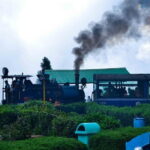
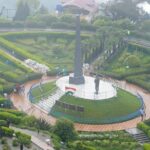
Next is Batasia Loop, described as a scenic uphill train track area with gardens and a monument to Indian soldiers. It’s the kind of stop where you look, walk a bit, and get a better sense of how the rail line shapes Darjeeling’s story.
Himalayan Mountaineering Institute
Then you visit the Himalayan Mountaineering Institute, established in Darjeeling on 4 November 1954. Even if you’re not a mountaineer, knowing that date helps you understand why this town has such a strong connection to high-altitude climbing culture.
Padmaja Naidu Himalayan Zoological Park
The schedule includes Padmaja Naidu Himalayan Zoological Park. It says the zoo is 67.56 acres, opened in 1958, and sits at an average elevation of about 7,000 feet. The visit time is 45 minutes, so think of it as a quick, efficient pass rather than a full deep tour.
Tibetan Refugee Self Help Center
Next is the Tibetan Refugee Self Help Centre, established on 2 October 1959 after Tibetan refugees followed the Dalai Lama. If you want human-scale context to go with all the mountain scenery, this stop often lands well.
Tea Garden View (outer view)
Then there’s Tea Garden View as an outer view. That means you’re not promised full access into tea processing areas, but you do get the visual sense of why tea is part of Darjeeling’s identity.
Japanese Peace Pagoda
Finally, you visit the Japanese Peace Pagoda, described as one of the Peace Pagodas meant to provide a focus for people of all races and creeds in the search for world peace. This is a calm ending to a day that started with cold air and early light.
Day 7: Check Out, Transfer, and Wrap-Up
On your last morning, you check out and transfer back to NJP/airport for onward travel. The day is straightforward by design: no “one more big add-on,” no racing around. You’ll want to keep your last morning flexible, since mountain areas can run on different timing than flat cities.
Price and What’s Actually Covered in the Private Transport
The price is $1,245.61 per person for this 7-day private tour. That’s not budget travel, but it’s not random pricing either. The tour includes transportation, parking, toll taxes, driver allowance, and fuel. In practice, this is where private tours can save you money and headaches: you avoid multiple vehicle changes, and you don’t keep paying ad-hoc road charges.
What you should still expect to pay:
- Lunch and dinner (not included)
- Entry fees: the tour notes around 250 INR per person as an estimate
- Personal expenses like laundry, tips & gratuity, mineral water, porterage, and any optional activities like Sky Walk Pelling and some Darjeeling admission items listed as not included
This is also a tour that depends on good weather. If weather turns, the schedule can change and the experience may be offered on another date or refunded—so keep your travel dates a bit elastic if you can.
Who This Tour Fits Best (and Who Might Prefer Less Packing)
This tour fits best if you want:
- Private transportation between Gangtok, Pelling, and Darjeeling
- A structured day plan with time for big sights, not a bare-bones “go figure” trip
- No need to coordinate permits and road logistics yourself
It might feel like a lot for you if you hate early starts or long car days. Tiger Hill at 4:00 am is real commitment. Also, your comfort level with mountain weather matters, especially with Tsomgo Lake at 12,400 feet.
The tour notes moderate physical fitness is needed. That doesn’t mean you need to be an athlete, but it does mean you should be ready for walks on uneven ground and cold mornings.
The Named Help You Can Feel Good About
One quiet strength of this kind of private tour is the coordination behind the scenes. In feedback connected to this operator style, people specifically praised named organizers like Ms. Antra Rai for booking hotels, taxis, permits, and a guide. Others highlighted support from Sanju ji (also referenced as Mrs. Sanju), calling the process friendly and well managed.
That matters because permits and timing are where things often go sideways on India hill routes. When there’s a named point person, the trip feels less like guesswork.
Should You Book This Gangtok and Darjeeling Private Tour?
If you want a smooth, guided-feeling trip with a private driver handling the road, I think this is a strong choice. The value comes from what’s included (fuel, tolls, parking, transport) and the fact that the schedule hits the essentials: Tsomgo Lake, major monastery/ruin stops in Sikkim, and Darjeeling’s signature sunrise and cultural landmarks.
I’d tell you to book if:
- You prefer comfort over DIY logistics
- You’re okay paying extra for some admissions and your own lunches/dinners
- You’re willing to do an early morning for Tiger Hill
I’d tell you to think twice if:
- You’re very sensitive to cold mornings or high-altitude conditions
- Your dates are fixed and you can’t handle potential weather-driven changes
- You’d rather spend more time lazily wandering town than following a set route
If your priority is seeing a lot without the stress, this tour makes that trade in a pretty smart way.