REVIEW · DARJEELING
Darjeeling Cultural & Nature Walking Guided Tour
Book on GetYourGuide →Operated by Ashmita Trek & Tours · Bookable on GetYourGuide
Hitting the hills feels surprisingly doable here. I love the mix of monasteries and Tibetan crafts, and you’ll get big Himalayan context without committing to a multi-day trek. The one thing to watch: it’s a real walking day with uphill sections, so bring comfortable shoes and don’t plan on cruising.
I also like that the tour uses a local guide rather than a script, with English support (and Hindi as well). Guides named Sangay, Dawa, and Mr Rupez come up in past groups for being friendly and well informed, which matters when you’re learning what you’re actually seeing.
As a day trip, it’s well paced: you start near Mall Road at 9:00 AM, hit key cultural stops, and finish back in the Chaurasta area. The route is a thoughtful blend of museums, monasteries, markets, and village-and-forest walking, so you’re never stuck doing only one thing.
In This Review
- Key Highlights You’ll Actually Feel On This Walk
- Why This Darjeeling Walking Tour Works as a Day Trip
- Starting Near Mall Road: Easy Launch, Clear Meeting Point
- Darjeeling Himalayan Mountaineering Institute and the Everest Museum
- Nature Walk Meets Local Culture: Village Views and Forest Time
- Market Stops That Make the Day Feel Real
- Tibetan Refugee Centre: Handicrafts and History in the Same Place
- Bhutia Busty Monastery (Karma Dorjee Chyoling): A Monastery With a Long Trail
- The Return Walk to Chaurasta Mall Road: One Last View Without Exhaustion
- Price and Value: What $38 Covers (and What It Doesn’t)
- Who This Tour Fits Best (And Who Should Skip It)
- Practical Tips Before You Go
- Should You Book This Darjeeling Cultural & Nature Walking Tour?
- FAQ
- What time does the Darjeeling Cultural & Nature Walking tour start?
- How long is the tour?
- What sites will I visit during the walk?
- Is the tour private and what languages are offered?
- What’s included in the price, and what isn’t?
- What should I bring, and is it suitable for older travelers?
Key Highlights You’ll Actually Feel On This Walk
- Tenzing Norgay Everest Museum at the Darjeeling Himalayan Mountaineering Institute area, about 1.5 km from the start
- A village-and-nature route that adds “real life” moments beyond the main Darjeeling streets
- Tibetan Refugee Centre founded on October 2, 1959, with a strong focus on Tibetan handicrafts
- Bhutia Busty Monastery (Karma Dorjee Chyoling Monastery), a Buddhist site relocated to Darjeeling in 1879
- Gentle uphill return: around 2 km over about an hour back to Mall Road at Chaurasta
Why This Darjeeling Walking Tour Works as a Day Trip
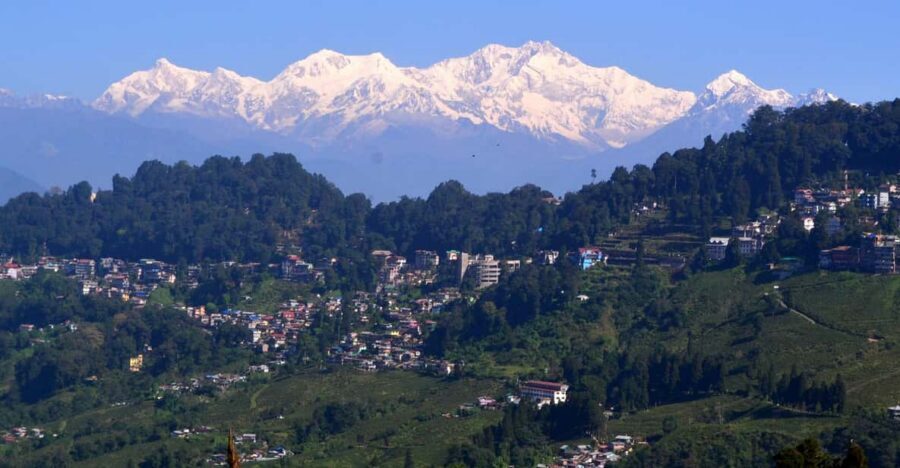
This tour is designed for the traveler who wants Darjeeling’s soul without the time drain of a big trek. At $38 for a 6-hour private group, the value comes from guided access to places that are harder to find on your own, plus the walking logic that strings them together in a sensible route.
What I like most is that you’re not just “seeing points on a map.” The day connects Himalayan context with local daily culture: you move from a mountaineering institute and museum area into village views, then into Tibetan refugee history and monastic life, and finally back through a light uphill walk. It’s a full cultural day, but you’re not stuck in a vehicle for it.
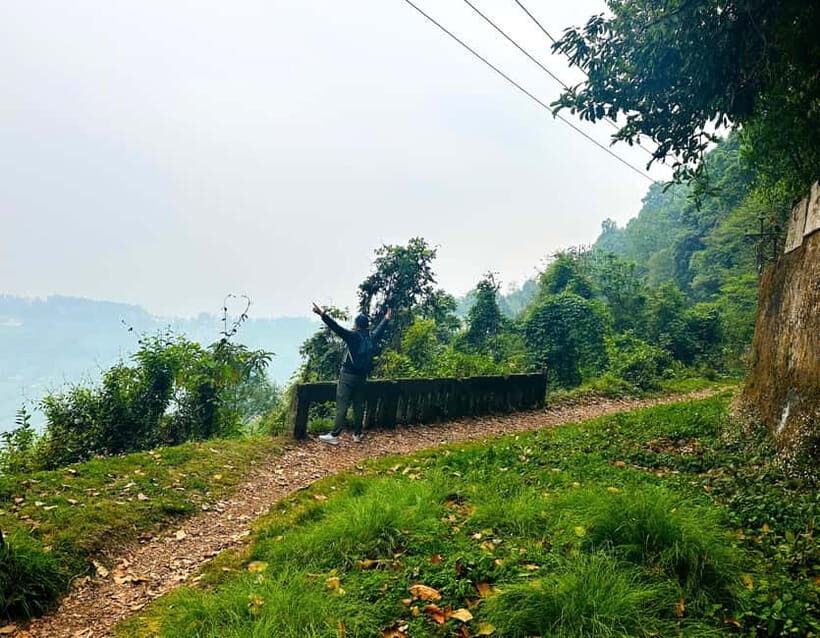
The walking level is the trade-off. The distances aren’t huge, but there’s an uphill return and a mix of paths. If you’re comfortable on foot and you pack sensible footwear, it feels doable. If you hate uneven ground, you’ll want to slow down and pace carefully.
You can also read our reviews of more walking tours in Darjeeling
Starting Near Mall Road: Easy Launch, Clear Meeting Point
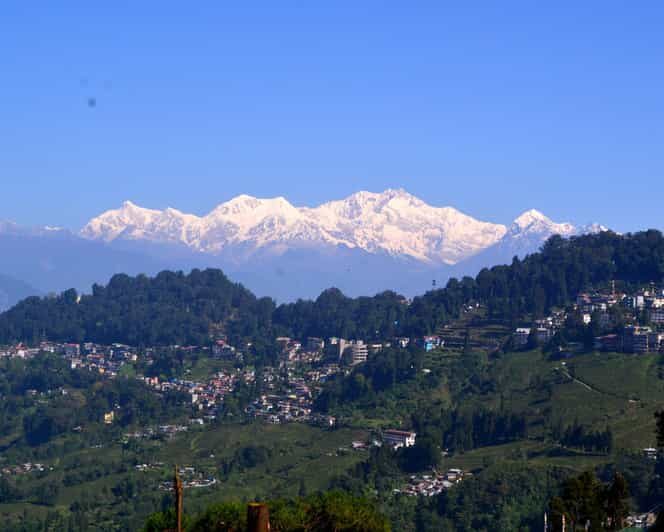
The tour begins at 9:00 AM near the Mall Road area by Ashmita Trek & Tours. This is a practical choice because Mall Road is where most visitors already orient themselves. You don’t have to figure out a remote rendezvous spot before your first coffee.
Expect a relaxed start: there’s a break time and photo stops built into the rhythm. The pacing is helpful because it gives you time to catch views and settle in before the day gets more “walk-and-learn.”
You’ll likely feel the benefit of a guided route right away. Darjeeling can be confusing for first-timers—the streets fold into hills and lanes—so having someone who knows where people go (and how long things take on foot) makes the whole day smoother.
Darjeeling Himalayan Mountaineering Institute and the Everest Museum
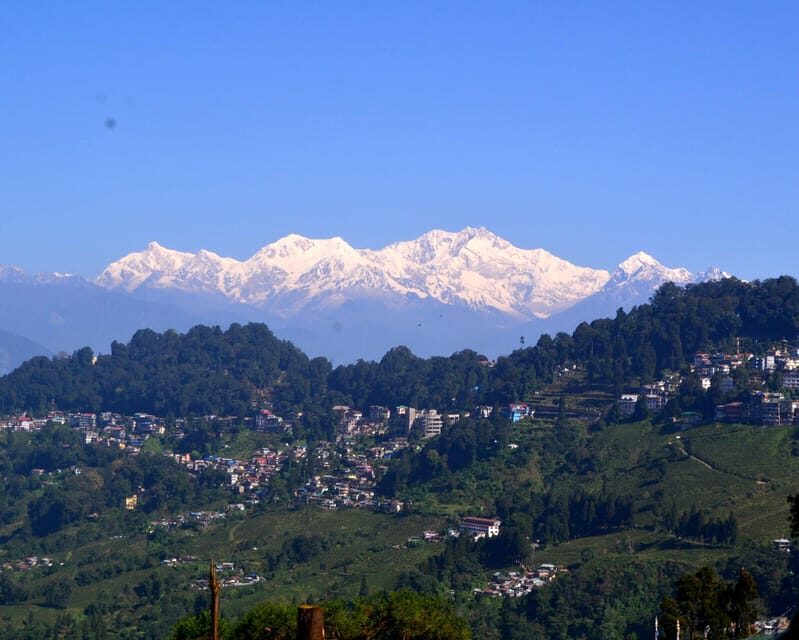
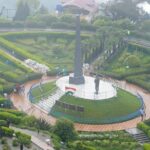
One of the day’s anchors is the visit to the Darjeeling Himalayan Mountaineering Institute area, including the Tenzing Norgay Everest Museum. It’s about 1.5 km from the start, so it’s a quick reach before you settle into the deeper cultural parts of the route.
Why this stop matters: it gives you a mountain framework. Even if you’re not trekking, you’ll understand why Darjeeling became tied to mountaineering and why Everest lore sits so naturally in this town. It’s also a great “low effort, high payoff” segment—museum time is easy on your legs compared with a longer outdoor stretch.
This is the kind of stop that works whether you’re a full-on adventure person or you just want the story behind the region. You’ll leave it with sharper context, so later monastery and village scenes feel connected to the wider Himalayan world—not like random sightseeing.
Nature Walk Meets Local Culture: Village Views and Forest Time
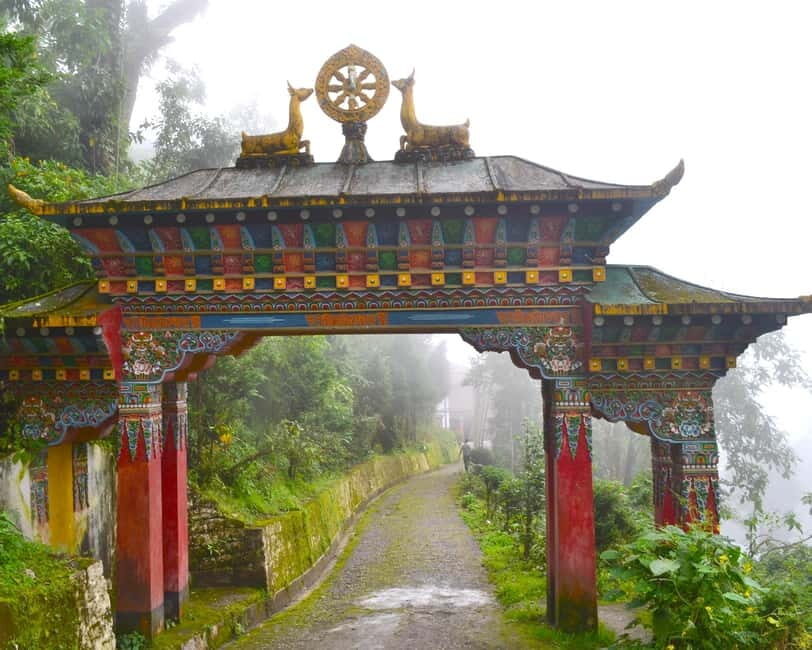
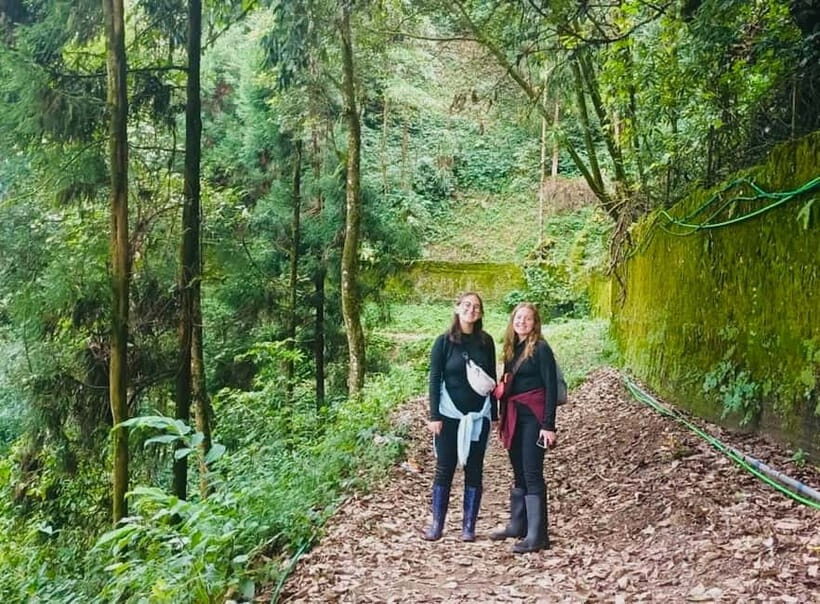
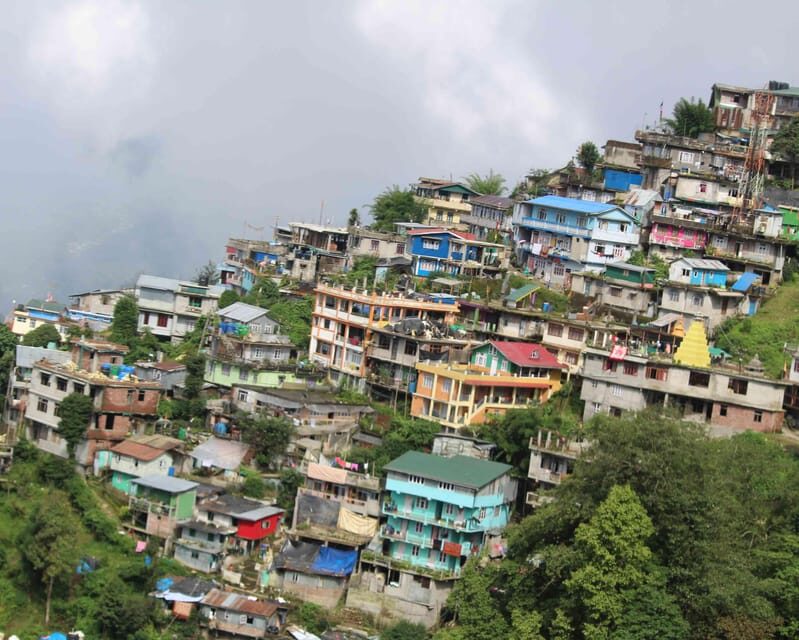
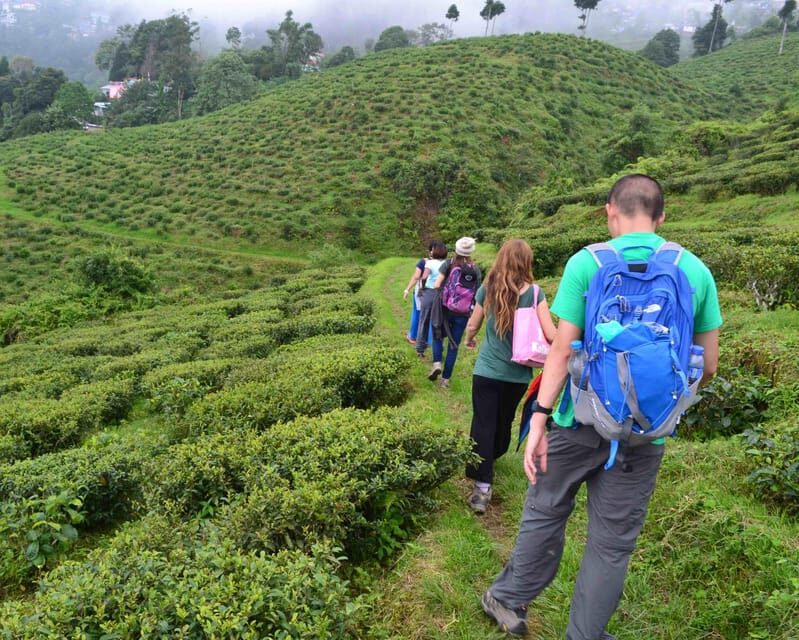
After the museum visit, the tour continues as a nature walk. You pass through a local cultural village area with picturesque views roughly 4 km ahead of that point.
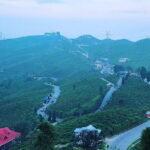
This is where the tour earns its “cultural & nature” label. Darjeeling isn’t only tea gardens and viewpoints—there are everyday scenes and local rhythms. The walking route helps you see how people live along the edges of town and how the terrain shapes daily movement.
A practical note: bring a daypack and expect some uneven sections. Comfortable clothes help because you may move between cooler shaded parts and brighter open spots, depending on the time of day.
If you’re someone who likes “small moments” more than big set pieces, you’ll probably enjoy this part the most. It’s less about checklist items and more about noticing how the landscape and culture connect.
Market Stops That Make the Day Feel Real
The flow of the day includes time for a food market visit and also arts and crafts market browsing. Even if you don’t plan to buy much, market time is useful because it turns the walk into something you can taste and see.
Markets also help you understand what locals value—materials, colors, and what’s being made right now. In this part of the day, you may also find craft demonstrations or selling areas connected to Tibetan handiwork, which makes the museum-and-monastery theme feel grounded.
Because hot drinks and meals aren’t included, this is a good chance to plan a snack break. If you’re hungry, you’ll be glad the tour doesn’t lock you into only one option.
You can also read our reviews of more guided tours in Darjeeling


Tibetan Refugee Centre: Handicrafts and History in the Same Place
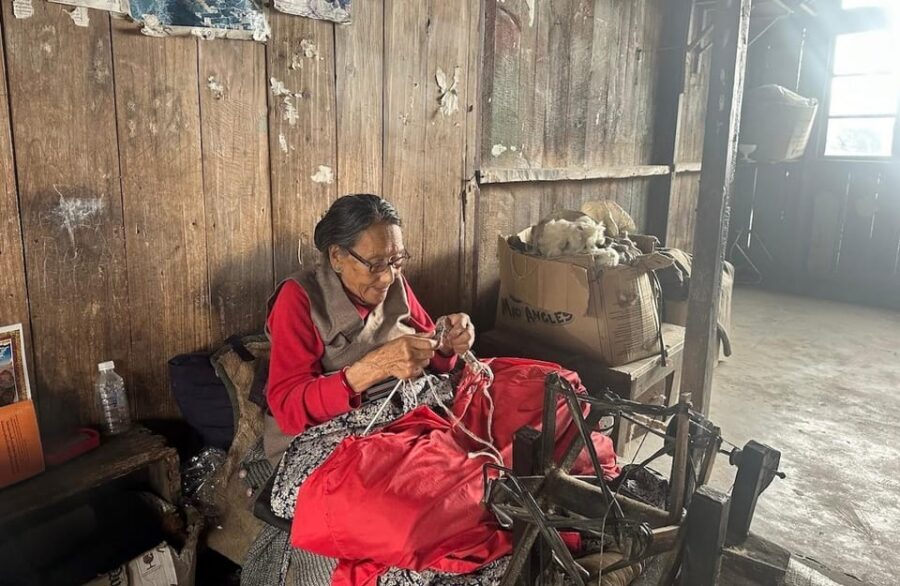
Next comes a stop at the Tibetan Refugee Centre in Darjeeling, founded on October 2, 1959. This centre works as a rehabilitation facility for Tibetan refugees who fled Tibet along with the Dalai Lama, and it focuses heavily on producing Tibetan handicrafts.
For me, this stop is valuable because it connects history to something you can hold. You’re not only hearing a story—you’re seeing the craft output and the kind of work that supports community life. Past visitors have also described the quality of rug makers’ skills and found the craft shop pricing reasonable with no pushy sales vibe.
A tip: if you like textiles and fine work, take your time here. Crafts are easy to rush if you’re thinking only about photos. Slowing down makes the difference between seeing items and understanding what went into them.
One logistical consideration: the Tibetan Refugee Centre is closed on Sundays. If that matters to you, pick a different day.
Bhutia Busty Monastery (Karma Dorjee Chyoling): A Monastery With a Long Trail
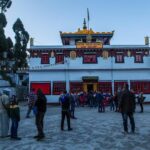
The tour’s monastic highlight is Bhutia Busty Monastery, also known as Karma Dorjee Chyoling Monastery. It’s a Buddhist establishment and is considered connected to the Kagyupa sect’s Phodang Monastery in Sikkim; the community was relocated to Darjeeling in 1879.
This stop is worth your attention because monastery architecture and wall art aren’t just pretty. They carry real religious symbolism and the artistic standards of the community that built and maintained the site over time.
People who enjoy fine detail tend to love this part. One recurring point is that the wall paintings are high quality, so you’ll likely want to linger rather than rush for the photo and move on.
If you’re sensitive to quiet spaces, treat it like a place of worship: keep your voice down and take cues from how other visitors behave. It makes the experience feel respectful and, honestly, more meaningful.
The Return Walk to Chaurasta Mall Road: One Last View Without Exhaustion
After the monastery stop, the tour heads back toward Mall Road at Chaurasta. The return includes a gentle uphill walk of about 2 km, covered over roughly an hour.
This segment is a nice finish because it gives your legs a steady pace instead of a sudden sprint. It also leaves room for the last round of photos and viewpoints before the tour ends.
What to expect physically: you’ll probably feel the climb more than earlier flat segments, but it should still feel like a guided stroll rather than a workout session. If you need to take breaks, a good local guide will help you find safe resting spots along the way.
The best part of ending near Chaurasta is convenience. You’re back in an area where you can continue exploring on your own—shopping, small cafés, or grabbing dinner without negotiating tricky transport right after a hike.
Price and Value: What $38 Covers (and What It Doesn’t)
At $38 per person for 6 hours, the price looks low for a guided walking day in Darjeeling—mainly because the tour covers the “hard parts” for you.
Included items:
- permits and any charges for carrying still video cameras
- professional English-speaking local mountain guides (English and Hindi support is available)
- safe hiking with a local guide
- guide expenses and all taxes/fees/handling charges
Not included:
- meals and hot drinks like tea and coffee
- transport cost if required
- tip for the guide
So where does the value come from? You’re paying for local guidance that connects multiple sites in a logical route, including museum time, monastic stops, and craft-focused history. If you tried to piece this together solo, you’d lose time and probably spend more on transport—plus it’s harder to find the right stops and understand what you’re looking at.
Also, the tour being private matters. Even if it’s just a small group, you can ask questions and set a comfortable pace rather than being dragged along by a crowd.
Who This Tour Fits Best (And Who Should Skip It)
This tour is a great fit if you want:
- a cultural day with monasteries, museums, and crafts
- mountain context without a long trek
- guided walking through neighborhoods that feel more local than postcard Darjeeling
- a structured day that ends back near Mall Road for easy follow-up plans
It may be less ideal if you:
- can’t handle steady walking and mild uphill sections
- travel with very young kids (it’s not suitable for babies under 1 year)
- rely on accessibility support for mobility challenges (people over 70 and especially over 95 aren’t listed as suitable)
For families, there’s encouraging information from past groups: a 7-year-old successfully joined and managed the whole experience. That said, every child is different—so judge by your own comfort with hills and time on foot.
Practical Tips Before You Go
A few simple things will make the day smoother:
- Comfortable shoes are non-negotiable for a hilly walking route.
- Dress in comfortable clothes you can move in.
- Bring a daypack for water, snacks, and layers.
- Have an ID card or passport with you, since it’s requested.
- If you care about the Tibetan Refugee Centre specifically, avoid Sundays because it’s closed that day.
For photos, the tour includes permitting/charges for still video cameras, so you can plan to shoot without worrying you’re missing a rule. Still, be mindful inside monasteries.
Should You Book This Darjeeling Cultural & Nature Walking Tour?
I think this is a smart booking if your goal is a meaningful Darjeeling day that balances nature time with cultural stops you can’t easily replicate alone. The strongest reasons are the mix: museum-and-mountaineering context, Tibetan refugee craft work, and the Bhutia Busty Monastery stop—all threaded together with guided walking and viewpoints.
Book it if you like learning by walking, and if your idea of a good travel day includes a little history, a little culture, and a little hill air. Skip it (or reconsider) if walking uphill for a couple of hours total during the day doesn’t match your fitness, or if the Sunday closure at the Tibetan Refugee Centre is a dealbreaker for your plans.
If you want, tell me your travel dates and your comfort level with hills, and I’ll help you decide whether this 6-hour route fits your schedule—and what day to pick for the Tibetan Centre.
FAQ
What time does the Darjeeling Cultural & Nature Walking tour start?
It starts at 9:00 AM near the Mall Road area by Ashmita Trek & Tours.
How long is the tour?
The tour is 6 hours long.
What sites will I visit during the walk?
You’ll visit the Darjeeling Himalayan Mountaineering Institute area (with the Tenzing Norgay Everest Museum), a local cultural village area, the Tibetan Refugee Centre, Bhutia Busty Monastery (Karma Dorjee Chyoling Monastery), and then return to Mall Road at Chaurasta.
Is the tour private and what languages are offered?
Yes, it’s a private group tour. The live guide is available in English and Hindi.
What’s included in the price, and what isn’t?
Included are permits/charges for still video cameras, a professional English-speaking local guide, safe hiking support, guide expenses, and taxes/fees/handling charges. Not included are meals/hot drinks, transport if required, and a tip for the guide.
What should I bring, and is it suitable for older travelers?
Bring an ID card or passport, comfortable shoes, comfortable clothes, and a daypack. It’s not suitable for babies under 1 year old, and it’s listed as not suitable for people over 70 (and especially over 95).