REVIEW · NEW DELHI
10-Days Golden Triangle with Pushkar & Varanasi from Delhi
Book on Viator →Operated by Holiday Tours And Travels · Bookable on Viator
Palaces meet sacred rivers on this loop. I like the way this trip uses overnight air-conditioned trains with sleeping beds so you lose less daylight, and I also love the Old Delhi walking tour around Chandni Chowk and Paranthewali Galli, where the city’s everyday life is front and center. It’s a strong mix if you want India’s history and religion in one efficient route, hitting Delhi, Pushkar, Jaipur, Agra, and Varanasi in about 10 days.
One thing to plan for: monument entrance fees aren’t included for several major stops, and you’ll also want cash and patience for long, sometimes early days (hello Taj Mahal and boat ride mornings).
In This Review
- Key highlights worth your attention
- First night in Delhi, then Old Delhi at street level
- Pushkar Lake and the Brahma Temple pilgrimage feeling
- Jaipur Pink City: Amber Fort day plus palace and observatory stops
- Agra and Fatehpur Sikri: ghost-city ruins and Mughal masterpieces
- Overnight AC train days: sleeping beds that save your schedule
- Varanasi’s Ganges side: Sarnath, Aarti, then sunrise boat ritual
- Price of $1,095: what you’re getting and what you’ll still pay
- Who this tour suits best (and who should think twice)
- Should you book this 10-day Golden Triangle with Pushkar and Varanasi?
- FAQ
- Where does the tour start and end?
- How long is the tour?
- What’s the price per person?
- Does the tour include hotels and train tickets?
- Is pickup included?
- Are monument entrance fees included?
- What meals are included?
- What major sights are covered in Varanasi?
- What if the tour can’t run due to weather or minimum travelers?
- What are the cancellation terms?
- Should you book this 10-day Golden Triangle with Pushkar and Varanasi?
Key highlights worth your attention
- AC sleeper trains (Delhi–Varanasi–Delhi) help you cover distance without burning the whole day
- Pushkar Lake + Brahma Temple connect you to a very specific Hindu pilgrimage story and site
- Amber Fort, City Palace, Hawa Mahal, and Jantar Mantar fit together as one full Jaipur history day
- Taj Mahal timing (early visit and sunset view from Mehtab Garden) gives you two very different moods
- Sarnath + Varanasi Ganges Aarti + sunrise boat ride is a full religion-and-river experience in one package
- Private, air-conditioned transfers keep the logistics calmer than doing this all on your own
First night in Delhi, then Old Delhi at street level
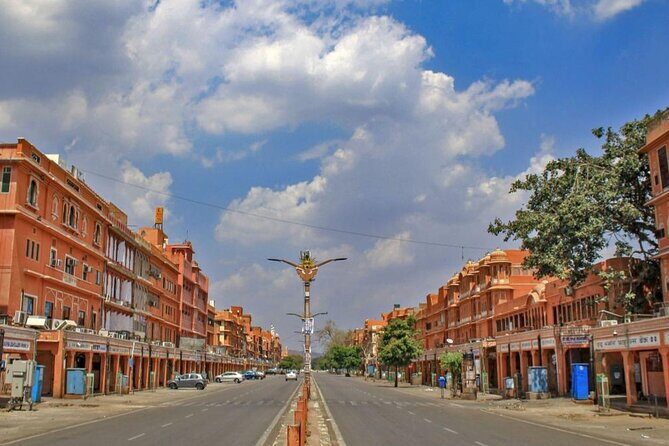
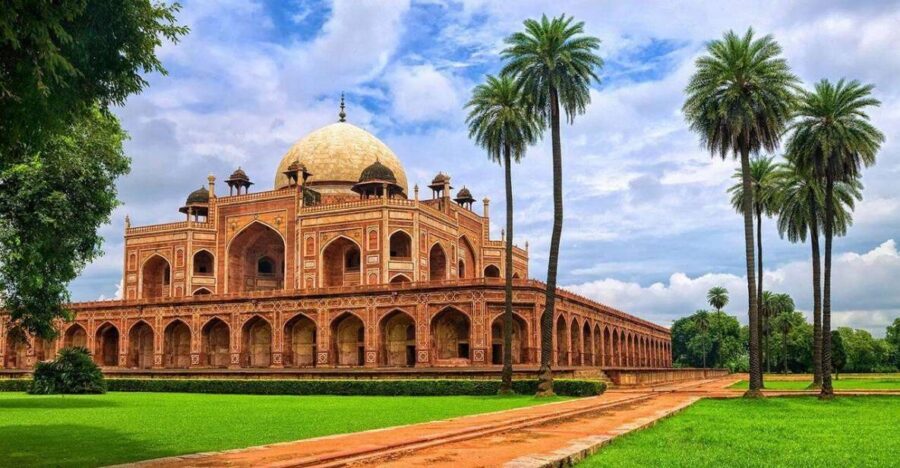
This tour works on two Delhi styles: big monuments in the middle of the day, and Old Delhi by foot where you can feel the city’s rhythm. After you arrive, you get met and transferred to your Delhi hotel. Then the trip later folds in classic sights like Raj Ghat (the memorial tied to Mahatma Gandhi), Jama Masjid, and the Red Fort. It also includes Humayun’s Tomb, Qutub Minar, India Gate, and a drive along the ceremonial avenue.
What I like is that you don’t only see Delhi as a list of icons. The walking tour at the end is the more personal part: you spend time in Chandni Chowk (Moonlight Square), then head into Paranthewali Galli (Lane of Parathas), and you also pass the Gurdwara Sees Ganj Sahib near Jama Masjid. It’s a practical way to understand why people come back to Delhi even after they’ve already ticked off the major landmarks.
A couple of notes if you’re planning your body and your photos:
- Wear comfortable shoes. Even if the pace feels manageable, Old Delhi streets are not made for fashion soles.
- Bring something small for dust and sun. You’ll be outside more than you expect on a trip like this.
- Keep an open mind for crowds. This is one of India’s busiest areas.
You can also read our reviews of more tours and experiences in New Delhi.



Pushkar Lake and the Brahma Temple pilgrimage feeling
Pushkar is often described in a way that makes it sound peaceful. In real life, it has energy. You drive from Delhi to Pushkar, check in, and then you spend time exploring the town around Pushkar’s sacred spots. The focus here is not just pretty scenery. It’s pilgrimage.
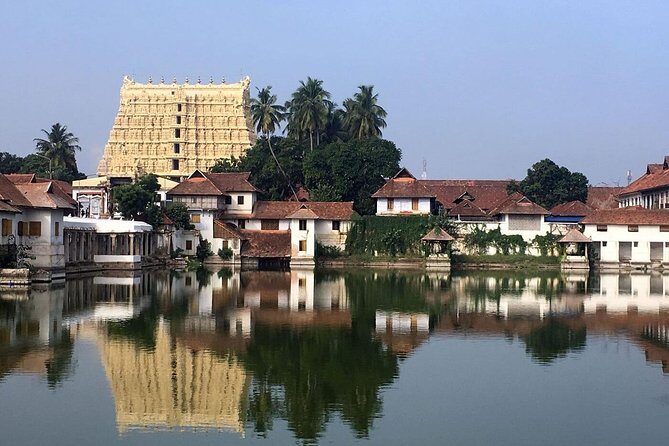
Pushkar Lake is one of the biggest anchors of the area, and it’s also where the legend of Brahma’s connection to the town lands with you. Close by is the Jagatpita Brahma Mandir, a temple dedicated to the Hindu creator-god Brahma. The temple is known for its distinct red spire, and there’s a hans (goose) symbol over the entrance gateway tied to the mythology of how Brahma chose Pushkar as a site.
You also get time for temple wandering and general town exploring, and that matters because Pushkar is not only one monument. It’s the cluster of sacred spaces, markets, and daily religious life that give the town its identity. The Brahma Temple ticket isn’t included, so it’s smart to treat that as a planned extra cost rather than a surprise.
Best way to enjoy Pushkar: go slow. You’ll get more out of it if you pause, notice the way people move around the lake area, and accept that the day’s rhythm is different from a museum day.
Jaipur Pink City: Amber Fort day plus palace and observatory stops
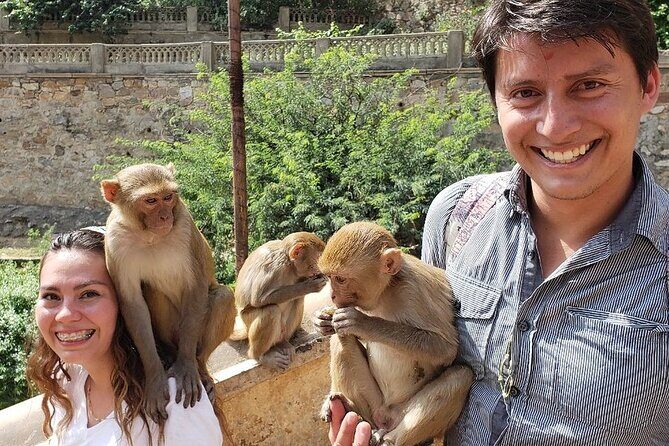
Jaipur is where the Golden Triangle really shows its style. After leaving Pushkar, you drive to Jaipur and check into your hotel. The schedule gives you some breathing room once you arrive, so you’re not locked into tours the moment you step out.
Then comes the main Jaipur day, and it’s a good one: Amber Fort plus big names across the walled city area. Amber Fort sits on a ridge outside Jaipur, and you’ll climb up steadily to reach the main gate. This is one of those experiences where you feel the age in the structure, but you also feel the crowds and the weather. Go with a water bottle and take breaks when you need them.
From there, your day expands into the Pink City’s standout landmarks:
- City Palace: a central statement of royal-era power
- Hawa Mahal: the Palace of the Winds, famous for its façade
- Jantar Mantar: the open-air astronomical observatory with large instruments you can actually stand near and read with your own eyes
If you like shopping, Jaipur is also a fun place to browse bazaars for practical souvenirs like embroidered leather shoes, blue pottery, and tie-and-dye scarves. Just don’t treat it like a quick stop. If you’re going to shop, do it calmly.
One consideration: if you’re sensitive to stairs or steep climbs, plan for the Amber Fort ascent and build in rest. This is still a group tour, so the schedule moves.
Agra and Fatehpur Sikri: ghost-city ruins and Mughal masterpieces
Agra is the payoff city for many people, and this tour doesn’t just rush you through. You also stop en route at Fatehpur Sikri. That stop sets the mood: this “ghost city” is made of red sandstone, and it’s known for being surprisingly well-preserved as ruins. It was once a capital area during Akbar’s reign for a short period before the move back to Agra happened due to scarcity of water.
Then you reach Agra and settle in. The plan includes a major Taj Mahal visit, plus several other Mughal-era sites. You’ll also have Agra Fort time, and there’s a sunset plan again centered on the Taj Mahal. The schedule gives you early Taj Mahal viewing (a calmer moment) and later another Taj Mahal look around sunset from Mehtab Garden, which is exactly the kind of timing that changes how the monument feels. In the morning, it looks crisp and strong. At sunset, it shifts with the light.
Other Agra highlights in the included sightseeing block can include:
- Agra Fort
- Itmad-Ud-Daulah’s tomb
- Tombs and halls such as Diwan-i-Khas for private audiences (as listed in the plan)
- Chini Ka Rauza
- Mehtab Garden viewpoint for sunset
Entrance fees for the Taj Mahal and some monuments aren’t included, so budget for tickets separately.
Practical tip: this is one of India’s most photographed places, and it’s also one of the most crowded. If you’re feeling overwhelmed, step back from the densest areas and let the scale hit you slowly.
Overnight AC train days: sleeping beds that save your schedule
One of the smartest parts of this tour is what it does with time. Instead of moving by car all the way, it uses two overnight air-conditioned train journeys with sleeping beds on the Delhi–Varanasi–Delhi routing.
That means you can handle the distance while still stacking sightseeing days in the places you actually want to be. You’ll still have to manage the practical side of night travel—packing a small day bag, keeping essentials handy, and getting comfortable fast—but the schedule doesn’t waste an entire day in transit.
It’s also helpful because it breaks the trip into two “feels like you live here for a day” chapters: Jaipur and Agra are palace-and-fort days, while Varanasi is river-and-ritual days. The train is the bridge between the two.
If you’re sensitive to night movement or prefer full comfort, consider packing earplugs and a light layer. The tour includes sleeping beds, but it won’t magically erase the reality of train travel.





Varanasi’s Ganges side: Sarnath, Aarti, then sunrise boat ritual
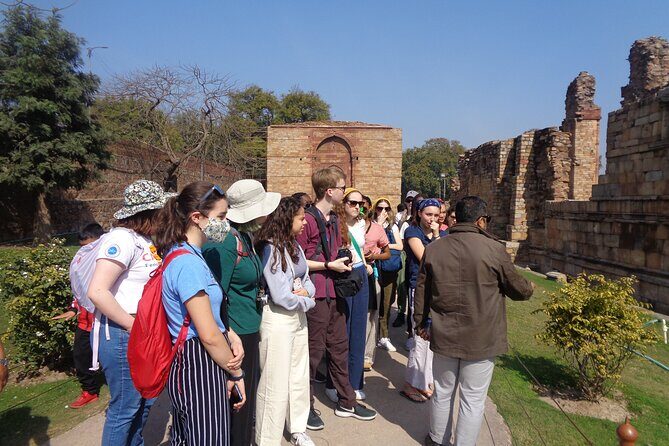
Varanasi is not a typical sightseeing city, and this tour respects that. When you arrive, you transfer to your hotel and refresh. Then your day moves toward Sarnath after lunch. Sarnath adds a different religious layer from Hindu-centered Varanasi: you get Dhamek Stupa, Chaukhandi Stupa, Sarnath Museum, and Mulagadha Kuti Vihar.
Then the evening becomes the Varanasi headline: you witness the major Ganges Aarti ceremony performed by several priests on the banks of the river. The plan specifically calls out the sound blend—Sanskrit mantras, drums, bells, and cymbals. This is one of those moments where the spiritual side is also a full sensory show: voices, rhythm, movement, and light all at once.
The next morning is the tour’s other big Varanasi moment: a boat ride early in the day. Starting at sunrise, you see the life of the river and watch morning rituals. The schedule notes that thousands of people bathe in the holy river, believing it frees them from the circle of rebirth. You’ll also see pilgrims offering sweets, flowers, and holy water to the Sun God.
After the boat ride, you head to Varanasi’s train station and catch the overnight train back to Delhi.
How to make this section work for you:
- Plan to be emotionally moved and also a little tired. That’s normal here.
- Expect crowds on the river steps and around viewing areas.
- Be respectful during rituals and give people space. You’re not just watching a show; you’re in someone’s sacred routine.
Price of $1,095: what you’re getting and what you’ll still pay
At $1,095 per person, this can be good value if you want the heavy logistics handled for you. Here’s what the package includes, based on the tour details:
- 7 nights hotel accommodation on double/twin or triple sharing
- 2 overnight AC train journeys with sleeping beds
- Arrival, departure, and sightseeing in Varanasi
- Arrival, departure, sightseeing, and a walking tour in Delhi
- All transfers and sightseeing by private air-conditioned vehicles
- Breakfast (7)
You also get a mobile ticket and pickup support.
What you should budget for because it isn’t included:
- entrance fees for monuments (important for Taj Mahal and other stops listed as ticketed)
- lunch, dinner, snacks, and drinks
- tips
- travel insurance and personal expenses
- any air fare
So the real question isn’t the sticker price. It’s whether you want to pay for convenience: hotels, transfers, trains, and a guided plan. If you’re the type who hates building routes and juggling tickets, this structure can save you time and stress. If you’re comfortable DIY travel and want maximum freedom, you might find better value elsewhere.
One last thing: the tour mentions group discounts and a private setup for your group. That typically helps keep coordination smoother, especially across multiple cities.
Who this tour suits best (and who should think twice)
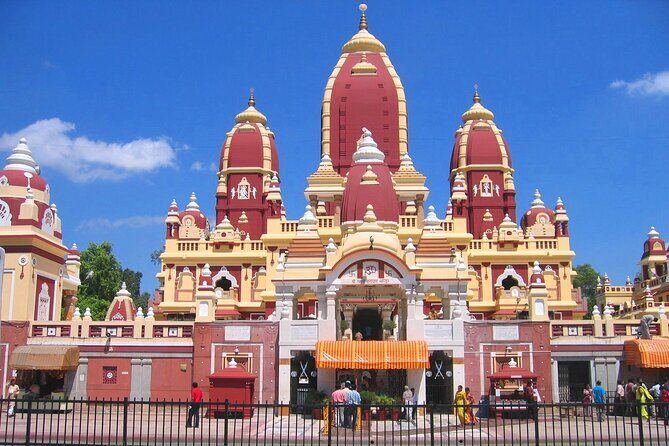
This route is built for people who want the big India hits with less planning friction. It’s especially good if:
- you want first-timer orientation to Delhi, the Golden Triangle circuit, plus religious heartlands like Pushkar and Varanasi
- you like a structured plan that still includes time to explore
- you’re okay with early mornings and long travel days
It may be less ideal if:
- you strongly prefer fully self-paced travel and hate scheduled timing
- you get overwhelmed by crowds at major monuments and in temple/river areas
- you want everything included with no extra ticket purchases (entrances aren’t included for some major sites)
Also, it’s worth noting from the tour info that it’s designed so most travelers can participate. Still, the route includes walking segments and climbing (like Amber Fort), so if mobility is a big concern, you’ll want to judge that carefully.
And for peace of mind, the service support seems to matter here. In past client feedback, people praised the fast responses from coordinator team members such as Shariq Nabi and Showkat Wani, plus helpful planning and safe driving. That kind of support is a big part of why this itinerary works.
Should you book this 10-day Golden Triangle with Pushkar and Varanasi?
Book it if you want a solid, efficient route that covers Delhi, Jaipur, and Agra highlights, then adds the spiritual weight of Pushkar and Varanasi—without you having to manage trains, hotel moves, and city-to-city logistics. The overnight AC trains with sleeping beds are the kind of detail that turns a tiring journey into a workable one.
Think twice (or ask more questions before committing) if you hate extra ticket costs or you’re not comfortable with early starts and busy sites. Also, if your ideal India trip is slow and off-the-grid, this one is more of a well-run “see the essentials” plan.
If you match those two extremes, this is a very practical way to do it—and a memorable one because you’ll watch the Taj Mahal in different light, then switch gears to Ganges rituals and sunrise river life.
FAQ
Where does the tour start and end?
It starts in New Delhi and the trip returns to Delhi. You’ll also have hotel transfers on arrival and departure days.
How long is the tour?
The tour runs for about 10 days.
What’s the price per person?
The listed price is $1,095.00 per person.
Does the tour include hotels and train tickets?
Yes. It includes 7 nights of hotel accommodation and 2 overnight air-conditioned train journeys with sleeping beds for Delhi–Varanasi–Delhi.
Is pickup included?
Yes. Pickup is offered, including meet-and-greet at the Delhi airport and transfers by private vehicle during the trip.
Are monument entrance fees included?
No. Entrance fees are not included for the monuments and temples listed in the tour details.
What meals are included?
Breakfast is included for 7 days. Lunch, dinner, snacks, and drinks are not included.
What major sights are covered in Varanasi?
You’ll visit Sarnath (Dhamek Stupa, Chaukhandi Stupa, Sarnath Museum, Mulagadha Kuti Vihar) and witness the Ganges Aarti ceremony. You’ll also do an early morning boat ride on the Ganges.
What if the tour can’t run due to weather or minimum travelers?
If it’s canceled due to poor weather, you’ll be offered a different date or a full refund. If it’s canceled because the minimum number of travelers isn’t met, you’ll be offered a different date/experience or a full refund.
What are the cancellation terms?
You can cancel up to 6 days in advance for a full refund. Canceling 2–6 days before gives a 50% refund, and canceling within 2 days gives no refund.
Should you book this 10-day Golden Triangle with Pushkar and Varanasi?
Yes, if you want a dependable route that blends Delhi, Jaipur, and Agra big names with Pushkar pilgrimage and Varanasi Ganges rituals, and you’d rather have the trains, transfers, and day planning handled for you. Just budget for monument entrance fees and plan for early starts—this is the kind of itinerary where good timing is part of the magic.