REVIEW · DARJEELING
5-Days Singalila Ridge Trek in Darjeeling
Book on Viator →Operated by Off Road Adventure · Bookable on Viator
Five days, big Himalayan drama.
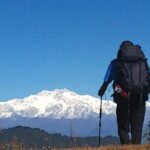
This Singalila Ridge trek is one of the Darjeeling walks built for huge sunrise views and clear-weather mountain spotting, with panoramas over Nepal and the Sikkim Himalayas. I also like how the trip handles the practical stuff for you: private pickup/transport, national park entry, and trail essentials like poles and a head torch, plus a GoPro 7 Black for photos and video.
On top of the scenery, the experience is designed to keep your days moving without feeling lonely. Your guide support is active and upbeat, and you’ll be trekking with Nepali and Indian meals on the schedule. The main thing to consider is effort: this is not a gentle hike, and the route includes a long 21 km day—so if you’re aiming for easy walking, this may feel demanding.
In This Review
- Key highlights
- Singalila Ridge in 5 Days: What You’re Really Buying
- Price and Logistics: What’s Included in $460 (and What Isn’t)
- Day 1: Dhotrey, the India–Nepal Border Area, and Getting Started Early
- Day 2: Sandakphu Sunrise, Gairibans Birding, and Kala Pokhari
- Day 3: The 21 km Day to Phalut and Panoramic Peak Time
- Day 4: Phalut to Gorkhey, Forest Descent, and More Mountain Chances
- Day 5: Gorkhey to Sirikhola via Sammanden and Rammam Villages, Then Back to Darjeeling
- Guides and Communication: Why It Feels Organized Instead of Chaotic
- Who Should Book This Trek (and Who Should Rethink It)
- Should You Book This 5-Day Singalila Ridge Trek?
- FAQ
- What is the duration of this trek?
- Where does the trek start and how is pickup handled?
- What places are included along the route?
- What time does the trek start?
- What’s included in the package for meals?
- What trekking gear is provided?
- Is a camera included for photos and videos?
- Are national park entry fees included?
- What is not included in the price?
- What if weather is bad?
Key highlights
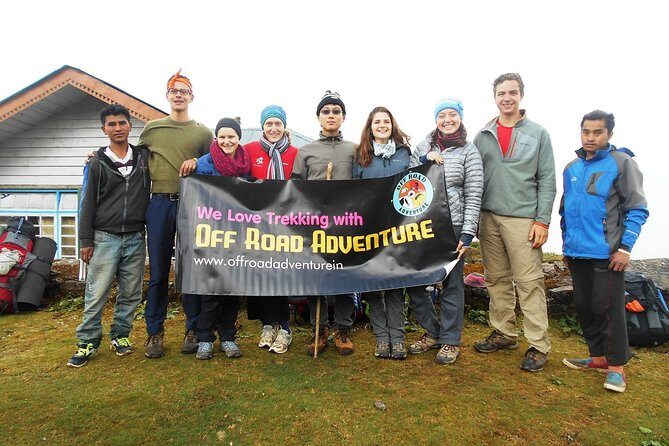
- Sunrise-first planning on multiple mornings, so you spend more time chasing light and less time waiting around
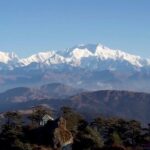
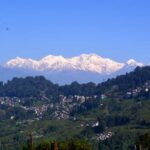
- Sandakphu and Phalut views that can include Everest, Makalu, Lhotse, and Kanchenjunga on clear days
- National-park trekking throughout, which also means a real chance to spot wildlife like red pandas if you’re lucky
- All the trail logistics handled: 4-night accommodation, meals (breakfast and lunch + dinners), and entry fees
- Trek-ready gear included: walking poles and a head torch, plus a GoPro 7 Black for content
- Private tour feel: you’re not mixed into a big crowd, and it’s geared to your group
Singalila Ridge in 5 Days: What You’re Really Buying
This trek is about ridge walking with payoff. You’ll move through forests and high ridges where the horizon opens up, and the goal is to catch the mountains when the light is at its best. The big promise here is the view: during the trek, you can see major Himalayan peaks such as Everest, Makalu, Lhotse, and Kanchenjunga from Sandakphu and Phalut when conditions cooperate.
What makes the experience special for me is the mix of scenery and pacing. It’s not just one dramatic day. It’s a sequence: sunrise moments, forest paths, and ridge panoramas stitched together across five days. And because it’s entirely within a national park, the environment feels protected and focused—plus it adds that wildlife suspense, especially for red panda sightings.
The other thing you’re buying is peace of mind. You’re not trying to figure out transport timing, permits, and the daily meal plan while hiking. Pickup is offered early in the morning from Darjeeling, and the package includes the basics you’d otherwise need to arrange yourself.
You can also read our reviews of more hiking tours in Darjeeling
Price and Logistics: What’s Included in $460 (and What Isn’t)
At about $460 for approximately 5 days, this package is priced like a proper guided trek with transport, lodging, and food—not just a walking route. Here’s where the value comes from:
Included items that reduce your hassle:
- Private transportation as part of the schedule
- National park entry fees
- 4-night accommodation
- Meals: 4 dinners, 5 breakfasts, and 5 lunches
- Trail essentials: walking poles and a head torch
- GoPro 7 Black for trekking photos and videos
That is the heart of the cost. If you’ve ever priced a guided multi-day trek separately (guide + lodging + meals + transport + entry fees), the package structure usually turns out to be the cheaper way to do it.
What you should budget separately:
- Alcoholic drinks (not included)
- Personal expenses
- Travel insurance
- If you want a porter, it’s listed at 1000 per day
The single most important practical note: the trek depends on good weather. If conditions are poor, you’ll be offered a different date or a full refund. That doesn’t mean you’ll be stranded—it means you’re booking an outdoor experience where the sky is part of the itinerary.
Day 1: Dhotrey, the India–Nepal Border Area, and Getting Started Early
Your day begins early, with pickup from your hotel around the start time of 7:00 am. From Darjeeling, you drive roughly 40 km to reach the trek start area near Dhotrey. The first day is built around transition: getting you out of the city and into the mountains without pretending you can teleport to the ridge.
One meaningful moment comes when you reach Maneybhanjyang, described as the border of India and Nepal. Even if you don’t linger there, it’s a useful mental shift. The route signals that you’re entering a place where the trek matters more than the road.
Day 1 timing is long—this trek day is listed at about 12 hours—so treat it like a full travel-and-walk day, not a short warm-up. If you’re the type who hates early starts, plan to be flexible. If you like sunrise and early mountain light, you’ll fit right in.
Day 2: Sandakphu Sunrise, Gairibans Birding, and Kala Pokhari
Day 2 is where the trek starts earning its reputation. You rise early for a sunrise view, and the day is framed around multiple mountain moments rather than one summit-style push.
You’ll also pass through Gairibans, known for bird watching and as a red panda destination. That matters because the trek is inside a national park. Wildlife sightings aren’t guaranteed—but this is exactly the kind of place where you might slow down, scan the trees, and actually look instead of just hiking through.
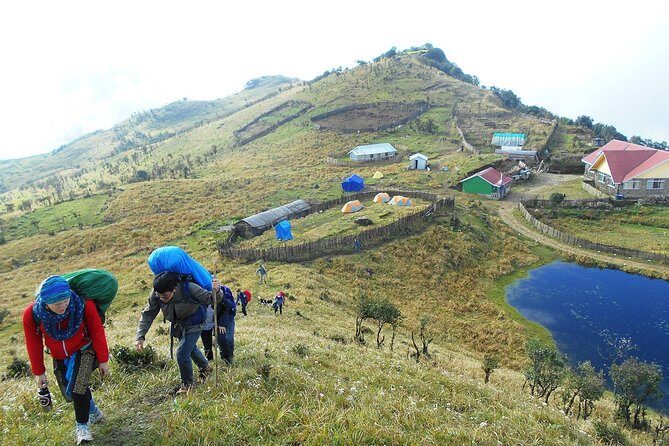
After breakfast, the trail climbs through dwarf rhododendron forest toward Kala Pokhari, meaning black lake. This is the kind of stop that makes a long trek feel scenic rather than just hard. Even if clouds cover the peaks, the vegetation and the winding trail still give you something to notice.
Day 2 is also listed at about 12 hours, which tells you the rhythm: you’re not sprinting, but you are active for most of the day. Bring patience for the pace and save your big energy for the sunrise and the open ridgeline views.
Day 3: The 21 km Day to Phalut and Panoramic Peak Time
Day 3 is the longest walk in this 5-day version, at about 21 km. It’s also the day that asks the most of your legs, because it’s not just length—it’s the kind of ridge route where you keep moving while the views keep changing.
You start early again, including a sunrise moment. The description emphasizes panoramic views from the Sandakphu side and the big mountain backdrop. The goal is simple: catch the peaks in the best light and keep your attention on what’s in front of you.
A 21 km day can feel very different depending on your hiking style. If you’ve done long day hikes before, you’ll likely find the trekking poles and guide pacing make a difference. If you haven’t, the main consideration is not speed—it’s endurance and foot comfort. Plan your steps, take breaks that you can repeat comfortably, and don’t burn yourself out early.
This day is listed around 18 hours total, so expect a full production day: sunrise prep, a long trek, and then settling in afterward. If you tend to get cranky when the day runs long, pack snacks and water habits that keep you steady.
Day 4: Phalut to Gorkhey, Forest Descent, and More Mountain Chances
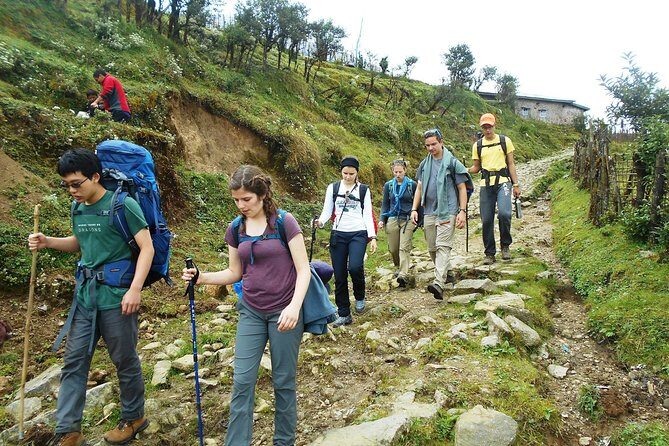
Day 4 shifts from ridge-long distance to a descent and route variety. You’ll wake early for another sunrise and mountain view moment, then trek down toward Gorkhey.
The route from Phalut to Gorkhey is described at about 15 km, and it’s set up as a scenic descent through dense forest. That kind of day is a nice balance after the long mileage on Day 3. You still have the mountains in the background, but you also get more shaded trail time and a different feel underfoot.
Dense forest also changes what you notice. You might spend more time watching for movement, checking the trees, and keeping an eye on trail signs rather than only staring at the horizon. And because the trek stays within the national park, this is another window where wildlife spotting could happen—again, no guarantees, but the route context supports the possibility.
Day 4 is listed at around 18 hours. That doesn’t mean continuous effort in one straight line; it means the day is structured as a full hiking day with early start, breaks, and transition time.
Day 5: Gorkhey to Sirikhola via Sammanden and Rammam Villages, Then Back to Darjeeling
Your final day starts early in Gorkhey. From there, you walk through Sammanden and Rammam villages, and you reach Sirikhola around 12 pm.
The village-route segment is one of the more human parts of the trek, even though the overall theme is mountains and forests. It gives you a shift from ridge walking into lower, more lived-in areas. You also get a lunch break—about 1 hour—before the return drive.
After lunch, you’ll take a drive back to Darjeeling in a private vehicle, around 4 hours. That’s a decent chunk of road time, so plan to use the ride to reset your body and sort your photos while the mountains fade into memory.
At the end of five days, you’re not just coming back tired. You’re coming back with a storyline: sunrise mornings, ridge panoramas, and a trek route that moves through protected forest and village paths.
Guides and Communication: Why It Feels Organized Instead of Chaotic
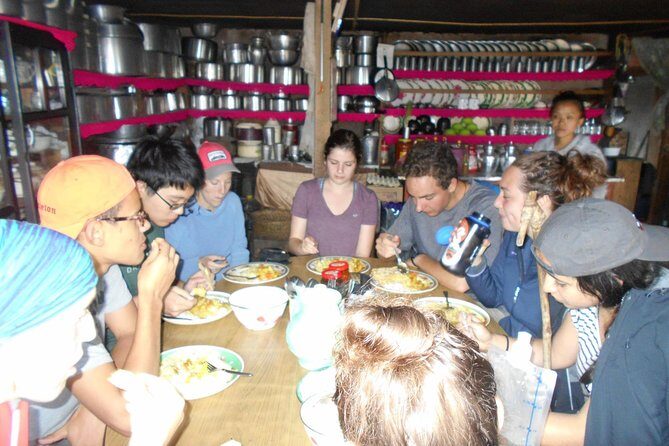
What I appreciate most about this trek style is the way the experience is handled day-to-day by the people running it. The setup emphasizes active, jolly guides who keep energy up so you’re not sitting in silence for hours.
In the feedback you can find names like Rakesh and Sekhar, both recognized for making the trek feel smooth and engaging. There’s also mention of Sangay handling communication easily via email and phone. That matters because trekking can be stressful to plan if you’re guessing about timing and details.
If you want a trek that feels like someone has already solved the route puzzles—transport, gear, and the day flow—this setup is built for that.
Who Should Book This Trek (and Who Should Rethink It)
This is a good match if:
- You want big mountain views and sunrise-focused hiking
- You’re comfortable with a longer trek day, especially the 21 km on Day 3
- You like being in protected nature where wildlife sightings like red panda are possible
- You prefer guided logistics with meals and accommodation included
You might rethink it if:
- You want an easy, low-effort walking holiday
- Your hiking experience is limited and you struggle with 15–21 km days
- You rely on perfect weather, because mountain visibility depends on conditions and the trek requires good weather
One more practical fit note: the trek is listed as requiring moderate physical fitness. That’s a helpful phrase. It doesn’t mean gym-level training, but it does mean your body should be ready for sustained walking with full days.
Should You Book This 5-Day Singalila Ridge Trek?
If your goal is sunrise ridge time, Himalayan peak views, and a guided trek that handles the details—this is a strong choice. The price makes more sense when you consider what’s included: private transport, park entry, meals for every day, four nights of accommodation, gear (poles and head torch), and even a GoPro 7 Black for recording the experience.
I’d book it if you’re the type who’s excited by the idea of seeing major peaks like Everest, Makalu, Lhotse, and Kanchenjunga from Sandakphu and Phalut on clear days. I’d hesitate only if you’re not confident about the long Day 3 effort or you’re stuck with dates that can’t adjust if weather doesn’t cooperate.
FAQ
What is the duration of this trek?
It’s planned as an approximately 5-day trek in the Darjeeling area.
Where does the trek start and how is pickup handled?
You can be picked up early from your hotel in Darjeeling, and the experience includes private transportation.
What places are included along the route?
The route includes Dhotrey, the Maneybhanjyang border area, Sandakphu, Phalut, Gorkhey, and villages including Sammanden and Rammam, ending around Sirikhola before returning to Darjeeling.
What time does the trek start?
The meeting start time is listed as 7:00 am.
What’s included in the package for meals?
The package includes 5 breakfasts, 5 lunches, and 4 dinners.
What trekking gear is provided?
Walking poles and a head torch are included.
Is a camera included for photos and videos?
Yes, a GoPro 7 Black is included for trekking photos and videos.
Are national park entry fees included?
Yes, national park entry fees are included.
What is not included in the price?
Alcoholic drinks, personal expenses, and travel insurance are not included. Porter service is available at an extra cost of 1000 per day if you choose to book one.
What if weather is bad?
The experience requires good weather. If it’s canceled due to poor weather, you’ll be offered a different date or a full refund. Cancellation is free if you cancel at least 24 hours in advance.