REVIEW · DARJEELING
Tea Pluckers’ Day
Book on Viator →Operated by Darjeeling Walks · Bookable on Viator
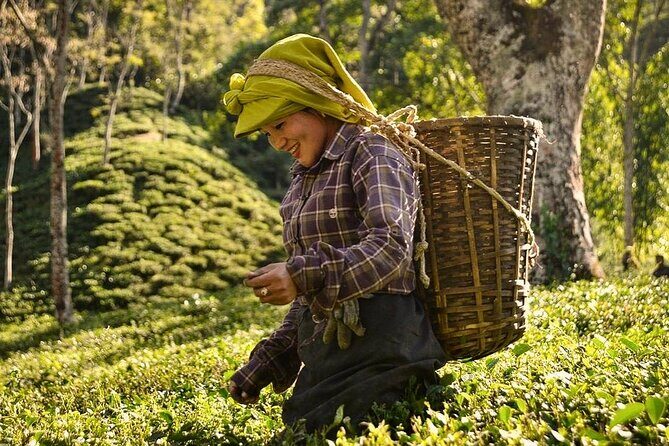
Tea picking changes how you taste Darjeeling. Tea Pluckers’ Day is one of the most practical ways to understand the work behind the cup, since you start in the morning from your hotel and spend the day seeing tea from bush to factory. You’re not just driving past hills—you’re learning the rhythm: planting, plucking, processing, and finally tasting.
I especially like the way this tour builds in tea tasting and an actual tea-estate visit with on-site explanations. I also like that the day includes time outdoors—walks, a forest hike element, and views—so the tour feels like a real day out, not a quick photo stop.
One possible drawback: if your visit lands on a day when pluckers are resting, you might find less active field work than you hoped for. Weather matters too, since the experience requires good conditions—though rain won’t automatically kill the fun.
In This Review
- Quick hits: what makes this tea day work
- From 8:30 am pickup to a real tea morning
- Breakfast-to-tasting: what the tea experience feels like
- Tea estates in the Lebong hills: Ging to Rangaroong
- Poobong and Soom: tea gardens with extra layers
- Mim Tea Estate and the Scottish Andrew & Yule link
- Chamong and Tumsong: organic production meets heritage vibes
- Ringtong and Phubsering: quality plucking and organic focus
- Tukvar’s river hike idea and Makaibari’s old-organic reputation
- Tea factory visits and Turzum & Sungma’s boutique angle
- Why this tour is good value (even before you taste anything)
- Guide-led meaning: what to look for during the day
- Monsoon, Sundays, and the small realities to plan around
- Who should book Tea Pluckers’ Day
- Should you book this tea pluckers day?
- FAQ
- What time does the Tea Pluckers’ Day tour start in Darjeeling?
- How long is the Tea Pluckers’ Day experience?
- Is hotel pickup included?
- What’s included in the tour price?
- What is not included?
- Is the tour private?
Quick hits: what makes this tea day work
- Hotel pickup + private transportation means you’re not timing buses up and down the Darjeeling hills all day.
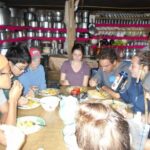
- Packed breakfast and lunch keep your energy up, with bottled water included and unlimited teas at lunch.
- Multiple tea estates in the Darjeeling area lets you compare styles, not just see one farm once.
- Forest hike + estate walks turn the trip into a hands-on outdoors day.
- Tea factory visits help you connect what you saw on the bushes to how the tea is made.
From 8:30 am pickup to a real tea morning

The day starts at 8:30 am, with pickup offered from your hotel. This is a private tour/activity, so it’s set up for your group rather than an all-day cattle-car mix, and you’ll have dedicated transportation. That matters in Darjeeling, where travel time up the hills can eat your day fast if you’re doing it on your own.
Plan on a 5–6 hour outing. In that window, the tour is structured to move you out toward tea gardens/estates away from town, then back with time for tasting and meals. The pacing is friendly if you want a mix of learning and walking, not a nonstop scramble.
You can also read our reviews of more tours and experiences in Darjeeling.

Breakfast-to-tasting: what the tea experience feels like
This isn’t only about scenery. The point is to experience tea like the workers do: from morning routine to tea tasting at the end of the tour flow. You get a packed breakfast with fresh fruit and organic Darjeeling tea, which is a smart way to keep the morning steady—especially before walking on steep paths.
Expect estate time that blends three things:
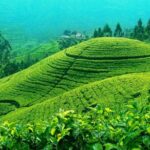
- A guided walkthrough of the garden and how tea grows
- A tea factory visit, where you can connect the dots between plucking and processing
- An elaborate tea tasting, where you can actually taste the results you learned about
Walking sticks are available if you need them. In my opinion, that’s a great inclusion, since Darjeeling paths can be slippery after rain or just uneven underfoot.
Tea estates in the Lebong hills: Ging to Rangaroong
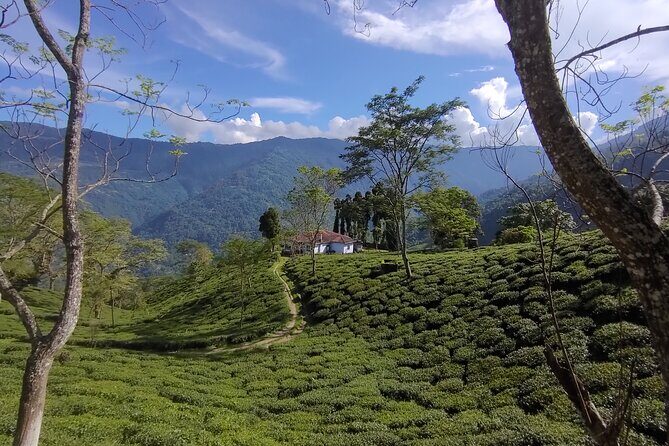
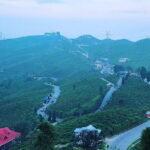
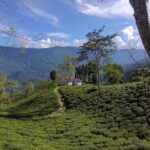
The tour is designed around visiting partner tea gardens, chosen based on real-time availability. That means you might start with a viewpoint stop—Tea Garden View—to get your bearings before the more focused estate time.
Then you may head to Ging Tea Estate, a heritage estate established in 1864 on the Lebong hills. This stop is a strong pick if you like the story behind tea production, because the tour style here is about process: walking through the estate, then pausing along the way for small station-style stops and explanations before reaching the factory.
From there, you might move to Rangaroong Tea Garden, described as one of Darjeeling’s more unexplored areas, sitting between the Senchal West Forest Range and Darjeeling town. The appeal here is the quieter feeling you get in lesser-visited tea zones—less “main road tea,” more working-hills atmosphere.
If you’re the type who likes variety, you’ll appreciate how the tour can shift from a heritage-driven estate like Ging to a more off-the-radar garden like Rangaroong.
Poobong and Soom: tea gardens with extra layers
A stop that often adds character is Pubong Tea Garden. It’s described as established in the mid 19th century, and it includes the Poobong Tea Room as an add-on attraction. That’s a nice change of pace if you want an easier moment between walks—tea and conversation without constantly moving.
Next, Soom Tea Garden brings a nature-first flavor. The name is a Lepcha word said to mean a triangle, and the garden is known for serene natural beauty, including cherry blossoms, tall pine, and rhododendron trees. Even if you’re not a botanical detail person, this is the kind of stop that makes the whole tour feel more human-scaled and less mechanical.
Mim Tea Estate and the Scottish Andrew & Yule link
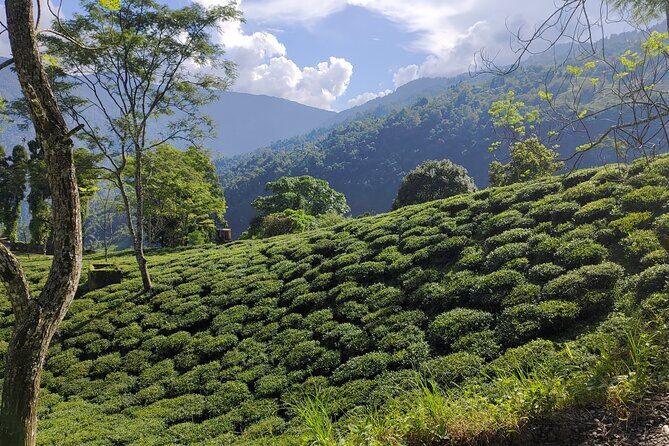
Mim Tea Estate is tied to the centuries-old Scottish Andrew & Yule Company Ltd. If you like the way tea production maps to global business history, this is the stop for you. It’s also positioned as one of the most beautiful villages in the Darjeeling district, so it tends to feel like a proper place, not just an activity.
From a practical standpoint, these estate-village style stops are why the tour feels worth the price. The included time isn’t only about looking—it’s about understanding how tea communities live and work around the plantation cycle.

Chamong and Tumsong: organic production meets heritage vibes
Chamong Tea Estate Garden is described as one of the most widespread and diverse tea gardens from Darjeeling, producing unique qualities of organic teas. If you’re trying to learn how Darjeeling teas can vary by estate, this is useful context. Organic production can also be a reason you’ll notice different approaches in the way the tea is discussed during tasting.
Then Tumsong Tea Retreat is presented as a unique Darjeeling tea experience, with emphasis on beauty and heritage. I treat stops like this as a “slow down” moment. You’ll likely want to take your time here—watching the interplay of slopes, garden rows, and the way the guide frames what you’re seeing.
Ringtong and Phubsering: quality plucking and organic focus
One of the tour’s best themes is plucking quality—because it’s the start of everything. Ring Tong Tea Garden is known for quality plucking and has an exemplary reputation for exports of Darjeeling teas. This is a great stop if you’re curious about why one batch tastes different from another, even within the same region.
Phubsering Tea Garden is noted as one of the oldest tea estates in the Darjeeling hills and is described for distinctive quality organic tea. Pairing Ring Tong and Phubsering in the same day (depending on availability) is a nice learning arc: plucking quality first, then organic production emphasis.
Tukvar’s river hike idea and Makaibari’s old-organic reputation
Tukvar Tea Garden is described as offering a majestic experience and views of the lesser Himalayan hills, with a chance to hike down to the river following the tea experience. If you enjoy a little movement beyond gentle walking, this is the stop that can feel more “adventure day” while still staying grounded in tea work.
Finally, Makai Bari Tea Garden (Makaibari) is known for combining nature, history, and heritage, and it’s described as one of Darjeeling’s oldest organic tea estates. If you only care about the cup at the end, this is still a strong stop—because old, established estates usually help you understand why certain styles and methods persist.
Tea factory visits and Turzum & Sungma’s boutique angle
Most people remember the tea tasting, but the factory is where it all clicks. You’ll visit tea factories along the way, and the tour highlights processing steps that connect what you saw on bushes to what ends up in your cup. In practical terms, this is where your brain goes from picture-taking mode to understanding mode.
A listed factory option is Turzum & Sungma Tea Factory, described as offering a boutique range of Darjeeling teas. If you like variety and small-batch feels, that description fits the kind of tasting you’ll probably enjoy here.
Why this tour is good value (even before you taste anything)
At $85.11 per person, Tea Pluckers’ Day is priced in a range where you usually have to compromise on access or comfort. Here, what helps justify the cost is that it includes private transportation, all fees and taxes, a tea garden/estate visit, lunch with unlimited teas, and an elaborate tea tasting.
It’s also booked about 23 days in advance on average, which tells me it’s a popular pick when people want Darjeeling without the hassle. You’re not just paying for the tea—you’re paying for time, route planning, and entry into estate spaces that aren’t always easy to navigate on your own.
Guide-led meaning: what to look for during the day
The tour is run by Darjeeling Walks, and the difference is often the human side. In the day’s experience, guides have a track record of explaining customs and tea work in a way that turns facts into something you can remember. You might even get conversations that go beyond tea—one guide experience included sharing personal music tastes alongside tea and politics, which tells me the guides aren’t locked into a script.
What I’d do: ask your guide two simple questions early on—how plucking timing affects flavor, and what you should look for during tea tasting to make the session meaningful. You’ll get more out of the tasting that way.
Monsoon, Sundays, and the small realities to plan around
Darjeeling weather can be tricky. The tour requires good weather, and if conditions derail the outing, you’ll be offered a different date or a full refund. Still, there’s also evidence this can run even in monsoon conditions when the guide and route work well.
Also keep Sundays in mind. One review mentioned a Sunday-day-of-rest situation for tea pickers, and that’s a real consideration for what you hope to see in the field. If your goal is active plucking in full swing, pick a weekday if you can.
Who should book Tea Pluckers’ Day
This tour is a great match if you want:
- A tea-focused day with tasting and process, not just photos
- To compare multiple tea estates in a single outing
- A guided day that mixes gentle walking with outdoor views
It can work for most travelers (the tour states most can participate), but it does involve estate walks and a hike option at least on some routes. If you’re sensitive to steep paths, bring comfortable shoes and use walking sticks if offered.
Should you book this tea pluckers day?
If you care about what makes Darjeeling tea taste like Darjeeling, yes, book it. The value comes from the full arc—morning energy with breakfast, real estate walking, factory processing, and then tasting with context. You’ll likely leave with more than a souvenir tin; you’ll leave with a mental map of how the work becomes flavor.
If your top priority is pure hiking mileage or you’re visiting on a Sunday, you might adjust expectations about how active the fields will be. For most people, though, it’s one of the most efficient ways to get an authentic tea day in Darjeeling without complicated DIY logistics.
FAQ
What time does the Tea Pluckers’ Day tour start in Darjeeling?
The tour start time is 8:30 am.
How long is the Tea Pluckers’ Day experience?
It’s listed as 5 to 6 hours (approx.).
Is hotel pickup included?
Yes. Pickup is offered, and the tour includes private transportation.
What’s included in the tour price?
Inclusions include lunch unlimited teas, bottled water, an elaborate tea tasting, walking sticks if required, private transportation, and all fees and taxes. Tea garden and tea estate visits are also included.
What is not included?
Anything you choose to buy on your own is not included.
Is the tour private?
Yes. It’s described as a private tour/activity, meaning only your group participates.