REVIEW · DARJEELING
Singalila Trek from Darjeeling
Book on Viator →Operated by Adventures Unlimited · Bookable on Viator
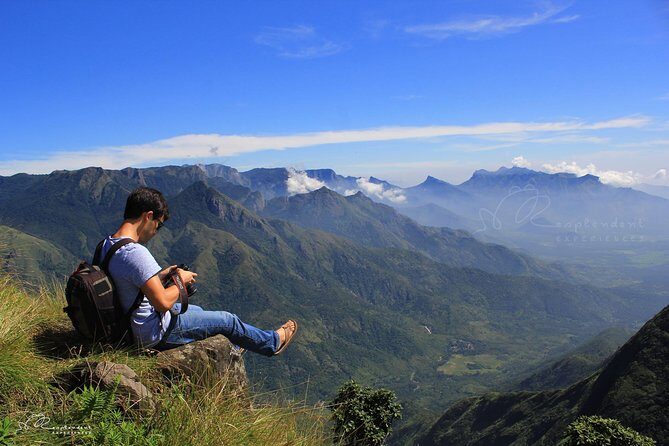
Singalila Ridge turns Darjeeling into a four-peak viewpoint. I really like how this trek is built around Singalila National Park hiking plus the ridge-and-village walk to Sandakphu, so you get both wildlife/forest time and big-mountain payoff. I also like that you cross into Nepal terrain without making the whole trip feel like a paperwork project, since you do not need a visa for entry.
The main thing to consider is weather. This is a high-visibility trek, so if clouds roll in you may lose some of the crisp Himalayan views, even though the walking and scenery are still worthwhile.
In This Review
- Key highlights worth planning for
- Why the Singalila Trek makes a great Darjeeling add-on
- Four of the five highest peaks: the view math here is real
- The trek rhythm: Manebhanjang to Nepal-influenced ridge days
- Singalila National Park: plants, birds, and that small-moment magic
- Guides like Tenzi, Jigme, and Nhikil make the trail easier
- Gear and lodging: what’s included (and why it matters)
- Meals, pacing, and the altitude reality check
- Price and value: what $476 buys you (and what costs extra)
- Private group trekking: what you gain and what you give up
- Weather and cancellations: expect a cautious plan, not a guarantee
- Who should book this Singalila Ridge trek?
- Should you book this trek?
- FAQ
- What time does the Singalila Trek from Darjeeling start?
- How long is the trek?
- Where does the trek start, and what major areas are included?
- What mountain views can I expect?
- What’s included in the price?
- If I want a porter, is that included?
Key highlights worth planning for
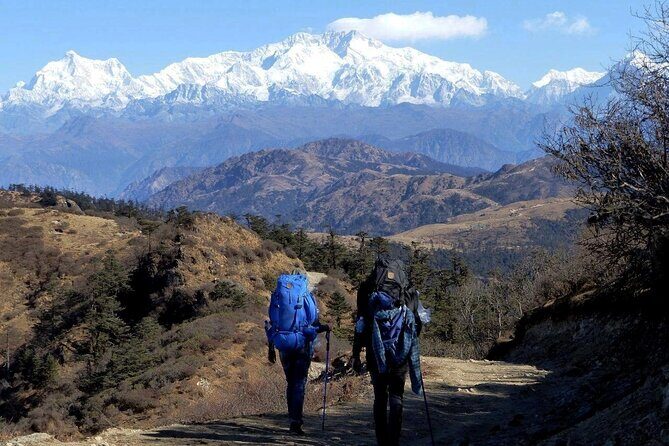
- Manebhanjang start with old-Sherpa-village character for an authentic start to the ridge journey
- Singalila National Park walking with a real chance at seeing red panda, rhododendron, and orchids
- Sandakphu end goal with panoramic peak views when the sky cooperates
- Border-crossing trek feel as you weave between Indian and Nepal Himalayas during the hike
- Trained local guides who focus on the trail, plus the flora and fauna you’ll pass
- Included meals and tea/coffee plus down sleeping bag comfort for nights in guesthouses
Why the Singalila Trek makes a great Darjeeling add-on
If you’re already in Darjeeling and want more than a day trip, Singalila is a smart choice. This is one of those classic Himalayan ridge treks that has been drawing walkers for a long time, and the route style still feels traditional: slow grades, ridge walking, and small villages you can actually talk to.
From a logistics standpoint, this tour keeps things simple. You get pickup offered (and it notes the area is near public transportation), a company car for pre- and post-trek transport, and a mobile ticket. The meeting time is 8:00 am, which helps you start the walking rhythm early.
You can also read our reviews of more hiking tours in Darjeeling
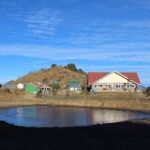
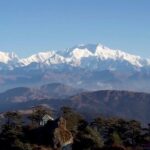
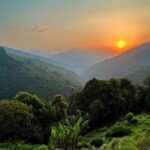
Four of the five highest peaks: the view math here is real
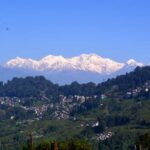
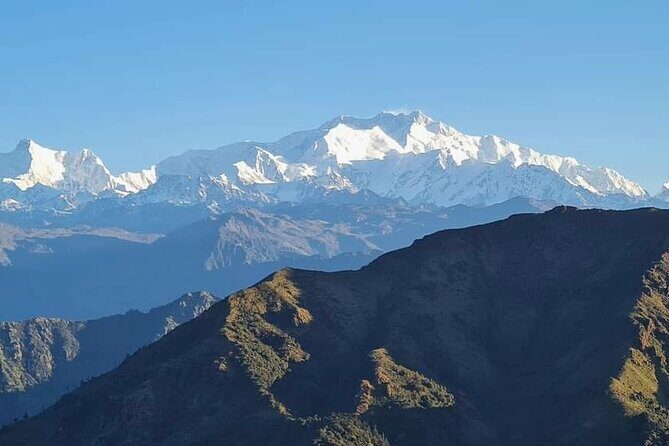
The big promise of the Singalila Ridge trek is serious mountain visibility. The goal is panoramic views of Mt. Everest, Mt. Kanchenjunga, Mt. Lhotse, and Mt. Makalu. That combination is why people talk about this route as more than just a hike through hills.
You should also understand the practical side: you’re not always going to see all peaks at once. Visibility depends heavily on clear skies, wind, and cloud cover. In other words, go in expecting a “when conditions are right” kind of payoff, not a guaranteed photo lineup.
The trek rhythm: Manebhanjang to Nepal-influenced ridge days
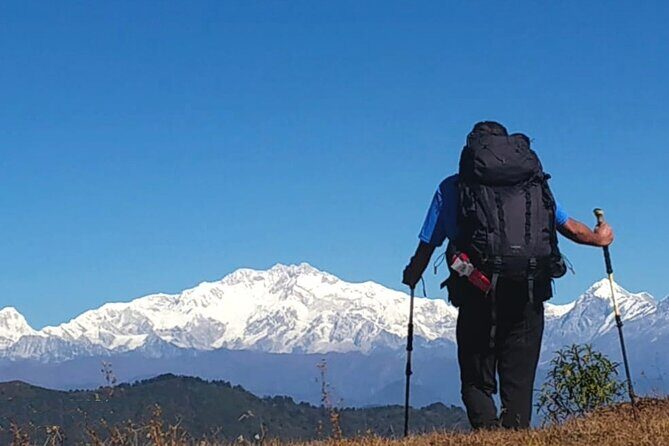
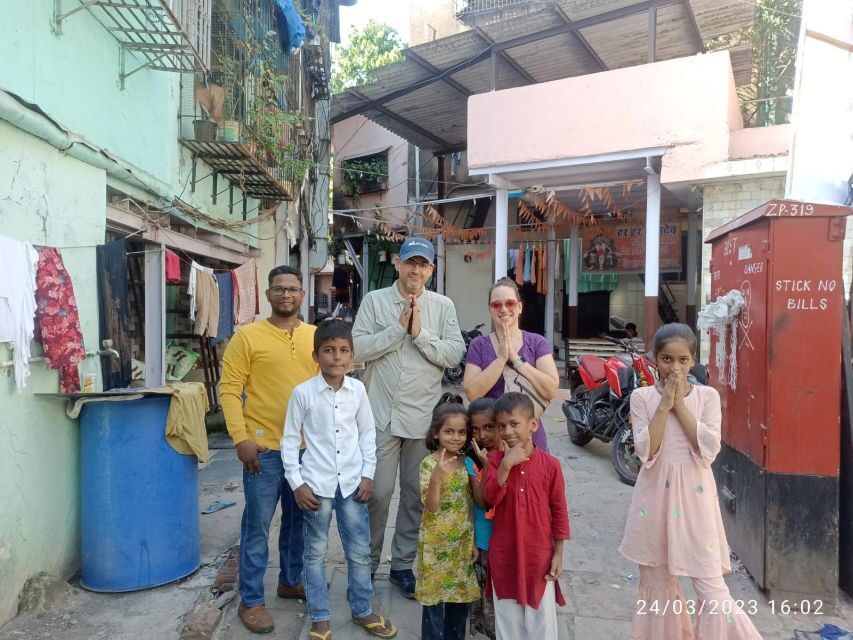
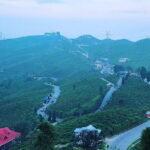
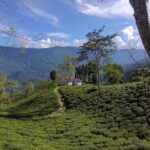
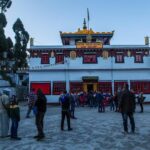
This trek starts in a Sherpa village called Manebhanjang. That matters because the first hours are less about altitude bravado and more about settling into the local walking pace. You’ll then move into ridge hiking and village areas while weaving through border terrain, which creates that classic “changing country, same mountains” feeling.
The route also includes Singalila National Park, so some days will feel more like forest-and-edges walking than bare ridges. If you like hearing birdsong, spotting plants, and watching hikers slow down for something interesting, this is a trek that rewards attention.
Finally, the trail is built toward Sandakphu, the high-point destination most people fixate on. Reaching it is the moment when the trek stops being about effort and starts being about horizon lines—especially if the weather is crisp.
Singalila National Park: plants, birds, and that small-moment magic
Singalila National Park is a major part of why this trek feels special. It’s not just scenic; it’s also biologically active, which means you’re more likely to notice variety along the way.
If you’re a flora and fauna type of traveler, you’ll likely enjoy the chance to spot rhododendron and orchids during the trek. Timing plays a role here: spring is often best for flowers, while autumn tends to bring clearer mountain views. Even if you miss one category, you still get the other.
And yes, there’s a real chance of seeing the red panda—enough that the tour’s own description and the guide-style emphasis around nature are worth taking seriously. You won’t control the sightings, but you can control your posture: keep your eyes up, move slowly, and don’t rush every ridge turn like you’re late for a bus.
Guides like Tenzi, Jigme, and Nhikil make the trail easier
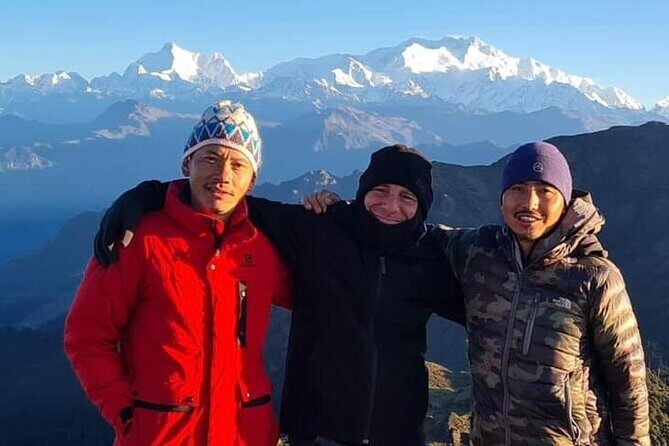
One of the strongest parts of this experience is the human layer. This tour uses government registered & trained trek guides from the area, which matters because they’re typically focused on safe pacing and local trail knowledge rather than just keeping you moving.
In the real world, names come up—Tenzi, Jigme, and Nhikil—and that’s a good sign. It suggests the guide team has deep local familiarity, especially with flora and fauna spotting. It also helps when your group has different physical needs, because the guide can adapt the pace and attention to match what’s going on day to day.
You’ll also deal with Catherine, who’s mentioned in multiple accounts tied to smooth communication and thoughtful coordination. When trek logistics are handled cleanly, you spend less energy worrying and more energy noticing what’s around you.
Gear and lodging: what’s included (and why it matters)
Cold nights are the unglamorous part of Himalayan trekking, and this tour helps with that. You get a down sleeping bag plus a freshly laundered fleece inner liner. That isn’t a small detail; clean liners and real warmth make nights more bearable, especially if temperatures drop fast.
Meals are included—breakfast, lunch, and dinner—along with copious tea and coffee. That’s not just comfort. Regular hot drinks and full meals keep your energy steady, which helps your walking day feel more manageable.
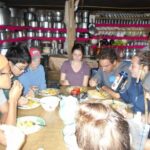
Lodging is a “best available” family-run homestay or guesthouse with a private room. The private room piece matters if you want to recharge without feeling like you’re sharing every cough, jacket change, and early alarm with strangers.
There’s also a basic medical kit, including high-altitude sickness pills. It’s not a replacement for smart trekking habits, but it’s reassuring to know the essentials are part of the setup.
Meals, pacing, and the altitude reality check
This is listed for travelers with moderate physical fitness. That’s a useful baseline. You don’t need to be a mountain athlete, but you should be comfortable with multi-day hiking and slow climbing while carrying your day-to-day needs.
Altitude is part of the story on this route. The presence of altitude sickness pills is a hint that you should take pacing seriously—don’t sprint uphill sections, drink water consistently, and pay attention to how you feel.
The fact that the guides can adapt to physical needs is a big advantage. It means the tour is not just a checklist; it’s a guided walk where pace and breaks can be adjusted.
Price and value: what $476 buys you (and what costs extra)
At $476 per person for an approx. 6-day trek, you’re paying for more than trail access. You’re buying the package: meals, guide support, sleeping gear, transport before and after, and private-room lodging.
Here’s where the math becomes clearer:
- Included gear reduces extra packing stress (sleeping bag + liner).
- Meals and hot drinks reduce daily spending and keep your energy stable.
- Local trained guides add safety and real interpretation of what you’re walking through.
- Transport in a well-maintained company car cuts down on getting tangled in local logistics.
Costs not included are worth knowing upfront. Porters are charged extra at ₹1400 INR per day during trekking days if you need one. Also, insurance for the trek or tour is not included, and alcoholic beverages are not included.
If you want the cleanest experience, plan to travel light and match your effort to the “moderate fitness” level. If carrying your pack worries you, budget for a porter early rather than deciding at the last minute.
Private group trekking: what you gain and what you give up
This is a private tour/activity, meaning only your group participates. In practice, that often makes a trek more comfortable for families and mixed-experience groups, because the guide can pace to your needs instead of matching a larger crowd.
The tradeoff is simple: you won’t get the vibe of hopping into a big social group. If you like chatting with lots of random people, you might miss that. If you prefer calm time on the trail and a guide who can focus on your pace, private is a strong fit.
Weather and cancellations: expect a cautious plan, not a guarantee
This experience requires good weather. That’s not a scare tactic—it’s reality for Himalayan visibility. If conditions aren’t right, you may be offered a different date or a full refund.
I like that the tour design respects weather instead of pretending the sky always cooperates. When you’re paying for mountain views of specific peaks, you want a provider that treats weather as part of the plan.
Who should book this Singalila Ridge trek?
This trek fits best if you want:
- A classic Himalayan ridge hike out of Darjeeling with a nature-and-village feel
- A route where the big-view goal is meaningful (Everest through Makalu visibility targets)
- A guide-led experience that can help you spot plants and animals, not just cover distance
- Private-group peace and straightforward logistics
It may be less ideal if:
- You’re extremely time-pressed and only want a short day hike
- You need guaranteed peak visibility no matter what the clouds do
- You’re not comfortable with several days of moderate hiking and cold-night sleeping
Should you book this trek?
If you want a well-run trek that focuses on real Himalayan scenery, classic Singalila National Park walking, and a route that aims at major peak views, I think this is a strong booking choice. The value feels solid because the essentials are bundled: trained local guides, meals, sleeping gear, and private-room lodging.
My final advice is practical: pack for cold evenings, plan for weather variability, and go with a flexible mindset about peak visibility. If you do that, Singalila Ridge can turn a Darjeeling stay into a genuinely memorable Himalayan week.
FAQ
What time does the Singalila Trek from Darjeeling start?
The meeting point start time is 8:00 am.
How long is the trek?
The trek duration is listed as 6 days (approx.).
Where does the trek start, and what major areas are included?
The trek starts in the Sherpa village called Manebhanjang. It also includes trekking through Singalila National Park and reaching Sandakphu.
What mountain views can I expect?
The trek is described as offering panoramic views of four peaks: Mt. Everest, Mt. Kanchenjunga, Mt. Lhotse, and Mt. Makalu.
What’s included in the price?
Included items are a down feather sleeping bag with a freshly laundered fleece inner liner, a basic medical kit (including high-altitude sickness pills), all meals (breakfast, lunch, dinner, and tea/coffee), trained local trek guides, and transport in a well-maintained company car before and after the trek. Lodging is provided in a family-run homestay or guesthouse with a private room.
If I want a porter, is that included?
Porters are not included. They can be charged extra at ₹1400 INR per day during trekking days if needed.