REVIEW · DARJEELING
Singalila Ridge Trek from Darjeeling – 6 Days
Book on Viator →Operated by Ashmita Trek & Tours · Bookable on Viator
Ridge walks with Everest-sized payoffs. I love the way this route turns Darjeeling’s hills into a true ridge-to-ridge hike on the Singalila Ridge, ending at the high point of Sandakphu (3,636 m) on the India–Nepal boundary. I also like the practical mix of included logistics and trail rhythm: shared-jeep transport, simple but comfortable tea-house stays, and meals with hot tea or coffee each day.
The main drawback to plan for is effort plus packing. The hikes include steep stretches (especially getting up toward Sandakphu), and the package lists no porter or horse to carry your backpack, so you’ll want to keep your load realistic.
In This Review
- Key points before your Singalila Ridge trek
- Getting to the trail: Darjeeling, Rimbeek, and the early-morning rhythm
- Day 1: Rimbeek to Gurdum and a gentle introduction at altitude
- Day 2: The steep push to Sandakphu and the boundary-ridge magic
- Day 3: Sabargram sunrise energy and stepping into Singalila National Park
- Day 4: Phalut clouds below, ridge walking, and the quiet of Gorkhey
- Day 5: Gorkhey to Ramam junctions, then Timburey Swayambhu home-stay
- Day 6: Mostly-flat finish toward Rimbeek and a less-punishing goodbye
- Price and what $460 actually buys you in real life
- Food, tea houses, and daily comfort: what you can count on
- Guides and safety feel: why the human side matters on this trek
- Who this trek is for (and who should think twice)
- Should you book the Singalila Ridge trek?
- FAQ
- What is the duration of the Singalila Ridge Trek from Darjeeling?
- How much does the trek cost per person?
- What are the start and end locations?
- What transportation is included from Darjeeling?
- Are meals included?
- Is Singalila National Park entry included?
- What is the highest point on the trek?
- Do I need a passport?
- Is there a porter or horse included to carry my backpack?
- Is there an equipment restriction for parts of the region?
Key points before your Singalila Ridge trek
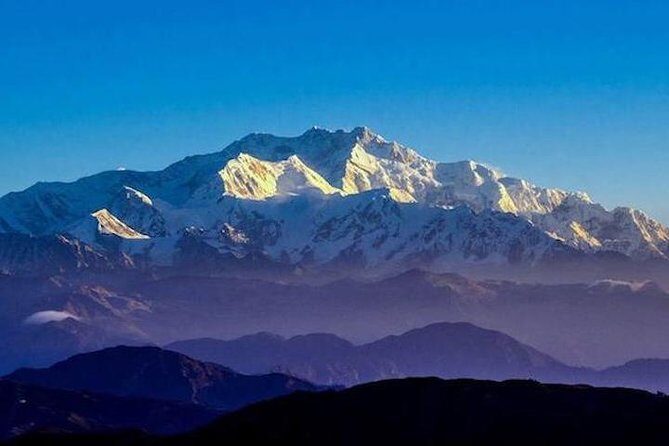
- Sandakphu is the high point on the Singalila Ridge (3,636 m) and a prime sunrise-and-views stop.
- Tea houses and lodge-style stays are part of the included comfort level on the ridge.
- Singalila National Park permits are included (with the permit cost noted for foreign clients).
- Villages you actually hike through: Gurdum, Sabargram, areas near Phalut, Gorkhey, Samandin, Ramam, and Srikhola along the way.
- Guides add local context, and past groups have singled out guides like Pemba, Tenzi, and Rupesh for being supportive.
- You finish with a mostly flatter day back toward Rimbeek, which helps your legs recover.
Getting to the trail: Darjeeling, Rimbeek, and the early-morning rhythm
This trek starts close enough to Darjeeling to feel doable, but far enough once you’re hiking that it stops feeling like a city trip. You’ll meet at Ashmita Trek & Tours in Darjeeling (Singalila Market, Nehru Rd, opposite Planter’s Club, Chauk Bazaar) and then head out by shared jeep.
One detail to watch: the schedule information includes both a very early meet time (around 6:00 am in the flow of the trek) and a start time listed as 9:00 am. Either way, treat this as an early start. Your best chances for crisp views and smoother pacing come when you’re not scrambling in the morning light.
You can also read our reviews of more hiking tours in Darjeeling
Day 1: Rimbeek to Gurdum and a gentle introduction at altitude
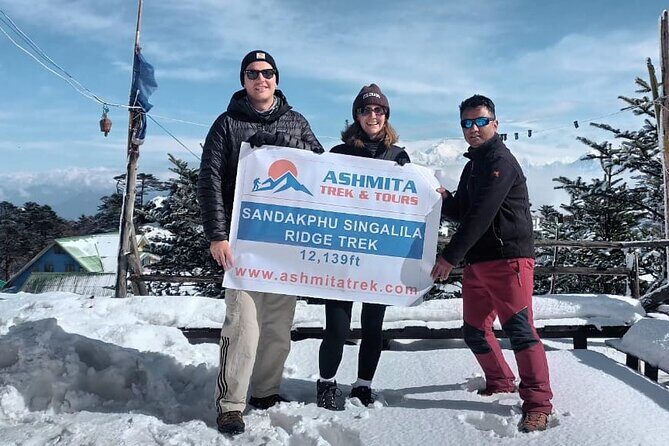
Day 1 is your “settle-in” day, which is exactly what you want before committing to ridge climbs. After the drive from Darjeeling to Rimbeek (about 4 hours), you begin hiking with a solid first segment: roughly 10 km and about 5.6 hours, climbing from 2,286 m to 2,438 m.
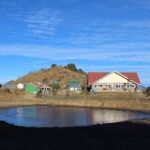
Your first proper village stop is Gurdum, described as a small Himalayan-foot village surrounded by greenery and a calm, peaceful feel. Even though it’s not the headline viewpoint of the trek, this kind of village stop matters. It helps you get used to the slower walking pace, the tea-house culture, and the reality that you’re living at hiking speed for the next several days.
Practical tip: keep your first-day pace steady. Day 1 is long enough to make people overconfident, and Ridge Day 2 has the “wake up” climb that punishes rushing.
Day 2: The steep push to Sandakphu and the boundary-ridge magic
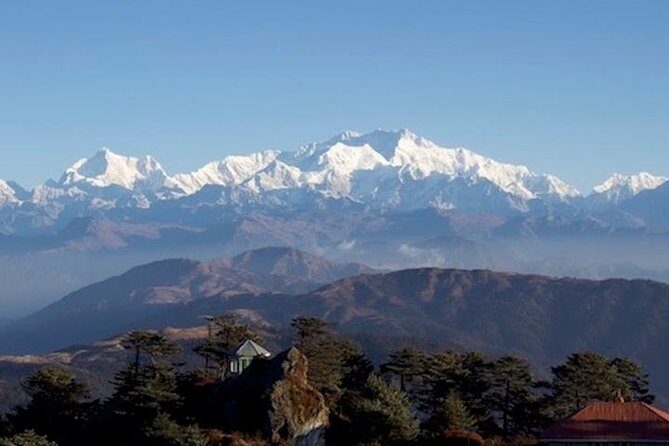
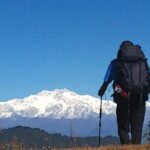
If you’re doing this trek for views, this is the day to pay attention to. Day 2 includes a steep climb to Sandakphu, and Sandakphu is a standout stop in West Bengal because it’s the highest point on the ridge.
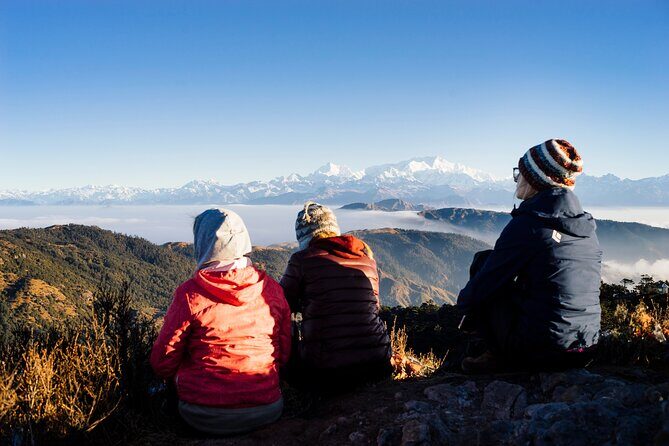
You’re also gaining the feeling that the Himalaya is right there with you. The trek’s theme is the ridge line that connects the grand Himalaya of Nepal to India, and Sandakphu sits right on that India–Nepal boundary. It’s the kind of place where the horizon feels closer than it should, and the cold air usually makes the peaks look sharper.
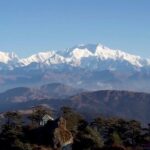
The description of the viewpoint is serious: from the ridge you can witness four out of the five highest mountain peaks in the world, including Mount Everest. That doesn’t mean you’ll see all peaks every time (weather has a vote), but the fact that the ridge is built for wide sightlines is a huge part of the value here.
Your timing on this day also suggests you’ll get both the climb and the staying power. The schedule includes multiple Sandakphu entries, with hours listed that imply a full day of walking plus time at elevation. In plain terms: don’t plan any heroics at night. Get your rest, check gear, and let your body settle into the altitude.
Day 3: Sabargram sunrise energy and stepping into Singalila National Park
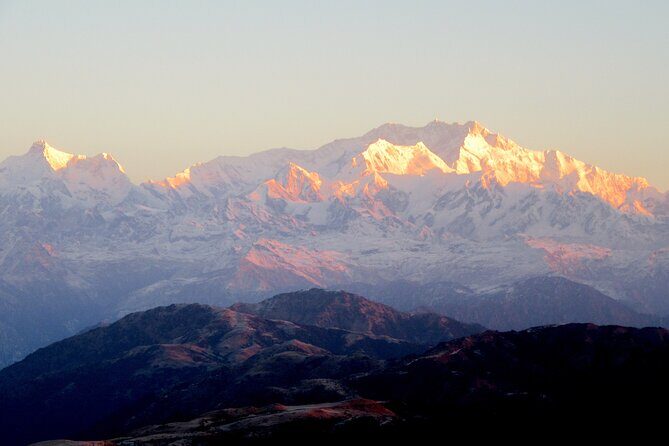
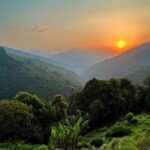
Day 3 is built around sunrise. You’ll be encouraged to wake early for a surreal start over the Himalayas, then climb a bit to a viewpoint where the morning visuals are the main event.
Your stop includes Sabargram, followed by time in/near Singalila National Park. Phalut is brought into the story here as well—listed as the second tallest summit in West Bengal and located on the Singalila Ridge. The boundary aspect is repeated: this ridge line marks the frontier among West Bengal, Sikkim, and Nepal.
What I like about this kind of day is that it breaks up the “big climb / big view” pattern without making it a dull travel day. Sunrise viewpoints create a natural rhythm: early wake-up, short push, then you can settle into the hiking day.
Consideration: sunrise means colder mornings than you expect if you only pack for daytime trekking. You’ll want layers that work in wind and shade, not just warmth when the sun finally hits.
Also, since Singalila National Park entry permits are included, you’re less likely to end up dealing with surprise paperwork mid-trip. That’s not glamorous, but it keeps your mental bandwidth focused on the hike.
Day 4: Phalut clouds below, ridge walking, and the quiet of Gorkhey
Day 4 starts with the classic ridge-house scene: you step out early and find the valley filled with clouds, while peaks glow in the distance. That cloud layer effect is common in this region, and it’s the reason many hikers remember this day even if the trail feels similar to other ridges.
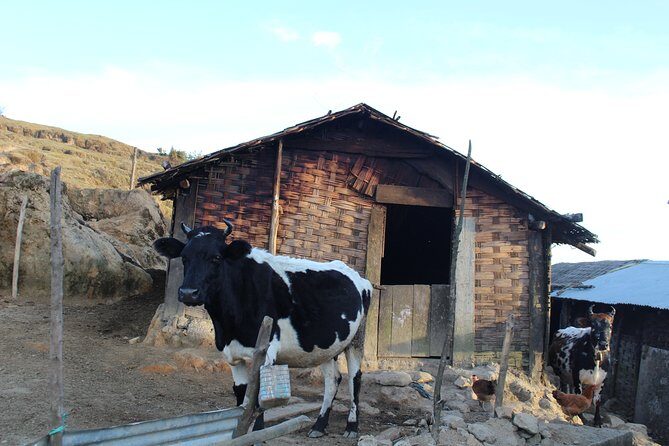
You’ll hike toward Phalut (about 5 hours listed) and then continue to Gorkhey. Gorkhey is described as a village not found on the usual tourist radar, surrounded by thick pine forests and with a small river running through it called Gorkhey Khola, which marks the boundary between Sikkim and the adjoining region.
This is where the trek feels less like a checklist and more like “you’re actually here.” Pine forests plus a river boundary vibe turns the evening into something calmer than the Sandakphu hype.
What to expect on arrival: at this stage, your legs will be a little tired, so your comfort depends on your recovery habits. Drink tea, eat what you can, and don’t try to squeeze in extra walking just because you feel okay. Ridge fatigue can appear later, and the next day still includes a longer hiking stretch.
Day 5: Gorkhey to Ramam junctions, then Timburey Swayambhu home-stay
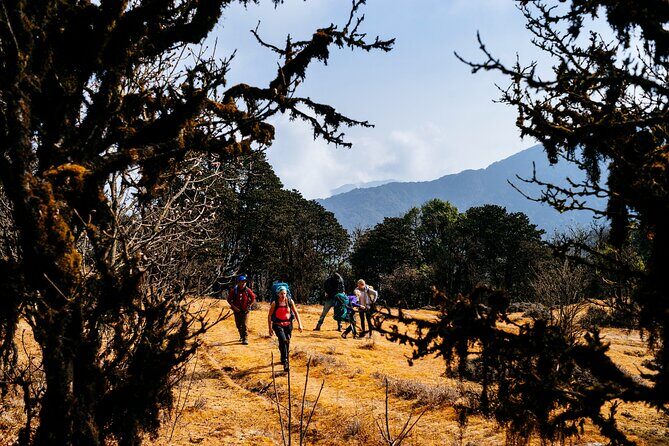
Day 5 is the route-building day: you start from Gorkhey, hike through Samandin, and after about 5 hours you reach Ramam. Then you hit a junction point involving two streams called Gorkhey Khola, described as a sight worth slowing down for.
This kind of detail matters. Junctions, streams, and village-to-village paths are where you feel the terrain up close. It’s not just “more ridge.” It’s the reality of water sources, small valleys, and the local way people moved through this region long before trekking became organized.
After that, you move to Timburey Swayambhu Home Stay, with Timburey noted at about 6,550 feet. The description includes a short video presentation about the entrance to the village, plus forests and the Srola River nearby. That blend of homestay culture and natural setting is one of the things that makes the trek more than a view hike.
Practical comfort tip: homestays can vary in bedding and warmth. Since altitude nights can feel colder than you expect, pack for comfort even if you’re thinking you’ll be fine during the day.
Day 6: Mostly-flat finish toward Rimbeek and a less-punishing goodbye
The last day is designed to help your body recover. You’ll have breakfast in Timburey and start the hike toward Rimbeek, which is described as a relatively flat 10 km trek.
The listed time is about 6 hours, and you’ll pass through Srikhola village along the way. A calmer finish is a real benefit after multiple days of climbing and descending. It gives you a chance to enjoy the final stretch without turning it into a battle.
When you return to Rimbeek, the activity ends back at the meeting point in Darjeeling. This “back to town” structure is useful if you’re planning onward travel the same day or the next morning, since you’re not left guessing how to get home.
Price and what $460 actually buys you in real life
At $460 per person for about 6 days, the value depends on what you compare against. Here, a lot is included that you’d otherwise pay separately or scramble to arrange on your own.
Included basics that matter:
- All meals during the trek (breakfast, lunch, dinner), with hot tea and coffee
- A qualified trekking guide who’s local to the area
- Shared jeep transport from and back to Darjeeling
- Singalila National Park entry permits (the permit cost is explicitly noted as INR 500 per day per person for foreign clients)
- Tea-house / lodge accommodations during the trek
- Basic medical and first aid kit carried by the guide
What’s not included, and can quietly change your total:
- Drinks, snacks, mineral water, and battery recharge
- Travel/medical insurance
- Personal gear and personal expenses
- Porter/horse (explicitly not included)
So is it a good deal? For many hikers, yes, because you’re paying for planning, permits, meals, and on-the-ground guidance in a remote ridge environment. The one big tradeoff is that you must carry your own bag. If you’re used to hiring help elsewhere, budget mental energy for that difference.
Also, this is typically booked in advance (about 10 days on average). That’s a good sign for organization, but it also means you should not assume last-minute availability will be easy.
Food, tea houses, and daily comfort: what you can count on
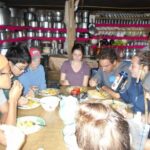
You’ll be eating simple, filling food, and it’s included daily as veg meals with hot tea or coffee. That takes one of the biggest uncertainties out of trekking in rural mountain areas: you’re not left searching for meals after a long hike.
That said, tea houses and lodge setups can vary. The schedule and descriptions suggest you’ll spend nights in basic accommodations, including tea houses/lodges and at least one home-stay night at Timburey Swayambhu. If you’re sensitive to cold rooms, bring sleep-layer habits like you would for any mountain trek.
One more practical note: since mineral water, battery recharge, and snacks aren’t included, you should plan small day-savers. Keeping a few extra refuel items can help if you find yourself hungrier than expected at higher elevation.
Guides and safety feel: why the human side matters on this trek
Ridge treks succeed or fail based on what happens between viewpoints: pacing, weather judgment, and how the group handles fatigue. The operator’s team is repeatedly described as professional and supportive, with guides such as Subash/Subhas, Pemba, Tenzi, and Rupesh named for care and attentive guidance.
I also like that the package specifically includes basic medical and first aid support carried by the guide. That doesn’t replace insurance, but it’s reassuring for minor issues that can still wreck a day on steep trails.
One detail you should not ignore: some past experiences mention a porter (for example, a porter named Anup shows up in one account), but the included list here says porter/horse is not included. If carrying your own backpack sounds like a problem, ask before you go so you’re not surprised mid-trek.
Who this trek is for (and who should think twice)
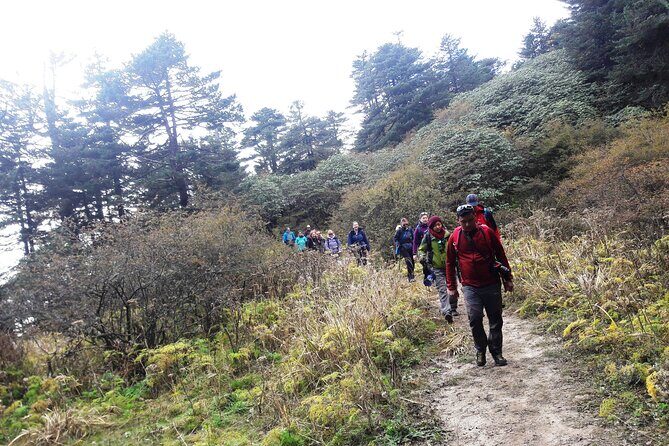
This is a real hiking trip. It’s described as needing a moderate physical fitness level, but the days include long hiking blocks and altitude changes, including a steep approach to Sandakphu.
This trek suits you if:
- You want big view payoff on a ridge line, not just forest walking
- You’re comfortable hiking 5–7 hours on most days
- You like small Himalayan village settings and simple accommodations
- You’re okay carrying your own backpack
Think twice if:
- Your plan relies on a porter or horse to carry your load (since it’s not included)
- You have pre-existing medical conditions and you’re not planning to coordinate with your doctor
- You’re not ready for cold mornings and altitude fatigue
Also, there are clear rules about equipment access. You’re told you should not carry satellite phones or GPRS to protected/restricted areas in parts of Sikkim and the Darjeeling Himalayan. If you rely on that for safety or work, confirm a workaround before booking.
Should you book the Singalila Ridge trek?
Book it if you want a classic ridge experience with Sandakphu as the headline and you like the idea of spending days in villages, tea houses, and one home-stay setting. The included meals, guides, permits, and transport add up to real convenience on a trek where getting things wrong is expensive in time and energy.
Hold off if you’re not comfortable carrying your own backpack for multiple days, or if you’re counting on extra gear support that isn’t listed as included. If that’s you, ask the operator upfront what help options exist, and build your packing plan around the reality of self-carry.
If you get those pieces right, this trek is the kind of Himalayan walking that leaves you with more than photos: it leaves you with a sense of how high-country people live, eat, and move along the ridge.
FAQ
What is the duration of the Singalila Ridge Trek from Darjeeling?
It’s listed as 6 days (approx.).
How much does the trek cost per person?
The price is $460.00 per person.
What are the start and end locations?
You start at Ashmita Trek & Tours in Darjeeling (Singalila Market, Nehru Rd, opposite Planter’s Club, Chauk Bazaar). The trek ends back at the same meeting point.
What transportation is included from Darjeeling?
Transportation from and to Darjeeling is included using public transport by shared jeep.
Are meals included?
Yes. The trek includes all meals (breakfast, lunch, and dinner veg) during the trekking, plus hot tea and coffee.
Is Singalila National Park entry included?
Yes. Singalila National Park entry permits are included. The permit cost is noted as INR 500 per day per person for foreign clients.
What is the highest point on the trek?
The high point is Sandakphu at 3,636 meters / 11,929 feet.
Do I need a passport?
Yes. A current valid passport is required on the day of travel, and passport details are required at booking.
Is there a porter or horse included to carry my backpack?
No. Porter/horse to carry your backpack is not included.
Is there an equipment restriction for parts of the region?
Yes. You’re told you should not carry any satellite phone or GPRS to protected and restricted areas in parts of Sikkim and the Darjeeling Himalayan.